

Traditional Hallway Umbrella Stand
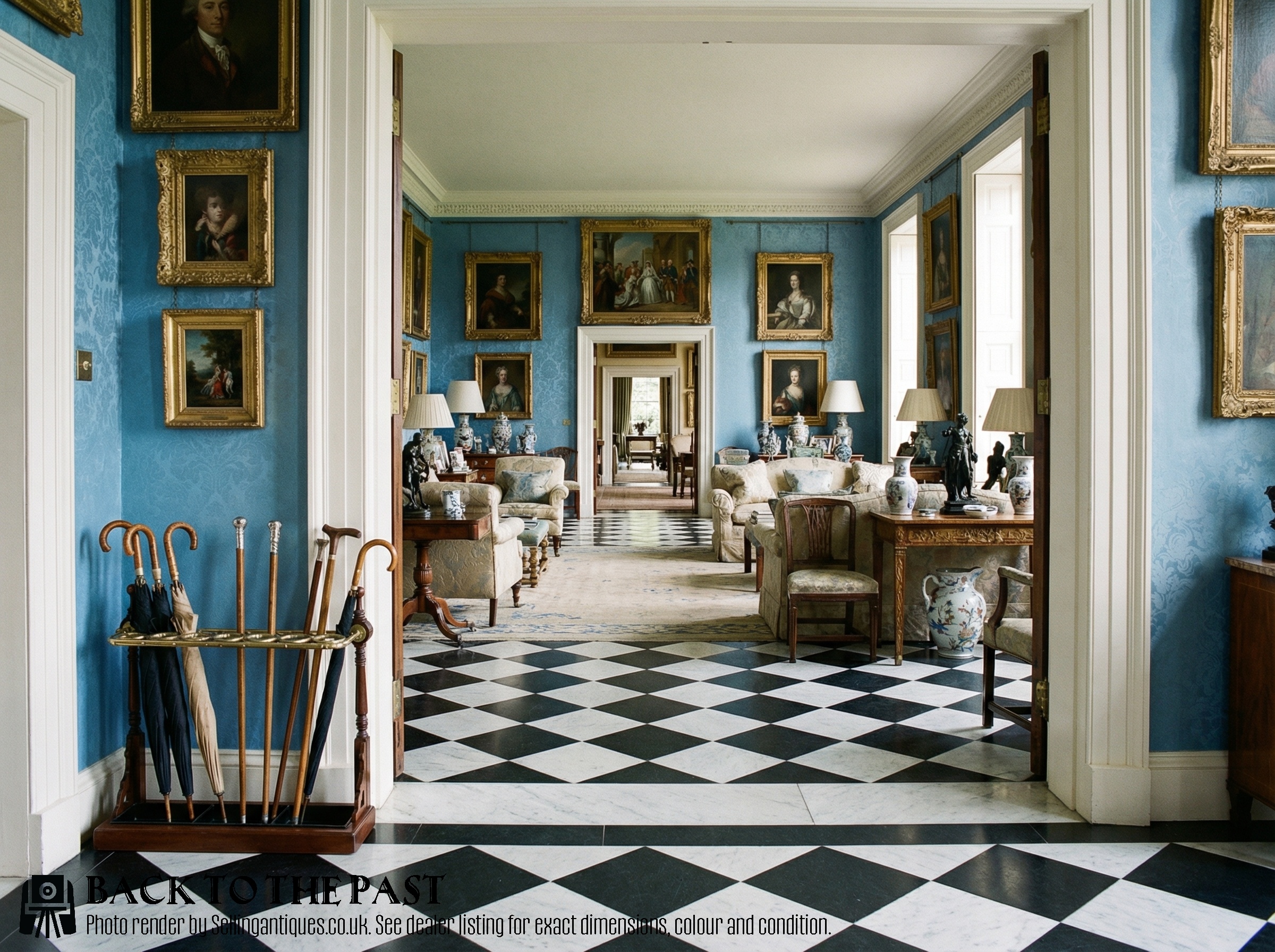
A traditional hallway umbrella stand keeps wet weather gear organised in the entrance, combining utilitarian metal trays with timber and brass frames.
Traditional Hallway Umbrella Stand
A traditional hallway umbrella stand is designed to hold walking sticks, canes and wet umbrellas near the front door. Buyers searching this phrase will find a variety of forms, from compact corner units to large combined hall furniture.
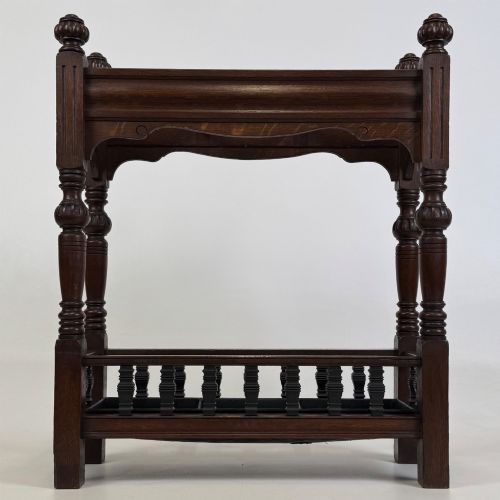
The pieces appearing on this page span the Victorian and Edwardian eras through to the early twentieth century. Oak and brass examples dominate, alongside bentwood, cast iron and mahogany pieces that served the same domestic purpose.
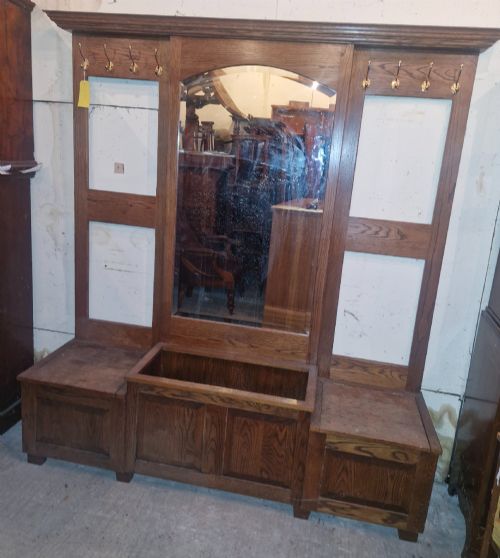
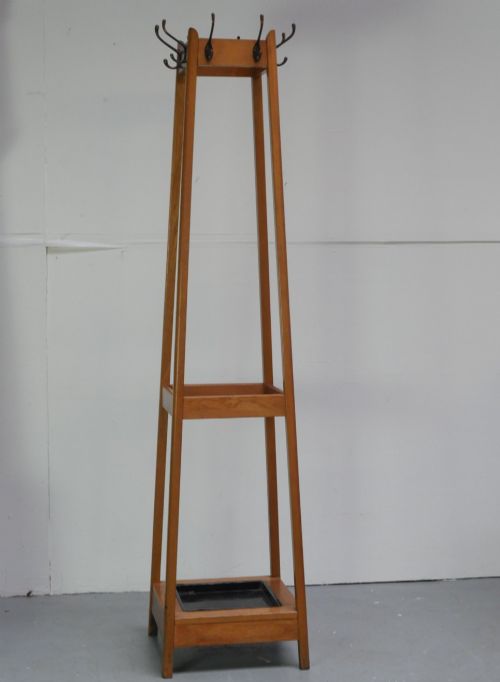
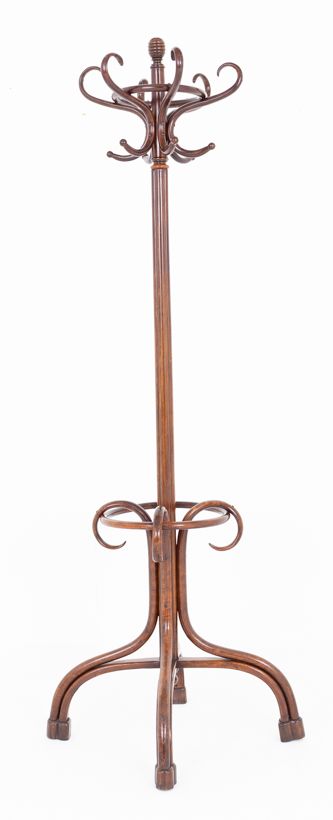
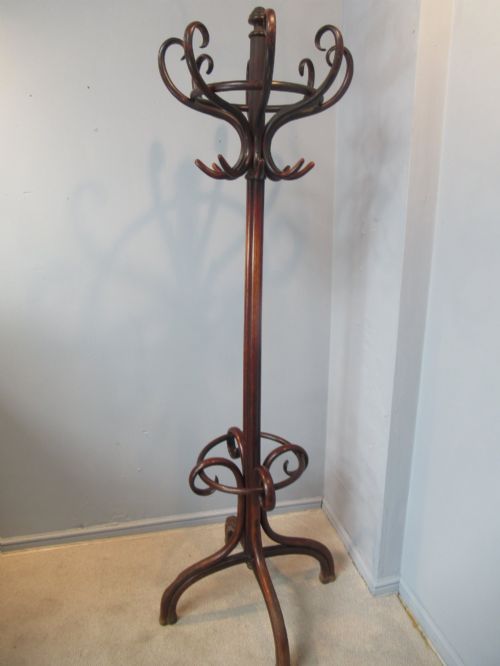
Many items function as stick stands alone, while others integrate coat hooks, mirrors or seats. These larger hall pieces reflect the Victorian and Edwardian focus on a tidy and welcoming entrance hall.
Materials and construction
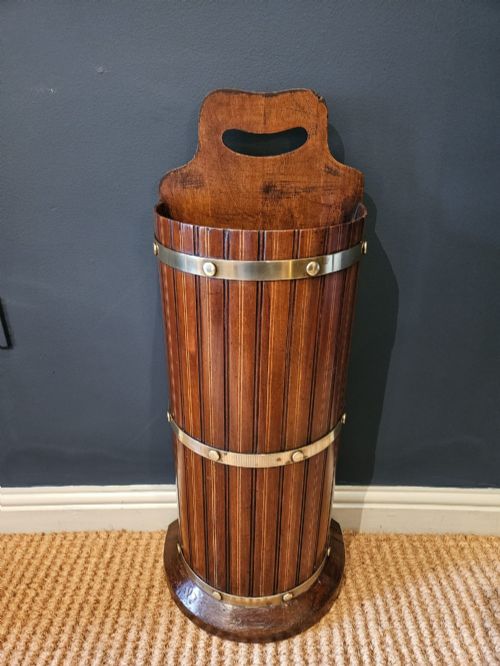
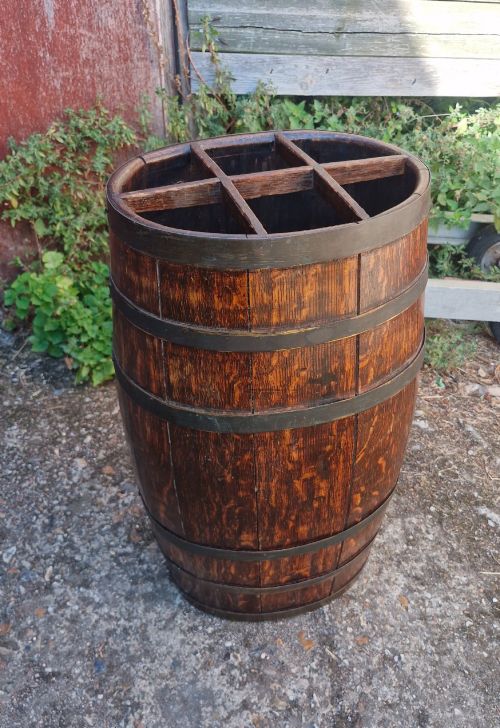
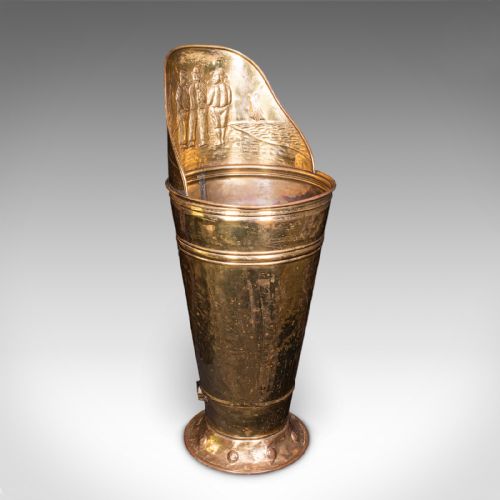
Makers utilised solid timbers such as oak, mahogany, walnut and beech to build the main frames. Coopered oak barrel designs bound with brass or metal bands appear frequently, offering robust storage for damp umbrellas.
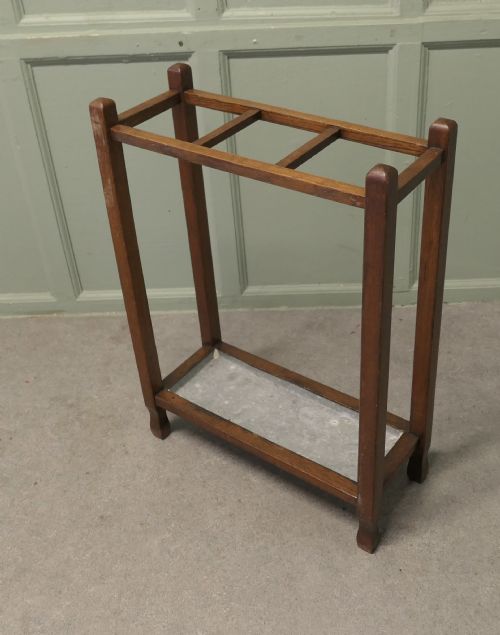
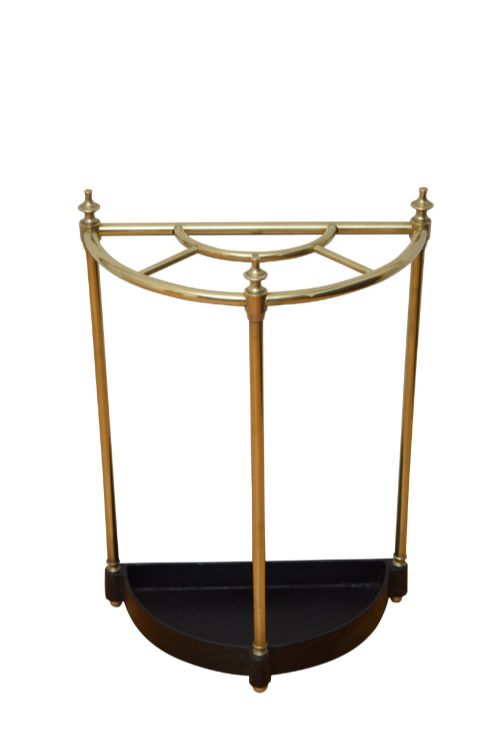
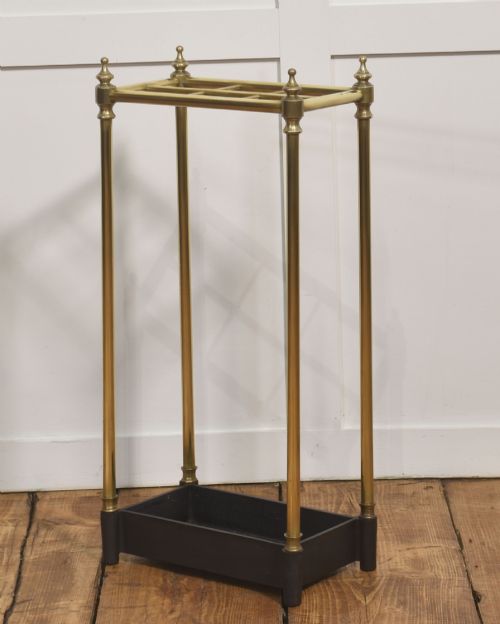
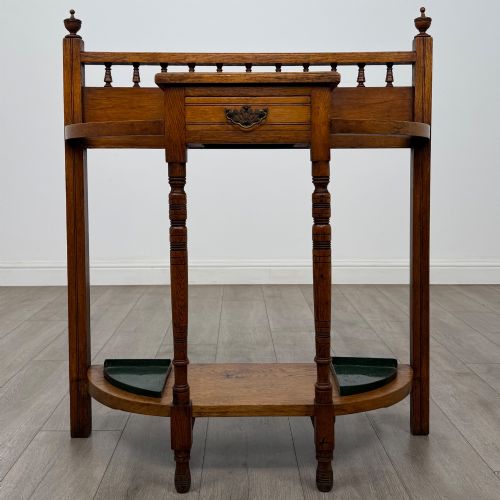
Metalwork plays a structural and practical role, with cast iron and brass forming demi-lune frames, corner stands and decorative lattices. Removable metal drip trays are typically incorporated at the base to protect wooden floors from water damage.
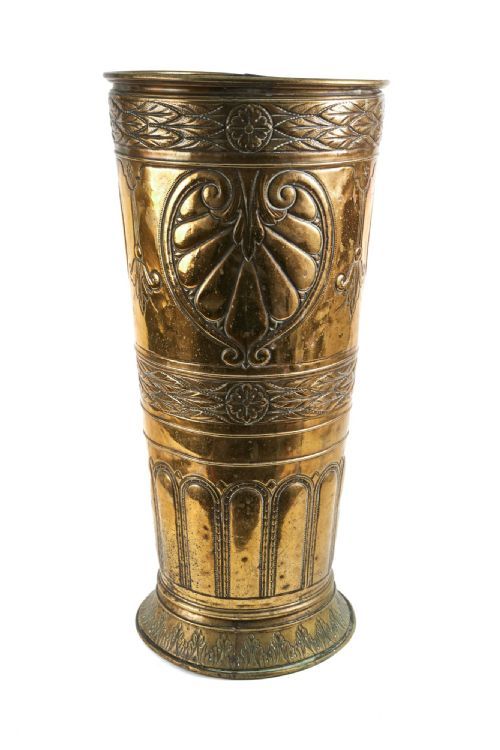
Listings feature oak, brass, cast iron and bentwood across Victorian, Edwardian and Arts and Crafts styles.
What separates the best from the rest
Quality in a traditional hallway umbrella stand lies in the integrity of the materials and the thoughtfulness of the design. Examples featuring heavier timber construction, well-fitted brass mounts and original metal drip trays command greater attention.
Subtlety of detail distinguishes finer pieces, such as Arts and Crafts carving or neat coopered staves in a barrel stand. The condition of the wood and the survival of secondary elements like hanging hooks dictate the standing of an individual piece.
The Traditional Hallway Umbrella Stand Glossary
- Demi-lune
- A half-moon shape used for stands designed to fit flat against a hallway wall. This profile allows the piece to occupy minimal floor space.
- Coopered
- Built using wooden staves joined together side by side, similar to barrel construction. This technique appears often in round or oval umbrella stands.
- Drip tray
- A metal base insert designed to catch water running off wet umbrellas. Original trays are valued for authenticity.
- Bentwood
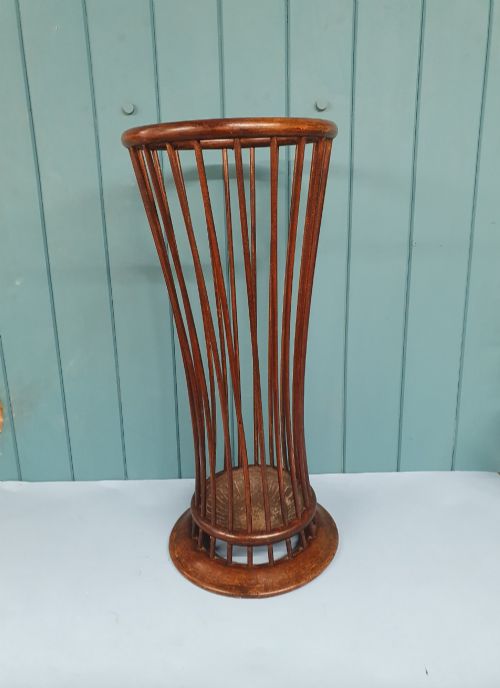
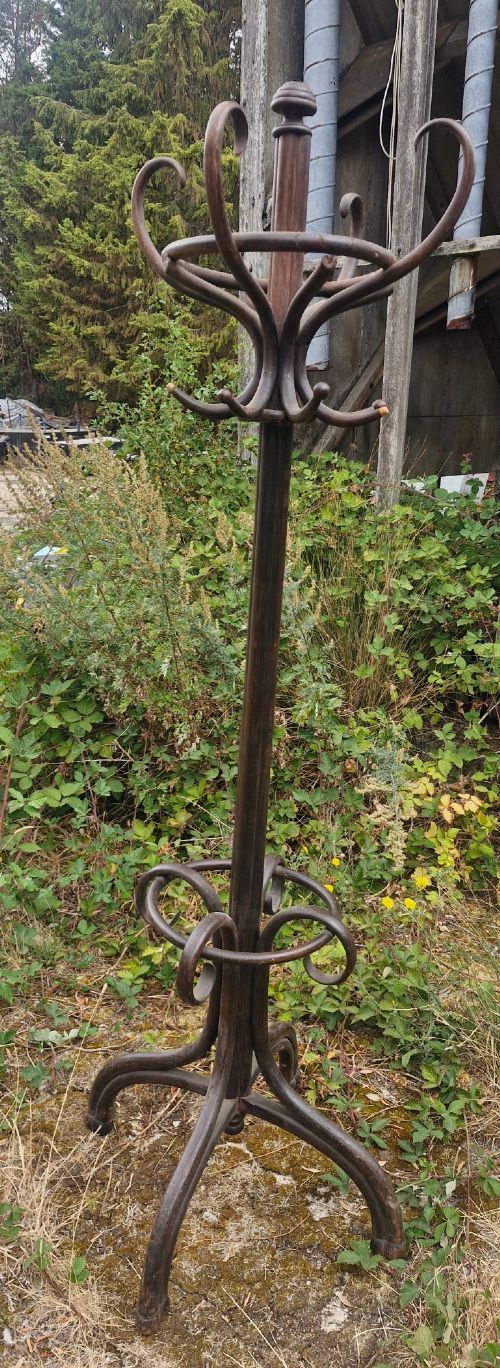
- Wood softened by steam and bent into curved shapes, commonly seen in Austrian and early twentieth-century hat and coat stands.
- Arts and Crafts
- A design movement favouring honest construction and hand-craftsmanship over mass production, evident in many oak stands here.
Traditional Hallway Umbrella Stand: Frequently Asked Questions
Where should an umbrella stand go?
These stands belong in an entrance hall or porch where wet items can be dropped off immediately upon entering the house.
Positioning the piece near the front door protects interior flooring from rain and keeps walking accessories close at hand.
How do I protect wooden floors from drips?
Most traditional stands include a metal drip tray at the bottom to collect water from wet umbrellas.
Emptying and drying this tray regularly prevents moisture from damaging the timber base or the floor beneath.
Are these stands suitable for modern hallways?
The compact forms, such as corner stands and demi-lune brass frames, fit easily into smaller contemporary hallways.
Their restrained materials, including oak and brass, blend naturally with both period and modern interior schemes.
How do I date an oak umbrella stand?
Dating relies on stylistic markers such as Arts and Crafts carving, Edwardian proportions, or Victorian coopered barrel construction.
Examining the fixings, timber grain and presence of original metal components also helps place the piece within its era.