
Traditional Hallway Stand
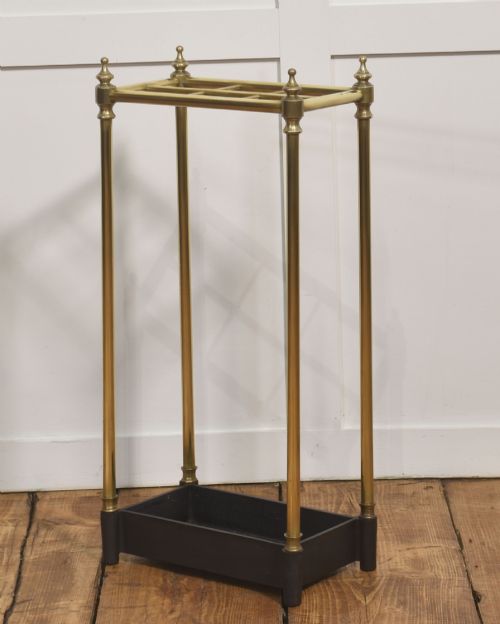
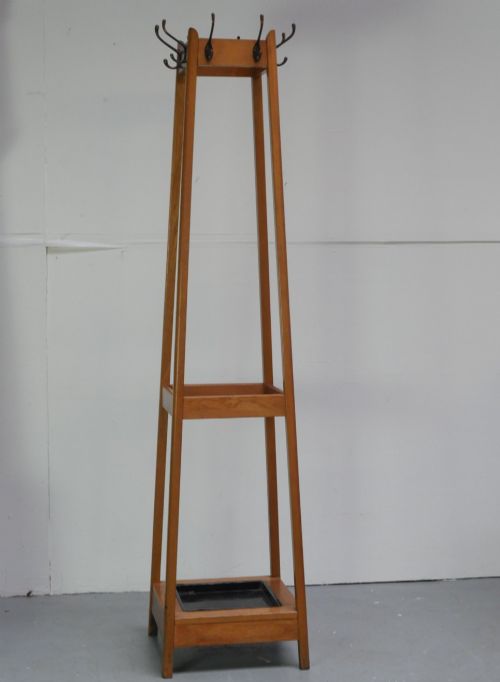
A traditional hallway stand anchors an entrance, keeping coats, hats, and umbrellas organised within timber and metal frameworks.
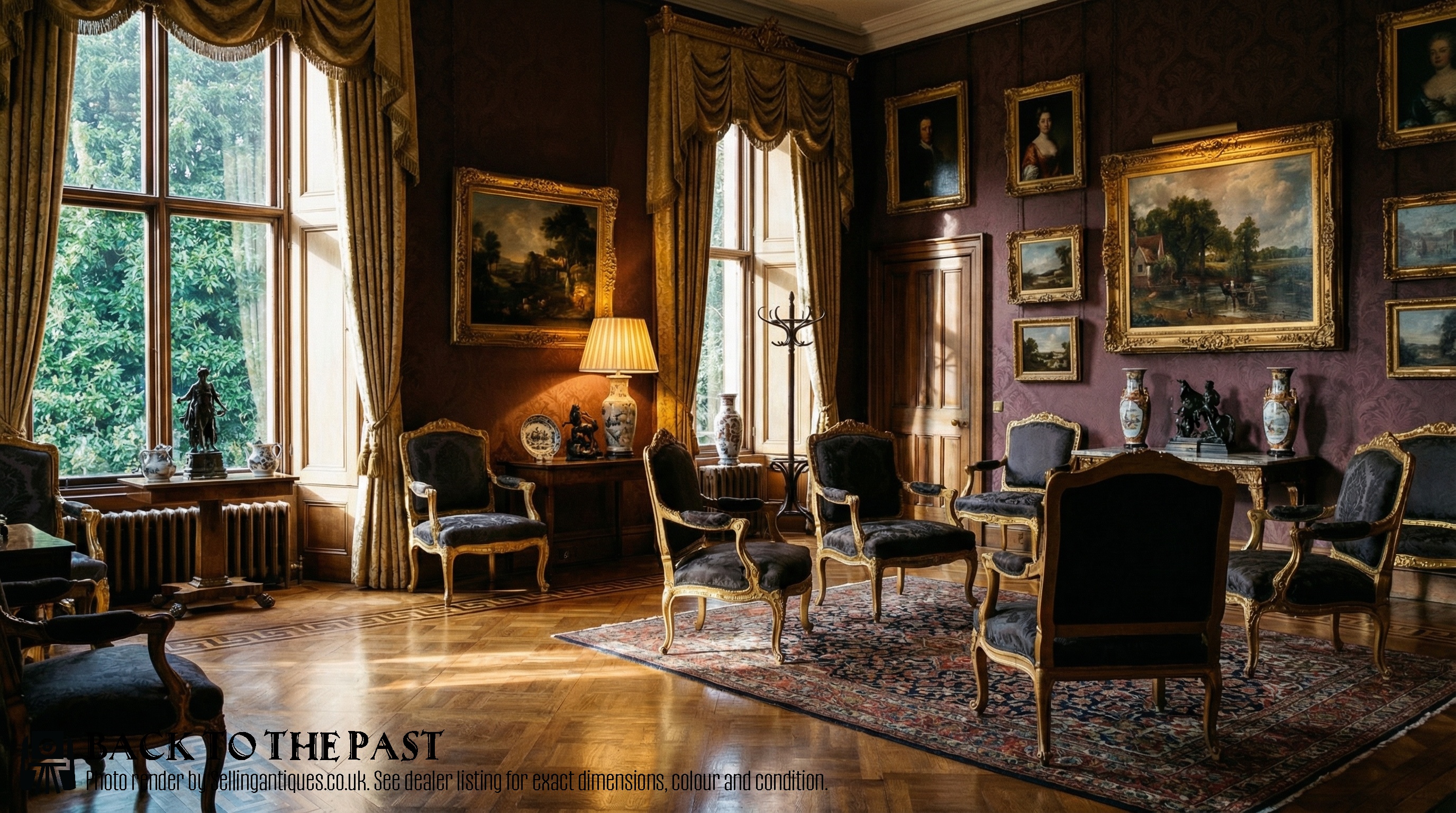
Traditional Hallway Stand
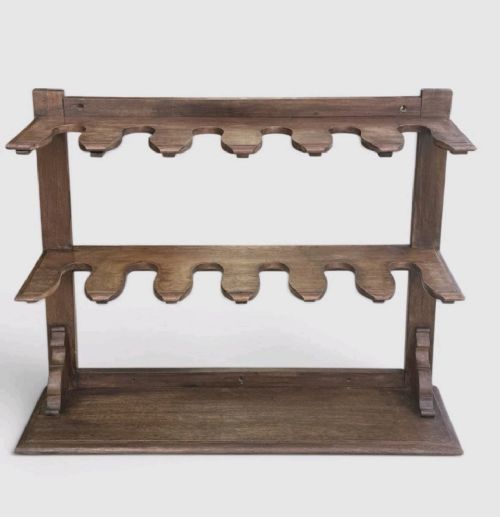
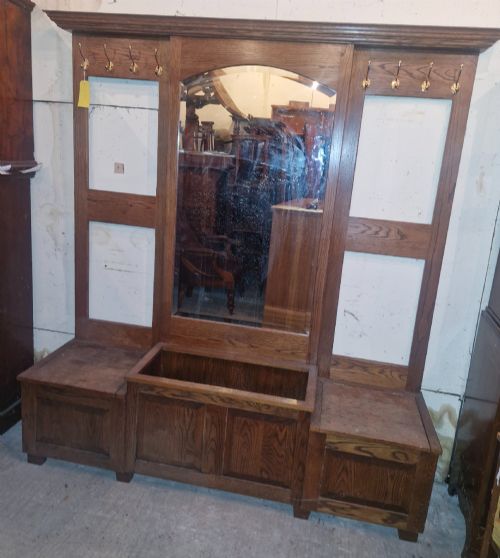
A traditional hallway stand serves as a functional entrance piece, encompassing umbrella holders, stick stands, and coat hooks designed to manage daily coming and going. Buyers browsing this selection encounter various forms spanning umbrella stands, stick stands, hat stands, and combined multi-functional hall seats.
The pieces appearing on this page date predominantly from the nineteenth and early twentieth centuries, drawing on Victorian, Edwardian, and Arts and Crafts design traditions. Oak, mahogany, bentwood, and brass dominate the inventory, offering distinct architectural presence for entrance halls of different scales.
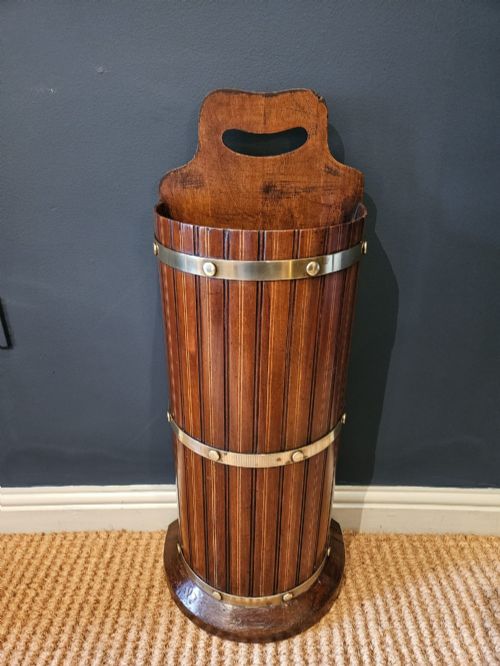
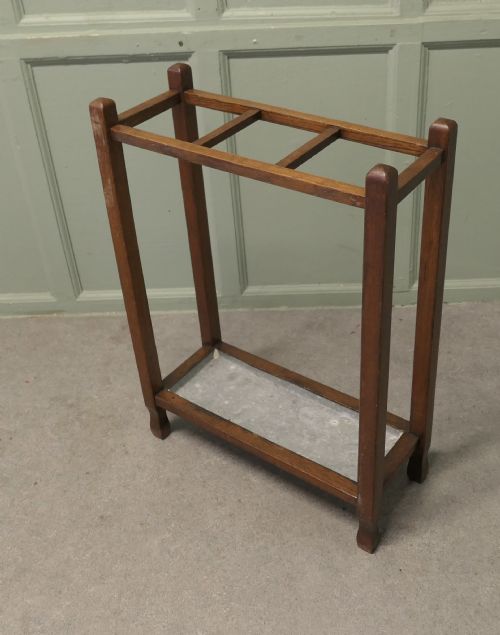
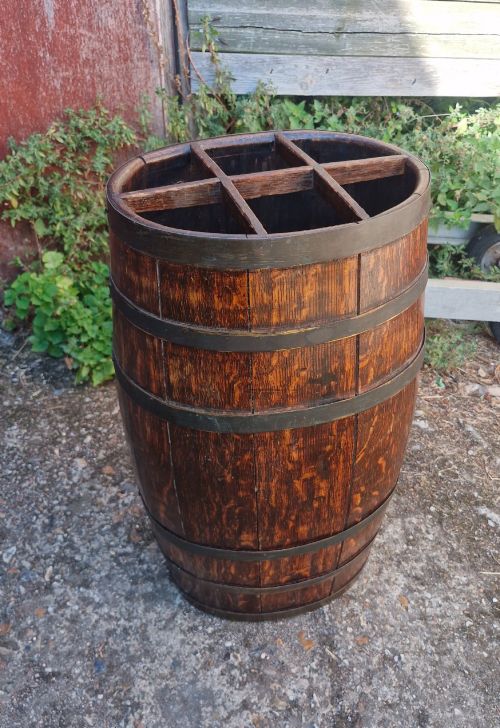
Makers and regional workshops produced diverse iterations, from simple coopered barrel stick stands to carved golden oak hall stands fitted with original metal drip trays. These items bridge domestic practicality and period craftsmanship, serving modern homes just as they served Victorian and Edwardian corridors.
Materials and construction methods
Cabinetmakers utilised durable hardwoods such as oak and mahogany alongside pine and walnut, employing traditional joinery to withstand heavy daily use. Metal components like cast iron, brass, and bounded metal hoops provided structural support and damp protection.
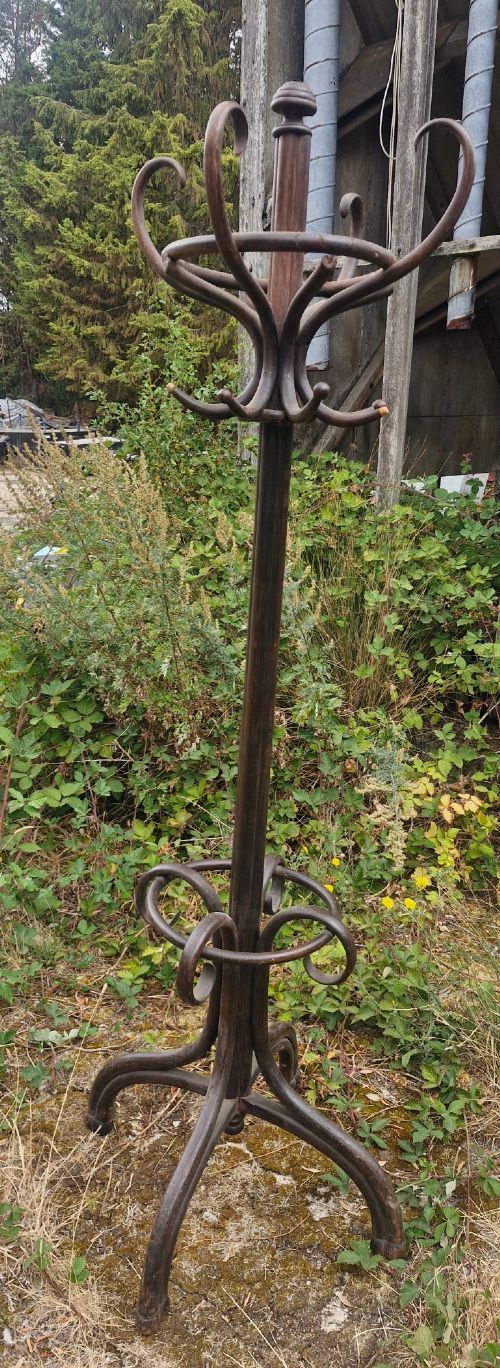
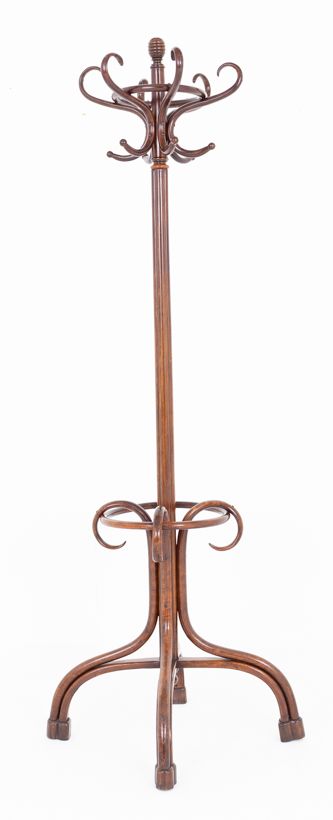
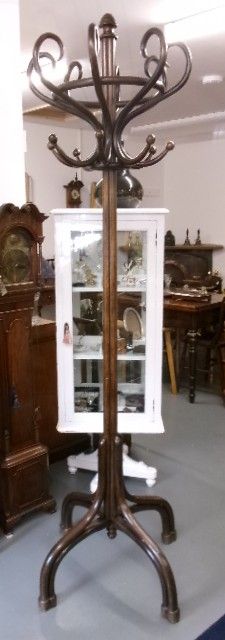
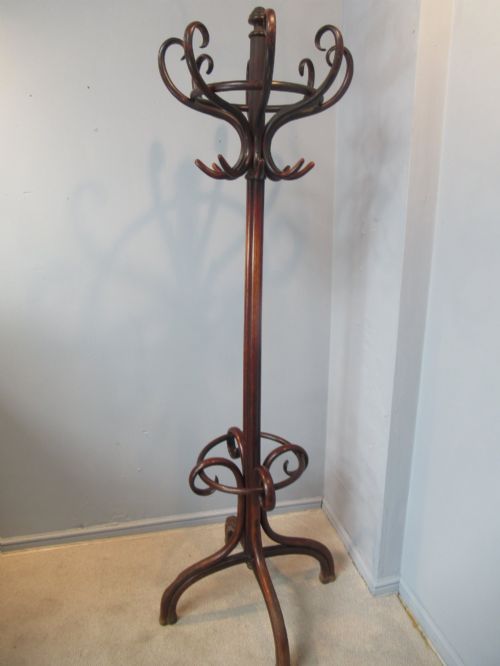
Bentwood techniques shaped steamed beech into sweeping, lightweight hat and coat stands, while metal drip trays caught moisture from wet umbrellas. Coopered construction appeared in barrel-style stick stands, using wooden staves bound with metal bands to contain walking sticks and canes.
Markers of quality and execution
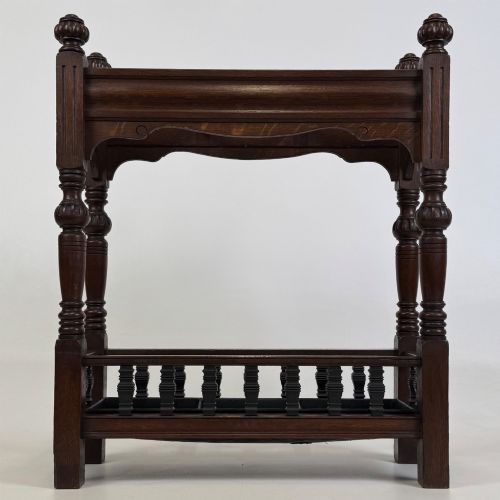
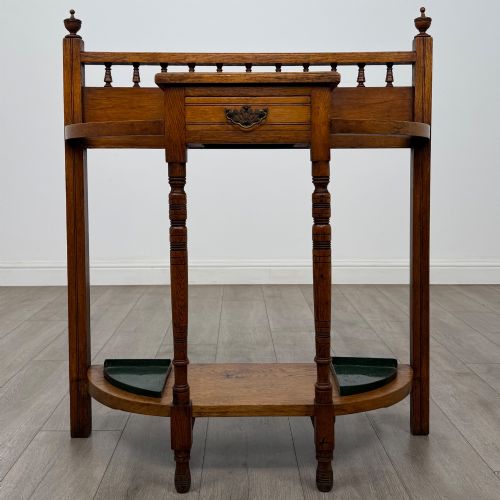
Superior examples display crisp carving, sound structural integrity, and the retention of original functional elements such as cast iron or brass drip trays and coat hooks. The choice of timber grain, particularly in golden oak and figured mahogany, distinguishes finer workshop output from utilitarian items.
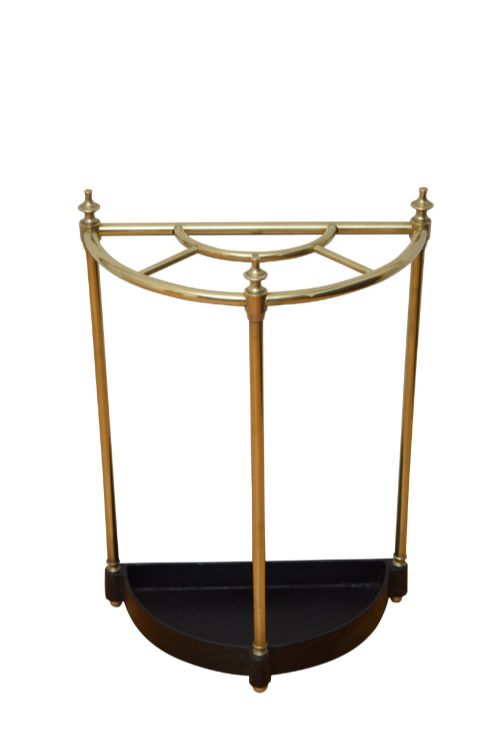
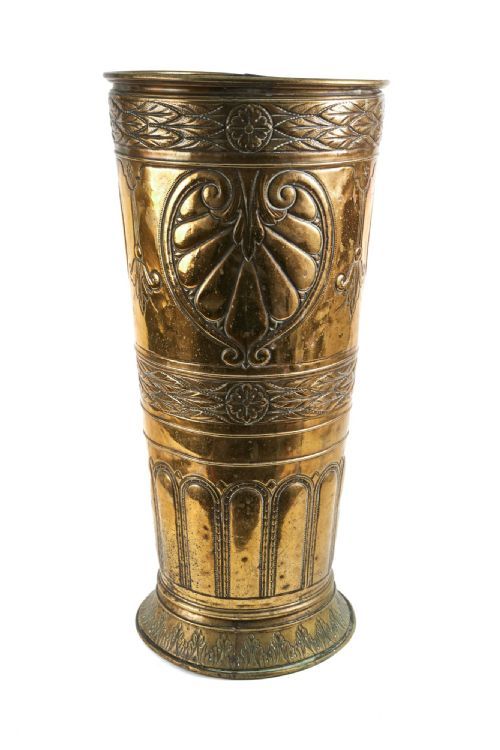
Originality of surface finish and hardware dictates overall merit, where untouched patination on walnut, oak, and brass elevates a piece. Evidence of thoughtful proportions, whether in a narrow brass cane stand or a large hall wardrobe, marks superior period design.
Jas. Shoolbred·Tom Hill·Thwaites, London
The Traditional Hallway Stand Glossary
- Drip tray
- A removable metal basin placed at the base of a stick stand to catch water from wet umbrellas. These trays protect wooden flooring from moisture damage.
- Bentwood
- Wood shaped by steaming timber until pliable and bending it into curved structural forms. This technique created lightweight, durable coat and hat stands during the late nineteenth and early twentieth centuries.
- Coopered
- Construction method using parallel curved wooden staves bound together by metal hoops, commonly seen in cylindrical barrel-shaped stick stands.
- Demi lune
- A half-moon shape characteristic of tables and stick stands designed to sit flush against an entrance wall. This profile maximises floor space in narrow hallways.
- Boot jack
- A small V-notched device used to grip the heel of a boot for easy removal without bending down. These often accompany hallway stands and shoe racks.
Traditional Hallway Stand: Frequently Asked Questions
How do I choose the right hallway stand size?
Measure your entrance floor space and check the footprint of the stand, noting whether you need a slim umbrella holder or a larger combination coat and hat rack.
Consider the clearance needed for opening doors and walking past the piece comfortably.
Are original drip trays important?
Original metal drip trays add authenticity and ensure the base of the stand remains protected from wet umbrella tips.
Many period pieces retain these fitted trays, which are valued by collectors for completeness.
What is bentwood and how do I care for it?
Bentwood is created by steaming timber until pliable, allowing craftsmen to form smooth, continuous curves for lightweight stands.
Keep these pieces away from direct heat sources and excessive moisture to preserve the tension and finish of the curved wood.
How do I distinguish Victorian from Edwardian stands?
Victorian hallway stands often feature darker, heavier carved woods, rich ornamentation, and formal styling suited to enclosed entrance halls.
Edwardian and early twentieth-century examples frequently display lighter golden oak, cleaner lines, and influences from the Arts and Crafts movement.