
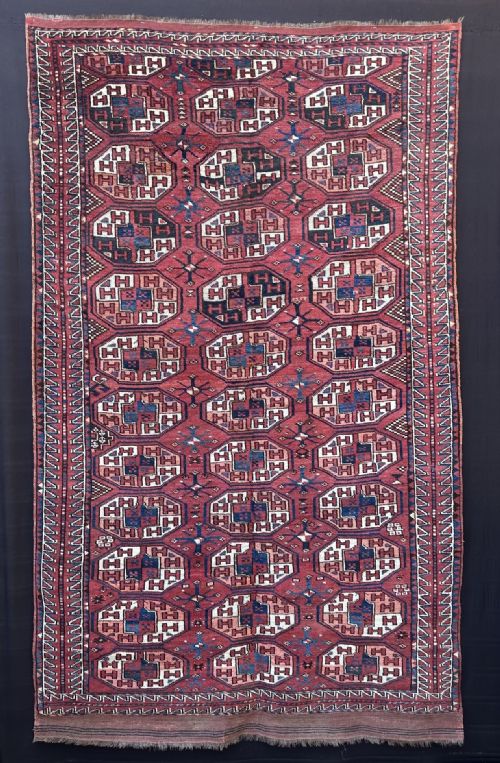
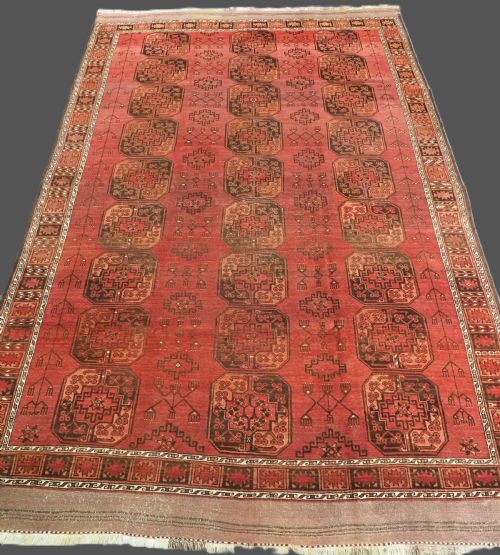
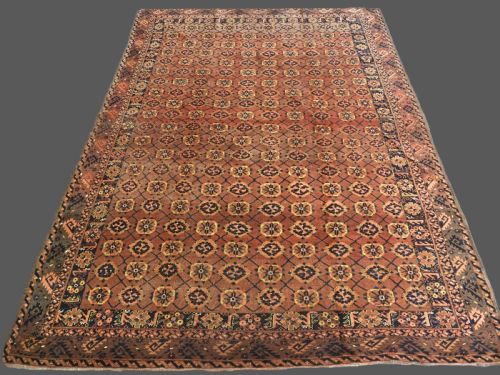
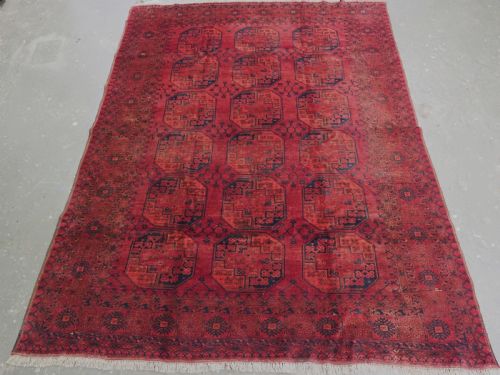
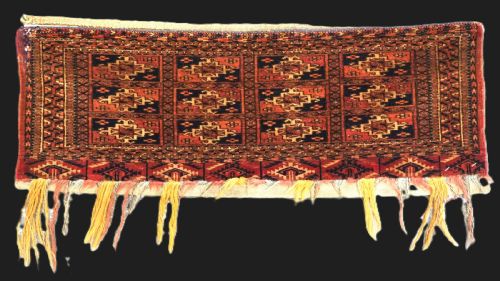


Traditional Gul Rug
When you choose a traditional gul rug, you bring home centuries of Central Asian tribal artistry anchored by distinctive octagonal motifs.
Traditional Gul Rug
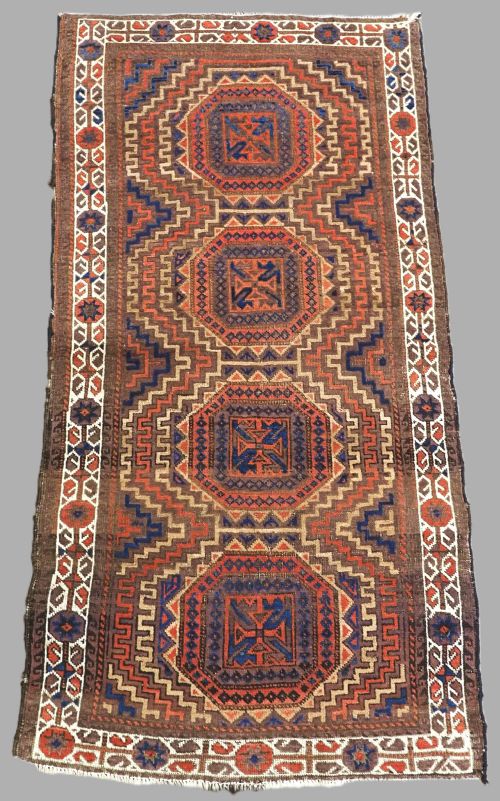
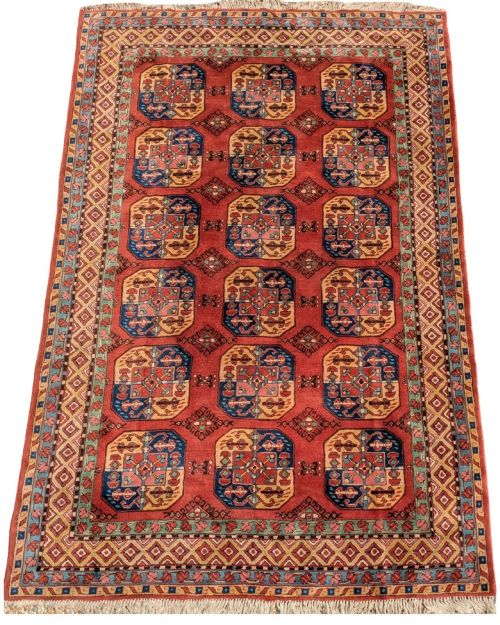
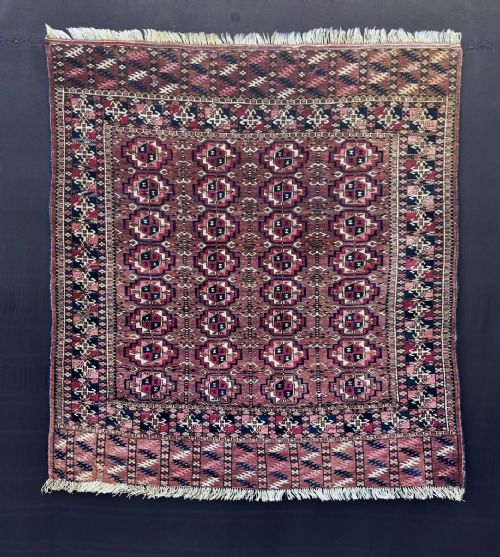
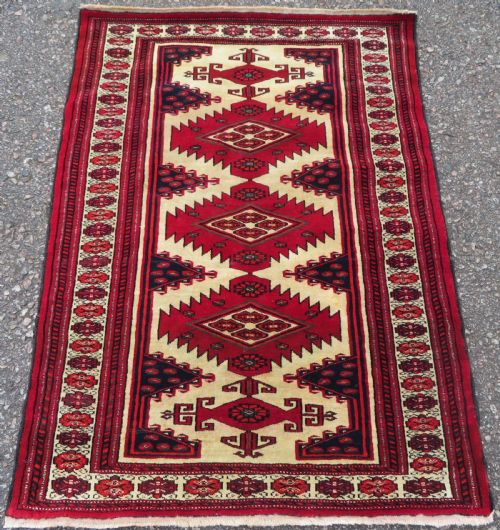
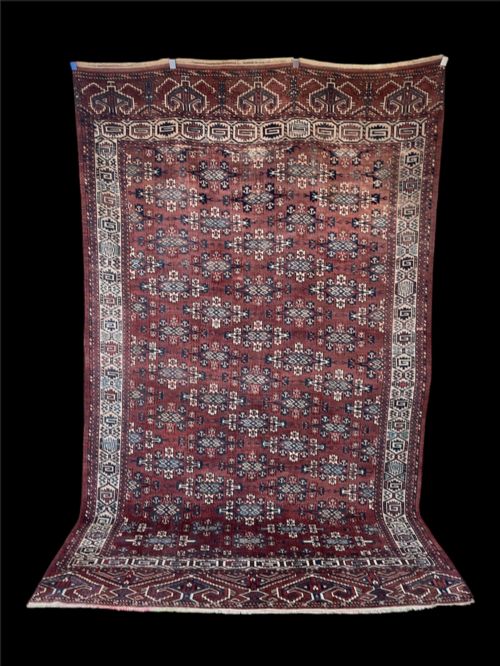
A traditional gul rug represents the rich weaving heritage of Central Asian and Afghan nomadic tribes, particularly groups such as the Tekke, Ersari, Yomut, and Kizyl Ayak. These floor coverings and tribal bag faces serve as enduring examples of regional iconography passed down through generations.
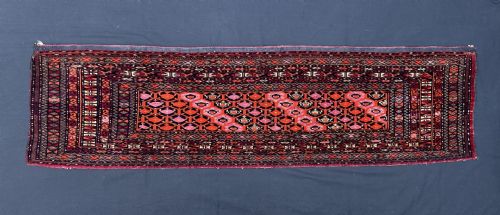
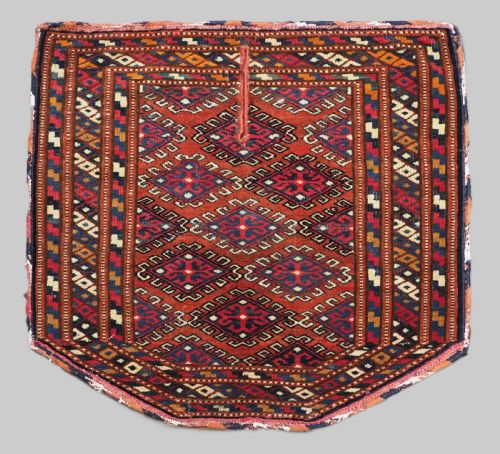
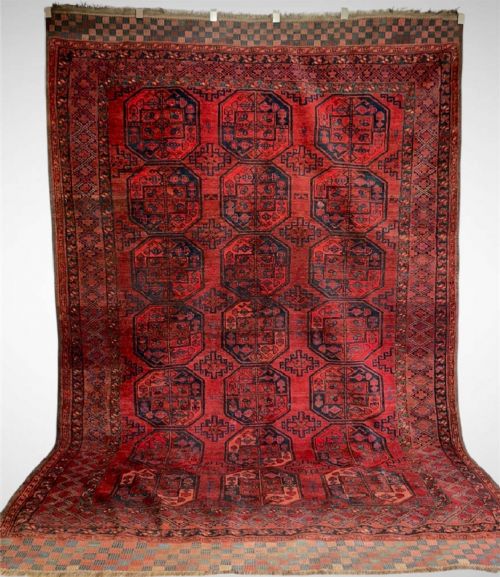
Buyers browsing this selection will frequently encounter formats ranging from room-sized main carpets down to smaller village rugs, saddle covers, and torbas. The dominant visual anchor across these pieces is the repeating octagonal gul motif set against deep red or warm earthy grounds.
The objects stem predominantly from the late nineteenth and early twentieth centuries, reflecting a period of traditional village and nomadic production before commercial standardisation altered local methods. Each piece carries the distinct structural choices of the specific tribal weavers who knotted it.
How they were made
The foundation and pile rely heavily on locally sourced wool, sometimes augmented by hand-spun wool, natural dyes, silk highlights, goat hair, and horsehair. Weavers constructed these textiles on portable or village looms using sturdy knotting techniques designed to withstand daily nomadic life.
Natural dyestuffs impart the characteristic warm reds, deep golds, and rich secondary hues that soften gracefully over decades of light and wear. Animal hair foundations add structural rigidity and distinct weight to specific main carpets and tribal bags.
The inventory records Turkmen Tribal, Afghan Tribal, Tekke Turkmen, and Persian Tribal styles in rugs, carpets, and tribal bag formats.
What varies in quality
Quality in these textiles rests upon the density of the knotting, the precision of the gul geometry, and the depth of the palette. Finer weaves allow for sharper definition within complex motifs such as turreted or ovoid guls.
The condition of the wool pile and the integrity of the original plain weave backs or side cordings also determine the standing of an individual piece. Superior examples maintain balanced proportions, vibrant natural colour saturation, and minimal structural restoration across the field.
Tekke Turkmen·Ersari Tribe·Yomut Tribe·Kizyl Ayak Tribe·Sariq Tribe
The Traditional Gul Rug Glossary
- Gul
- A repeating octagonal medallion motif that forms the primary decorative element in traditional Central Asian rugs. Each tribe utilised distinct gul designs to signal identity and lineage.
- Torba
- A small tribal bag or storage sack produced by Turkmen groups, often featuring elaborate guls and a flat-woven back. These pieces were historically used inside nomadic tents for household organisation.
- Main Carpet
- A large-format rug woven for ceremonial, domestic, or matrimonial use within the tribe. These substantial pieces display the most complex arrangements of primary and secondary guls.
- Jollar
- A wide tent-band bag used for bedding storage in nomadic households. They exhibit horizontal formatting and compressed repeating patterns.
Traditional Gul Rug: Frequently Asked Questions
What is a gul?
A gul is the signature octagonal medallion shape repeated across Central Asian and Afghan rugs. It acts as a symbolic crest identifying the specific tribe or clan that made the textile.
Over generations, weavers refined these geometric emblems into distinct regional variations, making them central to identifying the origin of antique tribal weavings.
How were these rugs used originally?
Nomadic and village communities utilised these textiles for ground cover inside tents, as horse and camel saddle covers, and as functional storage bags for bedding and household goods. Larger main carpets anchored the living spaces of tribal dwellings.
Smaller bag faces like torbas and chuvals hung against tent walls or served practical transport functions during seasonal migrations.
How do I care for a tribal rug?
Protect your rug by placing it in areas with moderate foot traffic and avoiding direct, prolonged exposure to harsh sunlight. Vacuum gently without using a rotating power brush to safeguard the antique wool pile.
Professional cleaning tailored to antique vegetable-dyed wool ensures the natural fibres remain supple without stripping the historical character of the dyes.
How can I tell different tribal designs apart?
Tribal attribution relies on examining the specific geometry of the guls, the structure of the border guards, and the primary palette. For instance, Tekke pieces often show precise quartered guls, while Ersari carpets display larger, more relaxed motifs.
Secondary ornaments, such as curled leaf borders or Memlinc-type guls, further help distinguish between Afghan, Yomut, and Baluch village productions.