

Red Central Asian Carpet
When choosing a red central asian carpet, you select a tribal textile bearing deep madder tones and geometric patterns woven by nomadic makers.
Red Central Asian Carpet
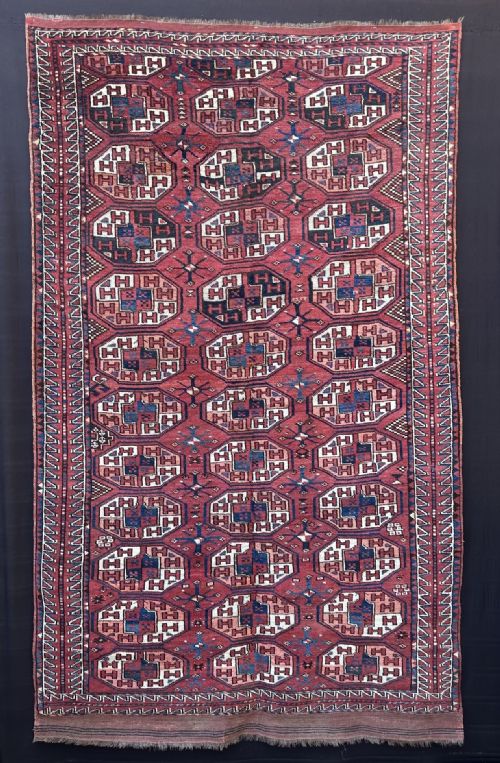
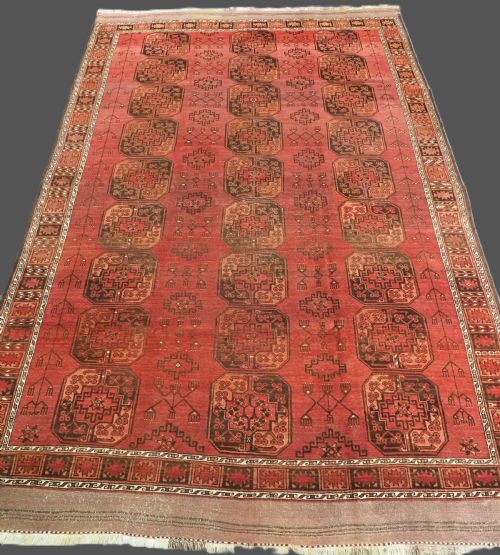
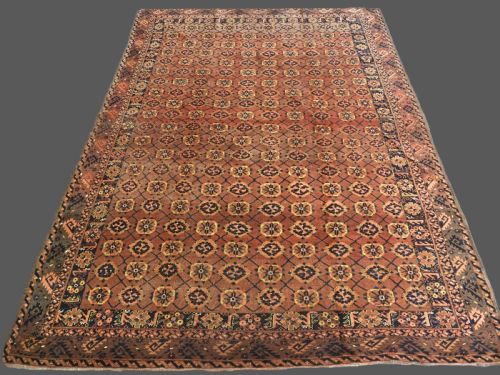
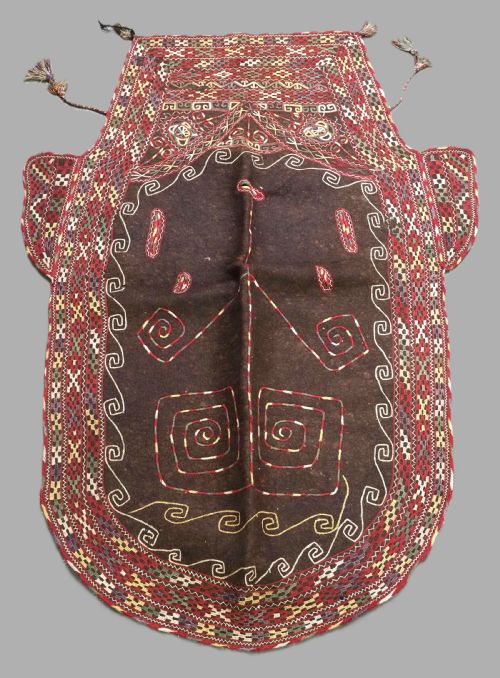
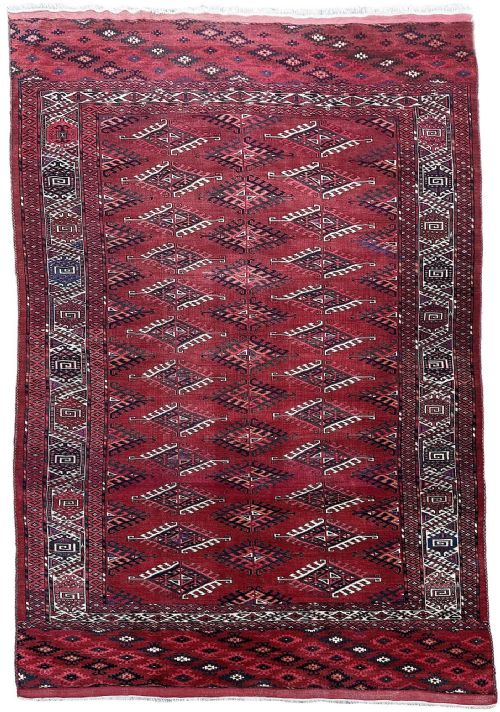
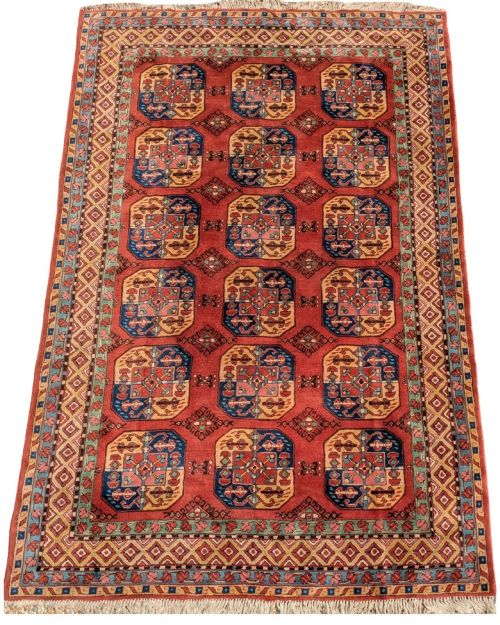
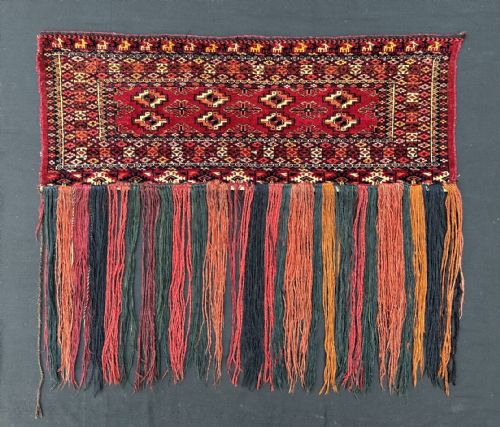
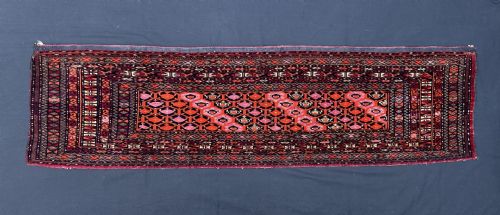
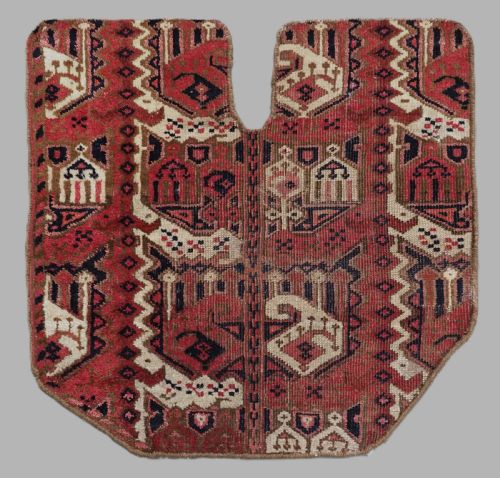
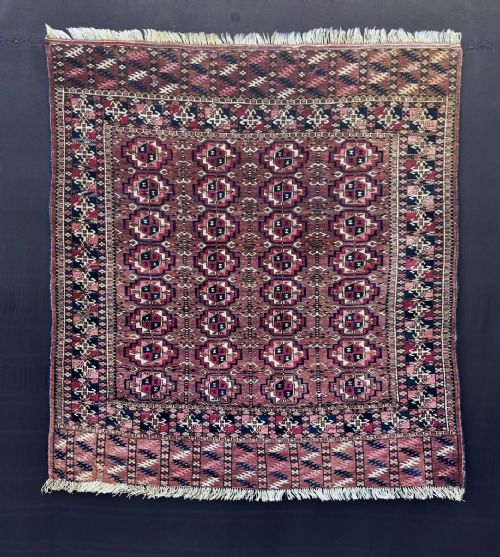
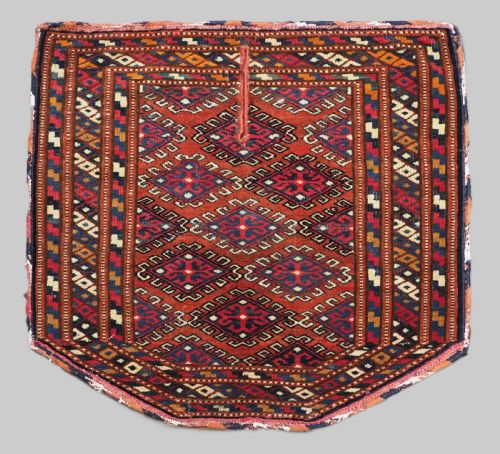
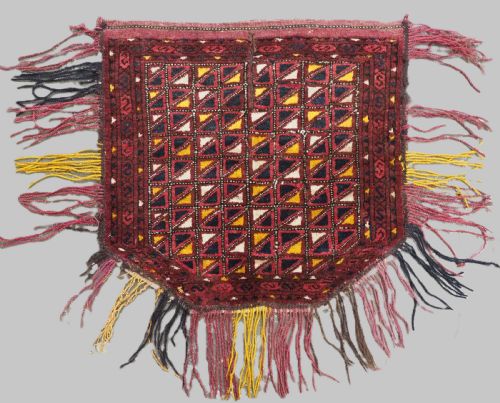
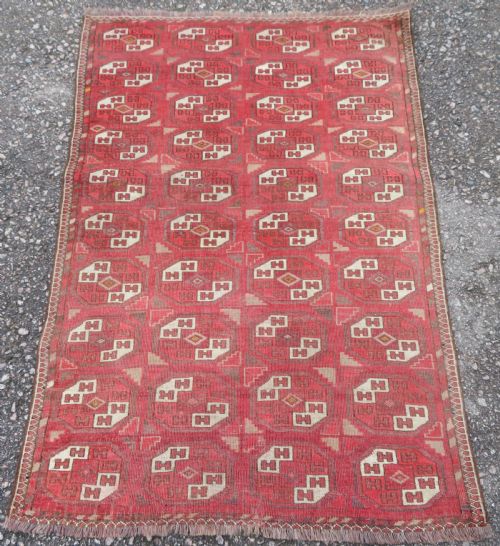
A red central asian carpet embodies the textile traditions of tribal weavers across the region, most frequently appearing on this page as antique main carpets, torbas, chuvals, and saddle rugs originating from Turkmen tribes such as the Tekke, Ersari, Yomut, and Saryk.
The selections span from the mid-nineteenth century through the early twentieth century, showing structural formats designed for nomadic daily life, dowries, and ceremonial tent furnishings.
Makers utilised characteristic formats including tent door rugs, asmalyks, and small utilitarian bags alongside larger floor coverings.
How They Were Made
Weavers constructed these textiles predominantly using hand-spun wool and natural dyes, often incorporating cotton and silk thread highlights for detail.
Certain ceremonial pieces employ felted wool and embroidery techniques, utilising flatweave structures alongside knotted pile constructions.
Listings span periods from the mid-nineteenth century through the 1930s, featuring wool, cotton, and felted wool.
What Varies in Quality
Knot density and structural fineness dictate the tier of execution, separating standard utility pieces from finely woven dowry and ceremonial examples.
The purity and depth of the natural red dyes, alongside the crispness of secondary colours and the integrity of original borders or tassels, determine the overall execution.
The Red Central Asian Carpet Glossary
- Gul
- A primary medallion motif repeated across Turkmen carpets. Each tribe traditionally utilised distinct gul patterns to identify lineage.
- Torba
- A small utilitarian wall hanging or storage bag. These rectangular pieces hung inside tents and feature elaborate face designs.
- Chuval
- A large tent storage bag used by nomadic families. They display structured rows of guls and robust flatweave backs.
- Engsi
- A specialised carpet hung over the interior doorway of a yurt. They feature a distinct cross-panel layout dividing the field.
- Asmalyk
- A pentagonal trapping mounted on the flank of a camel during wedding processions. These ceremonial objects display expressive tribal iconography.
Red Central Asian Carpet: Frequently Asked Questions
How were these carpets used?
Nomadic communities utilised these textiles for daily floor coverings, bedding storage, tent ornamentation, and transport during migrations.
Many specific formats served ceremonial roles, such as wedding processions and interior yurt decoration.
How do I live with one?
Place these rugs in low-traffic areas or mount smaller torbas and bags on walls to protect the wool pile from heavy wear.
Keep them away from direct sunlight to preserve the natural red dyes over time.
How do I tell tribes apart?
Examine the primary gul motifs, border patterns, and overall colour palettes used across the field.
Tekke, Ersari, and Yomut weavers each employed distinct geometric arrangements and structural proportions.
What materials are used?
Authentic pieces rely primarily on hand-spun wool foundations and pile, dyed using natural substances.
Some examples incorporate cotton for structural stability and silk thread for decorative highlights.