


Traditional Gateleg Table
A traditional gateleg table offers clever folding leaves and sturdy wooden swing-legs designed to save space when dining or resting.
Traditional Gateleg Table
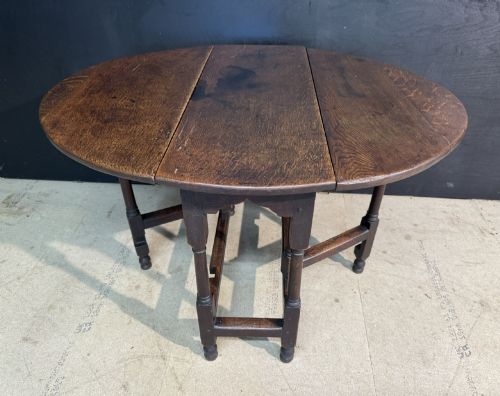
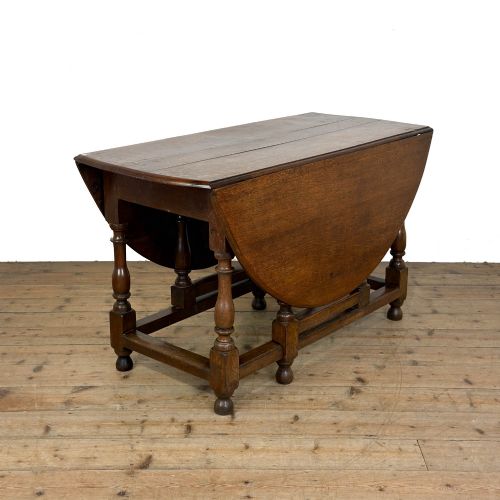
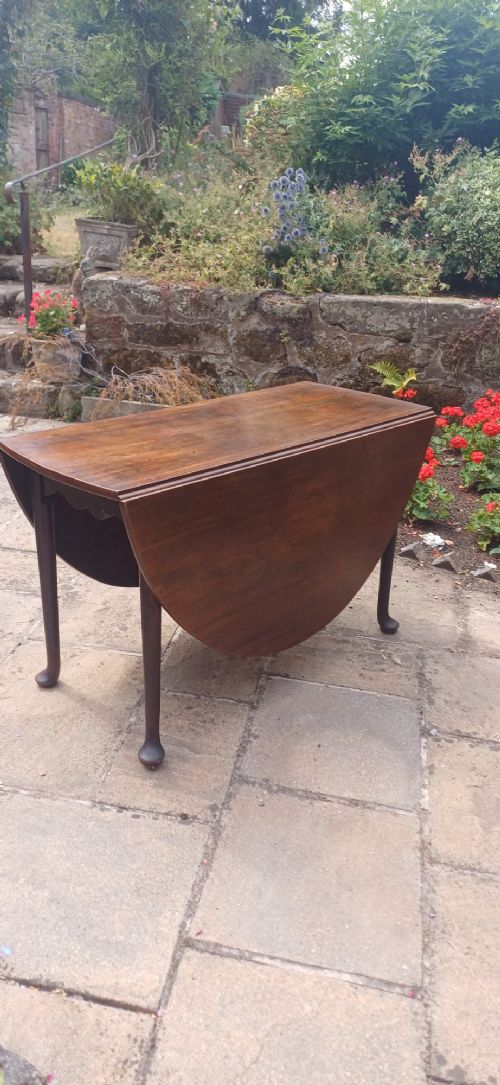
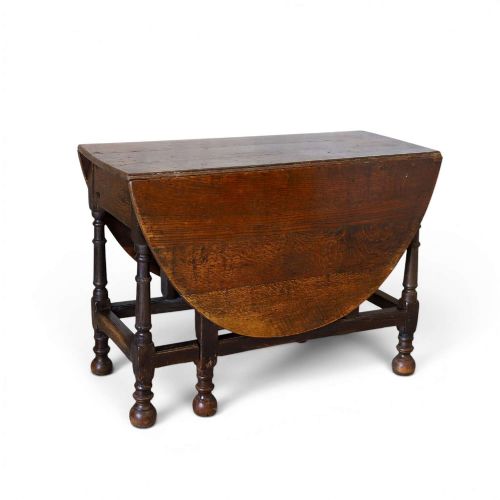
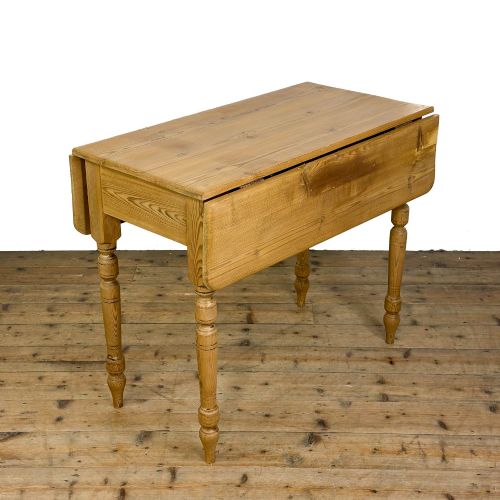
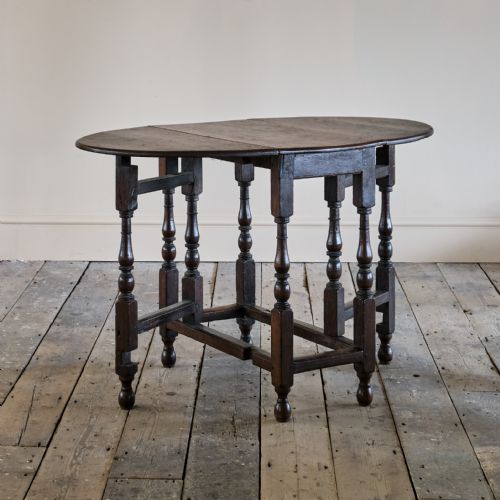
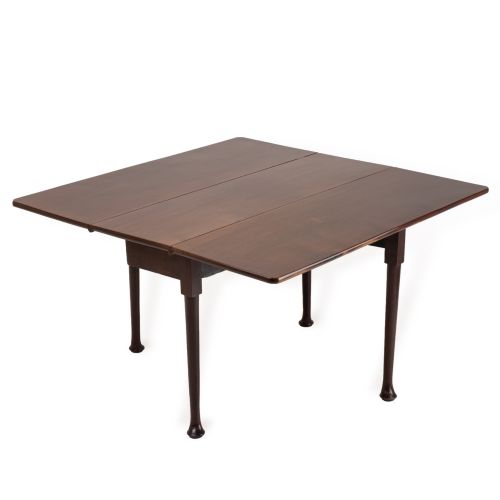
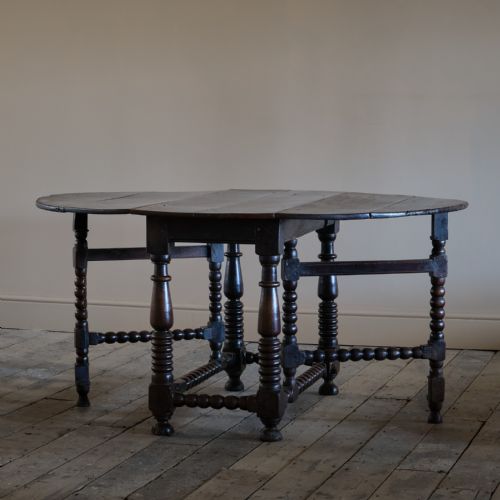
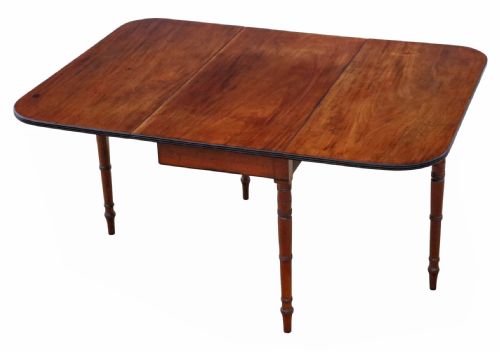
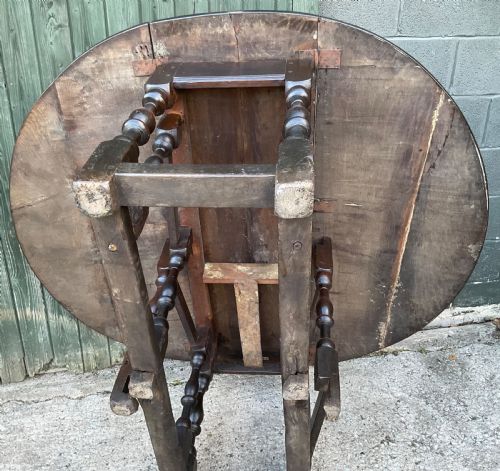
A traditional gateleg table provides a versatile surface with hinged flaps that drop down at the sides, supported by swinging legs that pull out like gates. These pieces serve primarily as dining tables, side tables, or occasional tables within domestic spaces.
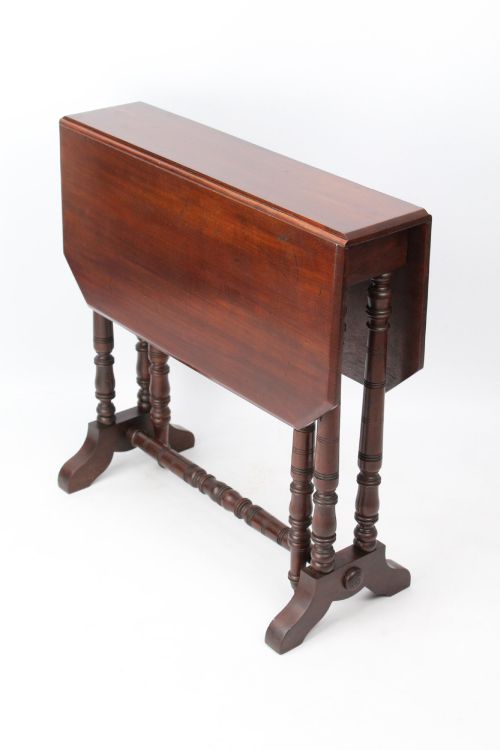
The versions most commonly met on this page span the seventeenth century through the twentieth century, with materials like oak and mahogany forming the foundation of the construction. Makers across the Georgian, Victorian, and Edwardian periods adapted these drop-leaf forms for everyday household use.
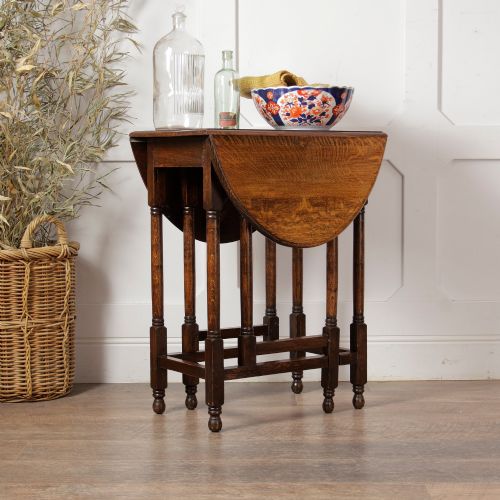
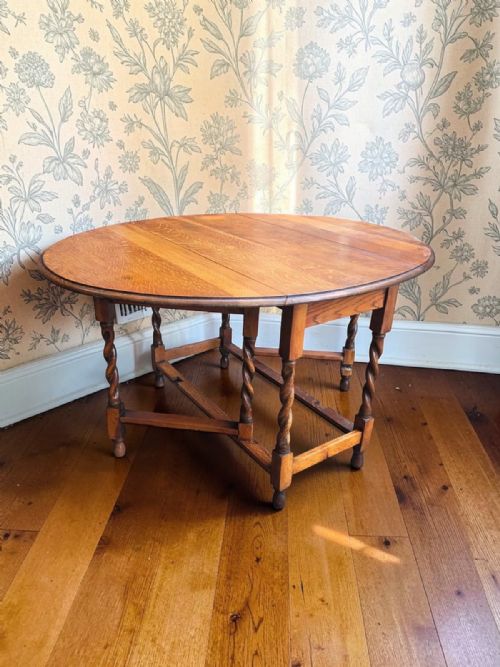
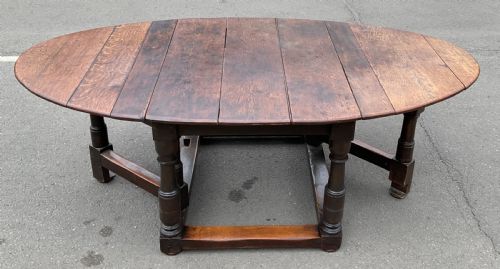
Examples range from compact honey oak side tables to large six-seater dining tables designed for substantial rooms. Common stylistic revivals, such as Jacobean and Edwardian interpretations, appear frequently alongside genuine period pieces from the seventeenth and eighteenth centuries.
What varies in quality
The distinction between ordinary and superior examples lies in the selection of the timber and the crispness of the hand-turned legs. Tables utilising dense, figured walnut or quarter-sawn oak exhibit superior structural integrity and grain pattern depth.
Hardware choice and joinery precision also separate fine pieces from standard ones, notably in the retention of original brass or iron hinges and the smoothness of the pivoting action on the gate-legs.
Some seventeenth-century dining tables required sturdy gate-legs simply to survive hearty suppers and rowdy household gatherings.
The Traditional Gateleg Table Glossary
- Gateleg table
- A table with hinged leaves supported by one or more legs that swing out like a gate. This design allows the surface area to expand or contract according to domestic needs.
- Drop leaf table
- A table with a fixed central section and movable flaps on either side. These flaps drop down when not supported by legs or brackets.
- Barley twist
- A spiral turning technique carved into wooden table legs to resemble twisted rope. This decorative turning style appears frequently on seventeenth-century and revival pieces.
- Bobbin turned
- A style of leg shaping created on a lathe to produce a series of rounded, spool-like shapes stacked vertically. It provides sturdy support for seventeenth-century and Victorian pieces.
- Sutherland table
- A narrow drop-leaf table with exceptionally slim leaves and very slender gate-legs. These tables fold down into a compact footprint for small spaces.
Traditional Gateleg Table: Frequently Asked Questions
How do I use a gateleg table daily?
Keep both leaves dropped against the central top to use the piece as a side table or console against a wall.
Swing the supporting legs outward and lift the leaves to provide a full surface for dining or supper when guests arrive.
What rooms suit a traditional gateleg table?
Compact occasional or spider leg versions fit comfortably in narrow hallways, tight corners, or beside seating in a living room.
Larger oak and mahogany dining versions anchor a dining room or kitchen, providing ample seating for four to six people.
How do I tell seventeenth-century tables from later revivals?
Examine the timber grain, tool marks, and construction joints underneath the top for signs of hand-working rather than machine-cut precision.
Jacobean revival pieces from the twentieth century often replicate earlier bobbin turned and barley twist styles but utilise uniform factory finishes and modern hardware.
What is the difference between an oak and mahogany gateleg?
Oak examples tend to originate from earlier periods, displaying strong grain patterns and robust construction suited for rustic interiors.
Mahogany versions often date from the Georgian and Victorian eras, offering a smoother reddish-brown surface suited for more formal reception rooms.