
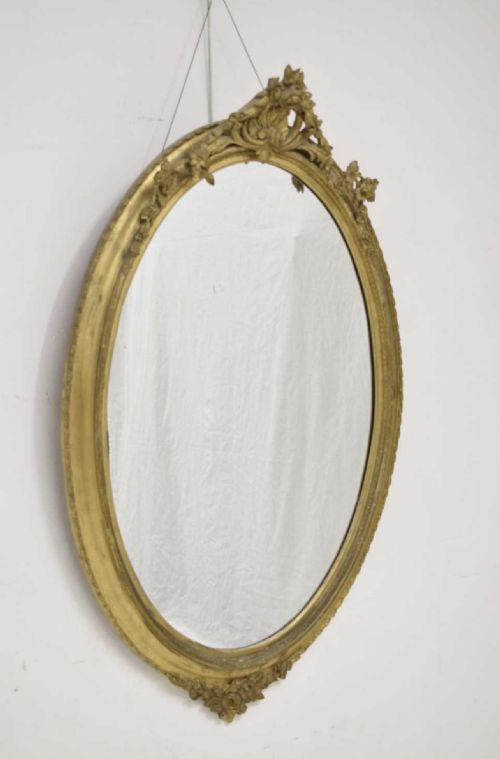
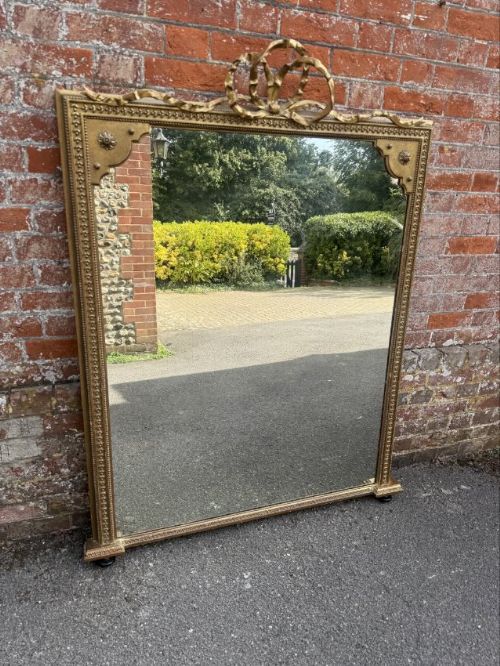
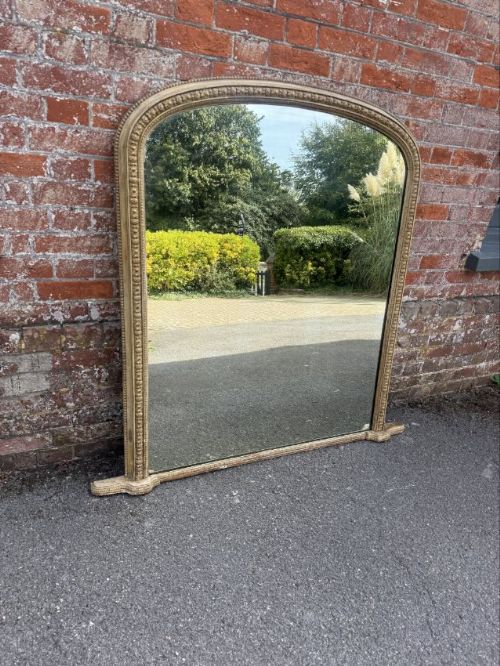
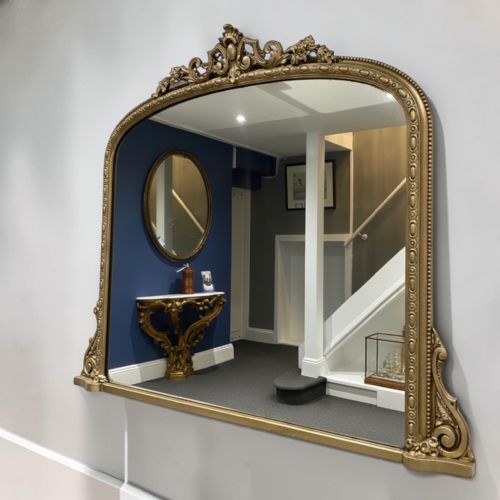

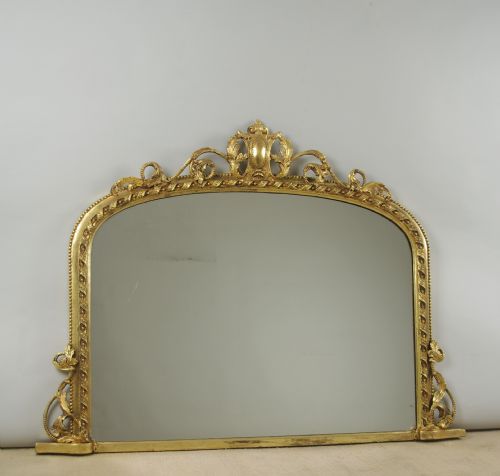

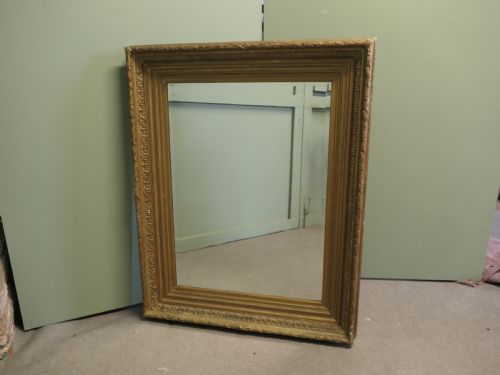
Traditional French Mirror
Traditional french mirror selections bring historic grandeur to a room, combining ornate carved timber frames with large reflective glass.
Traditional French Mirror
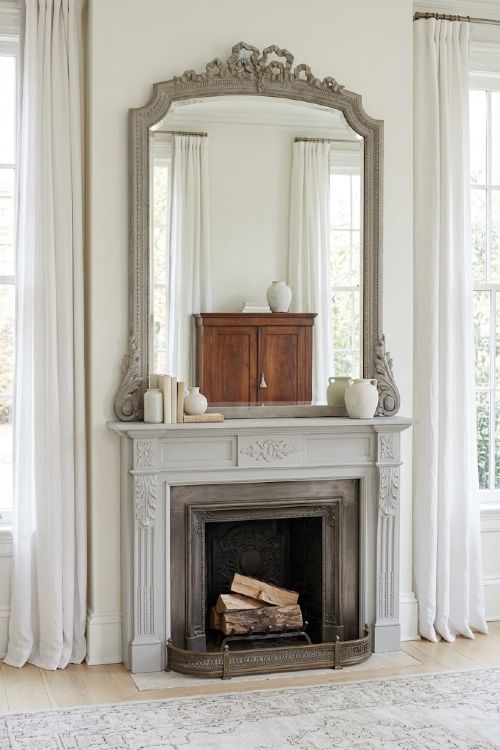
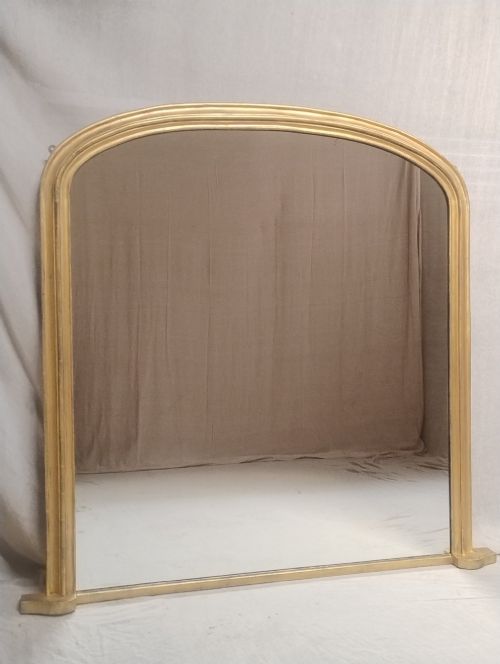
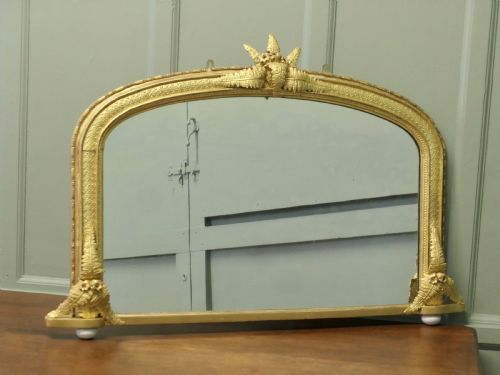
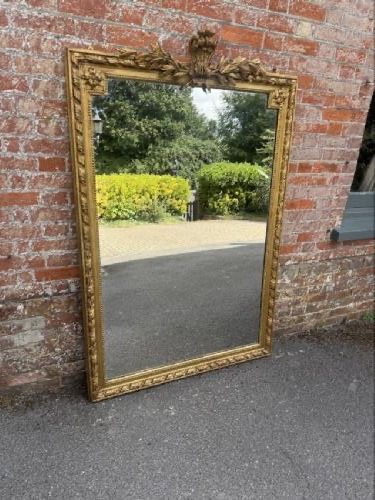
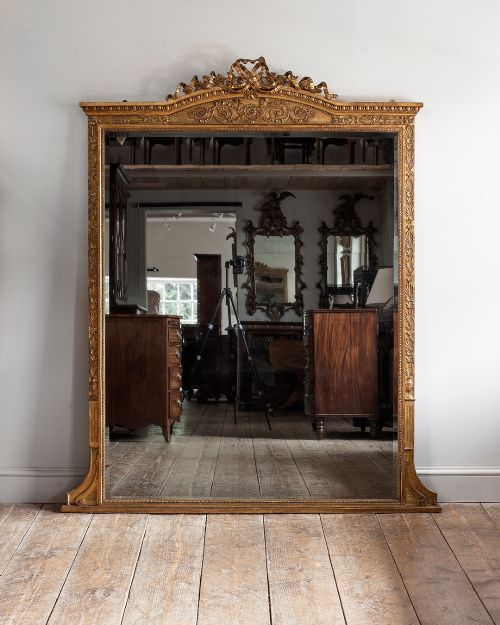
A traditional french mirror brings historic character to an interior, drawing on nineteenth-century design vocabulary. These pieces most commonly appear as large overmantel mirrors or wall-hung rectangular and arched formats.
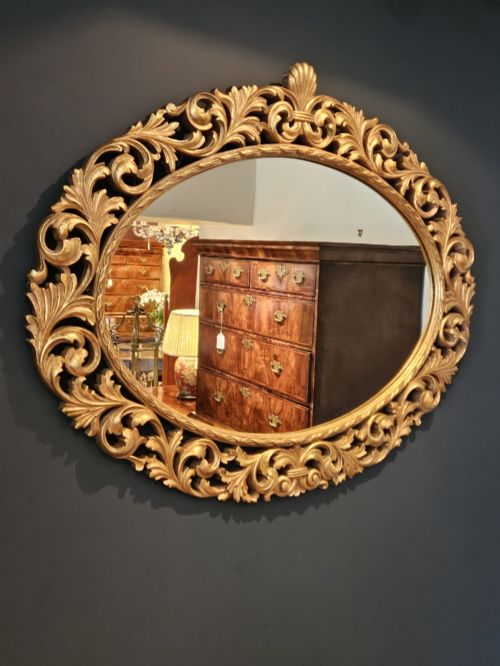
The selections span stylistic revivals including rococo and baroque forms, alongside provincial interpretations. Makers utilised carved timber and decorative plaster moulding to achieve elaborate arched and shaped tops.
How traditional french mirror pieces were made
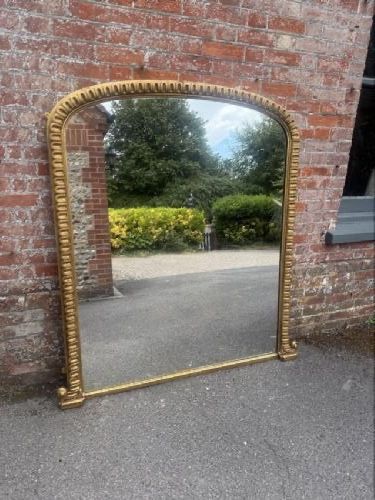
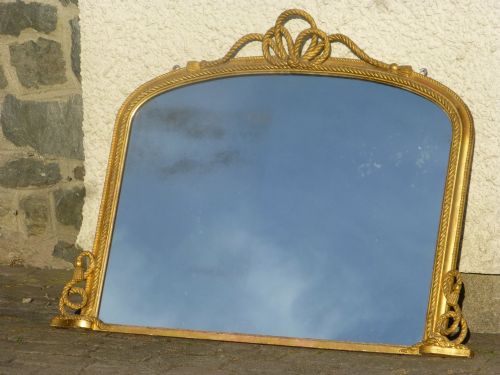
Frames rely on carved wood foundations, frequently enhanced with applied gesso to build up intricate surface ornament and rope twist details. Artisans then applied gold leaf or gilding to finish the woodwork.
Mirrors utilise heavy glass panels set within these robust timber constructions. Surviving pieces often retain original glass alongside aged gilt surfaces showing natural patination from past centuries.
Listings demonstrate nineteenth-century production dates, spanning Victorian, 1860, 1870, 1880, 1900, 1920, and 1930 periods.
What varies in quality in traditional french mirror pieces
Quality rests upon the depth and crispness of the hand-carved wood and gesso ornamentation. Superior examples display sharp relief work on architectural crests and floral motifs without heavy restoration hiding the original ground.
The integrity of the gilding and the preservation of the mirror glass establish the visual hierarchy. Examples retaining original gold leaf and authentic silvered plates command greater appreciation among collectors.
The Traditional French Mirror Glossary
- Gesso
- A plaster-like mixture applied to wooden frames to provide a smooth base for gilding. Artisans carved intricate details directly into this hardened material.
- Giltwood
- Timber that has been coated with gold leaf or a gold-coloured metallic finish. This technique defines the opulent appearance of nineteenth-century frames.
- Overmantel mirror
- A large mirror specifically designed to hang above a fireplace mantelpiece. These pieces frequently feature arched or shaped tops to fit architectural proportions.
- Rococo
- An ornate design style marked by asymmetry, scrollwork, and naturalistic plant motifs. It heavily influenced nineteenth-century mirror frame decoration.
- Rope twist
- A carved decorative moulding resembling twisted cord. This motif appears frequently around the inner or outer borders of nineteenth-century frames.
Traditional French Mirror: Frequently Asked Questions
Where should a traditional french mirror be hung?
These mirrors work effectively above a drawing-room fireplace or mounted low on a principal wall to reflect light. Their scale allows them to anchor a room as a focal point.
Ensure the wall construction supports the substantial weight of carved timber and glass frames before hanging.
How do I date a traditional french mirror?
Dating relies on examining the construction methods of the wooden frame, the composition of the gesso, and the backing boards. Nineteenth-century examples often display hand-carved details combined with moulded gesso ornaments.
Original glass plates frequently exhibit subtle distortions, foxing, or edge wear characteristic of historic manufacturing techniques.
What is the difference between an overmantel and a wall mirror?
Overmantel mirrors are traditionally proportioned to sit horizontally or vertically above a fireplace opening, often featuring arched or shaped architectural crests. Wall mirrors are designed for general room placement.
Both formats utilise similar carved giltwood and gesso techniques depending on the nineteenth-century style.
How do I clean a historic gilt frame?
Historic giltwood and gesso surfaces require delicate maintenance using a soft, dry brush to remove dust. Moisture should be avoided to protect the underlying gold leaf and plaster.
Harsh commercial cleaning products will strip the original gilding and diminish the authentic patina built up over generations.