



Large Brass Wall Mirror
A large brass wall mirror brings depth and warmth to a room, catching the light in a way smaller glass simply cannot manage.
Large Brass Wall Mirror
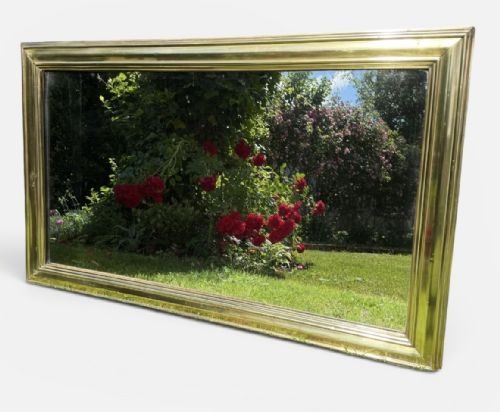
A large brass wall mirror acts as a commanding focal point in a room, drawing the eye with its substantial proportions and metallic sheen. When you search for a large brass wall mirror, you encounter pieces that range from utilitarian bistro designs to decorative overmantels and arts and crafts creations. These items serve both a practical function and a strong decorative role in domestic interiors.
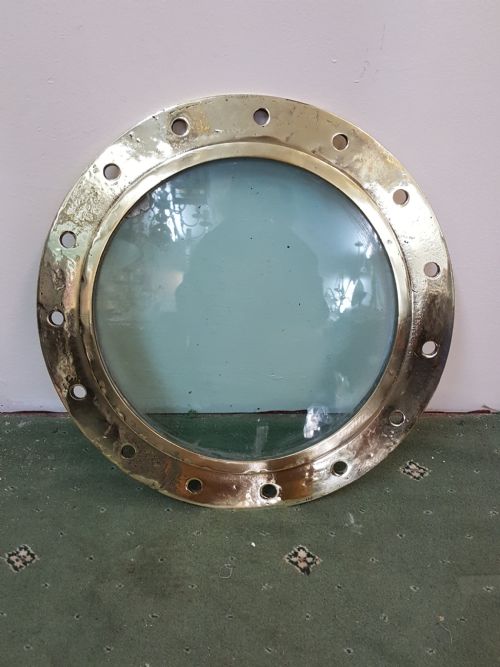
The pieces seen here stretch across the nineteenth and early twentieth centuries, drawing on Victorian, Art Deco, Arts and Crafts, and French bistro traditions. Formats vary from simple ovals and rectangular overmantels to complex architectural salvage items like ocean liner portholes and mirrored portmanteaus. Each style reflects the distinct tastes of its period, from robust industrial practicality to ornate decorative expression.
Construction and Materials
Makers built these frames using heavy sheet or cast brass, frequently mounted over timber backings or wood cores to provide structural stability. Giltwood, ebonised timber, and leather also appear alongside the metal, often combined to create contrast and texture around the central glass plate.
Mirror glass plates from the nineteenth and early twentieth centuries show characteristic depth and subtle surface variations resulting from older silvering techniques. Frames utilise structural joints appropriate to their period, such as pegged timber frames or riveted and screwed brass construction for industrial and bistro pieces.
The selection includes specialised forms like French bistro mirrors, arts and crafts wall hangings, and ocean liner portholes.
Assessing Quality
Quality in these mirrors rests primarily on the weight and gauge of the brass used in the frame, along with the crispness of any chased or repoussé detailing. Thicker metal and hand-worked decorative elements indicate a higher standard of manufacture than thin, pressed sheet metal.
The integrity of the mirror plate itself influences value, with original glass retaining its historic character and slight imperfections. Well-preserved backing timbers and secure original fixings further distinguish superior examples from heavily altered or restored pieces.
The Large Brass Wall Mirror Glossary
- Overmantel mirror
- A large mirror designed to hang specifically above a fireplace mantelpiece. These pieces often feature horizontal proportions to span the width of the hearth.
- Bistro mirror
- A robust, utilitarian mirror typically produced for French hospitality settings during the nineteenth century. They usually feature simple brass frames designed to withstand busy commercial environments.
- Arts and Crafts
- A design movement prioritising traditional craftsmanship, visible construction, and simple forms. Mirrors from this tradition often display hand-beaten brasswork and honest joinery.
- Girandole
- A decorative wall mirror featuring attached candle sconces or branch holders. The brass or bronze arms reflect the candlelight to brighten the surrounding space.
- Portmanteau
- A multi-functional hallway furnishing combining a mirror with coat hooks, hat racks, and umbrella stands. These large pieces organise entrance halls while adding architectural presence.
Large Brass Wall Mirror: Frequently Asked Questions
Where should I hang a large brass wall mirror?
These mirrors suit principal reception rooms, hallways, and dining spaces where their size can balance other large furniture items. Hanging them opposite a window maximises the amount of natural light reflected into the room.
Ensure the wall construction and fixings can support the considerable weight of timber and metal frames before installation. Positioning the centre of the glass at eye level generally achieves the best visual balance.
How do I clean an antique brass frame?
Dust the brass gently with a dry, soft cloth to remove surface particles without disturbing the historic finish. Avoid aggressive commercial metal polishes that strip away the aged patina accumulated over decades.
If cleaning glass, apply a mild glass cleaner to a cloth rather than spraying directly onto the surface. This prevents liquid from seeping behind the plate and damaging the original mirror backing.
What is the difference between a bistro mirror and an overmantel mirror?
Bistro mirrors originate from commercial French cafes and pubs, featuring straightforward brass frames built for durability. They work well in kitchens, hallways, and dining areas where a simpler aesthetic is desired.
Overmantel mirrors are traditionally larger and more decorative, intended to sit prominently above a fireplace. Their proportions and detailing reflect formal interior decoration rather than commercial utility.
How can I tell if a mirror plate is original?
Original nineteenth-century glass often exhibits subtle foxing, tiny dark spots, and slight distortions in the reflection caused by older manufacturing methods. Modern replacement glass appears completely uniform and lacks this historic depth.
Inspect the edges of the glass and the back of the frame to see how the plate is secured. Traditional glazing points, old putty, and aged backing boards suggest the glass has remained undisturbed.