


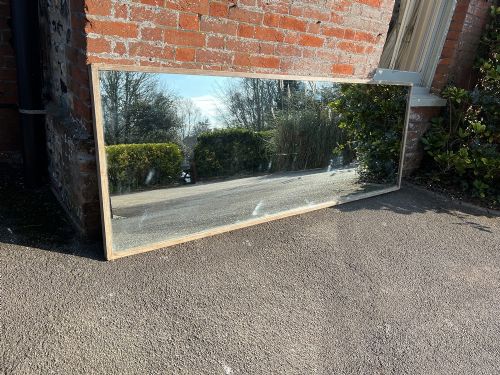
19th Century Bistro Mirror
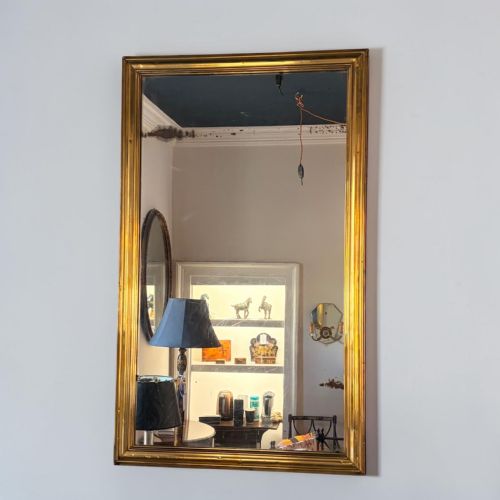
A 19th century bistro mirror brings reflective depth and French provincial character into a room.
19th Century Bistro Mirror
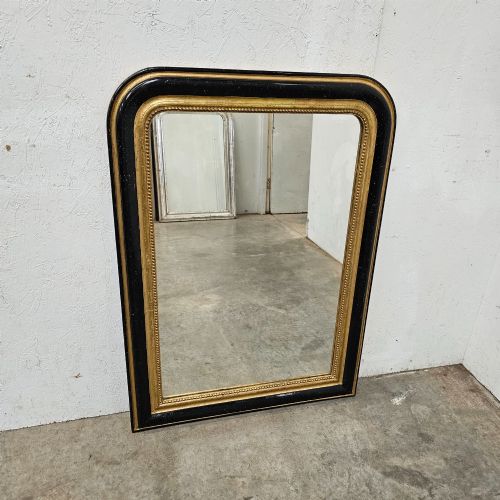
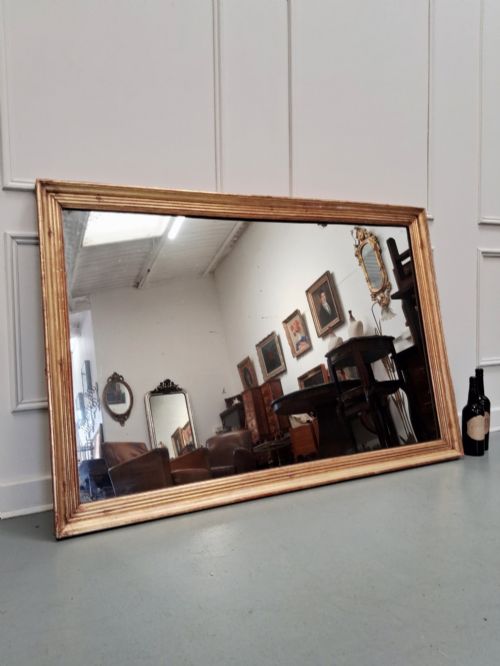
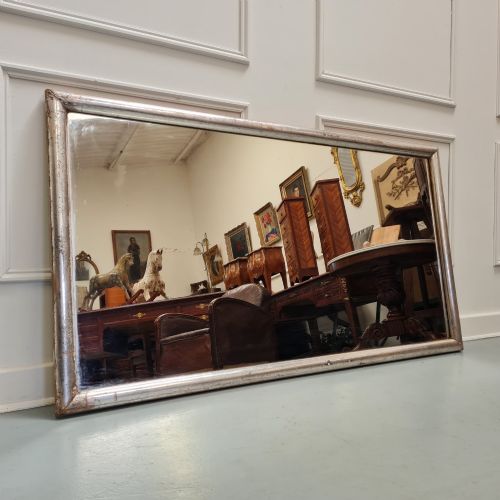
When you search for a 19th century bistro mirror, you encounter wall-hanging looking glasses rooted in French interior traditions. The most common forms on this page span the Louis Philippe style and plain rectangular formats.
These mirrors originate predominantly from French sources, reflecting the aesthetic of provincial chateaux and public houses. Workshops built them in substantial sizes to bounce natural light around bustling rooms.
Makers designed these objects as functional wall mirrors and overmantels. Their presence anchors a room through generous proportions and simple framing.
Materials and Construction
Carpenters shaped the primary structure from timber, applying gesso layers to build up crisp decorative mouldings. Craftsmen then finished the surfaces with paint, gold leaf, or silver leaf.
Makers applied gilding and silvering directly onto the prepared wood and gesso frames. Glaziers set heavy glass plates into the rebated frames to complete each mirror.
These mirrors spent decades watching French diners order wine before finally retiring to quiet domestic walls.
Markers of Distinction
The sophistication of the carved wood and gesso ornamentation dictates the calibre of the piece. Crisp detailing on moulded frames separates ordinary examples from finer works.
Original surface treatments, such as untouched paint or genuine period gilding, elevate the standing of a mirror. The depth and clarity of the original glass plate further define the upper tier.
The 19th Century Bistro Mirror Glossary
- Gesso
- A plaster-like mixture applied to wooden frames as a base for paint or gilding. Artisans built up this compound to carve intricate decorative details.
- Louis Philippe
- A mid-19th century French design style characterised by understated elegance and gently rounded top corners. This aesthetic dominated domestic furnishings of the era.
- Overmantel
- A large mirror designed to hang directly above a fireplace mantelpiece. These pieces visually expand the hearth area.
- Giltwood
- Timber coated with gold leaf or gold paint. The reflective metallic finish catches ambient interior light.
- Pier Mirror
- A tall looking glass designed specifically to hang on the wall space between two windows. These mirrors maximise available natural illumination.
19th Century Bistro Mirror: Frequently Asked Questions
Where should I hang a bistro mirror?
These mirrors suit placement above a mantelpiece, sideboard, or console table where their substantial proportions can anchor the surrounding wall space.
Positioning them opposite a window allows the glass to maximise light distribution throughout the room.
How do I identify a Louis Philippe frame?
Louis Philippe frames typically feature signature rounded upper corners combined with a clean, unpretentious rectangular body.
This style avoids heavy ornamentation in favour of balanced proportions and subtle architectural moulding.
Were these mirrors actually used in bistros?
Makers constructed many of these large looking glasses for commercial French establishments, including cafes, bistros, and public rooms.
Their generous dimensions served the practical purpose of brightening dark dining spaces and entertaining areas.
What is the difference between gilt and silvered finishes?
Gilt finishes utilise gold leaf or gold paint to impart a warm, metallic brilliance to the timber and gesso frame.
Silvered finishes apply silver leaf to achieve a cooler, reflective sheen that often develops a characteristic aged patina.