
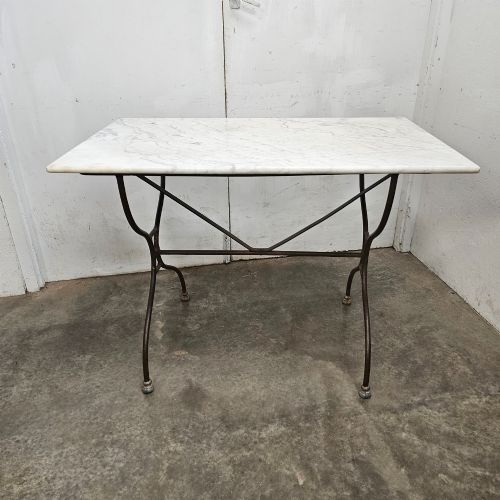
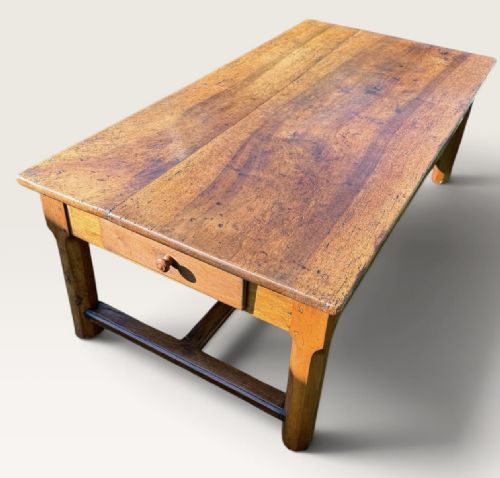
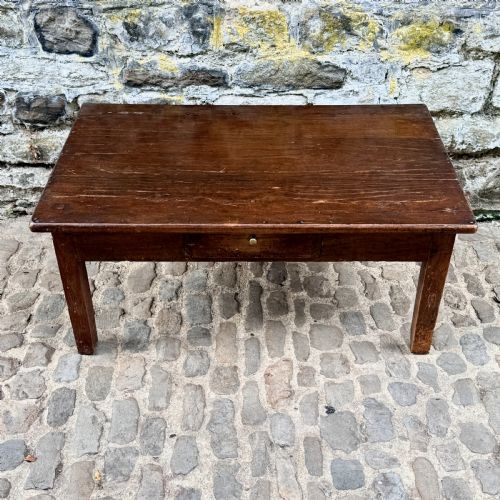
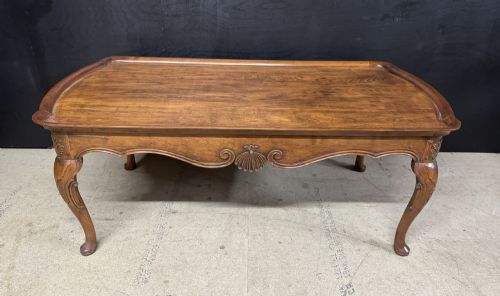





Traditional French Coffee Table
A traditional french coffee table grounds a room with solid timbers and regional character, offering enduring utility for daily living.
Traditional French Coffee Table
A traditional french coffee table encompasses low timber tables and adapted vernacular forms shaped by regional cabinet makers across the nineteenth and early twentieth centuries. Buyers searching for a traditional french coffee table will encounter sturdy oak, walnut, and fruitwood pieces that often originate from provincial farmhouses and country kitchens.
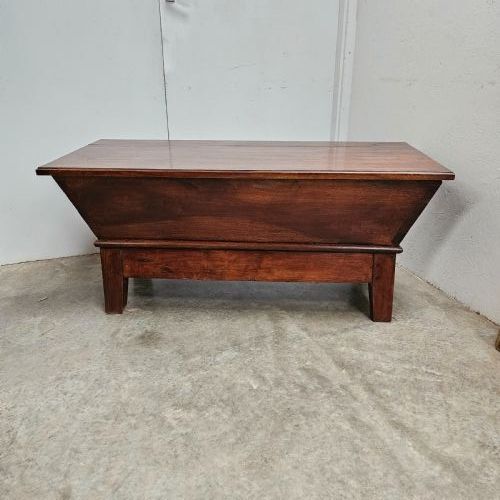
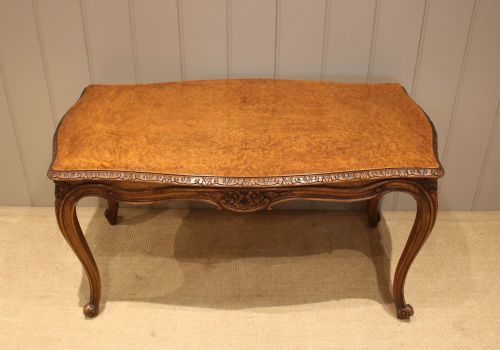
The selection ranges from low tables raised on turned legs to repurposed dough bins, coffers, and rustic farmhouse dining tables lowered for modern use. Walnut and burr walnut examples sit alongside chestnut, cherrywood, and elm variants, reflecting the local timber available to provincial workshops.
Stylistic influences span rustic country and French provincial designs, occasionally touching upon Queen Anne revival and French rococo revival details. Nesting tables with parquetry inlay also appear, showing the diversity of low table forms found within this tradition.
Materials and construction methods
These tables are constructed from solid hardwoods including walnut, oak, burr walnut, fruitwood, chestnut, cherrywood, and elm. Carpenters utilised local timber for its durability, often selecting burr walnut for decorative grain patterns or cherrywood for its warm tone.
Construction relies on traditional joinery methods suited to heavy everyday use in provincial settings. Turned legs, fitted drawers, and pegged joints appear frequently across the pieces, alongside parquetry inlay on more decorative tables.
Some tables began life kneading dough before retiring to the sitting room.
Assessing quality in traditional French tables
Quality rests upon the choice of timber and the character of the grain, particularly in burr walnut and figured fruitwood examples. Superior pieces display thoughtful proportions and harmonious integration of turned legs or fitted drawers.
The integrity of the original wood surfaces and the honesty of the conversion from larger farmhouse or kitchen tables dictate the standing of a piece. Finer examples retain their structural patina without excessive intervention, showing the natural marks of provincial use.
The Traditional French Coffee Table Glossary
- Fruitwood
- Timber sourced from fruit-bearing trees such as cherry, pear, or apple, prized by provincial cabinet makers for its fine grain and warm colour.
- Dough bin
- A traditional wooden chest with a sloped or flat lid once used for proving bread dough, frequently adapted into low table forms.
- Burr walnut
- A prized timber cut from the abnormal growths on walnut trees, characterised by swirling, intricate grain patterns that provide a decorative surface.
- Parquetry
- A geometric mosaic of wood pieces used for decorative inlay on tabletops, creating patterns through contrasting timbers.
- Turned legs
- Support columns shaped on a lathe to create cylindrical, bulbous, or tapered profiles, commonly seen on provincial tables.
Traditional French Coffee Table: Frequently Asked Questions
How were these tables used originally?
Many pieces began as working furniture in provincial kitchens and farmhouses, including low tables, dining tables, and dough bins used for preparing bread. Over time, taller tables were lowered, and lidded coffers found new purpose as coffee tables.
Their robust construction was intended to withstand heavy daily domestic labour rather than serve as polite drawing room furniture.
What timbers should I look for?
The listings show a prevalence of walnut, oak, burr walnut, fruitwood, chestnut, cherrywood, and elm. Walnut and burr walnut offer rich grain and deeper colour, while fruitwoods and cherrywood provide softer, warmer tones.
Each timber reflects the local availability of wood in the specific French region where the piece was made.
How do I date a traditional French low table?
Dating relies on examining the timber species, construction techniques, tool marks, and stylistic clues such as turned legs or parquetry inlay. Pieces span the nineteenth century up to the 1930s, capturing shifts from utilitarian country craftsmanship to more decorative revival styles.
Changes in hardware, joinery, and the degree of wear help place a piece within this broad timeline.
How do I care for antique French wood?
Maintain the wood by keeping it away from direct heat sources and extreme humidity fluctuations that can cause timber to split. Regular dusting with a soft cloth and occasional application of natural wax preserves the aged surface patina.
Avoid harsh modern chemical cleaners, allowing the historic finish to age gracefully over time.