



Traditional French Bracket Clock
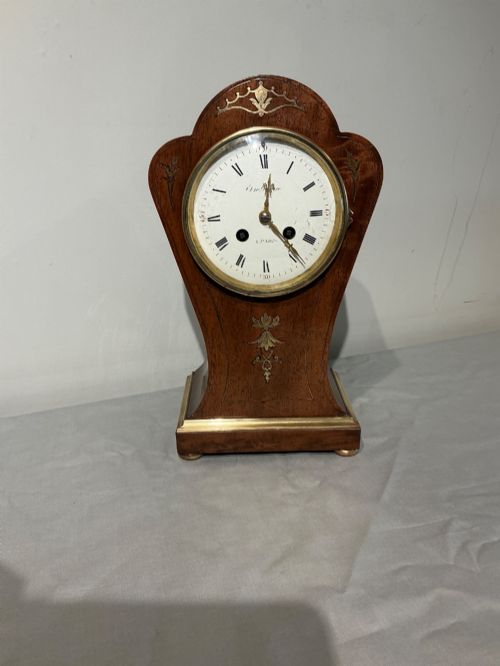
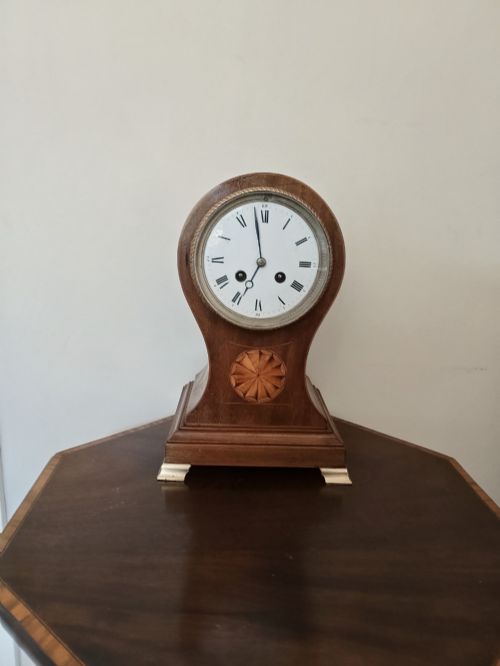
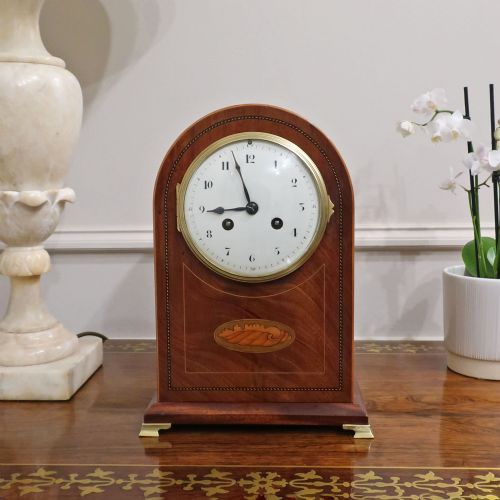
A traditional french bracket clock brings architectural presence and precision engineering into a room, favoured for its ornate mahogany and gilt brass execution.

Traditional French Bracket Clock
When you search for a traditional french bracket clock, you encounter timepieces spanning the Victorian and Edwardian eras, alongside pieces attributed to the Belle Epoque and Louis XIV Revival styles. These objects function primarily as mantel clocks or wall-mounted bracket clocks, often accompanied by matching stands.
The pieces on this page originate predominantly from the nineteenth century, including specific dates from 1860 up to 1900, with occasional mid-twentieth century revivals. Mahogany and wood form the structural carcass of these items, frequently enriched with brass, ormolu, and satinwood details.
Buyers are most likely to meet mahogany mantel clocks and classically styled bracket clocks with enamel dials and glass panels. The forms range from small balloon shapes to elaborate boule work and faux tortoiseshell surfaces.
How they were made
Maker workshops utilised solid timber carcases of mahogany and wood, which were then veneered or inlaid to create refined surfaces. Faux tortoiseshell finishes and intricate boule techniques applied decorative flair to the exterior shells.
Metalwork played a structural and ornamental role, employing brass, gilt brass, and ormolu for bezels, mounts, and pendulum assemblies. Enamel provided a smooth, legible ground for clock face numerals behind protective glass doors.
Traditional French Bracket Clock Retail Price Guide 2026
Typical asking prices for traditional french bracket clock among the pieces listed under this phrase on Sellingantiques today, from the lower quarter to the upper quarter. They describe what is for sale here now, not the wider market.
What varies in quality
The refinement of the movement and the crispness of the cast brass or ormolu mounts dictate the upper tier of quality. Heavy gilt brass work and detailed single chain fusee mechanisms distinguish finer examples from standard production pieces.
Cabinetwork precision, such as the tightness of mahogany inlay and the execution of boule marquetry, separates workshop pieces from ordinary domestic timepieces. Signed dials by recorded makers elevate the standing of an individual clock.
Payne London·Malecot of Paris
The Traditional French Bracket Clock Glossary
- Bracket clock
- A portable clock originally designed to sit upon a wall bracket, though later kept on mantelpieces or desks. These units often feature swinging handles and glazed side panels.
- Boule
- A method of marquetry using brass and tortoiseshell, or faux tortoiseshell, cut in contrasting patterns. This technique was popular in French Louis XIV and revival styles.
- Ormolu
- Gilded bronze mounted onto furniture and clock cases for decorative effect. The metal is cast and chased before receiving its gold finish.
- Fusee
- A conical pulley used in spring-driven clocks to maintain an even pull as the mainspring unwinds. This mechanism improves the timekeeping accuracy of the movement.
- Enamel
- A glassy substance fused to a metal dial face by firing, providing a white, glossy surface for painted numerals. It resists tarnishing over decades of use.
Traditional French Bracket Clock: Frequently Asked Questions
What is a french bracket clock?
A traditional french bracket clock is a decorative timekeeper housed in a wooden case, frequently made of mahogany with brass or ormolu mounts.
These objects originated as portable clocks designed to sit on wall brackets or furniture surfaces, reflecting French design revivals from Louis XIV to the Belle Epoque.
How do I identify a louis xiv style clock?
Louis XIV style clocks display prominent gilt brass mounts, symmetrical architectural forms, and often boule marquetry work.
They draw inspiration from seventeenth-century French court aesthetics, recreated during later nineteenth-century revival periods.
Where should I place my bracket clock?
These clocks suit sturdy mantelpieces, sideboards, or designated wall brackets where their glass panels and dials remain visible.
Keep them away from direct sunlight and damp environments to protect the wood veneer, brass mounts, and internal mechanical movements.
How do I date these clocks?
Dating relies on stylistic clues such as Belle Epoque or Victorian design markers, alongside material choices like mahogany and ormolu.
Inscribed maker signatures on the dial or movement provide precise chronological reference points.