



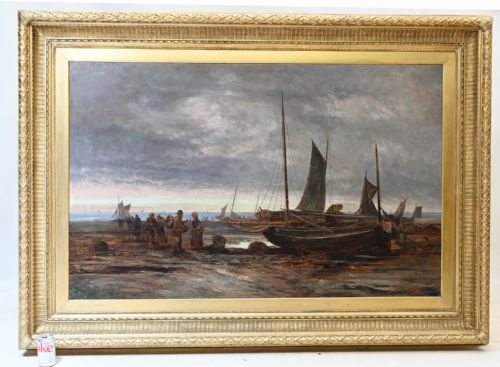
Traditional Framed Seascape Art
Traditional framed seascape art captures maritime life and coastal views on canvas and paper, offering buyers a window into historic waters.
Traditional Framed Seascape Art
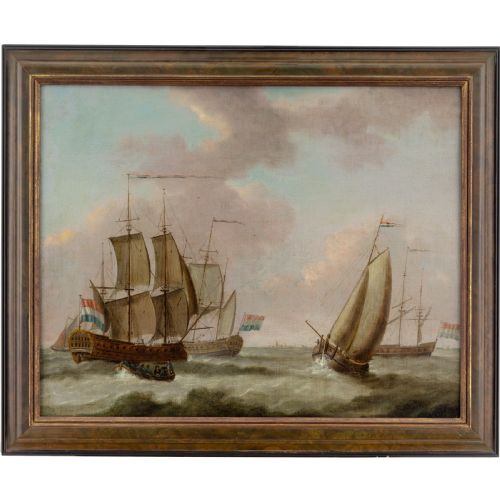
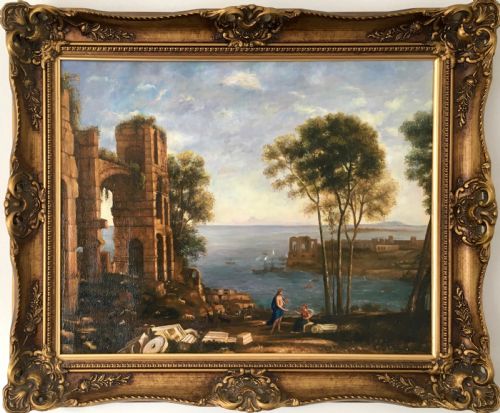
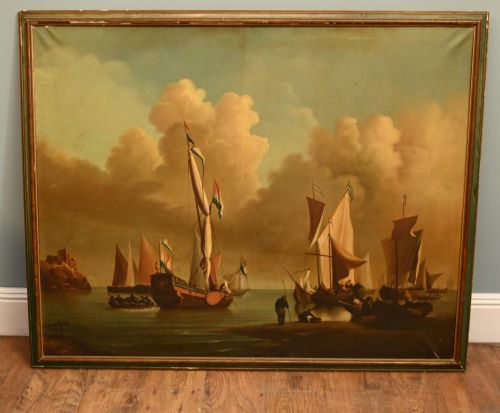
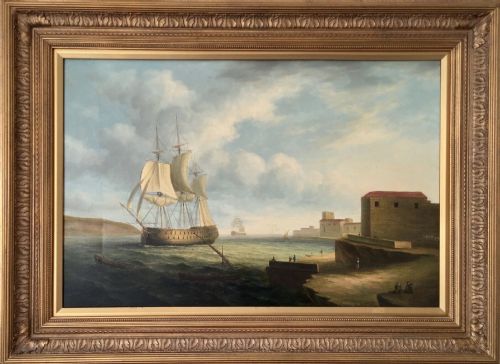
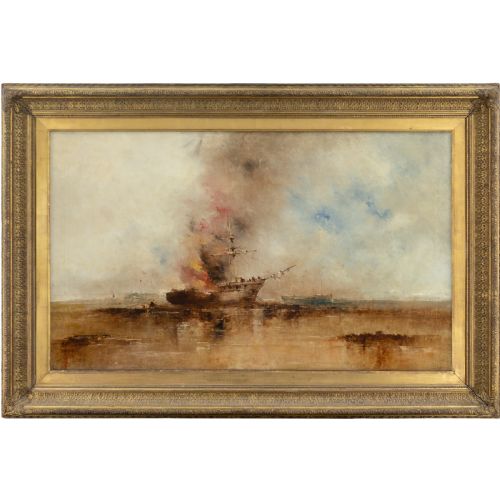
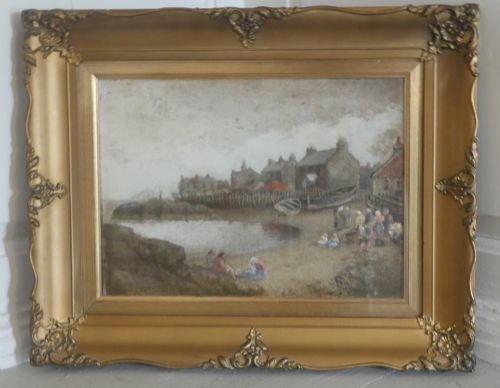
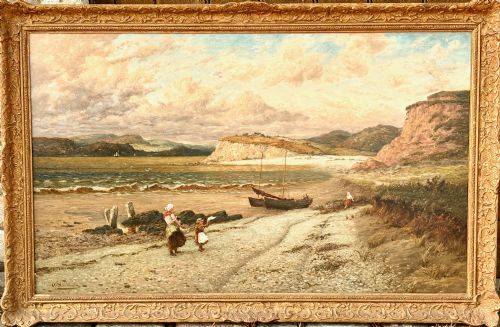
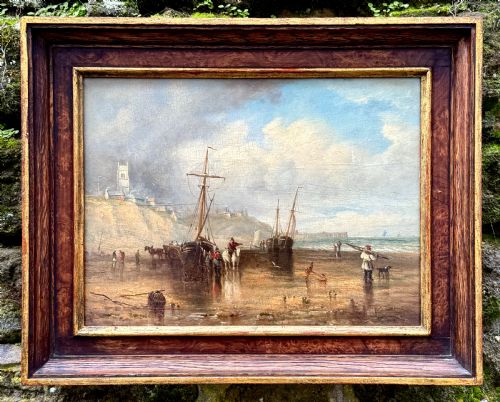
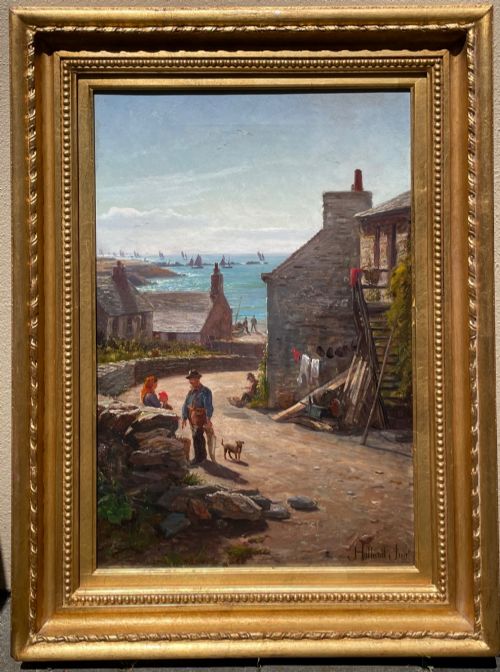
Traditional framed seascape art spans oil paintings, watercolours, and works on board or panel depicting harbours, shipwrecks, naval engagements, and quiet coastal inlets. These works frequently record specific British and international maritime locations, from Cornish fishing ports to Venetian canals.
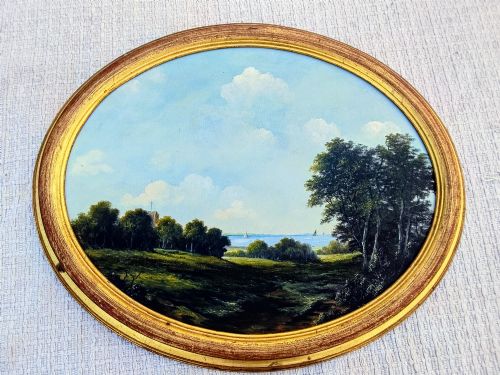
The pieces on this page originate from the Victorian period through to the mid-twentieth century, encompassing nineteenth-century maritime realism and British impressionism. Formats range from intimate oval sea views to large-scale gallery canvases.
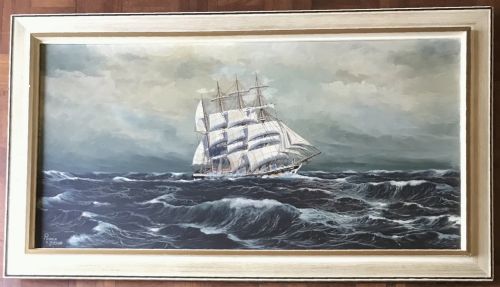
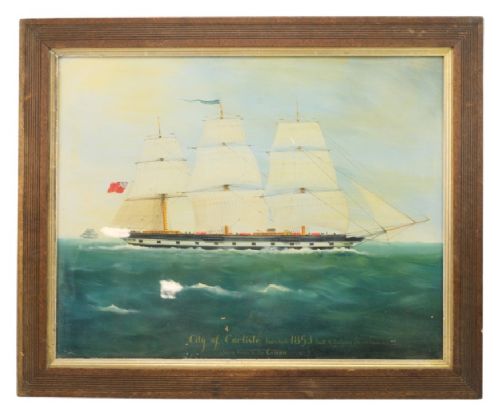
Subjects include named vessels such as warships and barques, lighthouses, and local merchant shipping navigating choppy seas or tranquil coastal waters. Each piece preserves a distinct record of historical maritime activity and coastal topography.
Materials and techniques
Painters utilised oil paint and watercolour applied to stretched canvas, wooden panel, paper, or board to capture the shifting light of the sea. Artists built up pigment to render transparent water and heavy storm clouds.
Works are typically presented in period frames constructed from wood, gilded wood, or ebonised timber. These surrounds complement the maritime subject matter and protect the edges of the canvas or paper.
Materials recorded across the inventory include oil on canvas, gilt wood, paper, and wooden panels.
Factors determining quality
Quality rests upon the artist's ability to handle light, water movement, and atmospheric perspective within the composition. Stronger works demonstrate precise draughtsmanship in the rigging of ships and the naturalistic rendering of waves.
The condition of the original paint surface and the harmony of the accompanying frame contribute significantly to the standing of a piece. Works retaining their original giltwood or ebonised surrounds offer a more complete historic object.
James Hardy·William McAlpine·Edward Mills·William Banks Fortescue·Thomas Creswick·John Holland·William Edward Webb·Stanley Leader·George Shaw·John McDougal·Hendrik Willebrord Jansen·John Bell·James Webb·John Douglas Perrett·Dion Pears·Jane Vivian·Alfred Henry Vickers·George Henry Knight·Thomas Rose Miles·Marie-Edouard Adam·John Callow·Ebeneezer Colls
The Traditional Framed Seascape Art Glossary
- Seascape
- A work of art depicting the sea, ships, or coastal views. These pieces focus primarily on marine subjects rather than land.
- Giltwood
- Wood carved and covered with a thin layer of gold leaf or gold paint. This material is common on Victorian and antique frames.
- Panel
- A flat piece of wood used as a rigid support for oil painting instead of canvas. Artists employed panels frequently for smaller cabinet-sized works.
- Watercolour
- A painting method where fine pigment is suspended in a water-based solution on paper. These works are sensitive to light and require protective glass framing.
Traditional Framed Seascape Art: Frequently Asked Questions
What periods do these artworks come from?
The collection spans the nineteenth century through the early twentieth century, with a strong representation of Victorian marine art and later works up to nineteen sixty.
Dates are established through stylistic evidence, signatures, and framing methods typical of those periods.
Are these paintings original works?
Every piece listed is an original painting, watercolour, or oil on canvas rather than a reproduction or print.
Artists painted directly onto canvas, board, or paper using traditional pigments.
How should I hang a framed seascape?
Hang these works away from direct sunlight and sources of heat to protect the oil paint, watercolour, and wooden frames.
Ensure the wall fixings are suitable for the weight of the heavier nineteenth-century giltwood frames.
What subjects appear most frequently?
Common subjects include harbour scenes, fishing boats in choppy seas, coastal landscapes, and historical sailing ships.
Locales range from British ports in Cornwall and the Isle of Man to Mediterranean and Venetian views.