





Blue Sea Watercolour Artwork
Blue sea watercolour artwork captures maritime history and coastal life through delicate washes on paper.
Blue Sea Watercolour Artwork
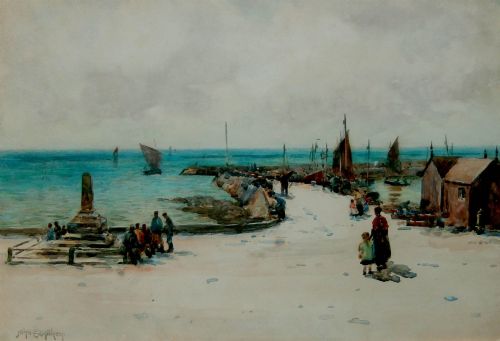
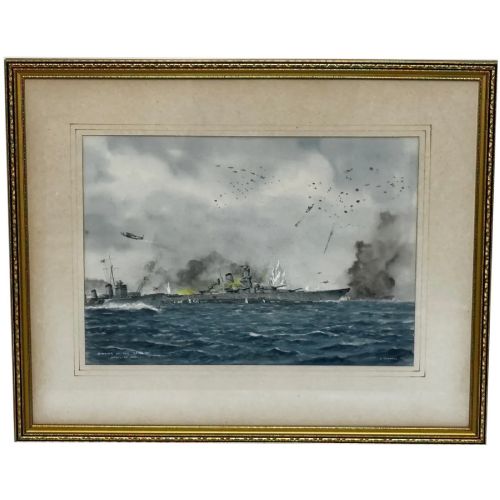
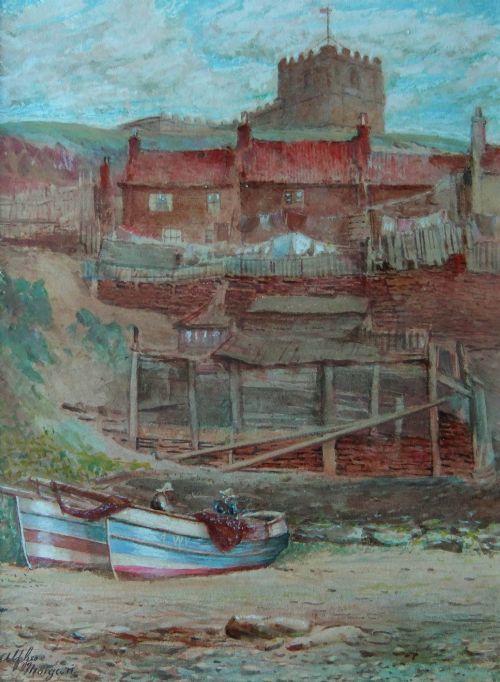
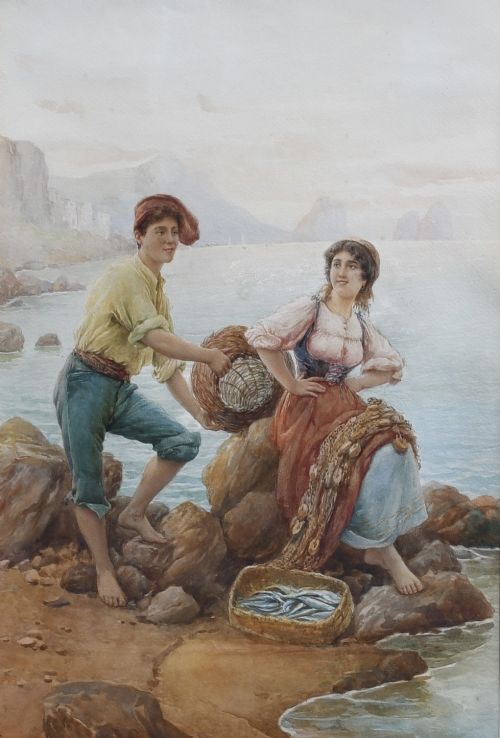
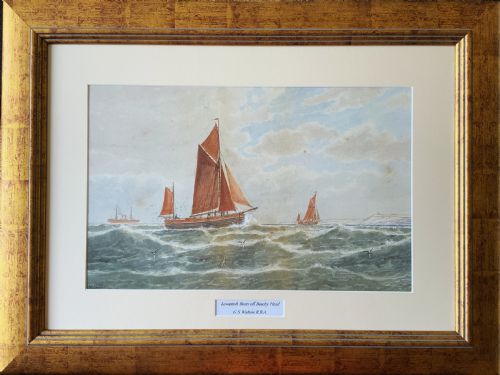
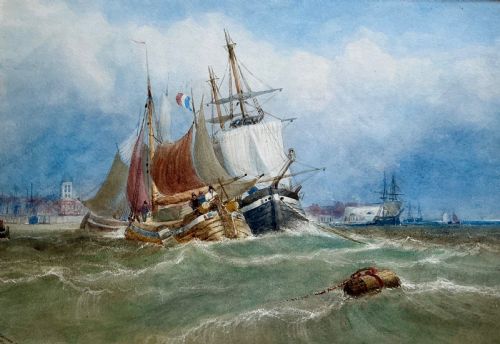
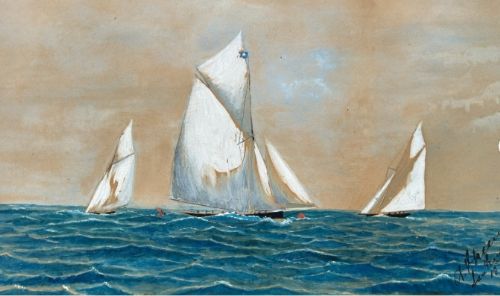
A blue sea watercolour artwork brings maritime history and coastal scenes directly into a room through delicate washes applied to paper. Pieces matching this description range widely in subject, capturing bustling fishing harbours, naval vessels, and quiet shores from the nineteenth century onwards. Buyers frequently encounter framed paintings that reflect regional British and international coastal traditions, spanning Victorian marine art to mid-century naval depictions.
The subjects on this page typically focus on working boats, lighthouses, and rolling waves observed along British and European shores. Artists recorded specific locations such as Whitby, St Ives, and Scarborough alongside distant naval encounters and solitary sailing craft. These works bridge documentary record and atmospheric landscape painting, often retaining the original paper and framing choices of their period.
Materials and Technique
Watercolour pigment and ink applied to paper form the foundation of these paintings, utilising the white of the ground to create luminosity in the sky and sea. Artists built up transparent washes alongside opaque highlights to render the shifting tones of water, foam, and coastal light. This technique required swift, confident brushwork to capture fleeting atmospheric conditions without the possibility of correction.
Presentation relied on period framing in wood and gilt wood, frequently protected by glass to shield the delicate pigments from moisture and light damage. Many works incorporate ink outlines or pencil underdrawings beneath the watercolour layers to define rigging, hull structures, and distant shorelines with precision.
Listings feature works created across the nineteenth and twentieth centuries, utilising watercolour pigment, paper, ink, and wood framing.
Quality and Execution
The distinction between standard works and exceptional examples rests upon the artist's command of light, movement, and atmospheric depth within the medium. Superior paintings convey the genuine weight of a ship in choppy seas and the specific quality of northern coastal light through assured, economic brushstrokes rather than laboured detail. Compositional balance and the accurate rendering of maritime architecture further separate accomplished studio pieces from simpler topographical records.
Condition and originality also govern the standing of individual pieces within this field. Works retaining their original paper integrity, stable pigments, and period frames hold greater visual cohesion and historical honesty than those compromised by heavy fading, foxing, or inappropriate later interventions.
James Orrock·Charles Edward Dixon·William Lee Hankey·George Stanfield Walters·Henry Barlow Carter
The Blue Sea Watercolour Artwork Glossary
- Watercolour
- A paint consisting of a pigment suspended in a water-soluble binder, traditionally applied to paper. It allows for translucent washes that let the reflective quality of the paper shine through.
- Seascape
- A work of art depicting the sea, coastal views, or marine vessels in motion. These scenes often focus on weather effects and the interaction between human craft and open water.
- Foxing
- Brown spots and discolouration that appear on old paper due to chemical reactions over time. It is a common occurrence in antique works kept in damp conditions.
- Gilt wood
- Wood coated with a thin layer of gold leaf or metallic paint, frequently used for traditional picture framing. This finish provides a warm, reflective border that complements marine paintings.
- Barque
- A sailing vessel with three or more masts, square-rigged on the fore and main masts and fore-and-aft rigged on the mizzen. This rig appeared frequently in nineteenth-century maritime art.
Blue Sea Watercolour Artwork: Frequently Asked Questions
What is a blue sea watercolour artwork?
These pieces are original paintings created with water-soluble pigments on paper, focusing on marine and coastal subjects. They depict harbours, sailing ships, and open seas from the nineteenth and twentieth centuries.
Buyers select these works to bring historic maritime scenes and atmospheric coastal views into domestic interiors. Each piece offers a direct visual record of traditional seafaring life and coastal geography.
How should I frame and hang these watercolours?
Watercolours require framing behind glass with acid-free mount board to separate the delicate paper surface from the glazing. This prevents condensation and protects the pigments from atmospheric pollutants.
Hang these paintings away from direct sunlight and damp environments to preserve the integrity of the paper and colours. Proper placement ensures the transparent washes remain vibrant for decades.
How can I tell different periods apart?
Nineteenth-century works often feature detailed rigging, dramatic choppy seas, and heavy gilt frames reflecting Victorian narrative tastes. Later twentieth-century examples frequently adopt a looser brush style and lighter framing influenced by modern British art.
Examining the paper type, signature style, and framing materials helps establish the likely decade of creation. Historical clothing or vessel types depicted within the scene also provide reliable dating clues.
Where were these marine scenes painted?
Artists painted these coastal views along active British fishing ports like Whitby, Scarborough, and St Ives, as well as international shores. Many works record specific harbours, naval engagements, and coastal landmarks known to contemporary mariners.
Painters travelled to these locations to capture working fleets, shipyards, and changing weather conditions firsthand. Their watercolours served both as artistic expressions and as documentary records of maritime trades.