






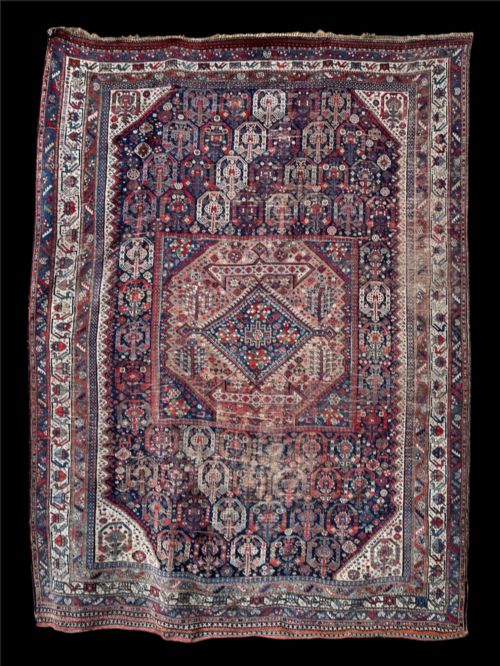
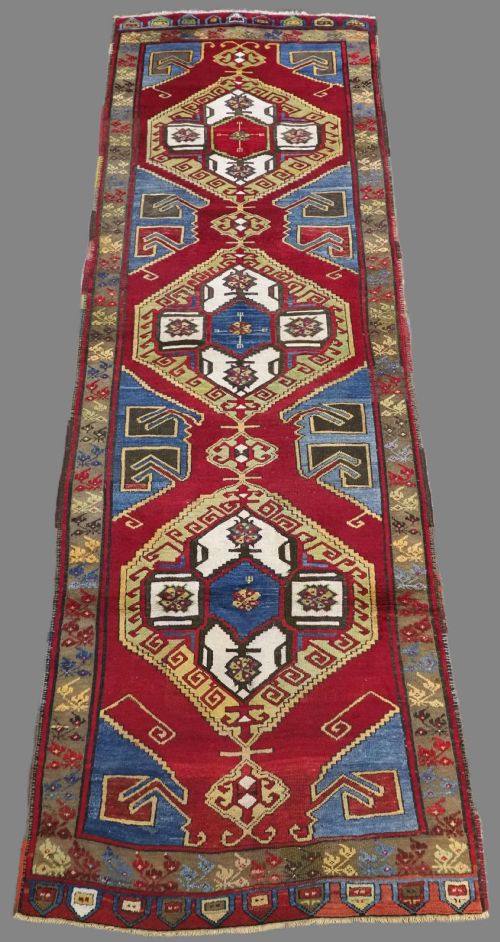
Traditional Floor Runner
A traditional floor runner brings warmth and pattern to long corridors, uniting rooms through historical craftsmanship and enduring utility.
Traditional Floor Runner
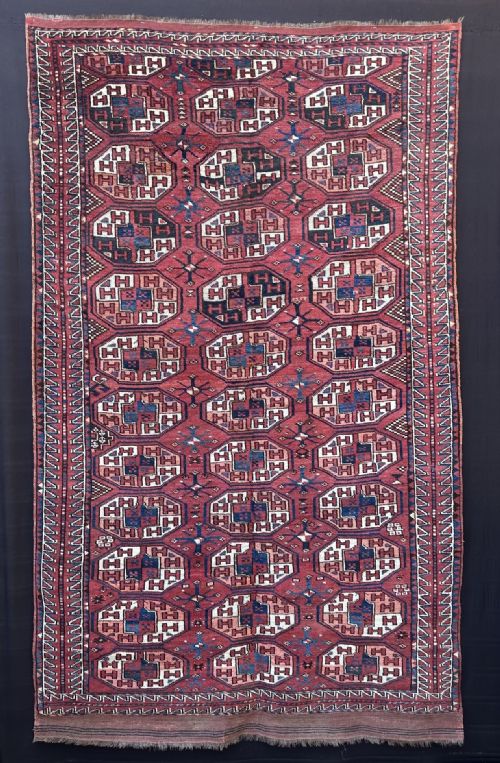
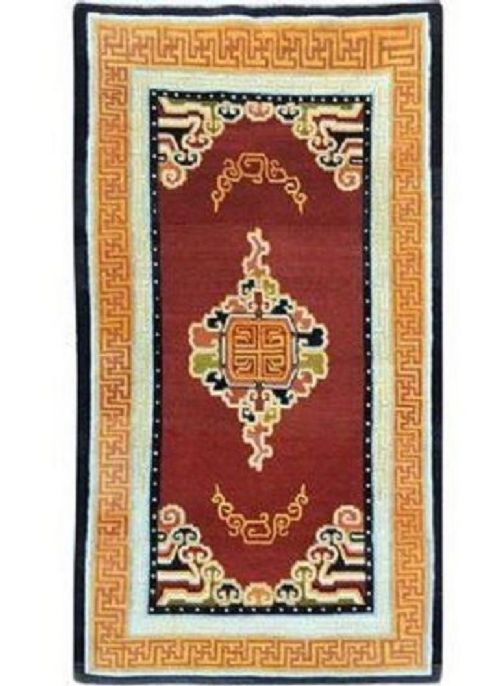
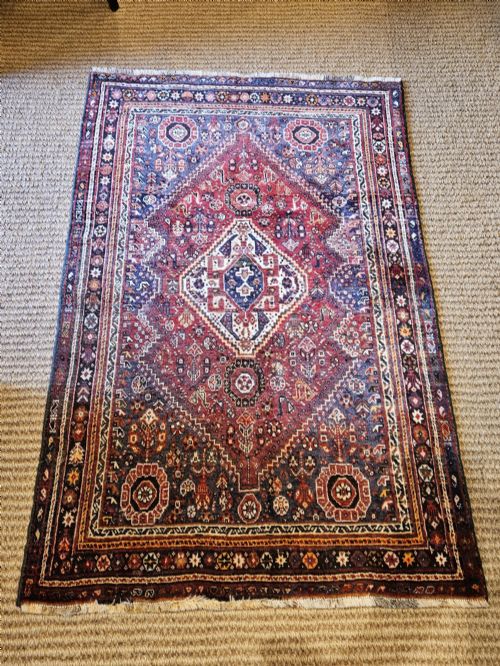
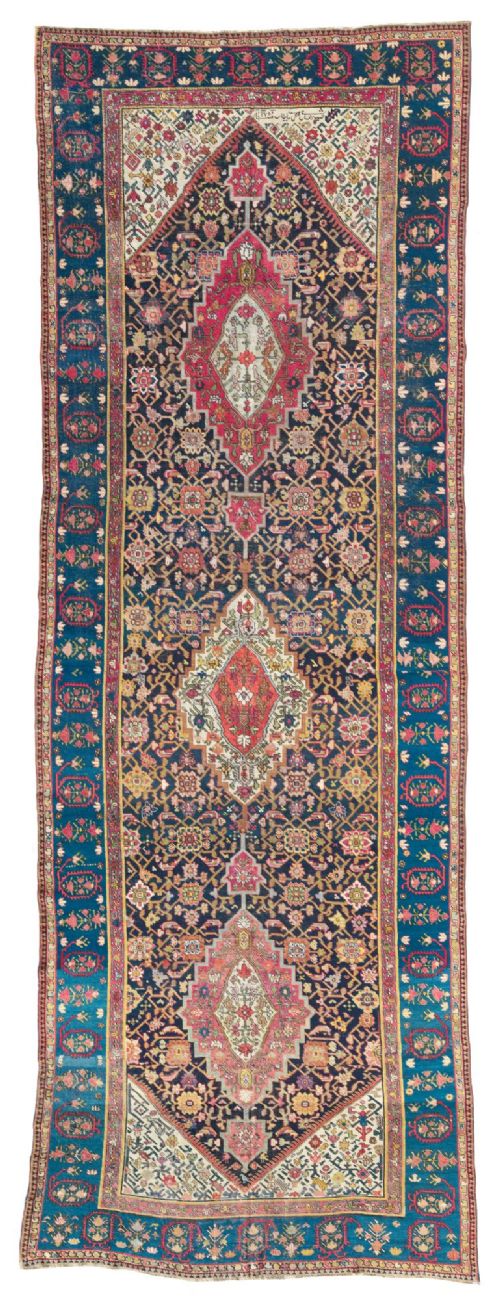
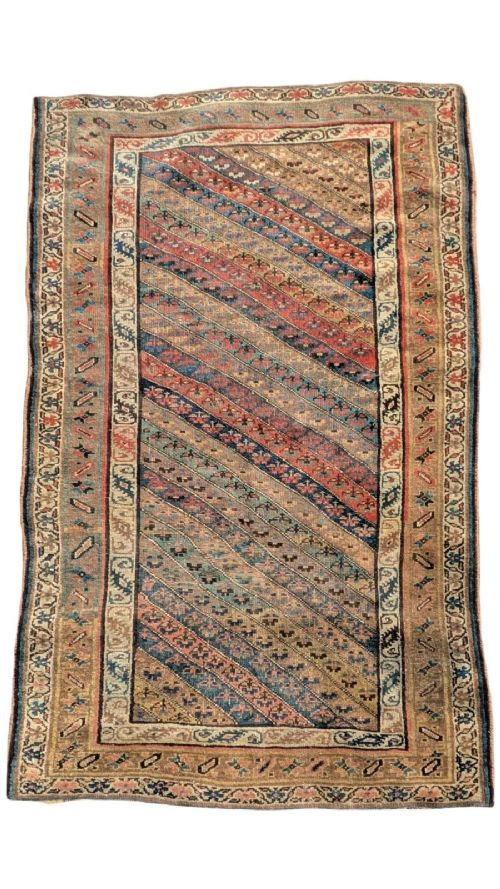
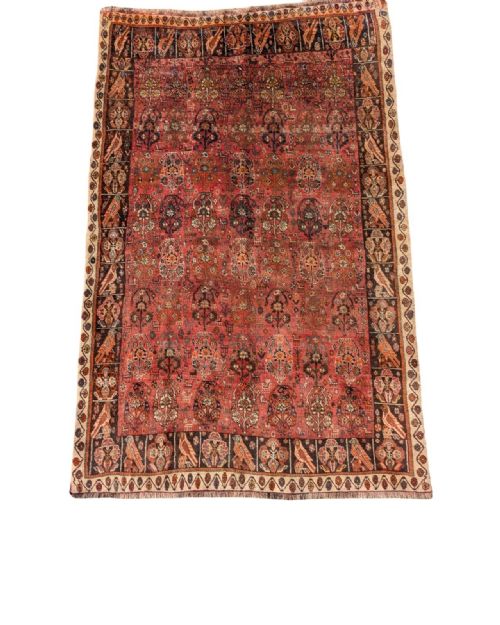
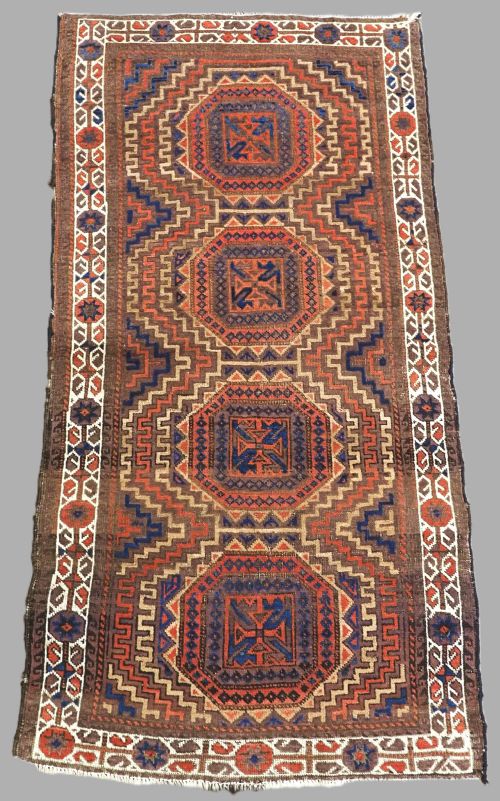
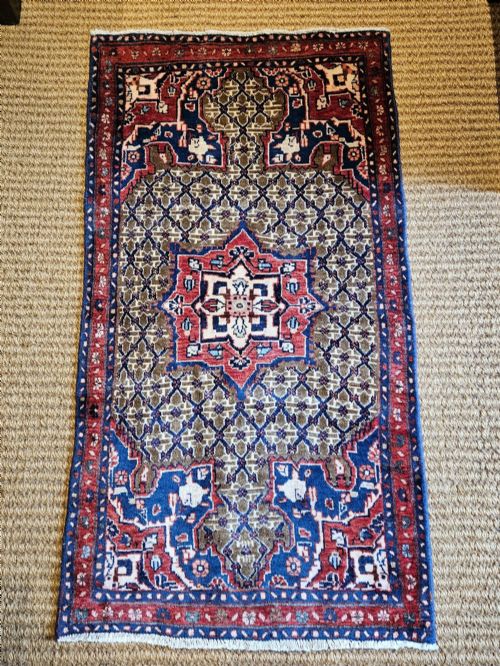
A traditional floor runner encompasses narrow, elongated carpets designed for hallways, corridors and transitional spaces within domestic interiors. When searching for a traditional floor runner, buyers encounter regional woven textiles spanning the nineteenth and early twentieth centuries, originating from Persia, the Caucasus, Turkey and Central Asia.
The selection ranges from geometric tribal compositions to finely knotted city carpets produced in workshops and villages. Common forms include antique runners and long carpets dating from the eighteen-fifties through the nineteen-thirties, reflecting diverse regional weaving traditions.
Makers utilised characteristic formats, such as repeating medallions, tribal guls and all-over field patterns suited to narrow spaces. These textiles provide practical floor coverings while displaying the distinct aesthetic heritage of their producing cultures.
Materials and construction methods
These floor coverings rely primarily on natural animal and plant fibres, with hand-spun wool forming the heavy foundation and pile of most examples. Cotton appears frequently in the warps and wefts of city and village carpets, while silk is occasionally employed in finer decorative pieces.
Weavers knotted the pile by hand onto vertical looms, securing the structure with wool or cotton foundations. Vegetable and mineral dyes provided the rich palette seen across the pieces, creating stable tones that age gracefully through decades of use.
Listings feature wool, cotton and silk textiles originating from the mid-nineteenth century through the nineteen-thirties, spanning Persian, Caucasian and Turkish traditions.
Factors of quality and execution
Quality in these textiles rests upon the density of the knotting and the precision of the design execution. Tighter knots allow intricate geometric and floral motifs to remain sharp and well-defined across the surface of the runner.
The choice of materials similarly dictates durability and visual depth, with well-prepared hand-spun wool offering resilience against heavy foot traffic. Balanced proportions, harmonious dye saturation and intact original borders distinguish superior examples from simpler village work.
The Traditional Floor Runner Glossary
- Runner
- A long, narrow carpet format specifically proportioned for corridors, hallways and stairs. This shape guides movement through domestic spaces while protecting wooden floors.
- Pile
- The upright yarn loops or tufts that form the usable surface of a carpet. It provides cushioning and displays the woven design.
- Gul
- A repeating medallion motif frequently found in Turkmen and tribal carpets. These octagonal or polygonal emblems often identify specific weaving tribes and clans.
- Warp
- The vertical foundation threads stretched lengthwise on a loom before weaving begins. Wefts and knots are interwoven around these structural elements.
- Kelleh
- A large, extended format carpet, longer than it is wide, bridging the proportion between standard room carpets and narrow runners.
Traditional Floor Runner: Frequently Asked Questions
Where should I place a runner?
These narrow carpets suit hallways, corridors, entryways and staircases where linear floor coverage is required. They soften footfall and protect high-traffic wooden or tiled floors.
Choose lengths that leave a balanced border of exposed flooring around the perimeter of the space to best frame the textile.
How do I clean an antique runner?
Regular gentle vacuuming without a rotating brush roll removes surface dust and prevents fibre damage. Professional specialist cleaning is recommended for deeper maintenance.
Avoid harsh chemical detergents or excessive moisture, which can destabilise historical natural dyes and wool foundations.
Are these runners durable?
Hand-knotted wool construction on sturdy foundations provides natural resilience for daily domestic use. High-quality animal fibres resist crushing and shed dirt effectively.
Using a quality underlay beneath the runner prevents slipping and reduces friction between the floor and the woven structure.
How do I identify regional styles?
Regional styles appear through distinct colour palettes, border structures and motif libraries. Geometric stars and hooked polygons typically point to Caucasian origins, while curvilinear florals suggest Persian city workshops.
Comparing knot types, wool texture and structural materials further clarifies the geographic source of the weaving.