




Hand Knotted Carpet Runner
A hand knotted carpet runner brings linear warmth and enduring craft to long corridors, carrying centuries of nomadic and village weaving traditions.
Hand Knotted Carpet Runner
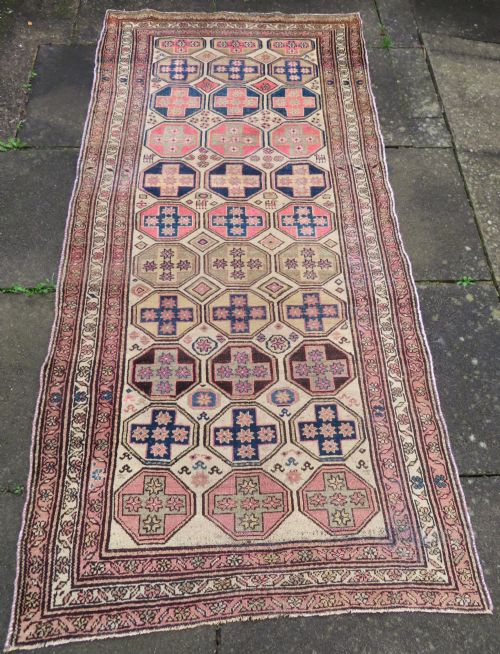
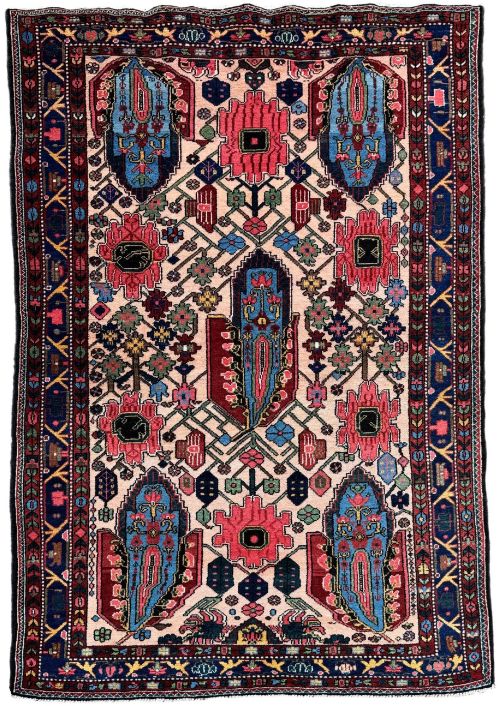
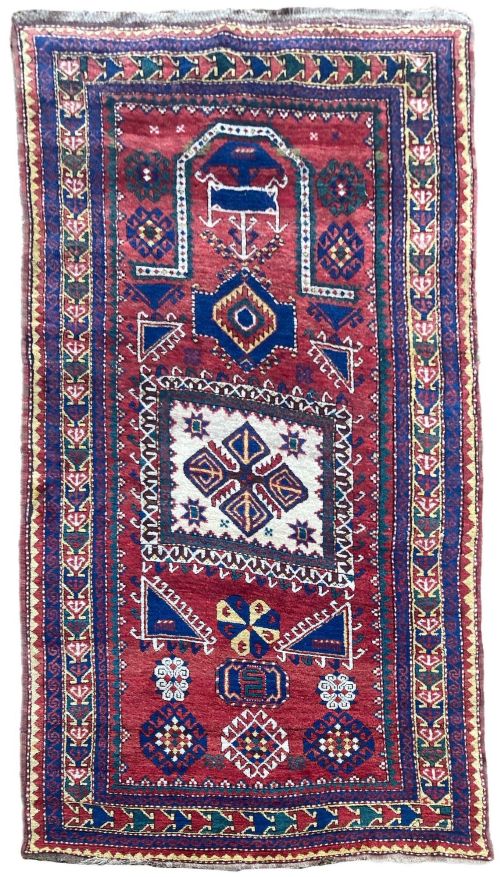
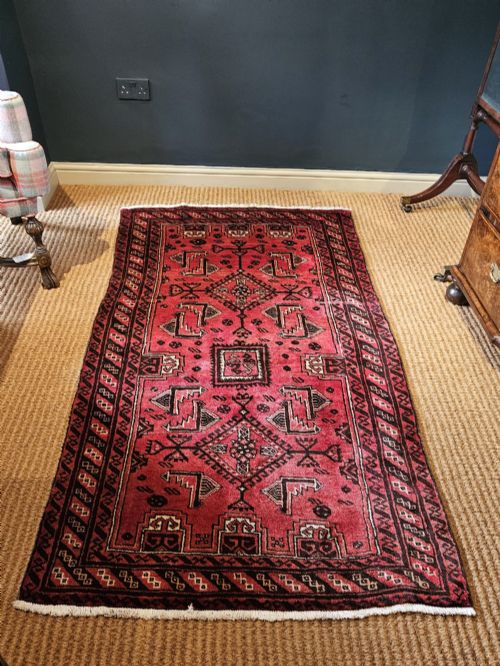
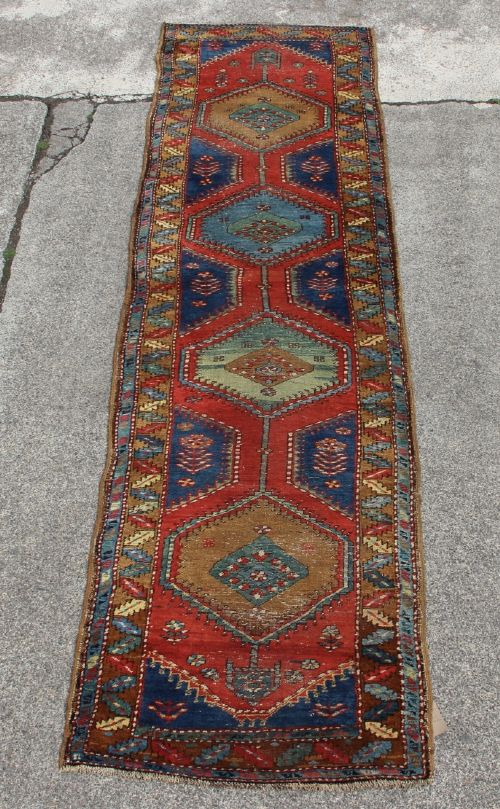
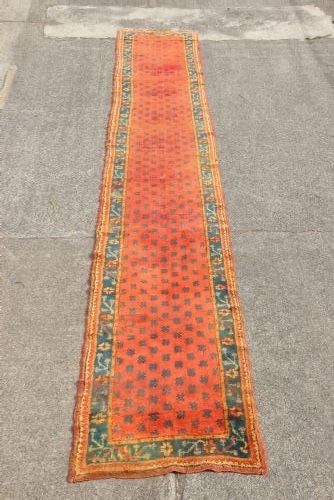
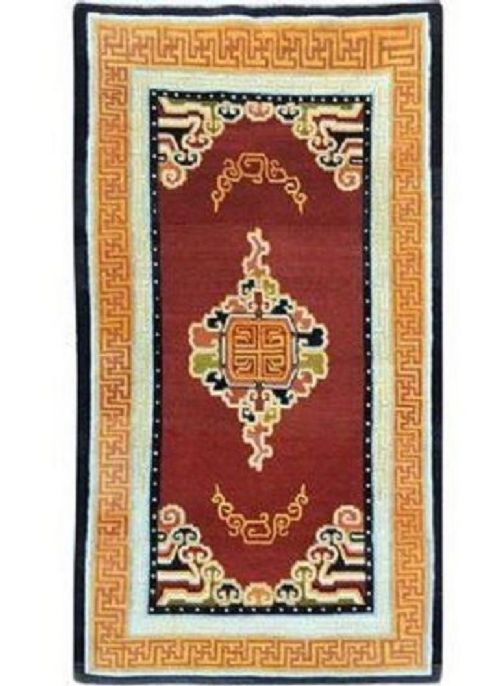
When you search for a hand knotted carpet runner, you examine long, narrow floor coverings designed for hallways, galleries, and staircases. These pieces originate from Persian, Caucasian, Turkish, and Tibetan weaving traditions, spanning village workshops and tribal encampments.
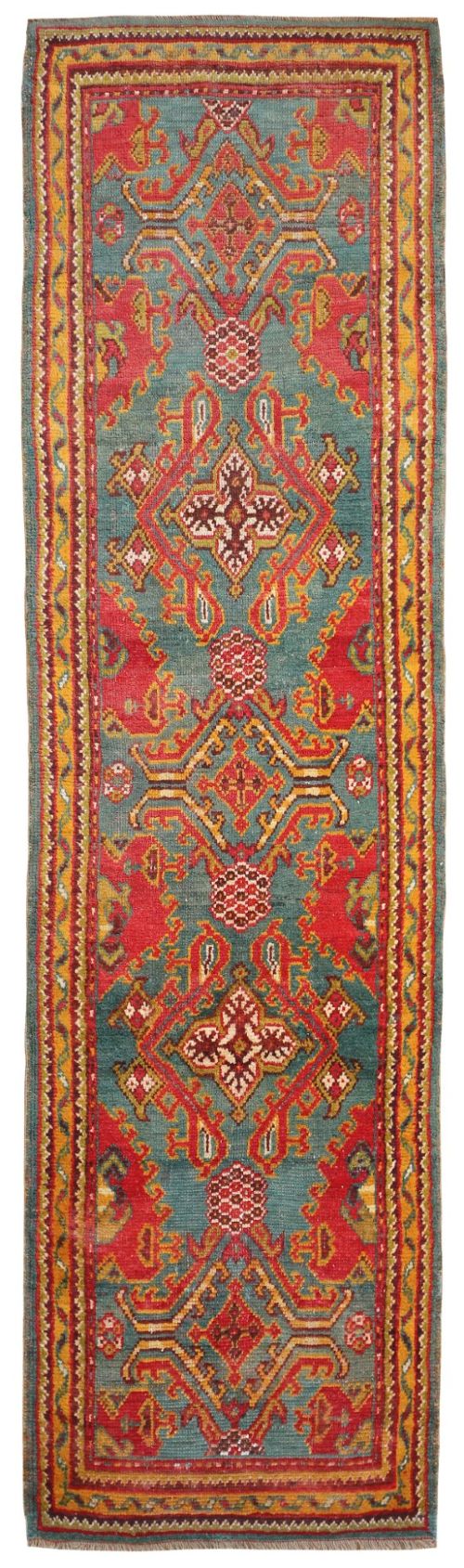
The versions you meet most frequently on this page date from the late nineteenth century through to the early decades of the twentieth century. They present distinctive formats, often exceeding three or four metres in length while maintaining narrow proportions suited to transitional spaces.
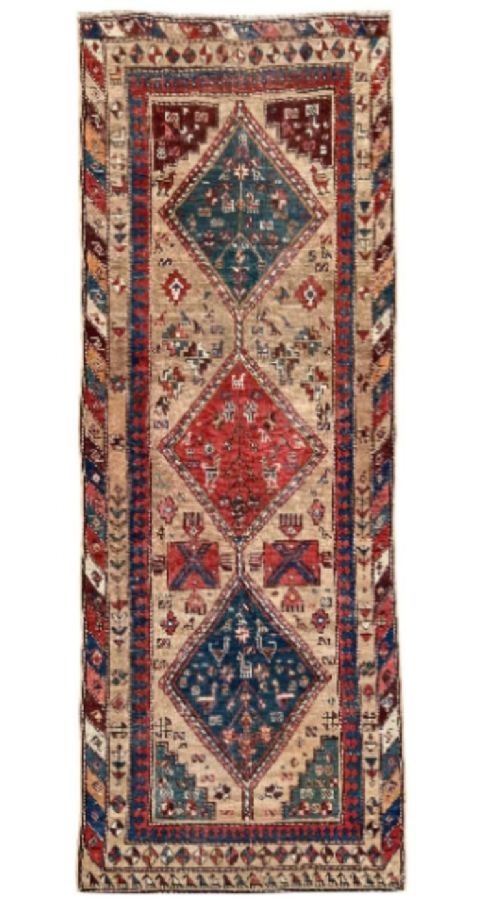
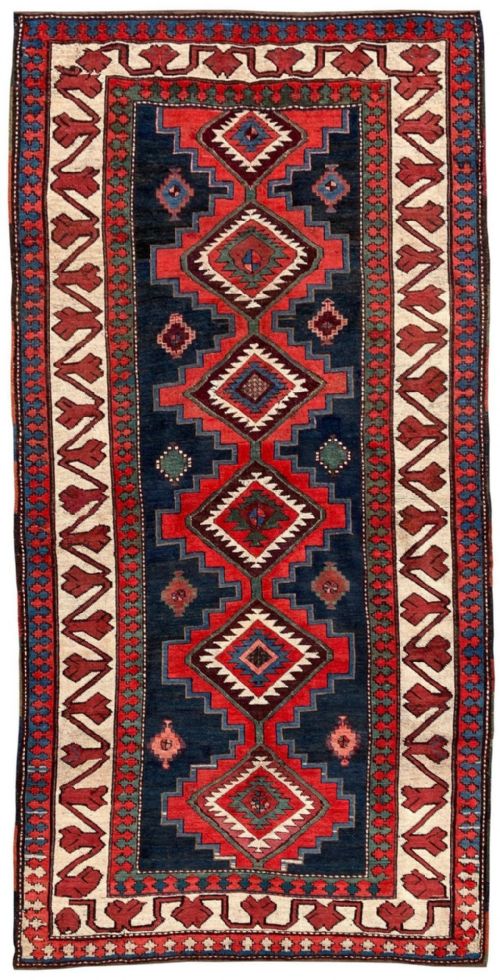
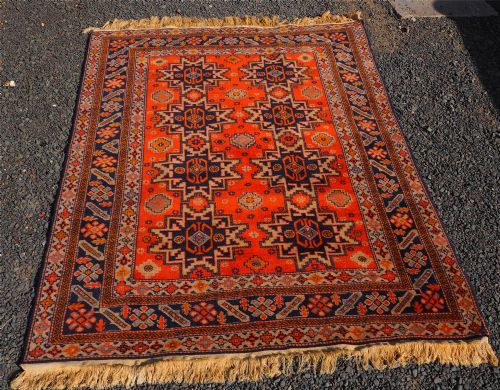
Makers structured these formats around geometric medallions, repeating lattices, and central poles, adapting large carpet motifs to restricted widths. Tribal weavers incorporated motifs specific to their groups, producing functional floor coverings that double as textile art.
What Varies in Quality
Knot density and structural tightness dictate the resilience and definition of the design across the surface. Higher knot counts permit intricate geometric rendering and sharper pattern outlines, whereas coarser weaves display a softer, more rustic interpretation.
The integrity of the original wool pile and the survival of the outer borders or selvedges determine the structural health of the runner. Pieces retaining their original end finishes and uncompromised foundations maintain their integrity better than those with extensive interventions.
Listings feature runners produced across multiple regions, including Persian, Caucasian, Turkish, and Tibetan tribal weaving centres.
The Hand Knotted Carpet Runner Glossary
- Warp
- The stationary vertical threads stretched onto a loom that form the structural foundation of the textile. Fringe ends typically consist of these extended parallel threads.
- Weft
- The horizontal threads passed alternately over and under the warp threads to bind the knots in place. Each row of knots is packed tightly against the previous weft shots.
- Pile
- The vertical or slanted wool, cotton, or silk yarn ends that form the soft upper surface of the rug. Knotting these fibres around the warp creates the dense nap.
- Selvedge
- The reinforced side edges of a carpet formed by wrapping extra weft threads around the outer warp cords. This finish prevents the sides from fraying.
- Gul
- A repeating medallion or octagonal motif frequently found in tribal weavings such as Turkmen and Baluch rugs. Each design often signifies a specific ancestral clan.
Hand Knotted Carpet Runner: Frequently Asked Questions
Where should I place a runner?
These narrow formats suit long hallways, narrow landings, and corridors where linear floor coverage softens hard timber or stone surfaces.
Their elongated proportions direct movement through a home while protecting high-traffic pathways from wear.
How do I care for wool runners?
Vacuum gently using suction attachments without rotating bristle bars to protect the fragile antique pile and foundation threads.
Keep the textile out of direct, prolonged sunlight to prevent natural dye fading over years of display.
Are these runners durable?
Hand knotted wool construction provides natural resilience against regular foot traffic in domestic environments.
Using an appropriate underlay prevents slipping and cushions the foundation yarns against hard subfloors.
How do I identify tribal designs?
Tribal runners display geometric lattices, stylized animal forms, and repeating guls linked to specific regional groups.
These patterns contrast with the curved floral medallions typical of traditional city workshops.