




Traditional Fireplace Hearth Guard
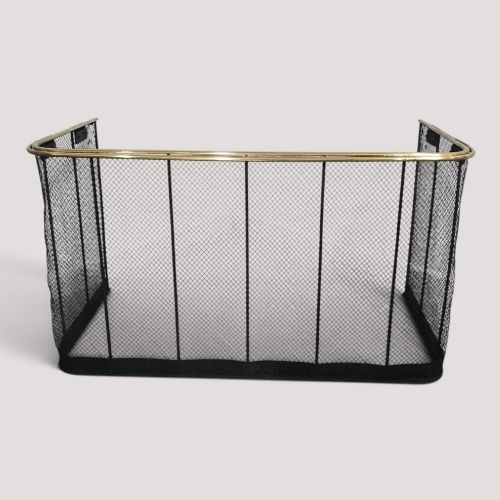
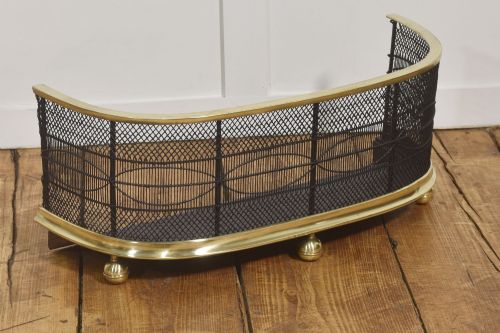
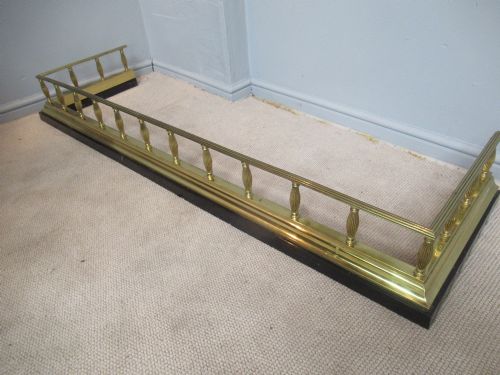
A traditional fireplace hearth guard protects rooms from stray embers while framing the hearth using brass, iron, steel, and leather.
Traditional Fireplace Hearth Guard
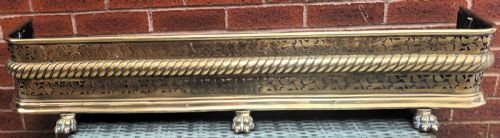
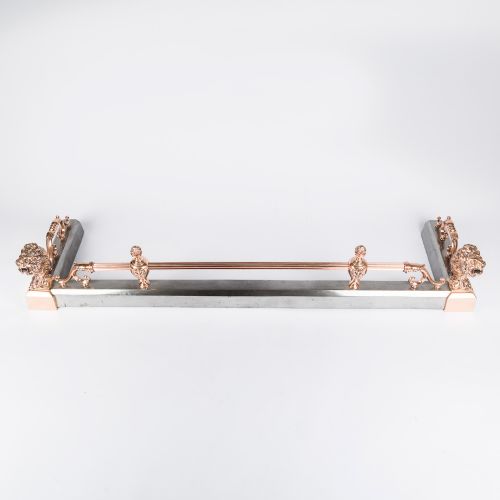
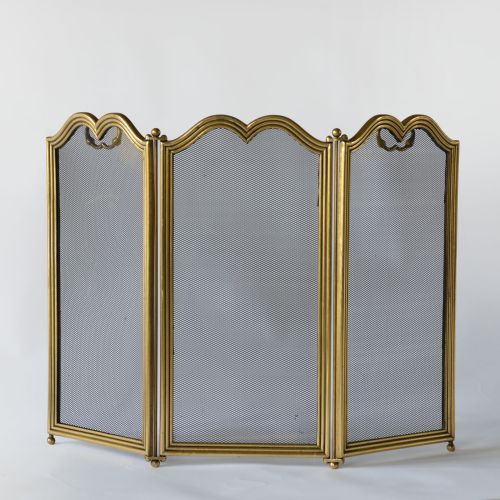
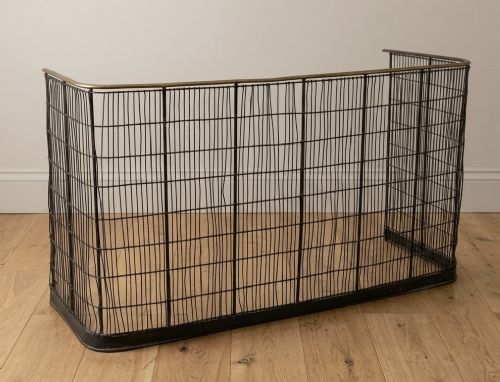
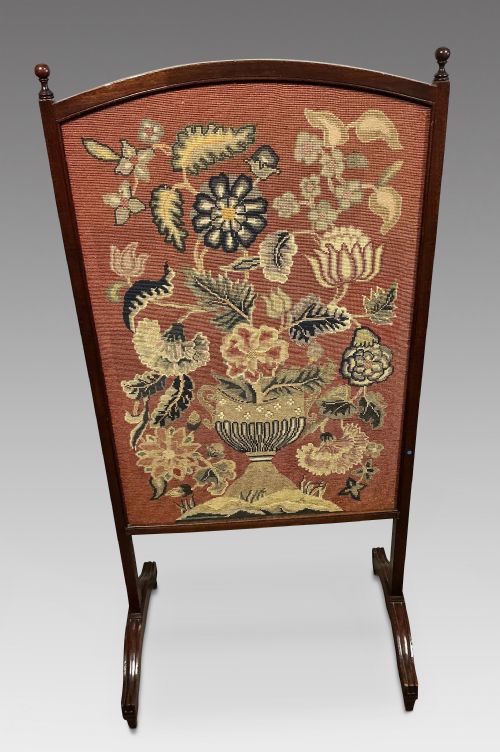
A traditional fireplace hearth guard encompasses a variety of protective iron, brass, and steel barriers designed to sit directly on the floor around a hearth. Buyers searching for a traditional fireplace hearth guard encounter robust club fenders, folding spark guards, nursery fenders, and static brass or iron kerbs dating from the nineteenth and early twentieth centuries.
Victorian and Edwardian examples dominate the selection, ranging from simple wire mesh frames to substantial upholstered club fenders covered in leather. Makers fashioned these pieces in styles spanning from Gothic Revival and Neoclassical to plain English Country House forms.
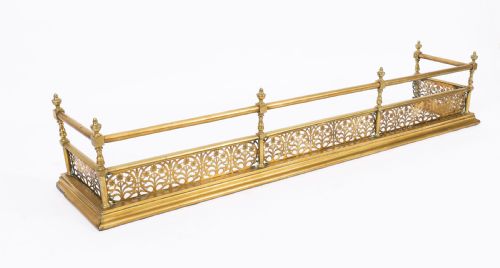
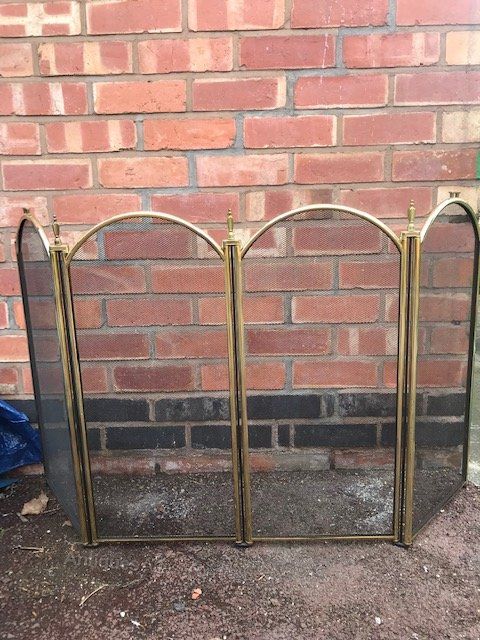
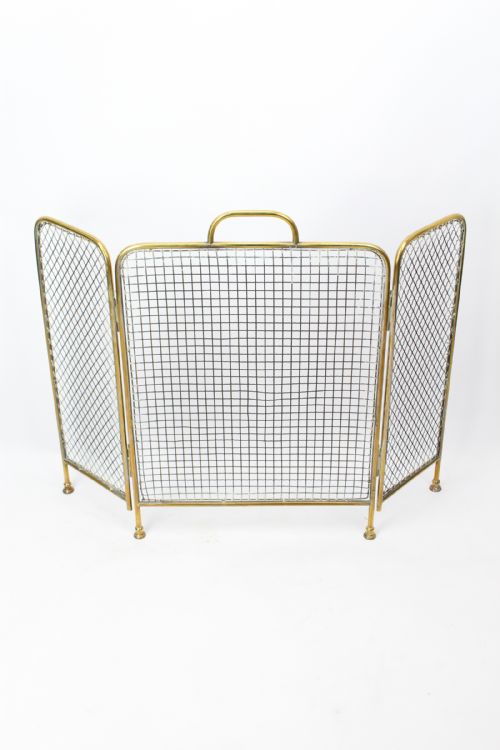
The most common formats on this page are low brass or steel fenders and tripartite folding spark guards, often incorporating pierced metalwork or integrated seating.
Materials and Construction
Makers constructed these pieces principally from durable metals including brass, cast iron, wrought iron, steel, and copper, frequently combining polished brass top rails with blackened iron bases. Wire mesh and fine iron wirework formed the protective screens of nursery guards and spark guards, while structural strength relied on heavy cast or tubular frames.
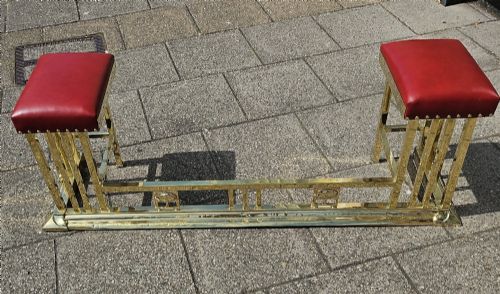
Upholstered club fenders integrated leather seating pads directly onto the metal frames, requiring sturdy internal carpentry using woods like oak alongside traditional stuffing and hide. Decorative detailing involved pierced brass plates, cast bronze elements, and applied brass ornaments reflecting Neoclassical or Gothic Revival motifs.
Distinctions in Execution
Quality in a traditional fireplace hearth guard lies in the substance of the metalwork, the weight of the frame, and the precision of the assembly. Heavier gauge brass, thicker iron bars, and deeply pierced sheet metal separate substantial domestic pieces from lighter utilitarian versions.
Finishes and upholstery also mark the divide between standard production and finer commissions, visible in neatly stitched leather seats, intact wire mesh, and crisply cast decorative motifs rather than plain or worn surfaces.
The Traditional Fireplace Hearth Guard Glossary
- Club fender
- A low, metal-framed fireplace fender featuring upholstered leather seats on either side. These originated in English country houses to provide fireside seating close to the hearth.
- Nursery fender
- A tall protective guard designed to enclose the hearth entirely and keep children away from open flames. They often include a mesh barrier and sometimes an integrated clothes rail.
- Spark guard
- A folding or static screen made from wire mesh and iron frames. It stops embers from spitting out onto carpets and floorboards.
- Kerb fender
- A low border of brass, iron, or steel that outlines the perimeter of the fireplace hearth. They prevent coal or ash from spilling into the room.
- Pierced brass
- Sheet brass decorated by cutting or punching intricate patterns through the metal. It appears frequently on Victorian fender fronts.
Traditional Fireplace Hearth Guard: Frequently Asked Questions
What is a club fender?
A club fender is a low hearth guard equipped with cushioned leather seats on top. It allowed people to sit directly around the fireplace.
These pieces combine metal frames of brass or iron with upholstered seating pads, forming a traditional feature in country houses.
How do I choose the right size?
Measure the width and depth of your fireplace hearth to ensure the guard fits the floor space correctly. Leave enough clearance around the fire opening.
Consider whether you need a low kerb fender or a taller nursery guard depending on your room layout and safety requirements.
What is a nursery fender?
A nursery fender is a taller protective barrier built to surround the fireplace completely. It prevents children and pets from getting too close to the fire.
Many examples feature wire mesh panels and sometimes a built-in rail used for airing garments.
How do I clean brass fenders?
Clean polished or pierced brass with a soft cloth and appropriate metal cleaner to remove tarnish. Avoid abrasive pads that scratch the surface.
Iron and steel parts require light dusting and occasional oiling to prevent rust from forming in damp rooms.