
Traditional Fireplace Dog Irons
Traditional fireplace dog irons support logs above the hearth, and collectors choose them for practical hearth warmth and period presence.
Traditional Fireplace Dog Irons
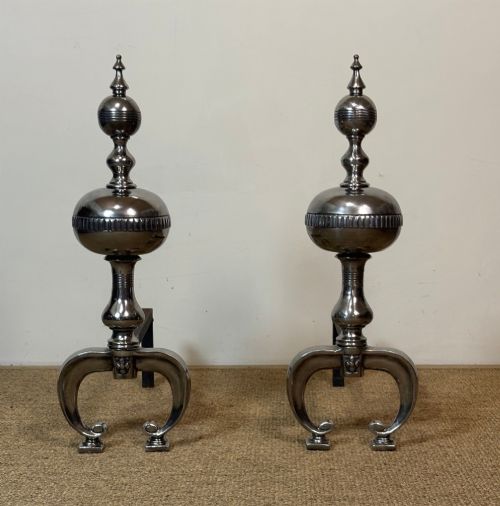
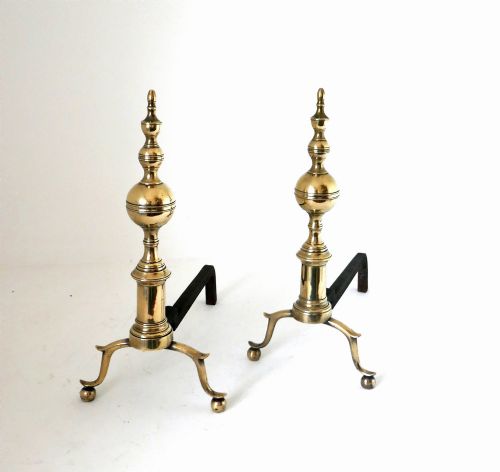
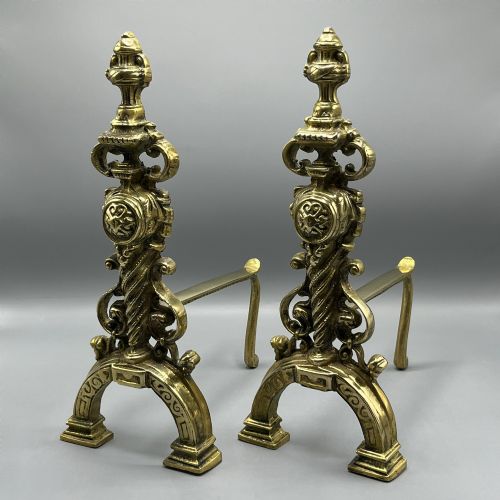
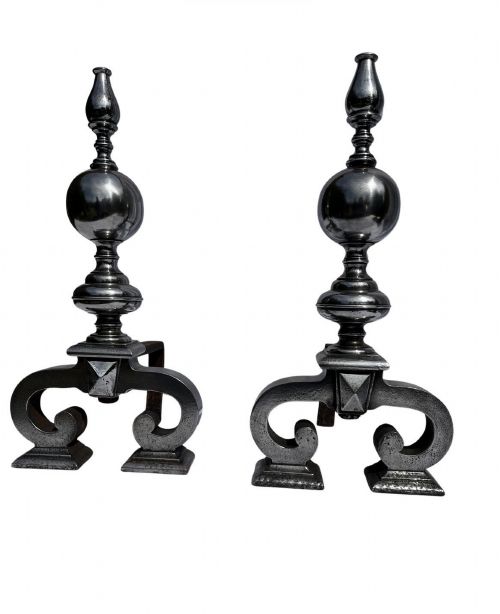
Traditional fireplace dog irons, also called andirons or fire dogs, hold wood fuel aloft within an open hearth to allow proper airflow beneath the burning logs. Buyers encounter pairs ranging from simple utilitarian supports to decorative hearth furnishings.
The selection spans centuries of metalworking, with examples originating from the sixteenth century onwards. Victorian pieces and late nineteenth-century designs appear frequently alongside earlier styles.
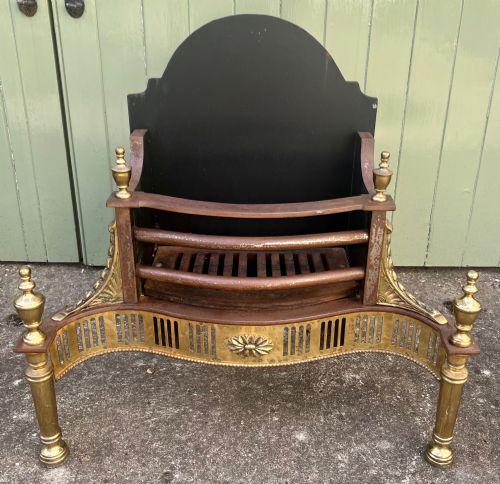
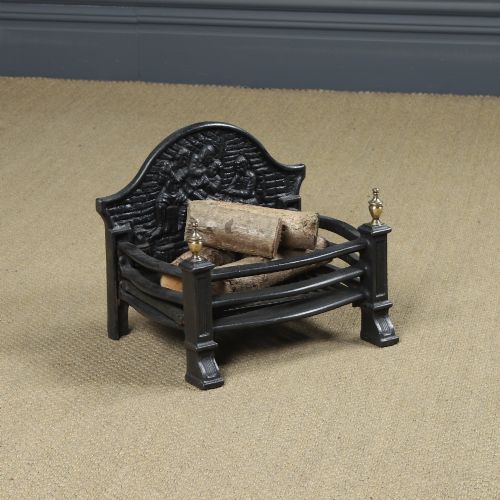
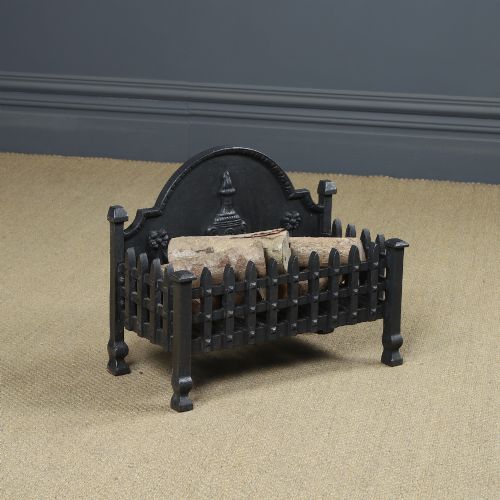
Makers produced these hearth accessories in forms that integrate with fire baskets, companion sets, and log grates. French, English, and American origins appear across the available inventory.
How traditional fireplace dog irons were made
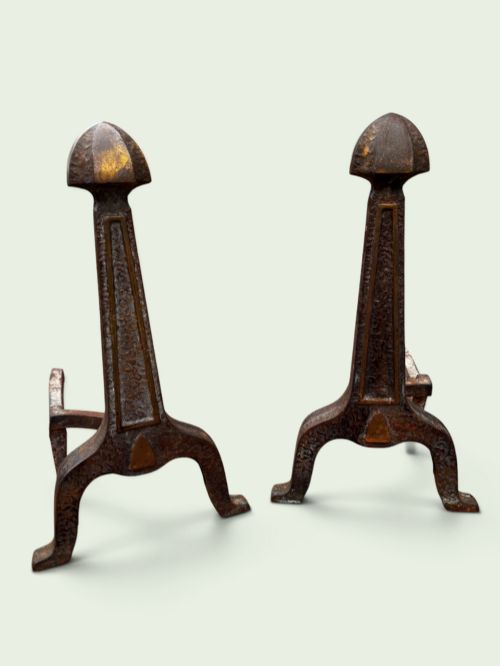
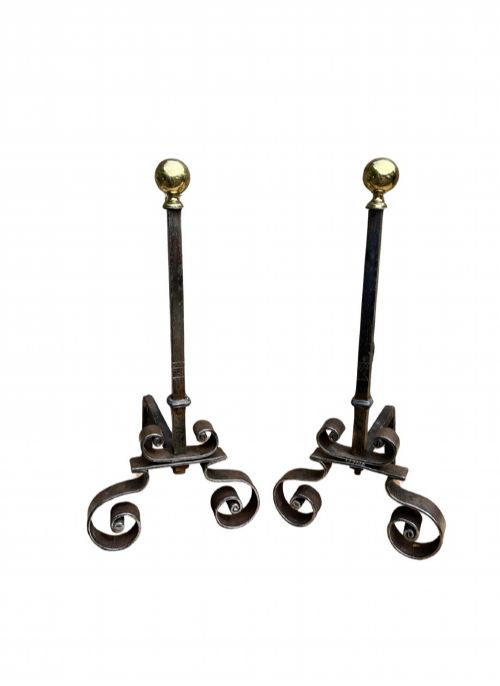
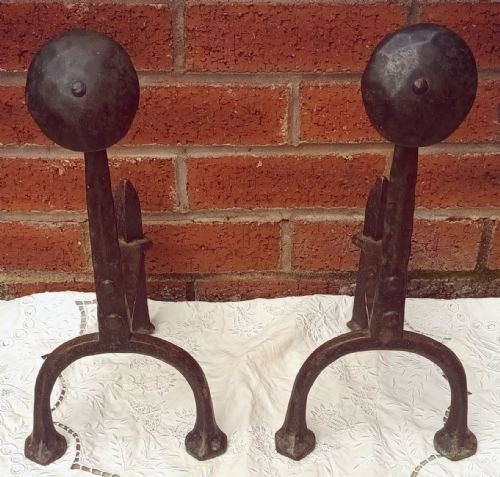
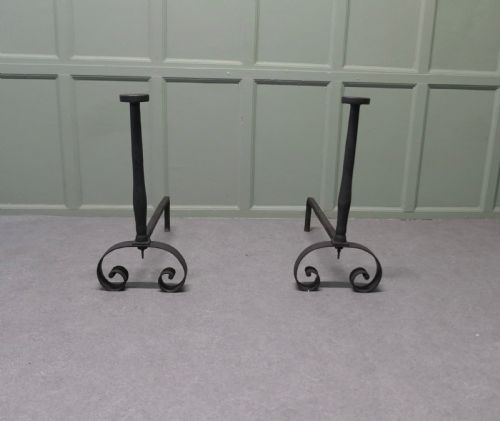
Blacksmiths and founders shaped these objects using iron, steel, brass, and copper. Wrought iron and hand-forged techniques predominated in earlier utilitarian pieces, while cast iron allowed for intricate moulded motifs.
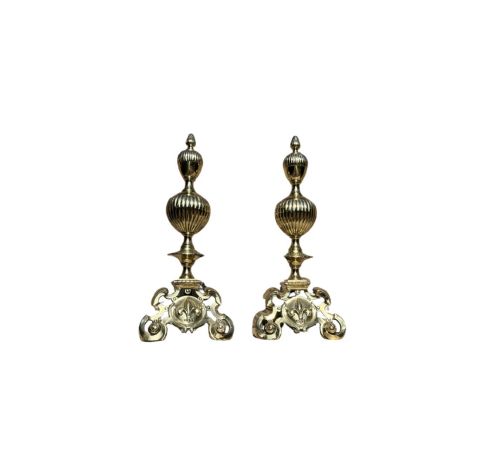
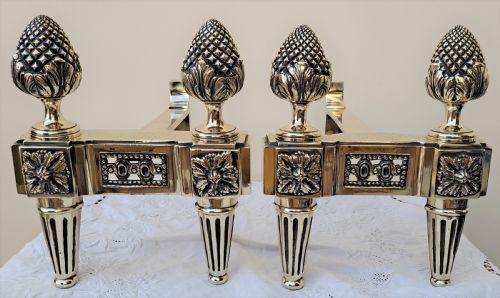
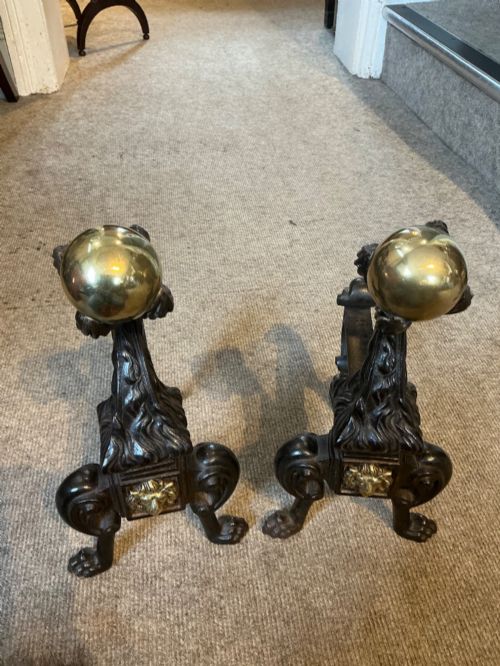
Brass and solid brass components provided bright decorative contrast, often polished to a high shine on nineteenth-century examples. Artisans combined cast and wrought methods to construct durable hearth stands capable of enduring intense heat.
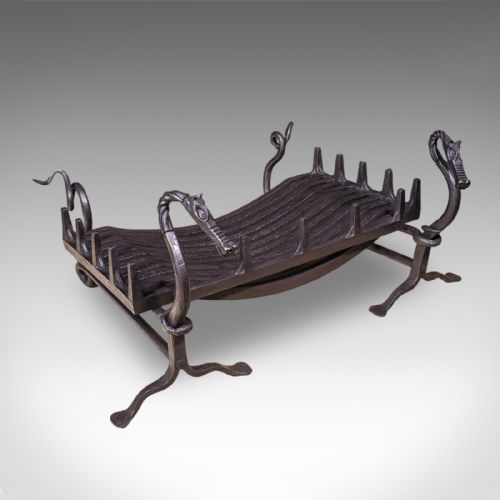
Keep an eye out for dragon motifs guarding the hearth from the front of Victorian fire baskets.
What varies in quality
The weight of the metal and the integrity of the joins distinguish substantial hearth pieces from lighter reproductions. Solid brass components and heavy iron construction indicate robust workmanship suited to active hearth use.
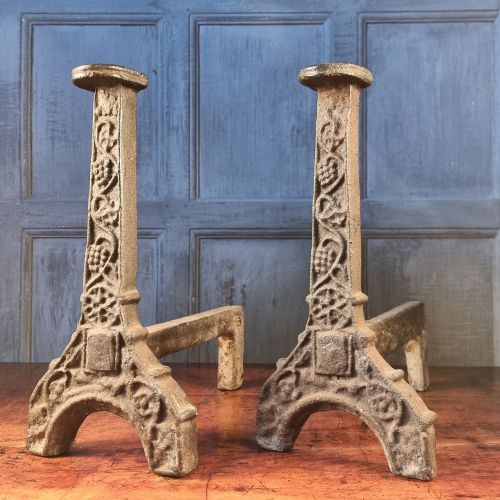
Detailing in the casting or forging separates standard utility items from refined examples. Pieces featuring specific motifs like dragon designs or gothic tracery display greater artisan skill in execution.
The Traditional Fireplace Dog Irons Glossary
- Andiron
- A horizontal iron support raised on legs, used with a mate to hold logs in an open fireplace. They often feature decorative vertical fronts.
- Fire basket
- A metal grate designed to hold coal or wood within a fireplace opening. These often incorporate matching dog irons or fire dogs.
- Wrought iron
- Iron beaten into shape while hot by a blacksmith. This material yields visible hammer marks and robust structural strength.
- Gothic Revival
- A nineteenth-century style drawing inspiration from medieval architecture. Pieces in this category utilise pointed arches and heavy decorative cast iron.
Traditional Fireplace Dog Irons: Frequently Asked Questions
How do I use dog irons?
Place a pair of dog irons on the hearth floor inside the fireplace opening, spaced to span the length of your logs. Lay the firewood across the horizontal bars to improve combustion and airflow beneath the fire.
Ensure the hearth can support the weight of the metal supports and the wood load. They function independently or alongside a matching fire basket for coal and wood.
What metals are these made from?
Traditional examples utilise iron, steel, brass, and copper. Blacksmiths forged early versions from wrought iron, while later Victorian foundries cast pieces in solid brass or iron.
Some items combine cast iron bodies with polished brass finials for decorative effect. Each metal requires specific maintenance to preserve the surface finish.
How do I date a pair?
Examine the manufacturing technique and stylistic motifs to determine the period. Hand-forged wrought iron often points to earlier centuries, whereas heavy cast brass and specific revival styles align with the Victorian era.
Design influences such as Gothic Revival or Arts and Crafts provide further clues to the decade of manufacture. Consult the listed period details for each specific pair.
Can I burn wood on them?
These pieces served historically to hold logs above the hearth floor for better burning. Heavy iron and steel versions handle wood fires effectively.
Check the structural condition and metal thickness before lighting a fire on antique pieces. Lighter decorative pairs function best for display or with lighter fuel loads.