
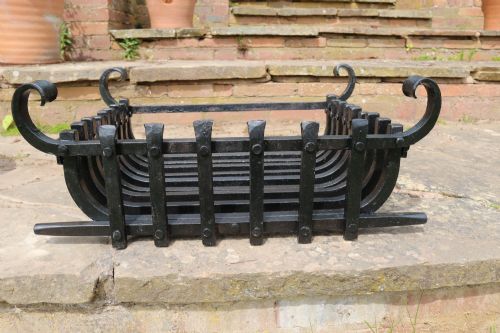
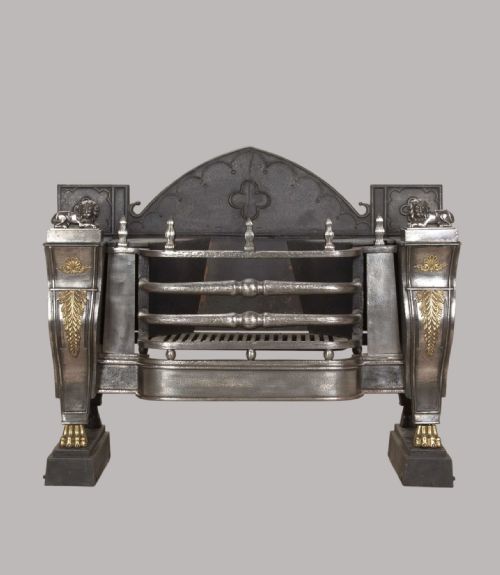
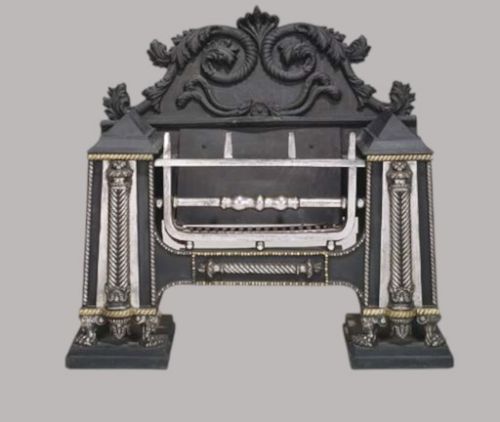
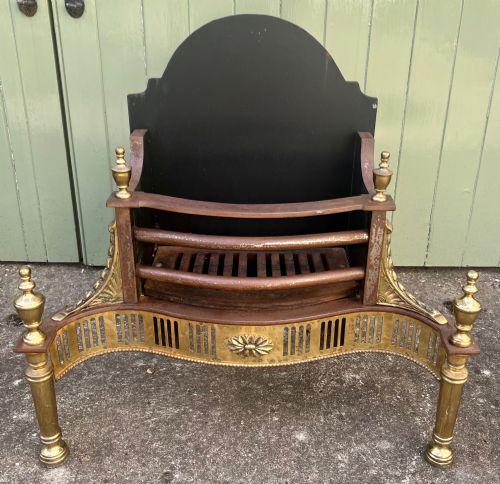
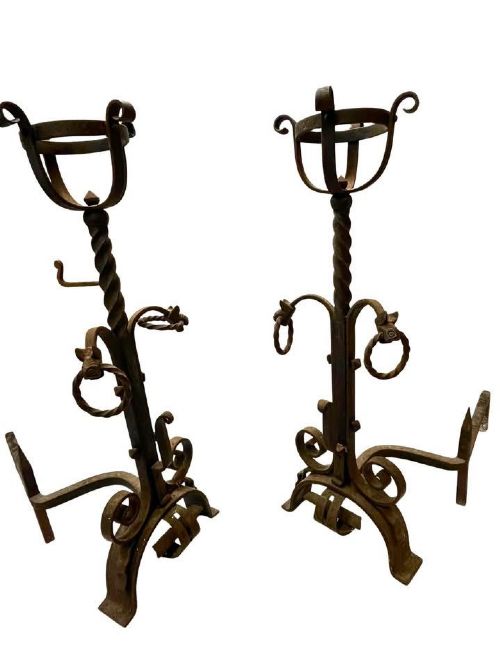


Traditional Fireplace Basket
A traditional fireplace basket provides a sturdy iron or steel hearth centrepiece for containing coal or wood logs during winter.
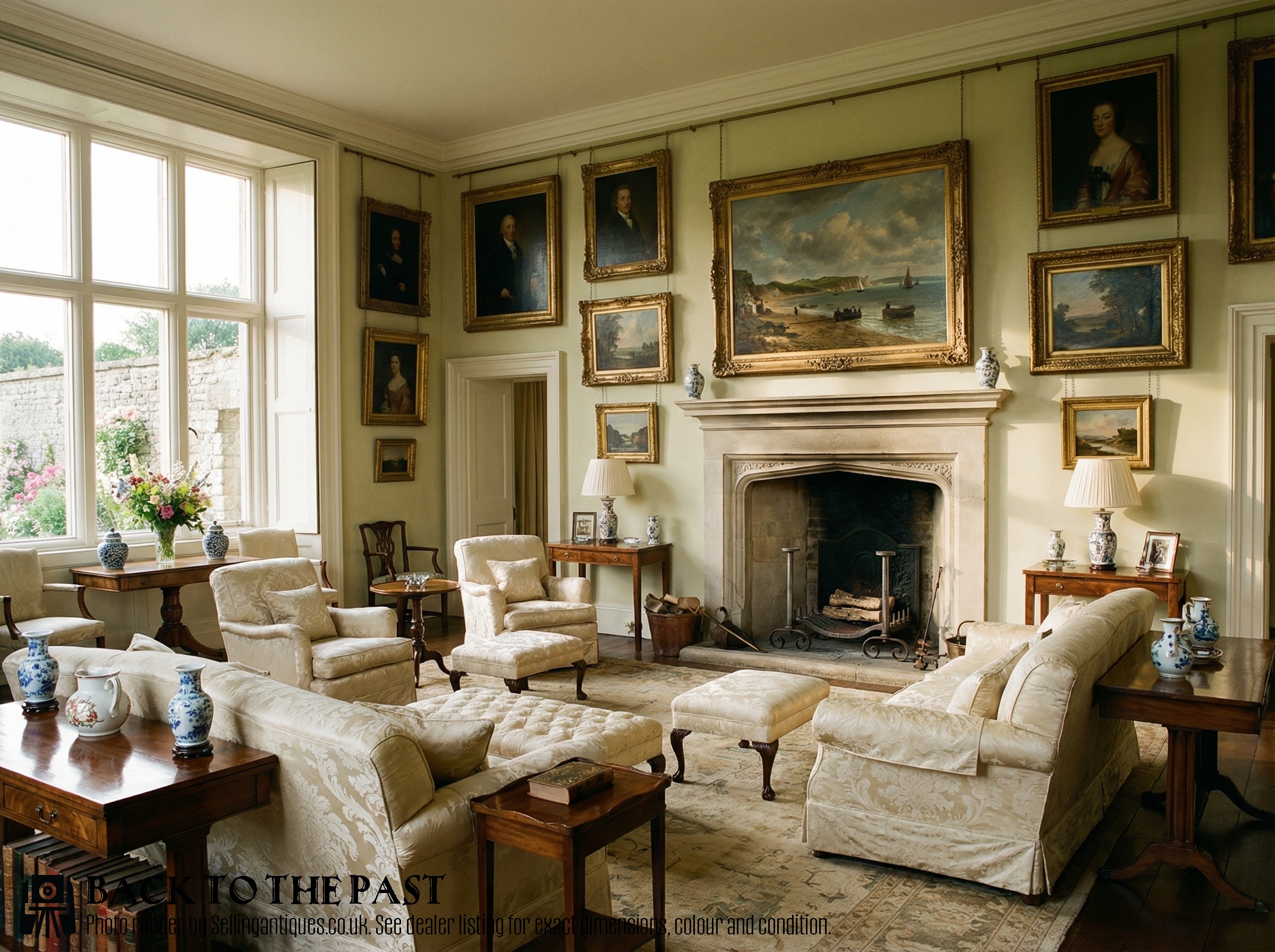
Traditional Fireplace Basket
When searching for a traditional fireplace basket, a buyer encounters heavy hearth furniture designed to hold solid fuel securely within an open fireplace. The selection spans open fire grates, log baskets, and companion coal scuttles originating from Georgian, Victorian, and Edwardian periods.
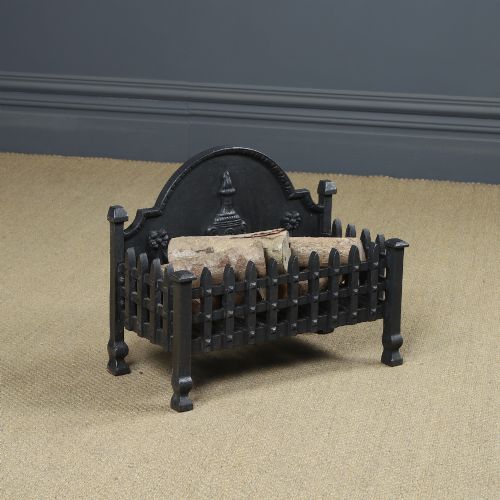
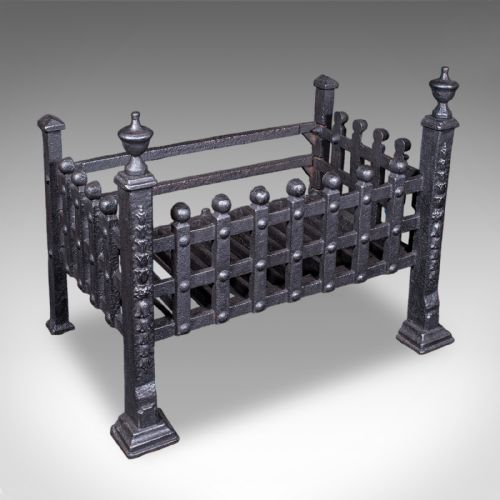
The most common examples on this page are cast and wrought iron fire grates paired with andirons, alongside copper log bins and coal scuttles. Pieces range from straightforward utilitarian smith-made inglenook carriers to decorative Adam style and Gothic Revival grates.
Stylistic influences across the items include Neoclassical Revival, Regency classical designs, and medieval Arts and Crafts interpretations. These functional metalwork items bring period authenticity to active hearths and decorative chimney openings alike.
What varies in quality
Distinctions in quality rest upon metal thickness, weight, and the crispness of cast or forged detailing. Heavy, substantial iron castings and robust blacksmith-made wrought frames separate superior utilitarian items from lighter production pieces.
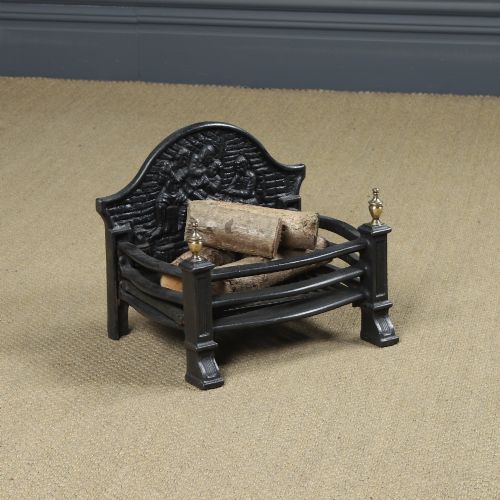
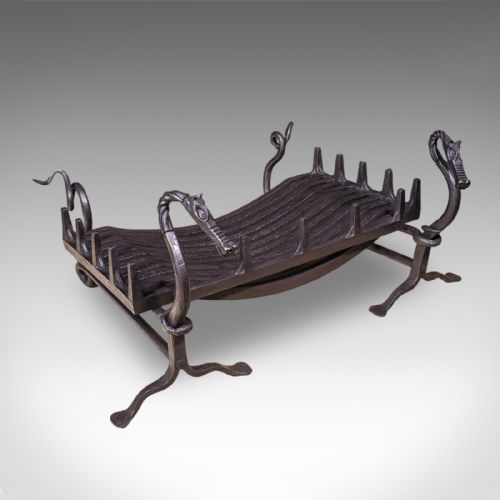
Design execution dictates the upper range, where classical proportions, clean brass mounts, and well-executed stylistic motifs like dragon details or Adams style ornamentation indicate finer workshop origins.
Traditional Fireplace Basket Retail Price Guide 2026
Typical asking prices for traditional fireplace basket among the pieces listed under this phrase on Sellingantiques today, from the lower quarter to the upper quarter. They describe what is for sale here now, not the wider market.
Listings feature items spanning the Georgian, Victorian, and Edwardian eras, constructed from cast iron, wrought iron, copper, brass, and pine.
The Traditional Fireplace Basket Glossary
- Fire basket
- A metal container designed to hold burning logs or coal within a fireplace hearth. These units typically sit upon legs or andirons to allow airflow underneath.
- Andirons
- Supporting metal fire dogs placed on either side of a hearth to hold up logs or support a fire basket. They often feature decorative cast fronts facing into the room.
- Hob grate
- An early fireplace design featuring raised side shelves for heating kettles or food adjacent to the central fire grate. They are frequently found in Georgian and Regency interiors.
- Coal scuttle
- A bucket or container used for carrying and storing coal near the fireplace. Examples are frequently fashioned from hammered copper in helmet or bin shapes.
- Fire back
- A heavy cast iron plate placed at the back of a fireplace opening to radiate heat forward and protect the masonry wall. They commonly display raised historical or heraldic motifs.
Traditional Fireplace Basket: Frequently Asked Questions
What is a traditional fireplace basket?
A traditional fireplace basket is a metal grate or container built to hold logs or coal safely inside an open hearth. These heavy iron and steel pieces elevate fuel to improve airflow and burning efficiency.
They serve as both practical heating equipment and decorative focal points within period fireplaces. Many designs incorporate integrated andirons or sit upon separate fire dogs.
How do I date a cast iron fire grate?
Dating a cast iron fire grate involves examining the manufacturing style, decorative motifs, and construction methods. Georgian and Regency pieces favour classical symmetry and Adam style brass details, whereas Victorian items often lean toward Gothic Revival or heavy ornamentation.
Twentieth-century reproductions or later interpretations frequently adopt 18th-century styling while retaining distinct casting textures. Comparing the weight, bolt types, and material combinations helps place the piece within its historical period.
Can I use an antique fire basket for burning wood?
Many antique fire baskets are constructed from heavy cast and wrought iron capable of withstanding active fires. Checking the condition of the metal and ensuring firebricks are present helps protect the original structure from intense heat.
It is wise to inspect the weight and thickness of the iron before regular use. Lighter decorative grates may be better suited for display or gas fire conversions.
What is the difference between a log bin and a coal scuttle?
A log bin is typically a large cylindrical copper or metal container designed to store a generous supply of firewood beside the hearth. They often feature riveted seams and sturdy carrying handles suitable for heavy timber.
By contrast, a coal scuttle or coal helmet is shaped for scooping and pouring smaller quantities of coal into the fire basket. Scuttles frequently feature a funnel-like lip and a pivoting handle for controlled distribution.