


Georgian Fire Grate
A georgian fire grate anchors a room with genuine period weight, bringing functional hearth furniture into daily view.
Georgian Fire Grate
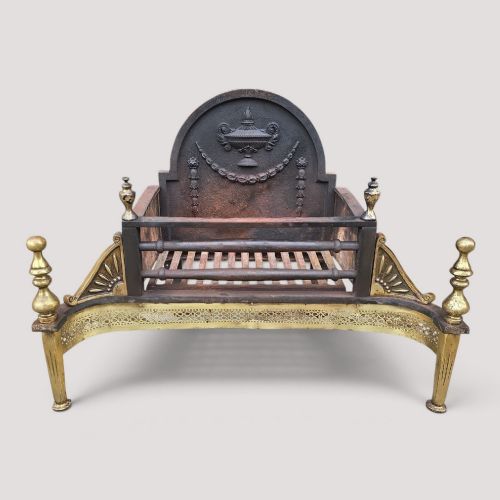
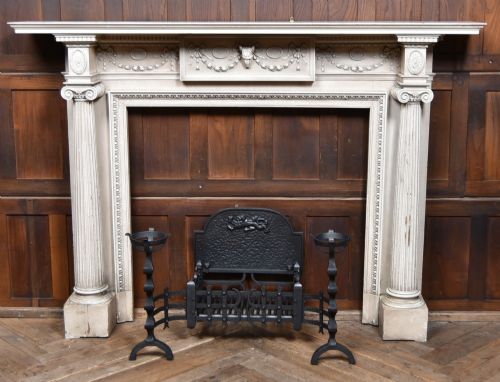
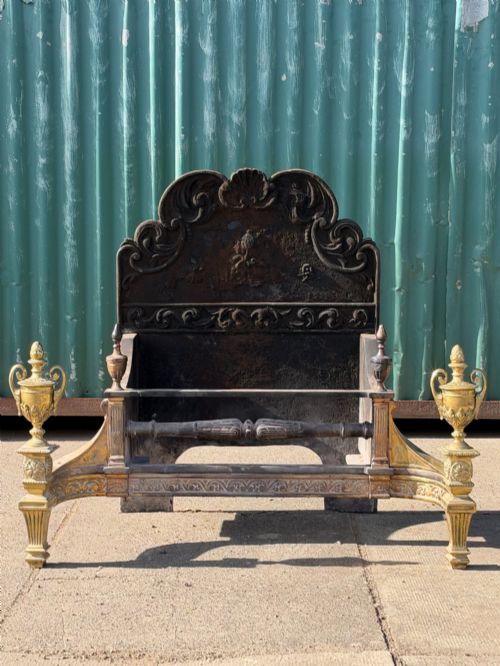
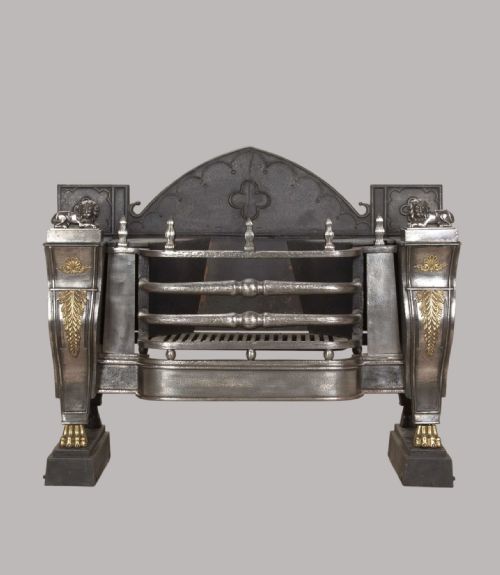
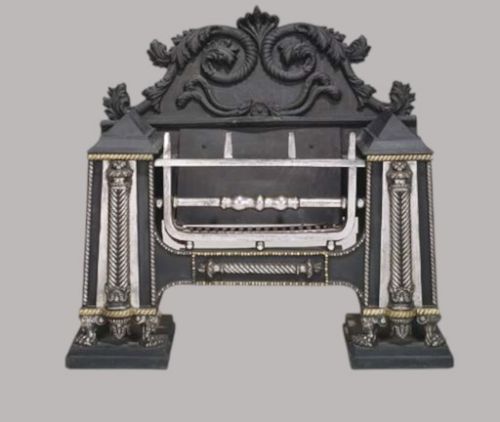
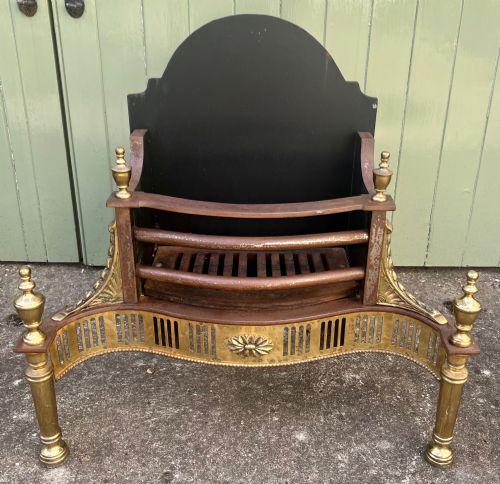
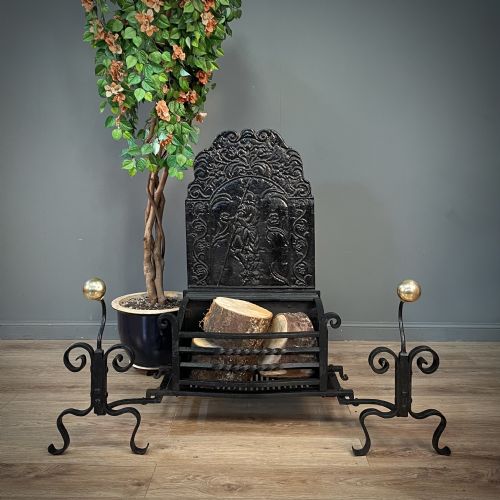
A georgian fire grate combines functional hearth metalwork with formal period design, appearing in forms such as hob grates, register grates, and open fire baskets. Buyers searching for a georgian fire grate typically encounter cast iron and wrought iron structures, often paired with brass or firebrick components.
The pieces listed span the Georgian era through to later revivals like the Regency and Adam style, alongside nineteenth-century and twentieth-century interpretations. Hob grates and register grates dominate the available forms, accompanied by related hearth items like fire dogs and footmen.
Materials and construction
Makers utilised cast iron and wrought iron to build the primary structure and fire baskets of a georgian fire grate. Brass elements appear for decorative mounts and finials, while firebrick lines the interior to withstand high heat.
Techniques combine heavy foundry casting with hand-wrought metalwork, creating robust grates designed for solid fuel combustion. Surface detailing ranges from classical neoclassical motifs to plain functional surfaces.
Some grates doubled as kitchen appliances, letting servants boil water on the hobs while the master warmed his shins.
Judging quality in a georgian fire grate
Quality rests on the crispness of the cast iron detail and the integrity of the wrought iron assembly. Finer examples display precise neoclassical ornamentation or balanced proportions in their brass and steel components.
The presence of original firebrick and matching fire dogs elevates a piece beyond basic utilitarian forms. Flimser later revivals lack the heavy metal density and architectural presence of true period examples.
The Georgian Fire Grate Glossary
- Hob grate
- A fireplace grate featuring flat side plates or hobs designed for warming kettles or food.
- Register grate
- A fireplace insert featuring an adjustable plate or damper to control the draught up the chimney.
- Fire basket
- An open metal basket designed to hold coal or logs within a fireplace opening.
- Fire dog
- An andiron used to support logs in a hearth, often accompanying a fire grate.
- Footman
- A metal stand placed near the fire to keep dishes warm.
Georgian Fire Grate: Frequently Asked Questions
How do I install a georgian fire grate?
Installation typically requires a professional fireplace fitter to ensure the unit fits safely within an existing chimney opening. Proper clearance and hearth protection are essential for safe operation.
Many grates serve decorative purposes in modern homes, while others remain fully functional for burning solid fuel when inspected and cleared by a chimney sweep.
What is the difference between a hob grate and a register grate?
A hob grate incorporates flat side shelves flanking the central fire basket, historically used for heating water or keeping food warm. These provide a distinct domestic appearance compared to standard basket designs.
A register grate is built into a frame with an adjustable metal plate that regulates airflow. This mechanical control sets it apart from open baskets and hob grates.
Can I burn wood in a cast iron fire grate?
Cast iron handles solid fuel combustion well, but many period grates were designed specifically for coal rather than large logs. Using appropriately sized fuel prevents undue thermal stress on the metal.
Checking the interior firebrick condition helps determine suitability for regular fires. Consulting a specialist ensures the metalwork withstands active use.
How do I clean cast iron and brass?
Cast iron benefits from light dusting and occasional applications of grate polish or black lead to maintain its dark finish. Avoiding moisture prevents rust accumulation on exposed iron surfaces.
Brass elements respond well to gentle cleaning with a soft cloth to preserve their metallic sheen. Harsh chemical cleaners strip patination and damage historic surfaces.