


Traditional Fine Art
Traditional fine art brings centuries of portraiture, landscape, and still life into domestic spaces through enduring oil paintings and textiles.
Traditional Fine Art
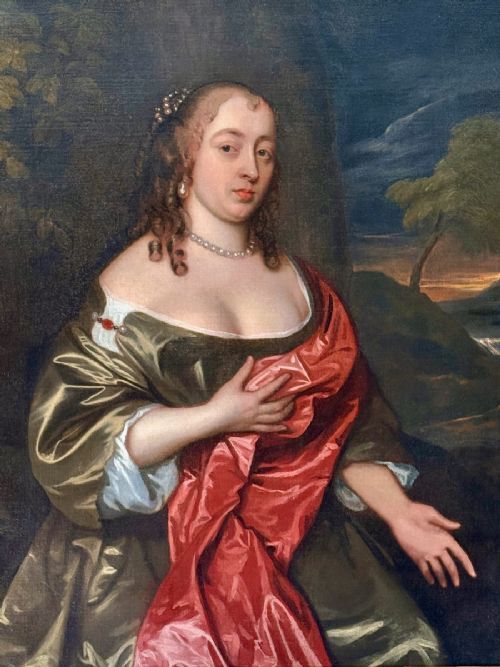
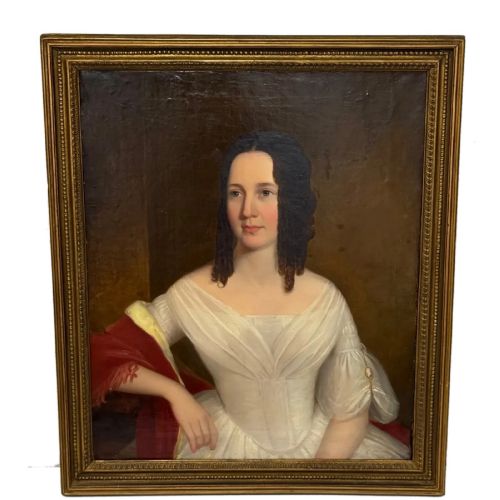
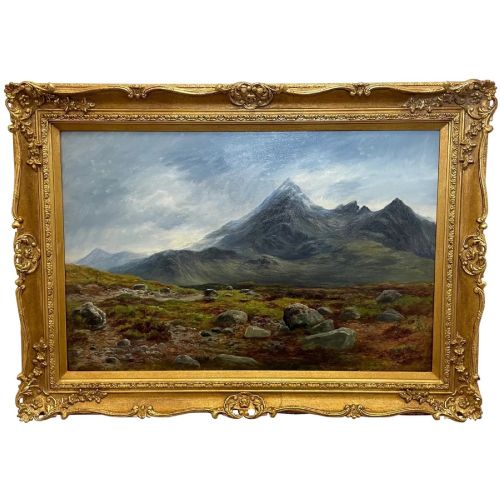
Traditional fine art on this page primarily consists of oil paintings on canvas or wood panel, alongside woven wool textiles and display furniture. These works span from the seventeenth century through the Georgian, Victorian, and Edwardian eras up to the mid-twentieth century.
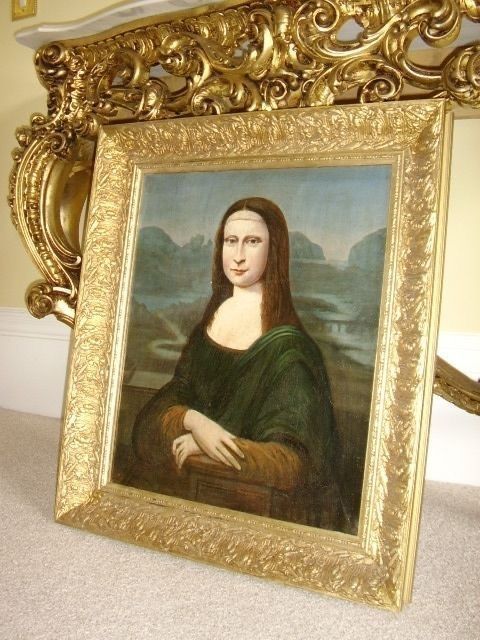
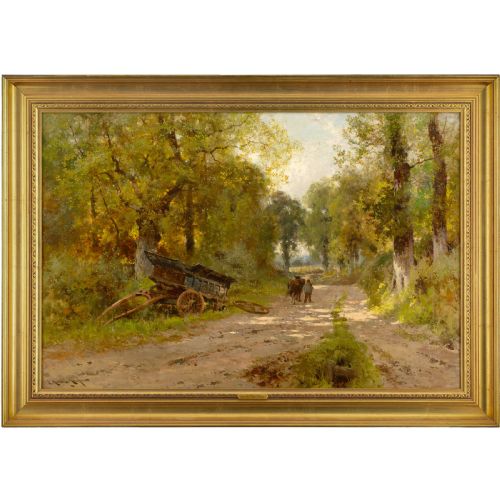
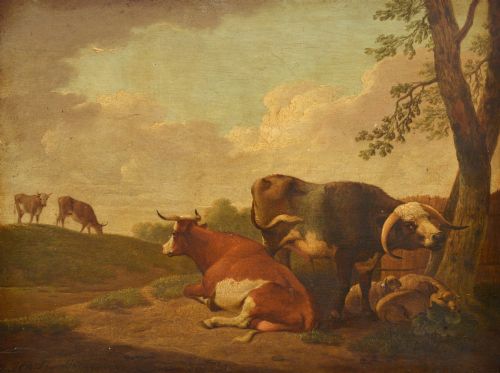
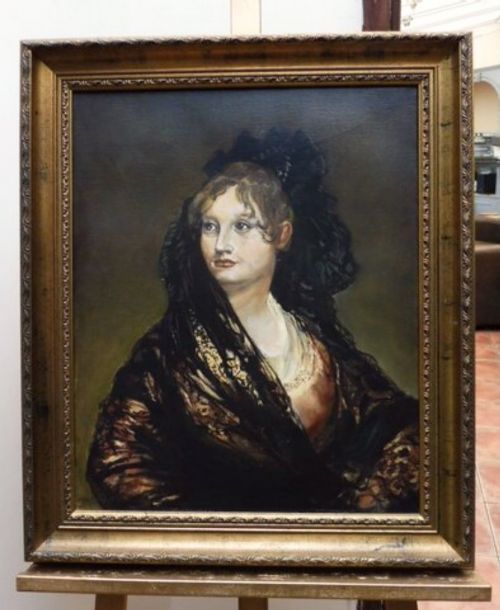
Buyers looking for traditional fine art most frequently encounter framed oil portraits and landscape scenes. These subjects range from nineteenth-century Scottish Highland views and Dutch-influenced rural pastorals to copies after old masters.
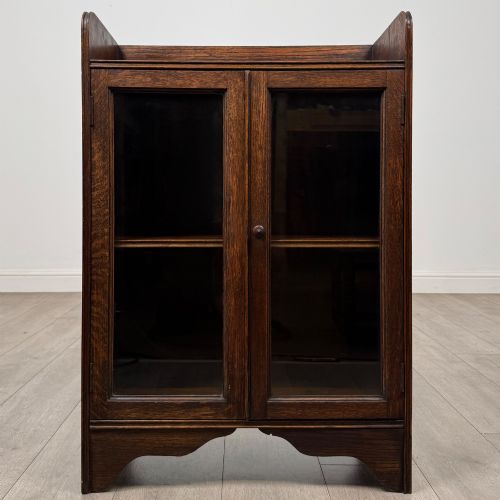
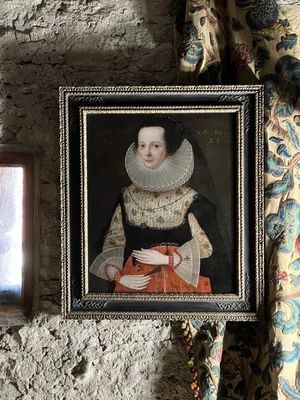
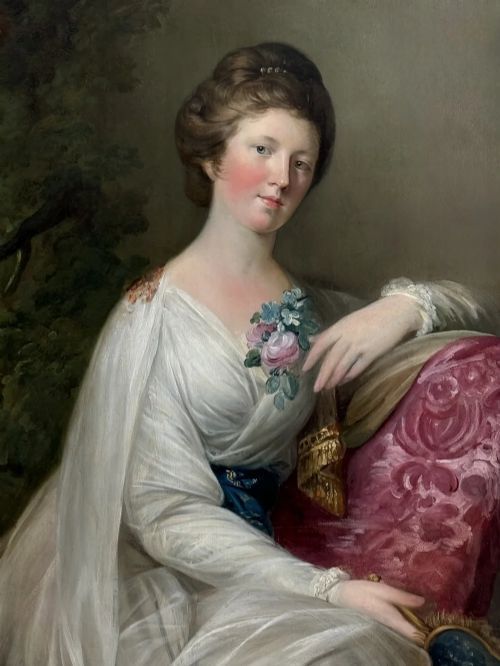
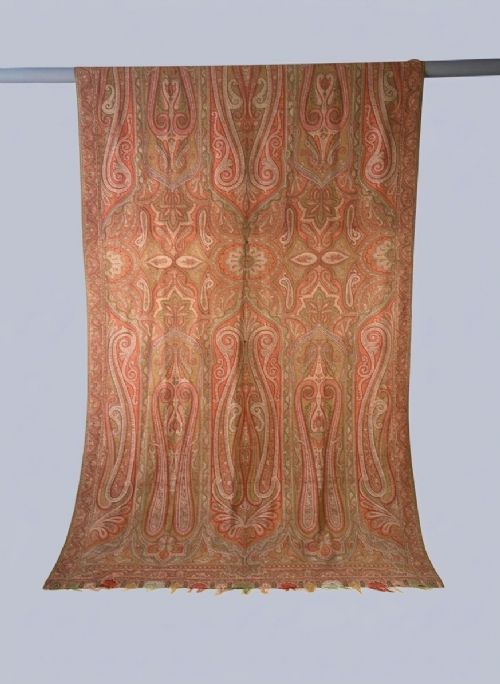
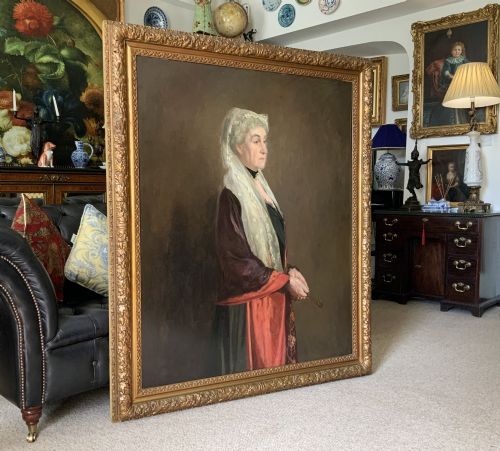
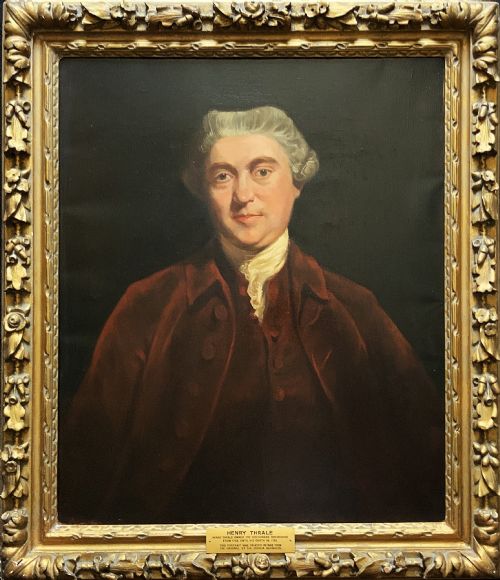
The category also embraces domestic textiles such as large Paisley wool shawls and functional wooden display cabinets or dresser bases. Portraiture dominates the selection, depicting nobles, architects, children, and gentlemen in historical attire.
Materials and construction methods
Artists painted primarily with oil paint on stretched canvas or prepared wood panels, frequently framing their finished works in gilded wood or giltwood mouldings. Pigments were applied to build deep tones in portraits and landscapes, sometimes finished with protective varnishes.
Textiles like the Paisley shawls utilised fine wool woven on complex looms to create intricate patterned borders and detailed ground designs. Furniture pieces in oak utilised traditional joinery techniques to house and display objects safely.
Listings feature works spanning from the 17th Century to 1960, utilising oil paint, canvas, wood, and gold leaf.
Elements of execution and condition
Quality rests in the handling of brushwork, anatomical proportion, and light within the painted surface. Superior portraits capture facial expression and fabric texture with conviction, whereas lesser examples show stiff rendering or flat backgrounds.
The integrity of the original support, whether canvas or wood panel, dictates longevity. Frame craftsmanship also matters, with original carved giltwood frames holding greater merit than later replacements.
JOHN HAYLS·William Beattie-Brown·Leonardo Da Vinci·GEORGE GRAHAM·Tom Campbell·GEORGE WILLISON·John Horace Hooper·Hendrik Willem Schweickhardt·Francisco José de GOYA y Lucientes·Sir Joshua Reynolds·George Houston·C. Sørensen·Albert Clark·W.R. Waters·Jonny Gaston·John Lübschitz·Edward Ladell·Max Kaltenmoser·Howard Helmick·James Hamilton·Stephen Pearce·Henry Windsor Fry·Ian Parker
The Traditional Fine Art Glossary
- Oil on Canvas
- Pigments mixed with drying oils applied to a stretched woven fabric support. This method allows for subtle blending and rich layering of colour.
- Wood Panel
- A rigid flat wooden support used by artists before canvas became universal. Panels provide a stable surface for detailed brushwork.
- Giltwood
- Wood carved and coated with a thin layer of gold leaf or metallic powder. It provides decorative framing for paintings and mirrors.
- Genre Painting
- Art depicting scenes from everyday life, ordinary people, and domestic interiors. These works often carry narrative or moral elements.
- English School
- A classification for works produced by artists trained or working in England during a specific historical period. It groups together regional stylistic traits.
Traditional Fine Art: Frequently Asked Questions
How should I hang an antique oil painting safely?
Use professional picture wire and substantial wall anchors suited to the weight of the frame and canvas. Avoid hanging pieces on walls exposed to direct sunlight or sudden temperature shifts.
Keep paintings away from damp areas and active heat sources to prevent the canvas from slackening and the wood panel or frame from cracking.
What is the difference between a portrait and a genre painting?
A portrait focuses on the specific likeness and identity of an individual, often commissioned to record status or lineage. These works depict real people from history.
Genre painting illustrates scenes of everyday life and ordinary activities involving anonymous figures. These compositions capture domestic moments, work, or leisure rather than specific persons.
How do I identify the period of an oil painting?
Examine the materials of the stretcher, canvas preparation, and framing style alongside any visible signatures or dates. Costume, hair styling, and furniture depicted within the scene also offer reliable clues to the era.
Consulting the stretcher frame often reveals old exhibition labels, stamps, or handwritten inscriptions left by previous owners or framers.
Can antique textiles be displayed on walls?
Large wool shawls can be mounted on specialist padded supports or framed behind UV-filtering glass to prevent fibre degradation. Weight must be distributed evenly across the textile.
Limit exposure to bright natural light to protect dyed wool fibres from fading over time while hanging in domestic rooms.