



Traditional Fine Art Oil
Traditional fine art oil works bring canvas, panel and wood to life with rich pigment, offering historic portraits, landscapes and still lifes for the home.
Traditional Fine Art Oil
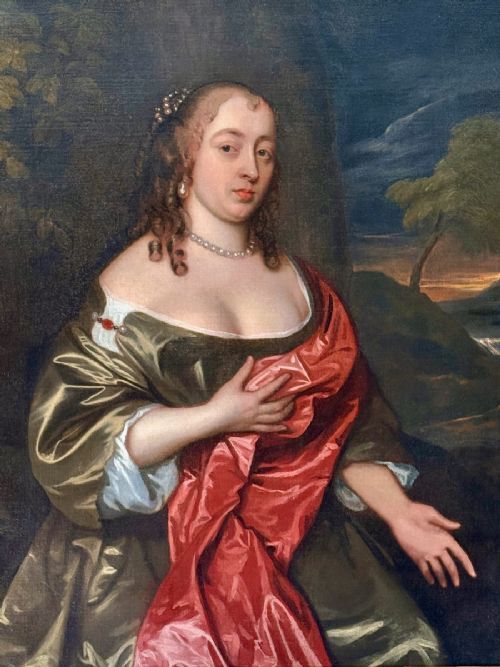
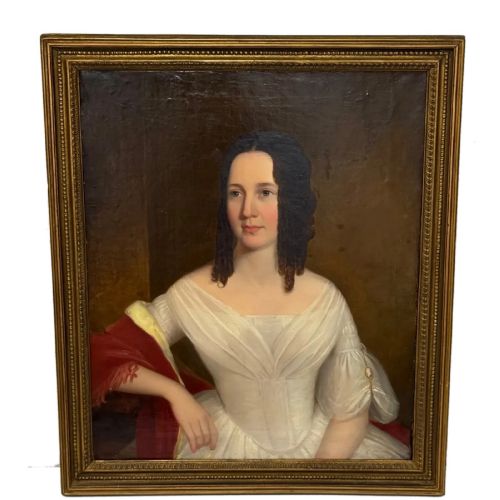
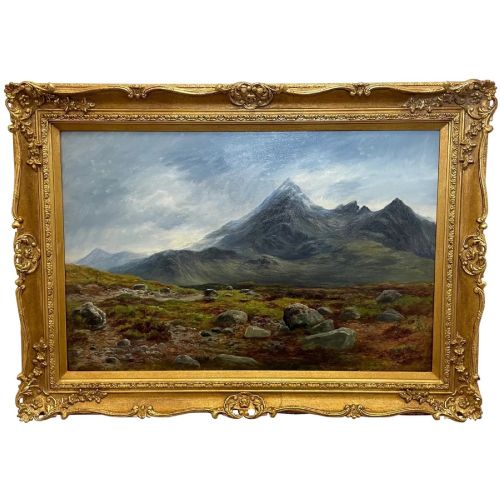
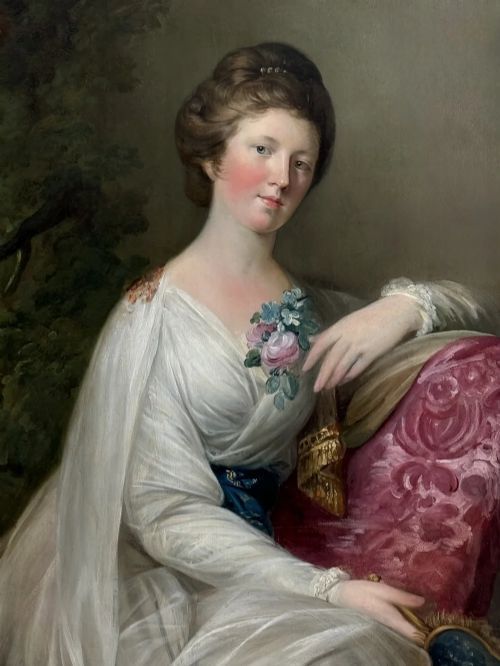
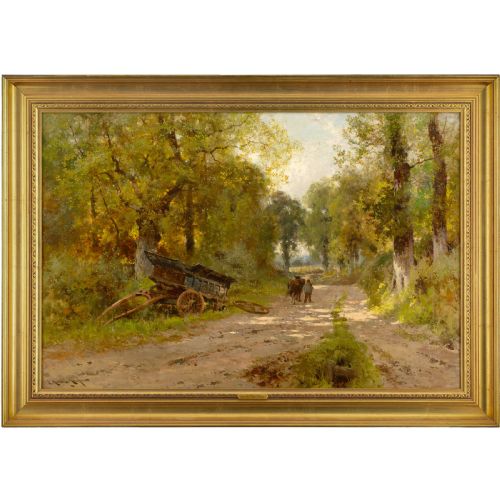
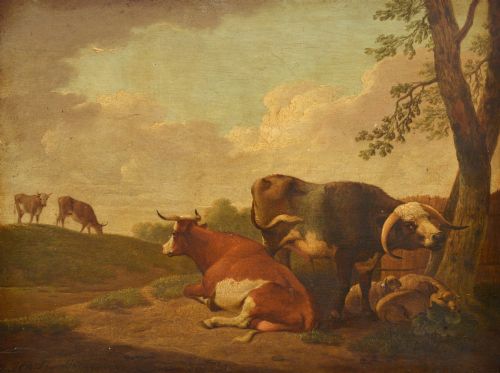
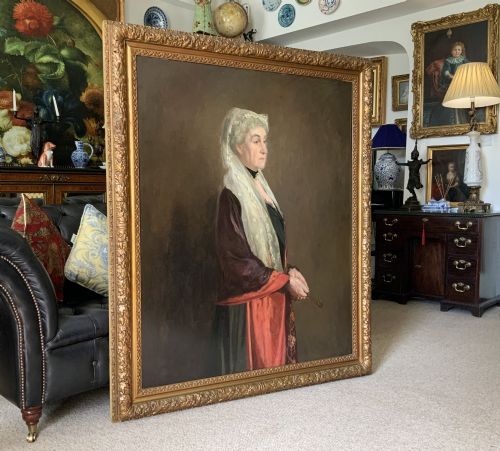
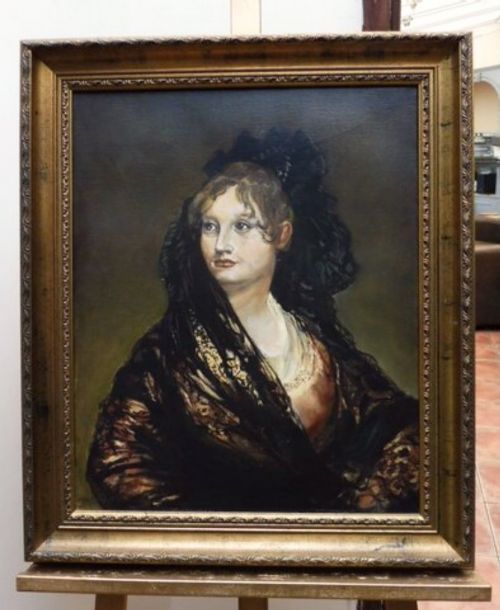
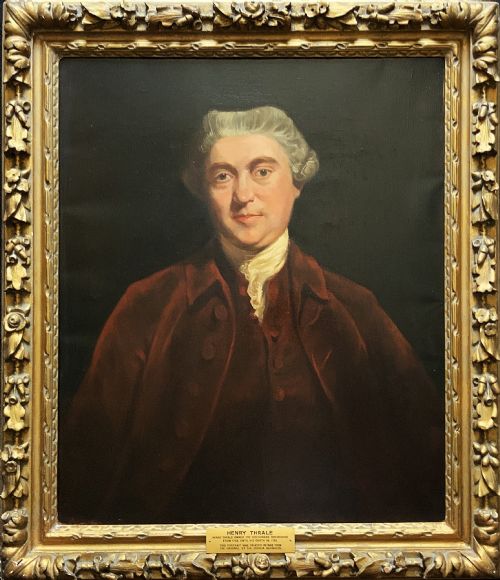
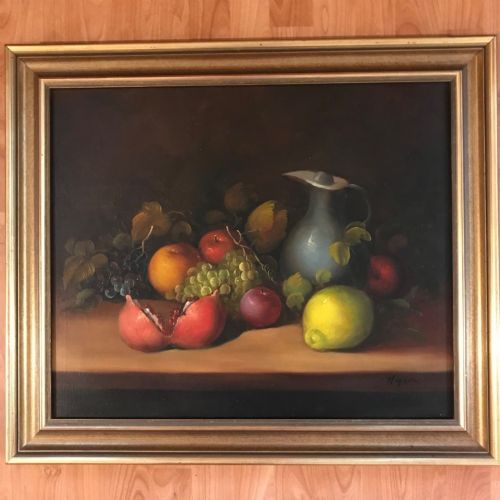
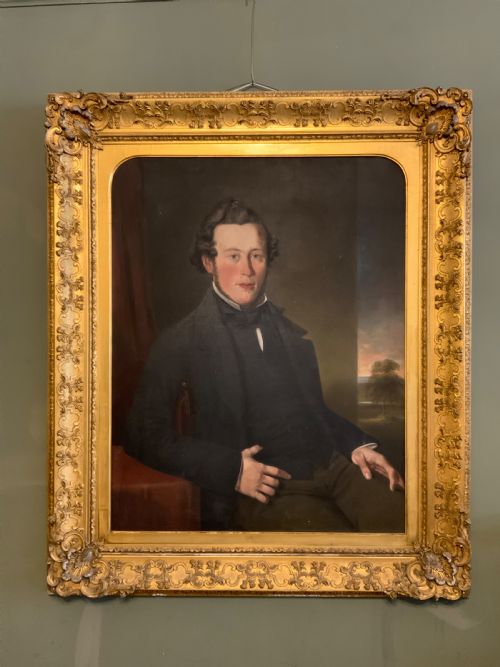
Traditional fine art oil creations span centuries of painterly expression, capturing human likenesses, pastoral landscapes, domestic interiors and vibrant still lifes. Buyers searching for traditional fine art oil pieces encounter everything from grand aristocratic portraiture to intimate studies of Scottish hillsides and quiet rooms.
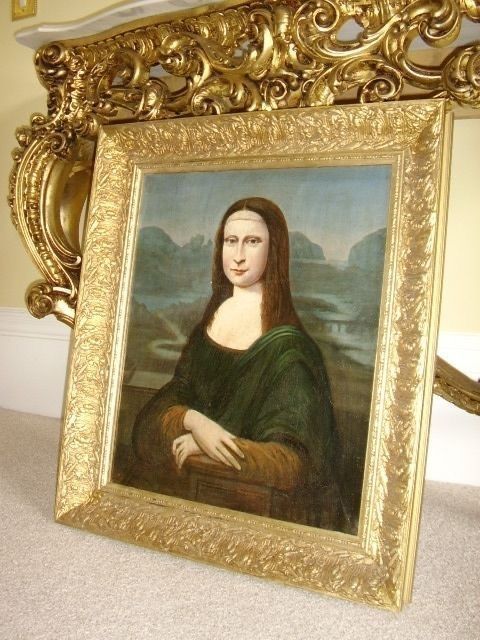
The pieces listed here predominantly emerge from the seventeenth, eighteenth, nineteenth and early twentieth centuries, alongside mid-century interpretations and copies after Old Masters. Works range in scale from monumental canvases intended for stately drawing rooms down to modest panels suited for smaller spaces.
How these works were created
Artists applied oil paint using brushes and palette knives, building up layers of pigment upon stretched canvas, prepared wood panels or heavy board. This slow-drying medium allowed painters to blend tones subtly and achieve deep luminosity across flesh, fabric and foliage.
Many historical paintings retain their original giltwood frames, which often incorporate elaborate mouldings and gold leaf applied by skilled artisans to complement the composition within.
Traditional Fine Art Oil Retail Price Guide 2026
Typical asking prices for traditional fine art oil among the pieces listed under this phrase on Sellingantiques today, from the lower quarter to the upper quarter. They describe what is for sale here now, not the wider market.
Listings feature works spanning the Georgian, Victorian and Edwardian eras, executed in oil on canvas and wood panel.
What separates the finest works
Quality rests upon the sureness of the brushwork, the anatomical or spatial accuracy of the composition, and the artist's ability to manipulate light and shadow across the subject. Superior pieces display confident handling of texture, whether rendering the sheen of silk in a portrait or the atmospheric depth of a landscape.
Condition also plays a vital role, distinguishing works that retain their original pigment vibrancy and unlined canvas support from those altered by extensive overpainting or structural damage.
JOHN HAYLS·William Beattie-Brown·GEORGE GRAHAM·Tom Campbell·GEORGE WILLISON·Hendrik Willem Schweickhardt·Sir Joshua Reynolds·George Houston·C Sørensen·Albert Clark·W R Waters·Jonny Gaston·John Lübschitz·Edward Ladell·Max Kaltenmoser·Howard Helmick·James Hamilton·Stephen Pearce·Henry Windsor Fry·Ian Parker·Albin Mattenheimer·Carl Whitfield
The Traditional Fine Art Oil Glossary
- Oil on Canvas
- A painting technique where pigmented oil is applied directly to a woven fabric stretched across a wooden frame. This combination provides a flexible and durable surface favoured by artists for centuries.
- Giltwood
- Timber carved and coated with a thin layer of gold leaf or metallic powder. It frequently frames traditional paintings to add reflective brilliance and decorative weight.
- Genre Painting
- A scene depicting aspects of everyday life, such as domestic interiors, market squares or leisure activities. These works focus on ordinary people rather than historical or mythological subjects.
- Wood Panel
- A rigid flat wooden support used by artists before stretched canvas became dominant. Panels offer a smooth and stable ground for fine brushwork.
Traditional Fine Art Oil: Frequently Asked Questions
How do I date an old oil painting?
Dating relies upon examining the canvas weave, the stretcher construction, and the type of ground preparation applied beneath the paint layer. Style of dress, framing techniques and artist signatures or exhibition labels further help narrow down the period.
Analysing the chemical composition of pigments can also provide clues, though physical evidence on the reverse of the work usually offers the most reliable starting point.
Where should I hang an oil painting?
These works suit principal reception rooms, studies and hallways where lighting can be controlled to prevent direct glare. Avoid placing them above active fireplaces or on damp exterior walls.
Stable humidity and temperature protect both the canvas support and the traditional wooden frame from warping or cracking over time.
What is the difference between canvas and panel?
Canvas provides a woven texture and flexibility, making it ideal for large-scale transport and expansive compositions. Wood panels offer a rigid, completely smooth surface that allows for minute, highly detailed brushwork.
Both supports require different conservation approaches, as wood can split with humidity changes while canvas can sag.