




Scottish Figurative Art
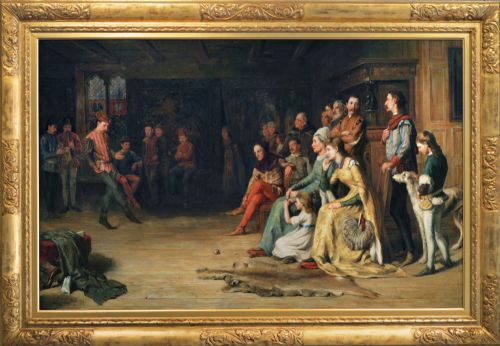
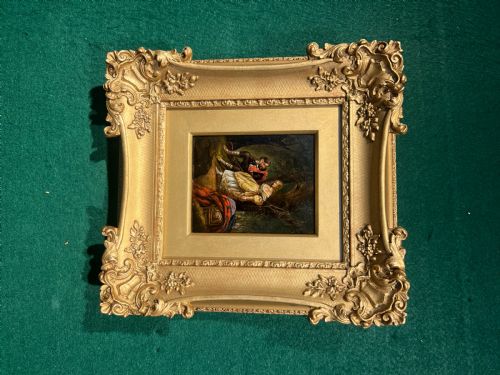
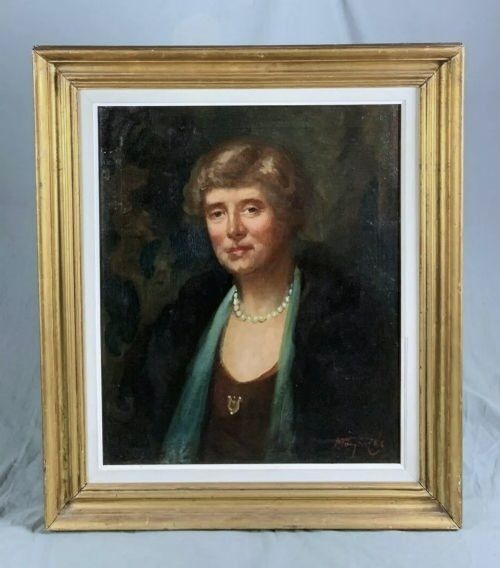
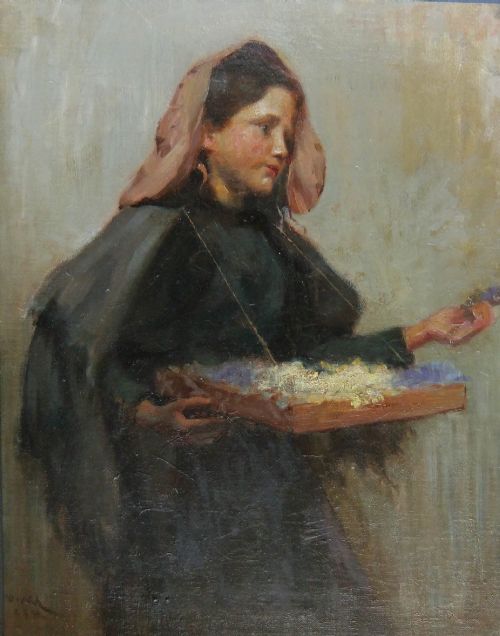
Scottish figurative art brings interiors, dancers, and portraits from various centuries into your home through skilled brushwork and carving.
Scottish Figurative Art
When you search for scottish figurative art, you encounter works that capture people, domestic scenes, and character studies across multiple periods. The selection spans oil paintings, watercolours, ink drawings, and carved wood sculptures.
You are most likely to meet oil on canvas paintings and framed watercolours depicting domestic subjects, dancers, and portraits. These pieces reflect traditions ranging from Georgian and Victorian eras to mid-century British modernism.
The objects include genre historical paintings, interior watercolours, and life-size portrait busts. Each piece demonstrates a specific focus on human subjects within Scottish artistic output.
Materials and Construction
Painters utilised oil paint and watercolour on canvas, paper, or panel to build their compositions. Frames often incorporate wood, gesso, and giltwood finishes.
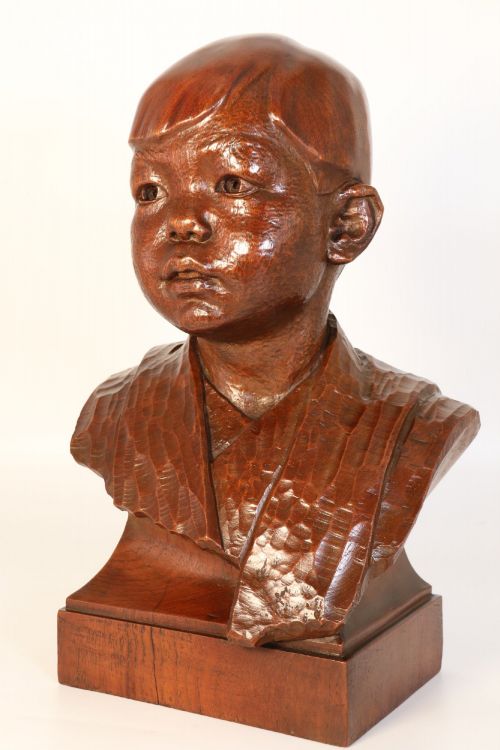
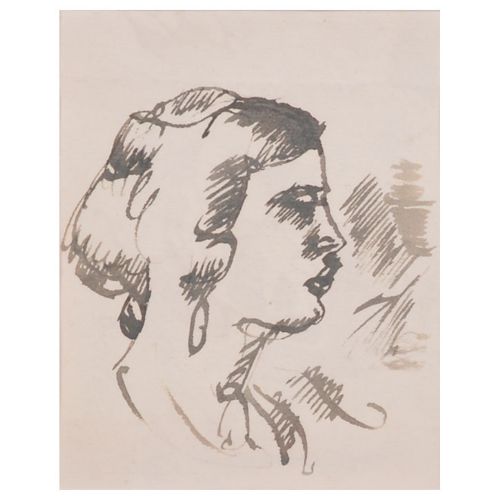
Sculptors worked directly in walnut to create detailed life-size busts. Draftsmen utilised ink on paper for studies of figures.
A peasant's loyal dog shares canvas space with its owner, proving that historical portrait sitters sometimes insisted on bringing their pets to work.
Factors of Quality
The strength of the draftsmanship and the confidence of the brushwork separate ambitious compositions from simpler student exercises. Handling of light and facial expression dictates the success of a portrait or interior scene.
The condition of the original canvas, paper, or carved walnut surface impacts the overall integrity of the piece. Frames featuring period giltwood and gesso add to the completeness of the artwork.
James Hamilton ARSA·Charles James McCall·William Watt Milne·George Henry Paulin RBS·James Kyd·Robert Eadie RSW·Richard Waitt·John Duncan Fergusson·Theobald Chartran·Edward J. Cobbett
The Scottish Figurative Art Glossary
- Oil on Canvas
- Pigment mixed with drying oil applied to stretched fabric. This medium allows for rich colour depth and layered texture.
- Watercolour
- Pigment suspended in water-based solution applied to paper. It produces translucent washes and delicate tonal shifts.
- Giltwood
- Wood carved and coated with gold leaf or a gold-coloured metallic finish. It frequently frames traditional oil paintings.
- Gesso
- A paint mixture consisting of a binder mixed with chalk, gypsum, or pigment. It prepares wooden frames or panels for gilding and painting.
- Genre Painting
- Art depicting scenes from everyday life. These works often show domestic interiors, labourers, or social gatherings.
Scottish Figurative Art: Frequently Asked Questions
What subjects appear in these works?
The pieces display dancers, domestic workers, pianists, and formal portraits of individuals. Scenes often capture figures within Highland cottages or interior settings.
Artists recorded both everyday people and notable historical figures, providing a visual record of Scottish society across different centuries.
How should I display these pieces?
Framed paintings and works on paper suit traditional living spaces with stable humidity levels away from direct sunlight. Wall placement should protect delicate watercolours and oil surfaces from environmental shifts.
Sculptures require sturdy pedestals or surfaces where the carved walnut detail remains visible from multiple angles.
How do I identify the period?
Stylistic clues, framing materials, and artist signatures help establish the era of creation. Victorian and Edwardian works often feature distinct clothing and interior details.
Documentation on the reverse or recorded artist lifespans provide firmer dating for specific portraits and genre scenes.
Are these works signed by the artists?
Several pieces bear visible signatures, monograms, or contemporary inscriptions from the creators. Attribution notes on historical works often link them to specific regional schools.
Unsigned pieces rely on stylistic comparison, materials, and subject matter to indicate their period of origin.