


Traditional Fine Art Canvas
Traditional fine art canvas brings oil paintings on fabric support into a room, offering historic portraiture, landscapes, and still life compositions.
Traditional Fine Art Canvas
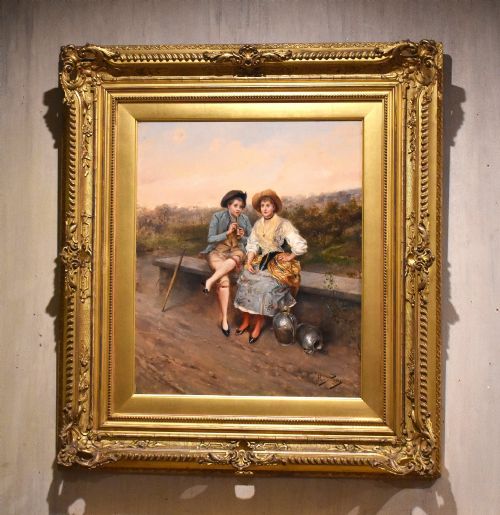
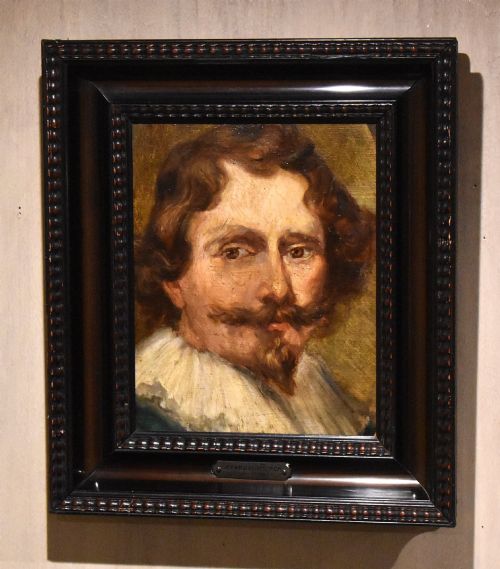
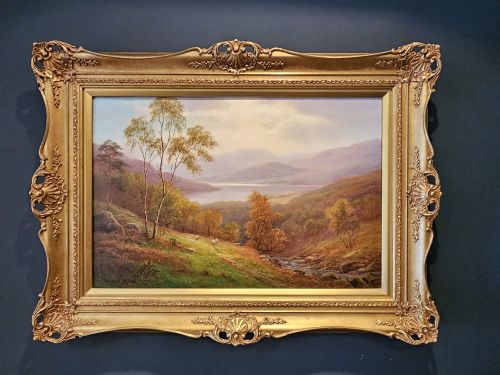
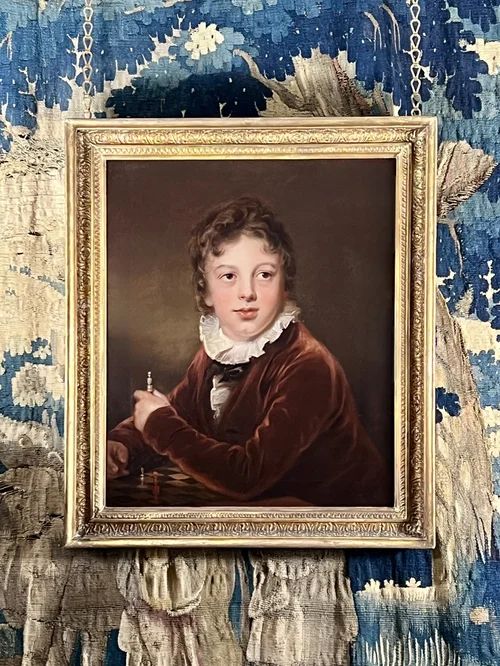
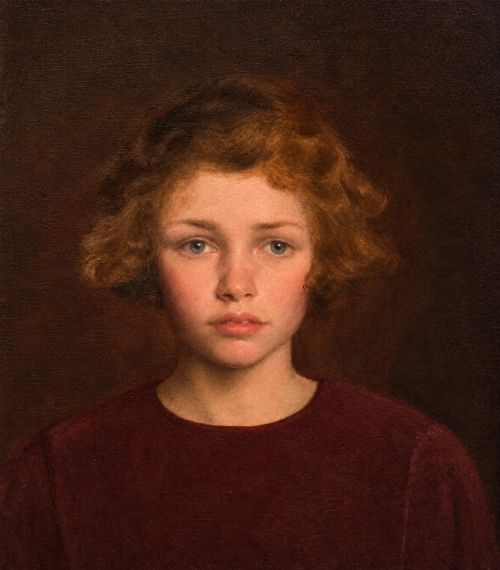
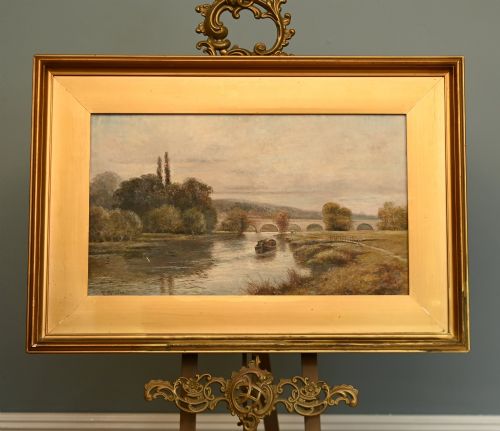
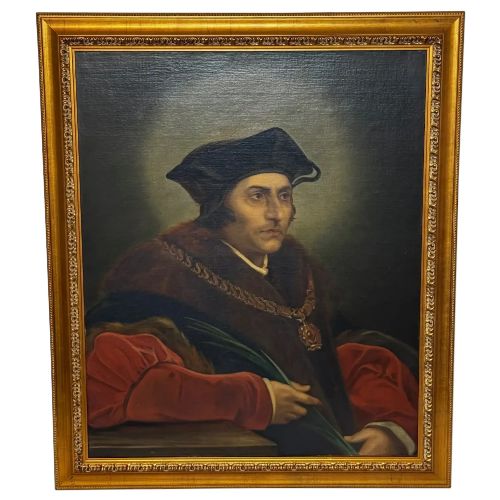
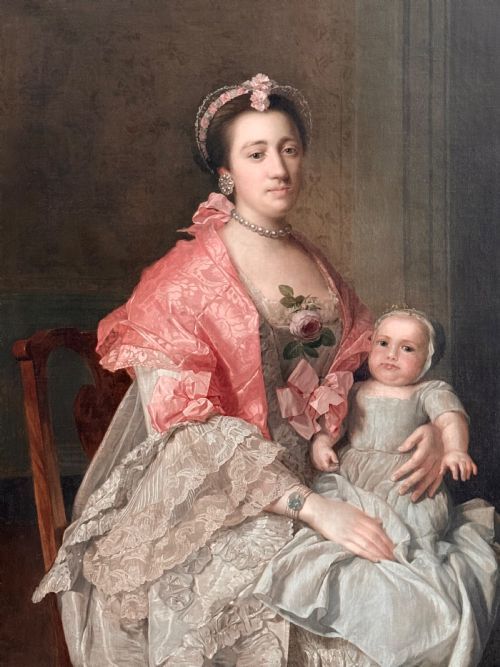
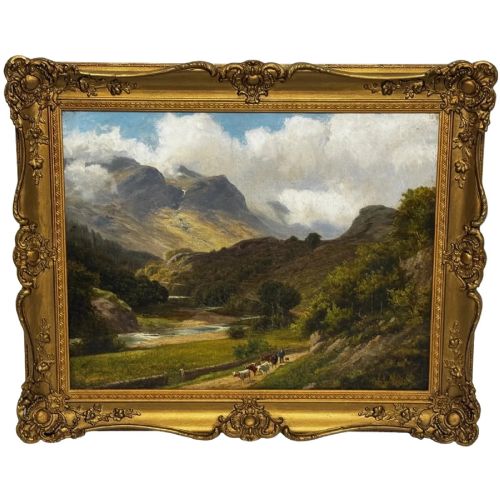
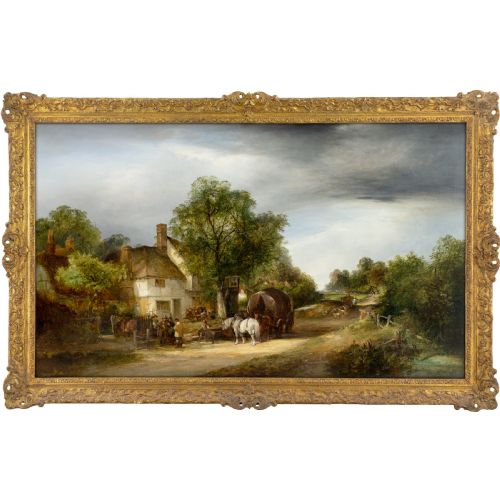
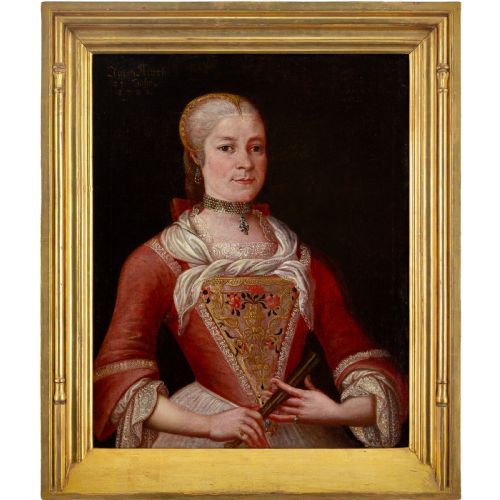
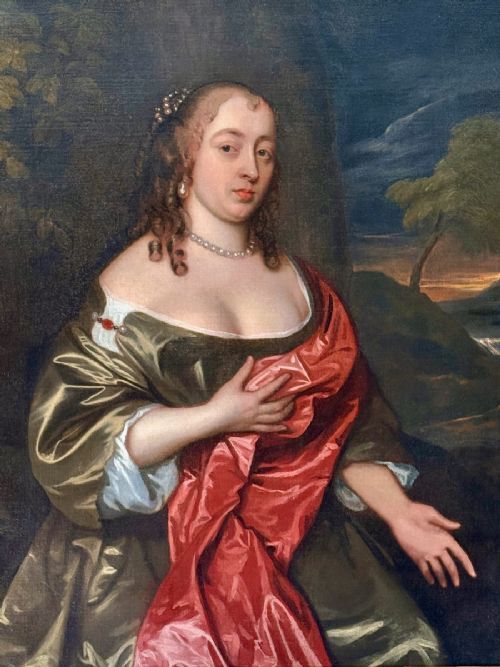
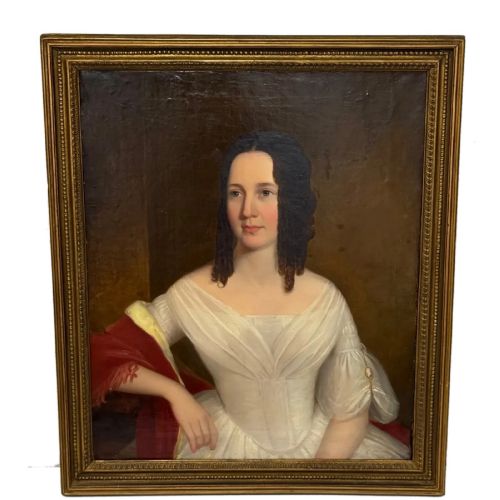
When searching for traditional fine art canvas, buyers encounter oil paintings executed on woven fabric supports across multiple centuries. These works span portraits of individuals, pastoral landscapes, and interior genre scenes.
The pieces appearing on this page originate from periods including the Georgian era, the nineteenth century, and the Edwardian period. Such works reflect artistic movements ranging from Baroque and Romanticism to Victorian realism and Scottish impressionism.
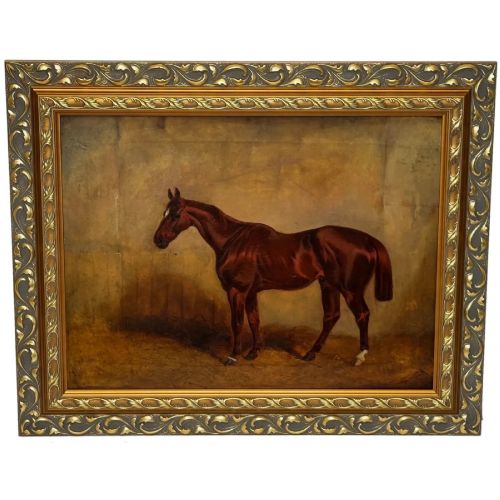
Subjects vary widely, from detailed depictions of horses and fruit still lifes to narrative historical scenes and copies after earlier masters like Leonardo da Vinci and Joshua Reynolds.
Materials and construction methods
These works rely upon oil paint applied to stretched canvas supports, frequently mounted within wooden and giltwood frames. The ground layer receives pigment bound in drying oils, allowing for subtle tonal gradation and rich impasto.
Artists utilised gold leaf and gesso to embellish frames, which often bear the hallmarks of period framing techniques associated with the canvas age.
Canvases capture domestic animals sharing the frame with humans, from sheep resting in the highlands to dappled buckskin horses.
Distinctions in quality and execution
Quality reveals itself in the handling of light, anatomical precision in portraiture, and the depth of the pigment layers. Stronger works demonstrate confident brushwork and cohesive composition, whereas lesser examples show stiffer application and less resolved background detail.
The preservation of the original canvas and the integrity of the paint surface distinguish superior survivals from pieces that have undergone extensive stabilization or heavy overpainting.
John Hayls·William Beattie Brown·George Graham·George Willison·John Horace Hooper·Hendrik Willem Schweickhardt·Albert Clark·W R Waters·John Lübschitz·Howard Helmick·Edward Ladell·Max Kaltenmoser·James Hamilton·Stephen Pearce·Henry Windsor Fry·Ian Parker·Albin Mattenheimer·Renato Moretti·Robert Watson·William Watt Milne
The Traditional Fine Art Canvas Glossary
- Oil on Canvas
- A painting medium where pigments are bound with drying oils and applied to a woven fabric stretched over a wooden frame. This combination provides flexibility and durability for the pigment layer.
- Giltwood
- Wood carved and coated with thin gold leaf or gold powder, commonly used for period picture frames. It provides a reflective border that complements the oil paintings.
- Genre Painting
- A pictorial representation of scenes from everyday life, involving figures engaged in ordinary activities. These works capture social history alongside domestic or rural routines.
- Impasto
- Paint applied in thick layers that stand out from the canvas surface, retaining the texture of the brush or palette knife. This technique adds tactile dimension to elements like clothing or highlights.
Traditional Fine Art Canvas: Frequently Asked Questions
What periods do these oil paintings represent?
The works span several centuries, including Georgian, Victorian, Edwardian, and mid-twentieth-century examples.
Specific dates within titles point to particular decades or reigns, such as the late nineteenth century and the early nineteen-hundreds.
How were these canvas paintings displayed?
These artworks were traditionally housed in wooden and giltwood frames designed to complement the interior decoration of period homes.
Such frames isolate the painted canvas from the wall and provide structural support for the stretched fabric.
How do I care for an oil painting on canvas?
Keep the piece away from direct sunlight, extreme temperature shifts, and high humidity to protect the canvas support and oil pigments.
Dust the surface gently with a soft, dry brush and avoid using liquid cleaners on the paint layer.
What subjects are common in these fine art works?
Common subjects include human portraits, domestic interiors, pastoral landscapes with livestock, and botanical still lifes.
Narrative historical scenes and reinterpretations of earlier master works also appear frequently across the selection.