


Victorian Canvas Art
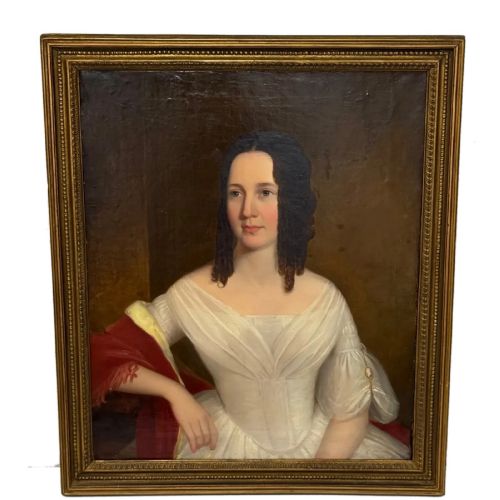
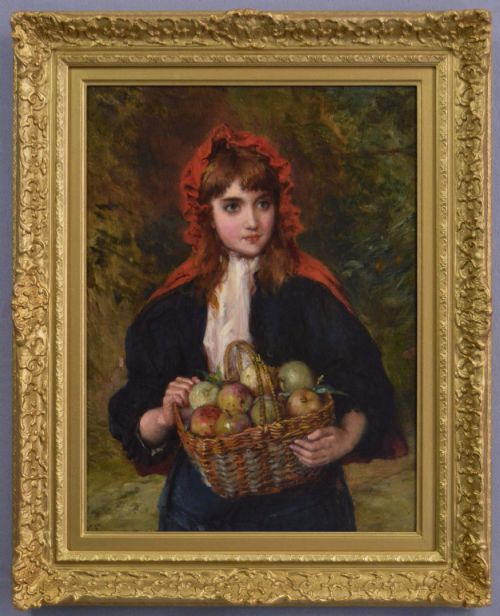
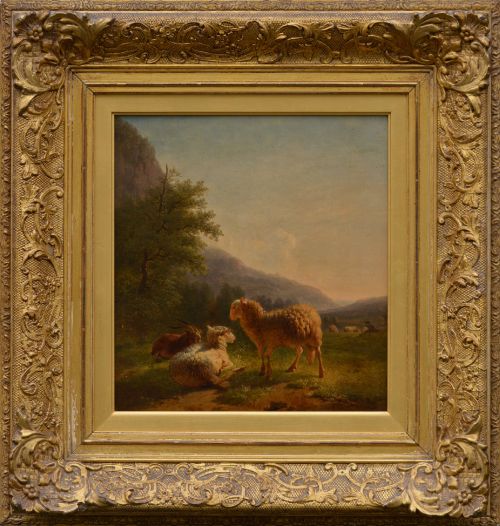
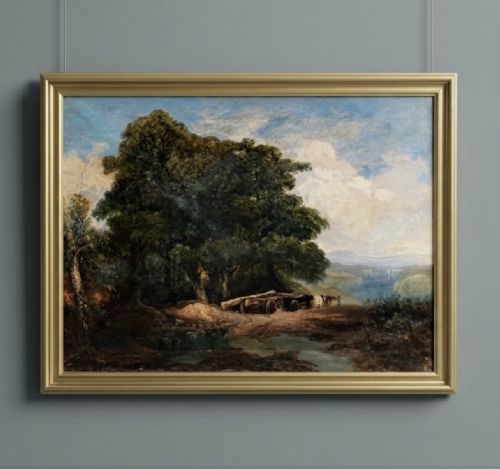
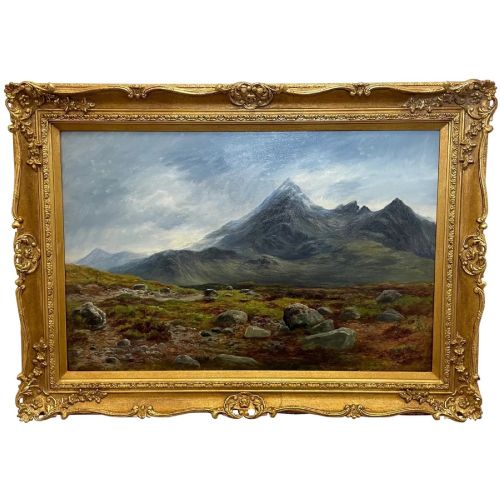
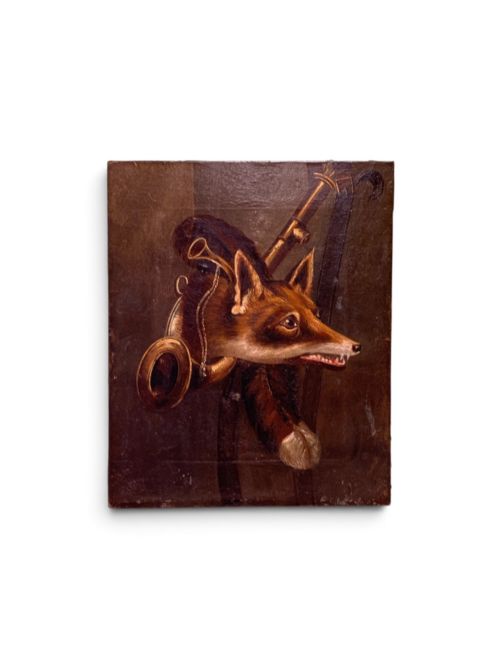
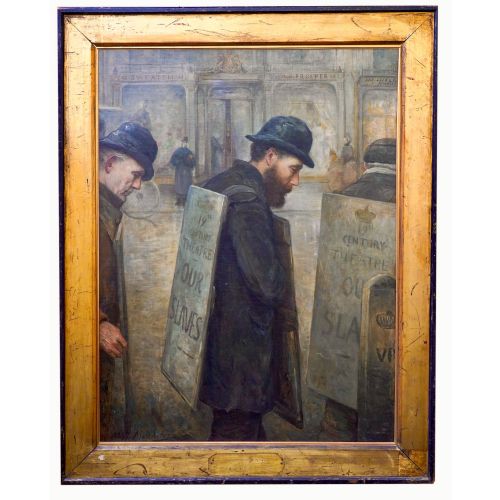
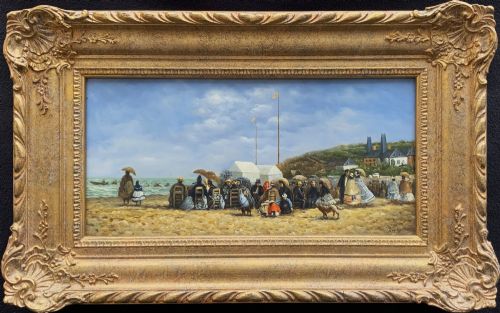
When you search for victorian canvas art, you encounter oil paintings on woven fabric that capture portraits, landscapes and social history.
Victorian Canvas Art
Collectors searching for victorian canvas art encounter paintings originating primarily from the nineteenth century, including specific works dated across the eighteen-eighties and eighteen-nineties alongside related pieces from the regency period and the twentieth century.
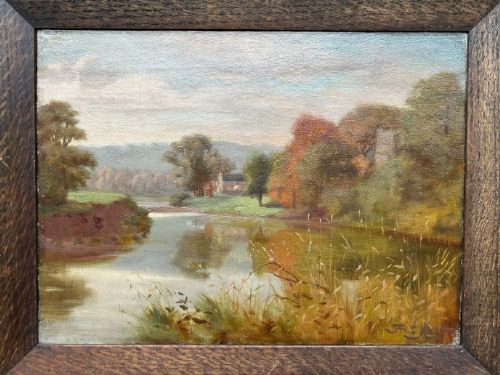
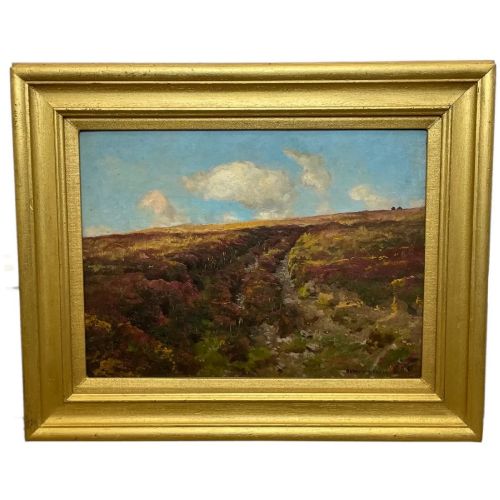
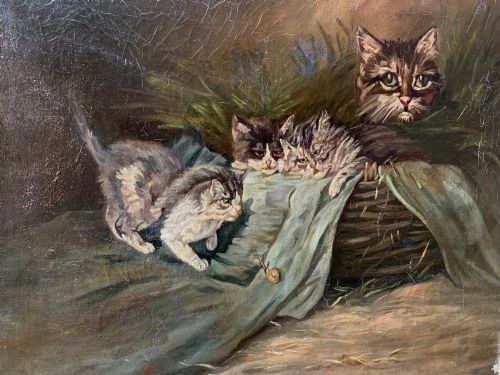
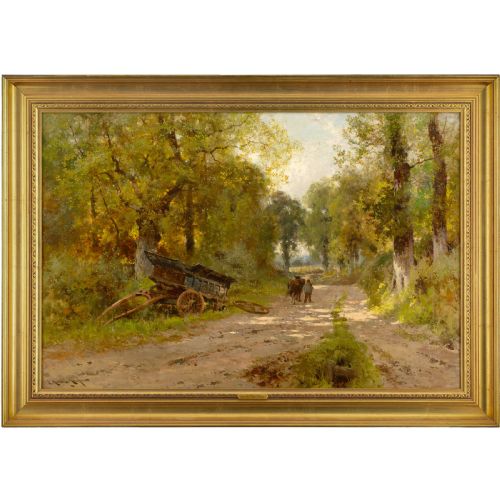
The subjects span portraits of individuals and animals, pastoral landscapes, maritime scenes, sporting art and interior genre studies.
Most examples originate from British and French studios, taking the form of framed oil paintings created on stretched fabric supports.
Materials and construction
These works utilise oil paint applied to woven canvas supports, stretched over wooden frames to provide a stable painting surface.
Many examples retain their original giltwood and gesso frames, constructed from carved wood decorated with plaster mouldings and gold leaf finishes.
Materials recorded across the inventory include oil paint, canvas, wood, giltwood and gesso.
Factors determining quality
The standard of a painting rests upon the confidence of the brushwork, the anatomical accuracy in figures and animals, and the depth achieved in the composition.
The preservation of the original paint layer and the compatibility of the surrounding gilt frame influence the desirability of the piece.
William Oliver·Richard Sebastian Bond·William Beattie-Brown·Felix Stone Moscheles·Valentine T Garland·John Maler Collier·Frederick Marriott·Arthur Wardle·John Horace Hooper·William McAlpine·Alfred Fontville de Breanski Jr·Stephen Samuel Lewin·John Rose Miles·Vittorio Reggianini·Thomas W Lascelles·Mark William Langlois·David Bates·William Broome·Thomas Smythe·Albert Clark·Alfred Lyndon Grace·Arthur Langley Vernon·Charles H Passey·James Edward Grace·Mary Ellen Edwards
The Victorian Canvas Art Glossary
- Oil on Canvas
- A painting medium where pigments are bound with drying oils and applied to a woven fabric support. This combination allows for rich blending of colour and enduring surface flexibility.
- Giltwood
- Wood that has been coated with a thin layer of gold leaf or gold powder. It provides a bright, reflective border that enhances the colours within the painting.
- Gesso
- A paint mixture consisting of a white pigment binder used to prepare wood or canvas surfaces before painting. It creates a smooth, absorbent ground for the artist's work.
- Genre Painting
- The pictorial representation of scenes from everyday life. These works typically depict ordinary people engaged in common activities or domestic interiors.
- Oleograph
- A mechanical reproduction technique that mimics an oil painting by printing in colours on canvas. These pieces emerged as popular decorative alternatives to original artworks.
Victorian Canvas Art: Frequently Asked Questions
How do I care for these paintings?
Keep the canvas away from direct sunlight and damp conditions to prevent the paint from fading or the fabric from sagging.
Dust the surface gently with a soft, dry brush and avoid applying liquid cleaners to the delicate paint layers.
How are these paintings framed?
Most works sit within wooden frames finished with gesso and gold leaf detailing, which protects the outer edges of the canvas.
Original frames often show period wear that complements the age of the artwork inside.
What subjects are most common?
Portraits of people and animals, rural landscapes, and maritime scenes appear frequently across these nineteenth-century works.
Genre paintings depicting domestic scenes and sporting subjects also form a large part of the available selection.
Can I identify the original artist?
Many works bear signatures, monograms, or inscriptions on the canvas or stretcher bars which link them to recorded painters.
Exhibiting styles, subject matter and regional painting schools help attribute unsigned pieces to particular periods.