




Antique Theatrical Painting
An antique theatrical painting captures the drama and colour of the stage, bringing historic performances and performers straight onto canvas.
Antique Theatrical Painting
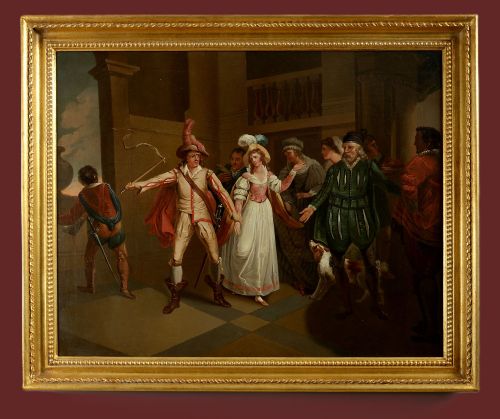
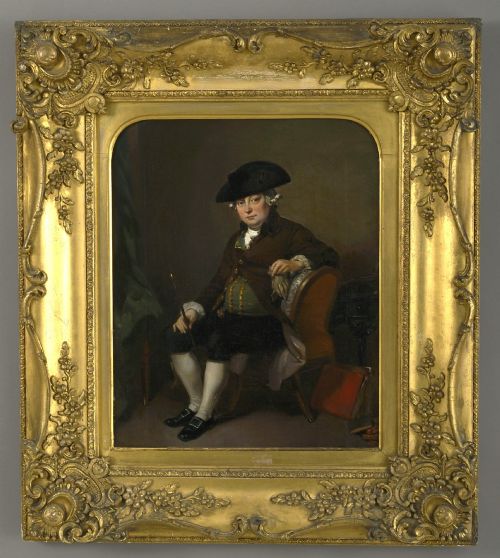
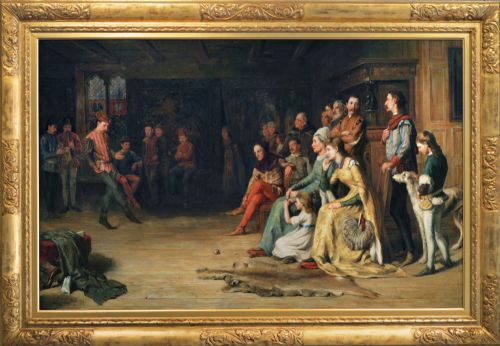
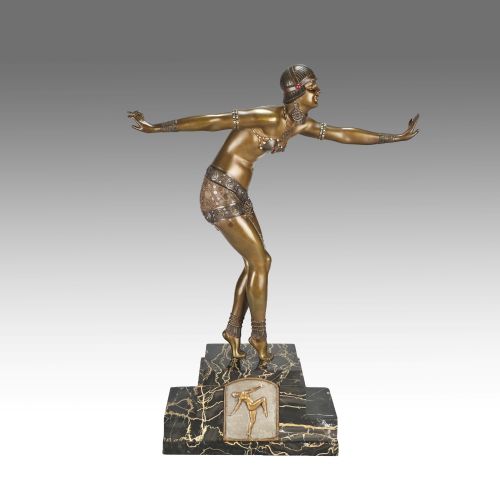
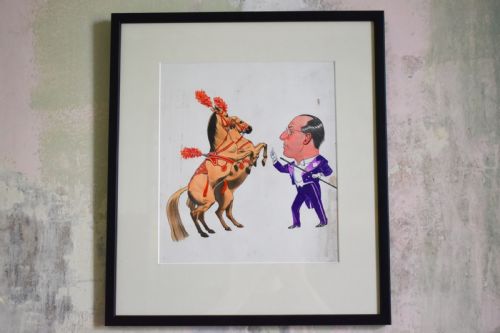
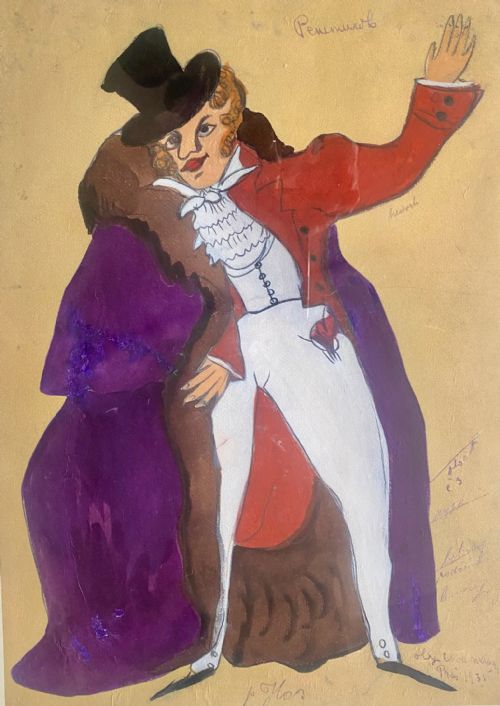
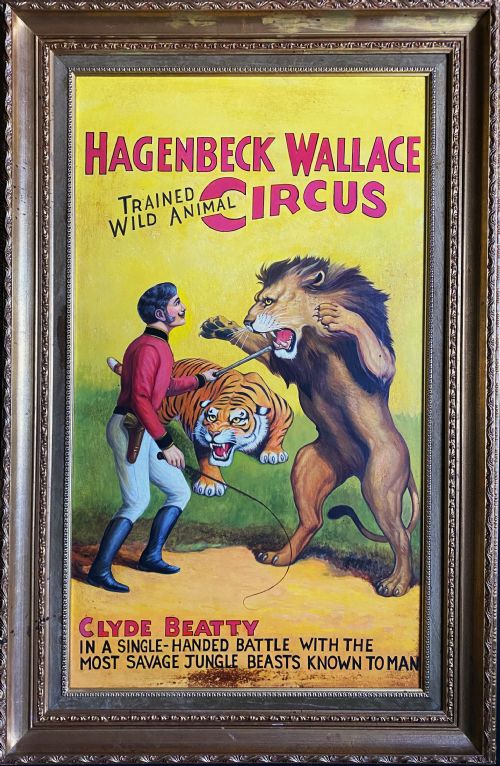
An antique theatrical painting depicts actors, dancers, and scenes from plays or performances, capturing historical moments of stagecraft. Buyers seeking an antique theatrical painting encounter works ranging from formal Georgian portraiture to lively Victorian oil paintings and 20th-century watercolours. These pieces document performers in character, stage scenery, and dramatic episodes, preserving the cultural life of the theatre across different centuries.
The selections on this page span the 18th century through to the mid-20th century, encompassing styles from Georgian Revival to Surrealism and Victorian Folk Art. Oil on canvas and oil on panel predominate among the framed works, alongside watercolours and gouache. Alongside traditional paintings, the records show related visual and sculptural forms including painted panels, scenery boards, and illustrations.
How they were made
Artists typically applied oil paint to stretched canvas or wooden panels, building up layers of pigment to render theatrical costumes and stage lighting. Watercolour and gouache on paper were frequently employed for illustrative works and preparatory sketches.
Framing often utilised giltwood to enhance the visual impact of the composition, while structural elements such as carved wooden panels and theatre scenery boards relied on traditional carpentry and polychrome paint techniques.
Whimsical Walker takes a final bow alongside painted puppets and faux theatre doorways.
What varies in quality
The standard of draughtsmanship and the precision of character likeness distinguish finer works from simpler decorative pieces. Master painters capture the dynamic tension of a performance and the specific textures of theatrical costumes with greater nuance.
Condition and provenance further define the standing of a work, particularly when the sitter, the artist, or the specific stage production is well documented. Original surfaces and period framing retain more of their historical integrity than heavily restored examples.
Samuel De Wilde·James Hamilton·Demetre Chiparus·Hans Temple·Usabal y Hernandez·Richard Geiger·Dame Laura Knight·Lucy Kemp-Welch·George Clint·Samuel John Stump
The Antique Theatrical Painting Glossary
- Oil on canvas
- Pigments bound in a drying oil, usually linseed, applied to a woven fabric support stretched across a wooden frame. This medium allowed artists to achieve rich colour depth and subtle tonal gradations in portraits of actors.
- Watercolour
- A paint consisting of pigment suspended in a water-soluble vehicle, typically applied to paper. It was frequently utilised for rapid theatrical sketches and finished illustrations.
- Giltwood
- Wood that has been coated with a thin layer of gold leaf or gold paint. Frames finished in this manner frequently encase formal theatrical portraits.
- Commedia dell'arte
- An early form of professional theatre originating in Italy, characterised by masked stock characters and improvised routines. Paintings depicting these performers form a distinct genre within theatrical art.
- Panel
- A flat piece of wood used as a rigid support for a painting instead of canvas. Artists working on panel often achieved a smooth, highly detailed surface finish.
Antique Theatrical Painting: Frequently Asked Questions
What is an antique theatrical painting?
An antique theatrical painting is a work of art depicting actors, dramatic scenes, or performers in character from past centuries. These pieces serve as historical records of stage productions and famous theatrical personalities.
They encompass various mediums, primarily oil on canvas, oil on panel, and watercolour, executed in styles ranging from Georgian portraiture to early 20th-century illustration.
How were theatrical paintings used?
These paintings were commissioned or acquired by patrons of the arts, theatre managers, and admirers of specific performers to commemorate notable stage productions. They hung in private residences as expressions of cultural taste and an appreciation for dramatic arts.
Some works served as illustrative records for publications or as preparatory studies for larger compositional pieces.
How do I live with an antique theatrical painting?
Displaying these works away from direct sunlight protects the pigments, particularly watercolours and gouache, from fading over time. Maintaining stable room temperatures prevents warping in wooden panels and canvas stretchers.
Pairing them with period lighting helps recreate the dramatic atmosphere intended by the artists who captured the stage.
How can I tell the period of a painting?
The clothing, hairstyles, and theatrical costume styles depicted often provide the first clue to a work's era, aligning with Georgian, Victorian, or 20th-century fashions. Framing techniques, stretcher construction, and the type of canvas or panel material further assist in dating the piece.
Signatures, inscriptions identifying the actor or play, and documented artist attributions narrow down the timeframe of creation.