


Terracotta Oil Painting
Terracotta oil painting brings together the tactile weight of earthenware and the rich depths of oil paint.
Terracotta Oil Painting
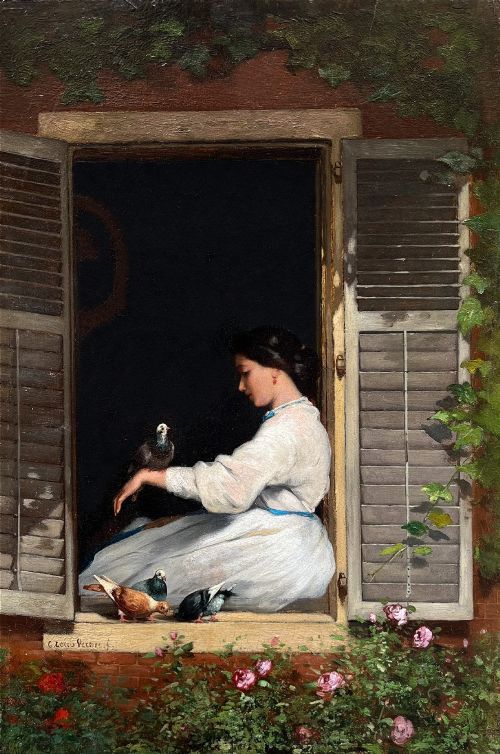
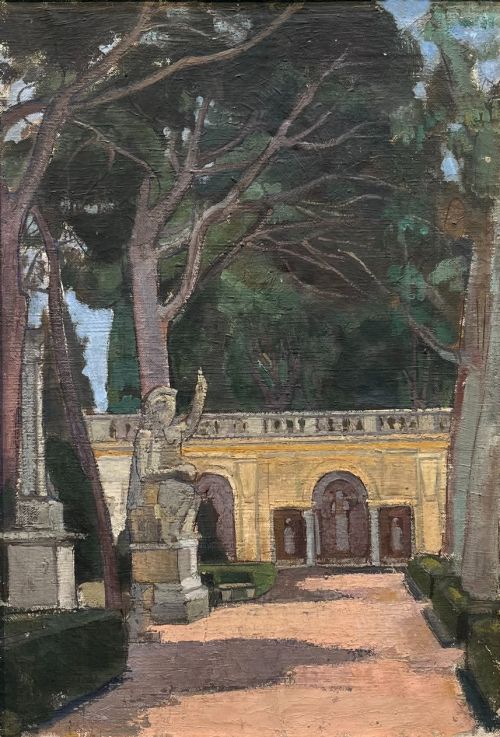
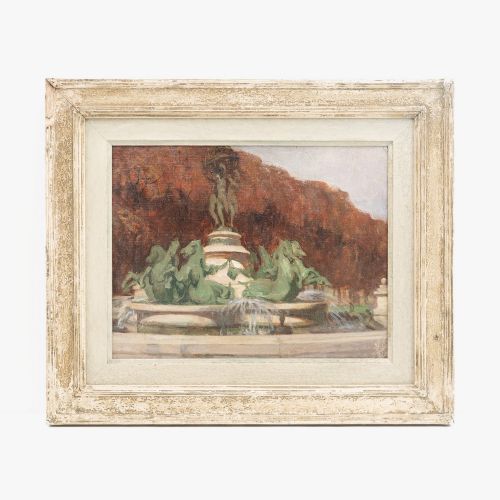
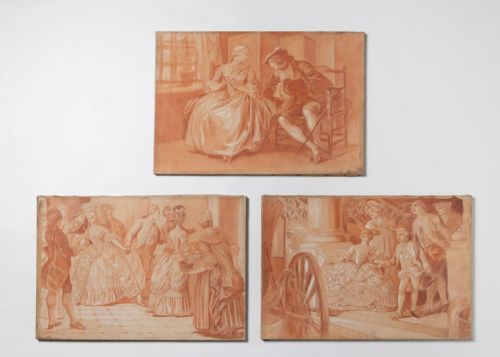
When you search for terracotta oil painting, you encounter works that combine ceramic supports with oil pigment or depict earthenware vessels alongside traditional canvases. These pieces span from the nineteenth century through to the mid-twentieth century, capturing landscapes, still lifes, and portraits.
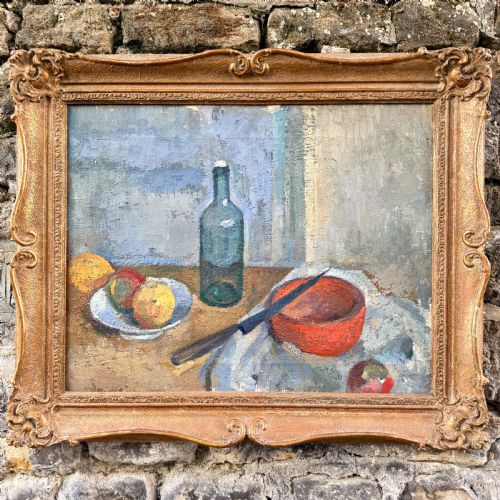
The selection here ranges from nineteenth-century painted pottery vessels and glazed amphorae to canvases featuring oil depictions of terracotta pots and painted olive jars. Such works reflect varied European traditions, including British and French impressionism, alongside modernist interpretations.
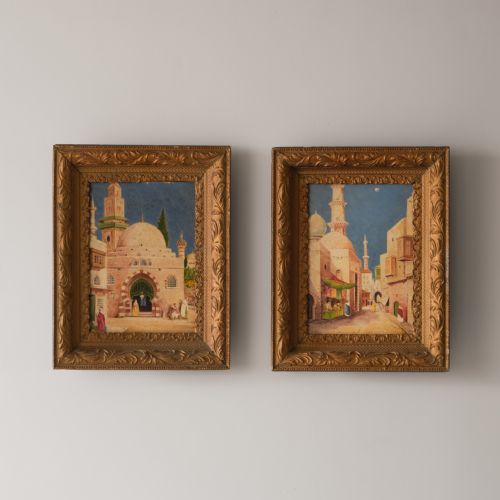
Buyers seeking these items often encounter oil paintings on small terracotta plates alongside framed canvases depicting Mediterranean scenes with earthenware pots. The works bridge fine art painting and decorative ceramics in a single category.
How they were made
The physical construction relies heavily on oil paint applied to canvas, board, or directly onto terracotta plates and pottery vessels. Artists utilised traditional brushes alongside impasto techniques, building up thick layers of pigment to create texture.
Supports include prepared canvas stretched over wooden frames, wooden boards, gilt wood mounts, and heavy earthenware or terracotta vessels. Some compositions incorporate encaustic methods or stipple work alongside standard oil application.
Even artists occasionally needed a break from flat canvas, opting instead to paint serene river landscapes directly onto small terracotta plates.
What varies in quality
Quality depends upon the deftness of brushwork and the harmony of composition, particularly in how light interacts with the painted surface or the terracotta support. Works by established named artists display a more assured handling of pigment and perspective than anonymous school pieces.
The integrity of the physical support also dictates value, whether examining the stable adhesion of oil paint to an earthenware plate or the preservation of canvas and original wood framing over the decades.
Arthur Gué·Louis Charles Verwee·Alexander Jamieson·Herbert Royle·Owen Bowen·Claude Jousset·James Clark·Girieud·Armand Guillaumin·Abraham Hulk Junior·William Hatherell·John Sanderson Wells·Eugene Battaille·Samuel Lawrence
The Terracotta Oil Painting Glossary
- Oil paint
- A slow-drying paint made by combining pigments with oils such as linseed. This medium allows for subtle blending and rich colour saturation.
- Impasto
- A technique where paint is laid onto a surface in very thick layers, standing out visibly from the canvas or board.
- Amphora
- A tall ancient-style ceramic vessel with two handles and a narrow neck, often referenced or painted in classical compositions.
- Encaustic
- A painting method involving heated beeswax mixed with coloured pigments, applied to a prepared support.
- Provenance
- The documented history or lineage of a piece, establishing its origin and previous ownership.
Terracotta Oil Painting: Frequently Asked Questions
What is a terracotta oil painting?
It refers to artworks executed in oil paint upon ceramic or terracotta supports, or oil paintings depicting terracotta objects.
These pieces combine the tactile nature of earthenware with the fluid qualities of traditional oil pigments.
How should I care for these paintings?
Keep them away from direct sunlight and fluctuating humidity to protect both the oil pigment and any underlying terracotta.
Dust canvas surfaces gently with a soft, dry brush and avoid using liquid cleaners on the painted areas.
How do I identify the period?
Dating relies on stylistic movements such as impressionism, post-impressionism, and mid-century modernism, alongside framing and canvas stamps.
Material analysis of the wood, board, or earthenware also helps establish the era of creation.
Where were these pieces produced?
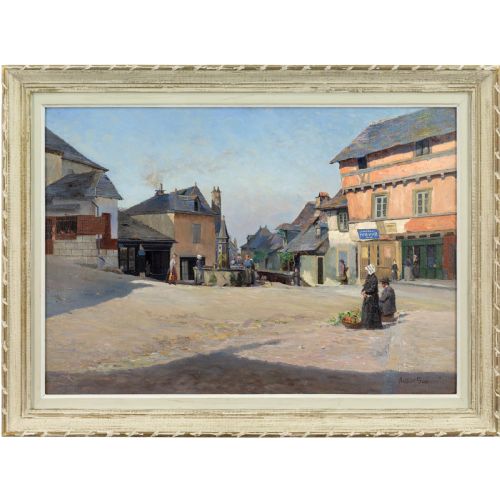
The works originate from various European art centres, with strong representation from British and French schools.
Many depict Mediterranean scenes, reflecting travels to Italy, France, and North Africa during the nineteenth and twentieth centuries.