



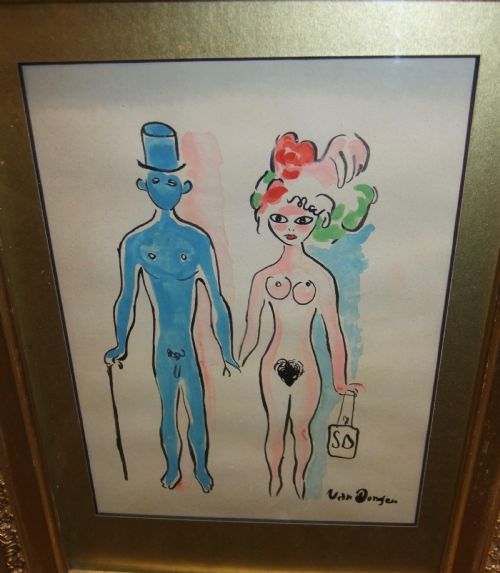


Art Deco Figurative Painting
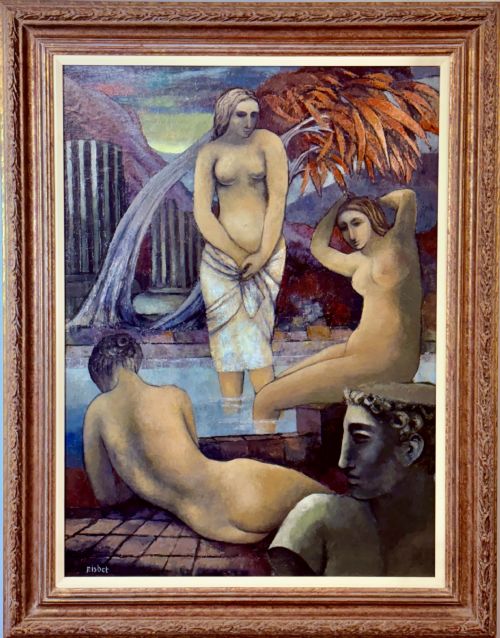
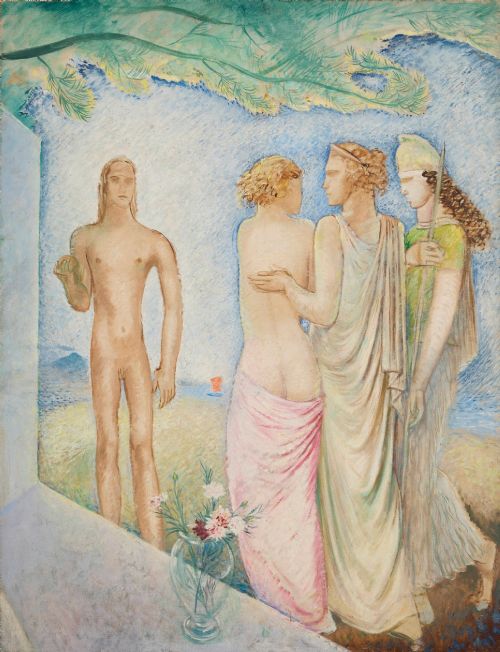
Art deco figurative painting captures the dynamic human forms and modernist energy of the interwar period.
Art Deco Figurative Painting
An art deco figurative painting brings the human form to the fore through the lens of early twentieth-century modernism and the School of Paris. These works capture dancers, bathers, and portraits with a distinct stylistic confidence that defined the era.
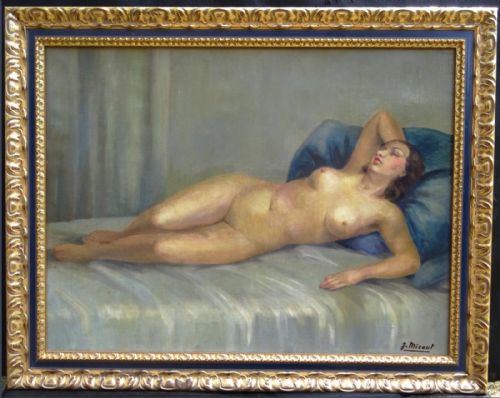
The pieces on this page span the 1910s to the 1930s, reflecting the artistic shifts from the Belle Epoque into fully realised Art Deco and Fauvist expressions. Subjects range from theatrical watercolours to oil paintings of female nudes on canvas.
Buyers will find both framed canvas works and pieces on paper, including pastels and watercolours. French origins dominate the selection, bringing an authentic Parisian bohemian sensibility to each depiction of the human figure.
How they were made
Artists worked primarily in oil on canvas or mixed media on paper, utilising wood and giltwood frames to complete the presentation. The application of paint ranges from smooth, controlled brushwork to bolder strokes characteristic of Fauvism.
Watercolour and pastel on board also appear, demonstrating the varied approaches artists took to capture light and movement on paper. Framing often includes period giltwood, which complements the aesthetic of the painted surface.
Art Deco Figurative Painting Retail Price Guide 2026
Typical asking prices for art deco figurative painting among the pieces listed under this phrase on Sellingantiques today, from the lower quarter to the upper quarter. They describe what is for sale here now, not the wider market.
Several ladies sunbathe on cliffs while a bronze boy named Sonny Boy strikes a pose nearby.
What varies in quality
Quality rests in the assuredness of the draftsmanship and the strength of the composition, where the artist captures the vitality of the subject with economy of line. Stronger pieces display a confident handling of the human figure that anchors the modernist aesthetic.
The integrity of the original medium and the condition of the support, whether canvas, board, or paper, dictate the visual impact of the work. Retaining original framing elements such as period giltwood also contributes to the historical completeness of the piece.
Christine Nisbet·Glyn Warren Philpot·Beatrice Saunders·Raymond Moritz·Usabal y Hernandez·Albert Guillaume·Ferdinand Preiss·Kees van Dongen
The Art Deco Figurative Painting Glossary
- Art Deco
- A design style of the 1920s and 1930s characterised by streamlined forms and vibrant modernity. It influenced painting and sculpture across Europe.
- School of Paris
- A loose collective of artists working in Paris during the early twentieth century. Many foreign-born painters contributed to this diverse modernist community.
- Fauvism
- An early twentieth-century movement known for strong colours and painterly qualities. Artists prioritised painterly independence over representational accuracy.
- Giltwood
- Wood that has been coated with gold leaf or a gold-coloured finish. It provides a traditional decorative border for framed artworks.
- Provenance
- The documented history of ownership of a work of art. It establishes authenticity and traces the journey of the piece through time.
Art Deco Figurative Painting: Frequently Asked Questions
What defines an art deco figurative painting?
These works focus on the human form through the lens of 1920s and 1930s modernism. They often depict dancers, nudes, and theatrical scenes with stylised elegance.
The palette and composition reflect the artistic movements of Paris during the interwar years, blending traditional portraiture with avant-garde influences.
Are these paintings typically framed in period frames?
Many selections retain their original framing, which often includes period giltwood or simple wood surrounds suited to the era. The frame style helps place the artwork within its historical context.
Buyers should examine the listing details to confirm whether the artwork includes its vintage frame or is presented unframed.
How do I care for works on paper versus canvas?
Works on paper, such as watercolours and pastels, require protection from direct sunlight to prevent fading. Framing under UV-resistant glass helps preserve the pigments over time.
Oil paintings on canvas are generally more robust but still benefit from stable indoor humidity and avoidance of extreme temperature fluctuations.
Where were most of these figurative pieces created?
A significant portion of these works originates from France, particularly artistic hubs like Paris and Montparnasse. The bohemian lifestyle of the 1920s inspired many of the artist models and studio scenes captured here.
International artists working within the European modernist tradition also contributed to this vibrant body of figurative art.