


Traditional Equestrian Wall Picture
When you search for a traditional equestrian wall picture, you find centuries of British sporting heritage captured in oil, print and watercolour.
Traditional Equestrian Wall Picture
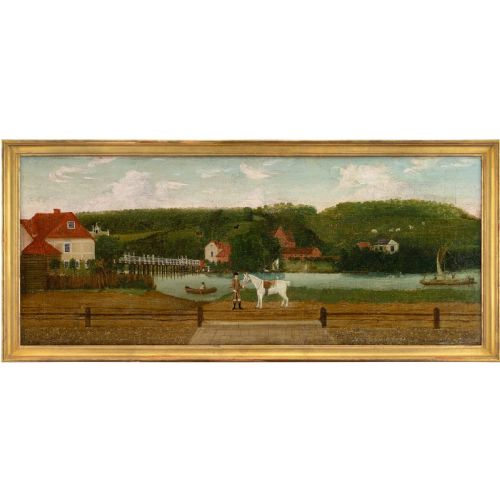
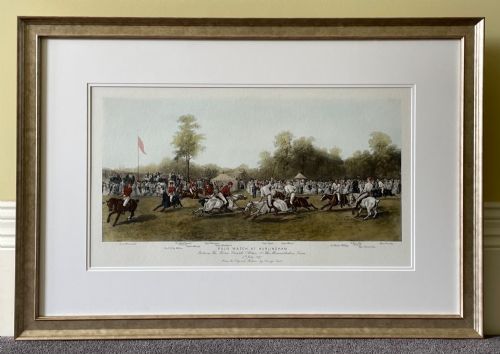
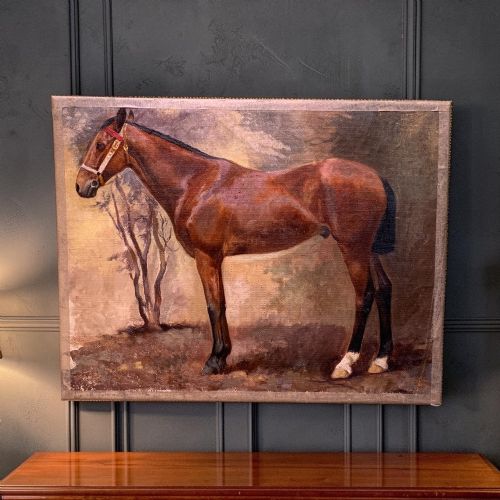
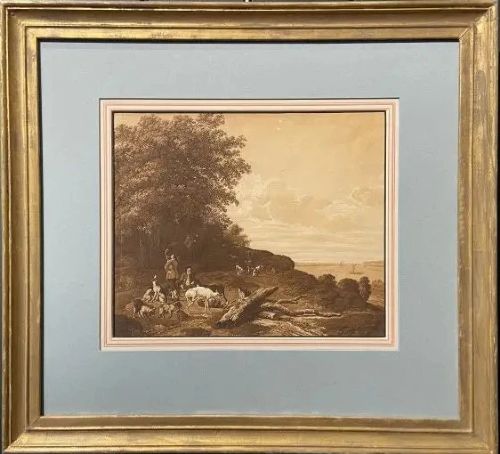
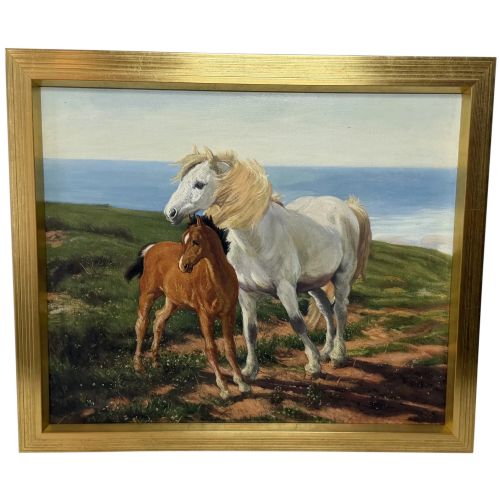
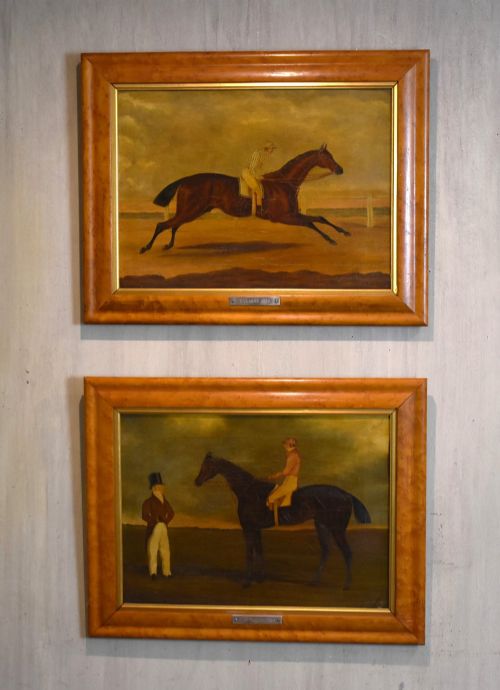
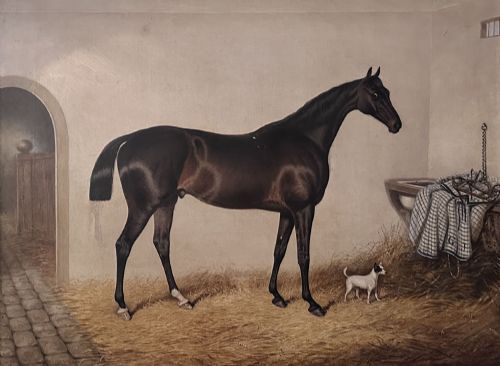
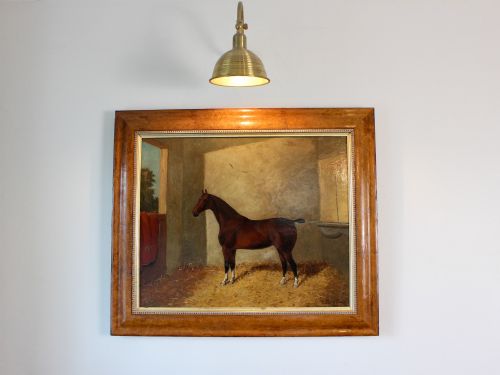
A traditional equestrian wall picture depicts horses, riders, hounds and hunt scenes across centuries of British artistic output. You will encounter oil paintings on canvas and wood panel, alongside hand-coloured engravings, lithographs and painted prints.
The pieces span periods from the eighteenth century through the Victorian era into the mid-twentieth century, capturing individual racehorses, coaching scenes and moorland landscapes. Portraits of named hunters and champion thoroughbreds dominate the selection alongside wider field sports.
Framed presentation is integral to these works, utilising period wood frames and glass protection where paper prints are concerned. The subjects reflect both elite racing circles and the broader rural devotion to the horse in British life.
How They Were Made
Painters applied oil paint to stretched canvas, pine panels or silk, building rich layers to render the musculature of horses and the texture of coats. Draughtsmanship relied on precise observation of animal anatomy, often executed by artists who specialised in sporting subjects.
Printmakers utilised copper engraving, lithography and eglomise techniques to reproduce popular compositions for wider distribution. Hand-colouring was frequently added to monochrome prints using watercolours to enliven the final framed artwork.
Several hounds appear to supervise the artwork more critically than the riders do.
What Varies In Quality
The distinction between works rests upon the fidelity of anatomical rendering and the painter's ability to capture the individual character of the horse. Superior examples display confident brushwork in the depiction of movement, light and landscape background.
Provenance and attribution elevate certain pieces, particularly those signed by established sporting artists or recording named historical horses with documented pedigrees. The originality of the period framing and the preservation of the surface pigment also influence the standing of the work.
Johannes Lingelbach·John Frederick Herring Snr·Charles Walter Simpson·John Arthur Lomax·John Frederick Herring Jnr·Basil Nightingale·William Williams·Abraham Cooper·Edward Lloyd of Ellesmere·Michael Lyne·Charles Faulkner·Alexander Maclean·Alfred Wheeler·Samuel Henry Alken·John Charles Tunnard·John Sanderson-Wells
The Traditional Equestrian Wall Picture Glossary
- Eglomise
- Reverse painting on glass where gold or silver leaf is applied alongside pigment to create a reflective, decorative border or image. This technique provides a distinct glossy surface common in period reproductions.
- Lithography
- A planographic printing process using a stone or metal plate to transfer ink onto paper. It allowed artists to produce detailed tonal prints of hunting scenes.
- Sporting Art
- A genre of painting and printmaking dedicated to equestrian subjects, field sports and hounds. It records the traditions of British rural life and racing.
- Wood Panel
- A rigid support used by artists before canvas became universal, often made from oak or pine. Panels provide a smooth ground for detailed brushwork in early works.
Traditional Equestrian Wall Picture: Frequently Asked Questions
How do I date an equestrian oil painting?
Dating relies upon stylistic markers, costume details of any riders, stretcher construction and artist signatures. Frame types and canvas stamps often provide secondary chronological clues.
Comparison with documented works by the same hand helps narrow the decade of execution.
What is the difference between an oil and a print?
An oil painting is a unique original work created with pigmented paint on canvas or panel, showing visible brush texture. A print is a mechanical or hand-pulled reproduction on paper from an engraved plate or lithographic stone.
Prints often exist in multiple impressions, whereas paintings remain singular.
How should I hang and light these pictures?
Keep works out of direct sunlight to prevent the fading of paper prints and the yellowing of old varnish on oil paintings. Stable room humidity prevents wood panels from warping and canvas from slackening.
Use directional picture lights with low heat output to illuminate the canvas without damaging the surface.
Why are so many horses named in the titles?
Equestrian art was frequently commissioned to record prized hunters, champion racehorses and royal thoroughbreds for posterity. Naming the animal increased the historical value of the portrait for its owner.
Breeders and patrons valued accurate likenesses of specific animals over generic representations.