


Chestnut Horse Canvas Art
These chestnut horse canvas art pieces bring the rich tradition of British sporting and equestrian painting straight into a room.
Chestnut Horse Canvas Art
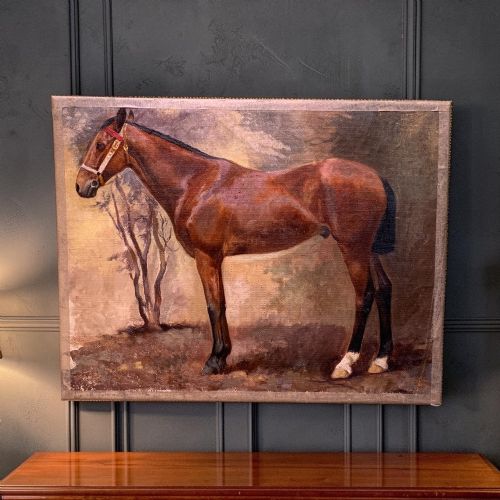
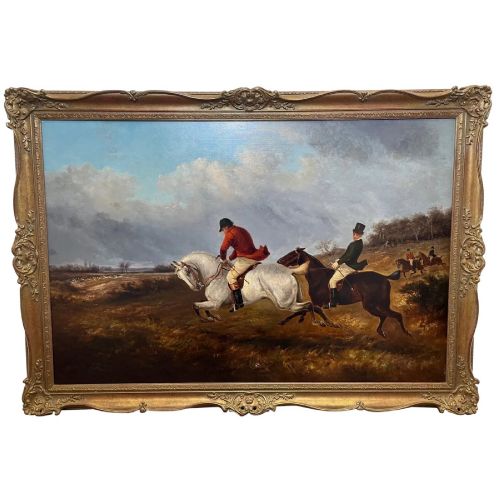
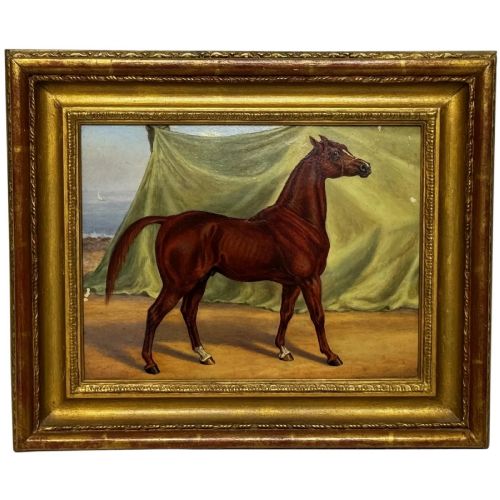
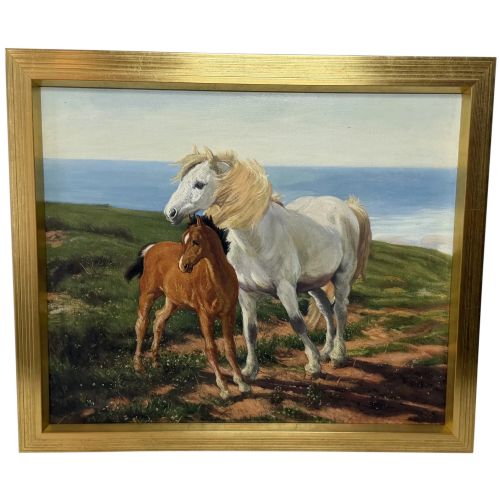
When you search for chestnut horse canvas art, you encounter oil paintings spanning the nineteenth and twentieth centuries. These works capture individual hunters, stable scenes, and wider countryside gallops.
The most common pieces on this page are nineteenth century and Victorian oil paintings on canvas, often housed in gilt wood frames. They record both named animals and broader equestrian subjects.
How they were made
These works utilise oil paint applied to woven canvas supports, capturing the sheen of a chestnut coat and the texture of rural landscapes. Painters built up the surface through layered brushwork.
Many of these oil paintings sit within decorative gilt or giltwood frames that complement the traditional subjects of British sporting art.
Listings feature oil paint on canvas supported by wooden frames, spanning the Victorian era through the mid twentieth century.
What varies in quality
Quality rests in the anatomical accuracy of the horse and the handling of light across the chestnut coat. The most accomplished works show a deep understanding of equine muscle and movement.
The sophistication of the surrounding landscape and the preservation of the original canvas and gilt frame also distinguish finer examples from standard decorative works.
Thomas Smythe·John Ferneley Senior·John Sanderson Wells·Alfred Moginie Bryant·Abraham Cooper RA·Charles Bilger Spalding RA·Benedict Angell Hyland
The Chestnut Horse Canvas Art Glossary
- Oil on canvas
- Pigments bound with drying oils applied to a stretched fabric support. This combination allows for rich colour depth and subtle blending.
- Giltwood
- Wood carved and covered with a thin layer of gold leaf. It provides a bright, reflective border popular for framing traditional portraits.
- Equestrian art
- Depictions of horses as the primary subject, often including stable hands, riders, or sporting scenes. This genre holds a distinct place in British painting.
- British sporting art
- A tradition recording hunting, racing, and prized animals. These pictures celebrate rural pursuits and prized livestock.
Chestnut Horse Canvas Art: Frequently Asked Questions
What periods do these paintings date from?
The works originate largely from the nineteenth century through to the mid-twentieth century. Victorian examples sit alongside Edwardian pieces.
Specific dates within titles point to particular decades, while broader labels cover larger artistic movements.
How were these horse portraits used?
Owners commissioned portraits of favoured hunters, stable companions, and prized purebreds to document their animals.
They hung in country houses and rural residences to celebrate equestrian interests and sporting achievements.
How do I live with a canvas painting?
Keep these works away from direct sunlight and heavy moisture to protect the oil paint and canvas. Stable indoor temperatures prevent warping in the wooden stretchers.
Pair them with traditional rooms where the gilt frames and rural subjects can anchor the space.
How do I tell different periods apart?
Nineteenth century works often feature darker, richer varnishes and detailed landscape backgrounds. Twentieth century pieces can display brighter palettes and looser brushwork.
Examining the canvas texture and the style of the gilt frame helps indicate the era.