


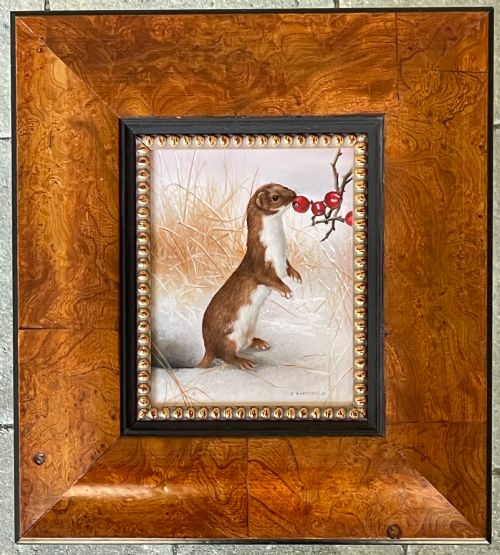


Antique Animal Fine Art
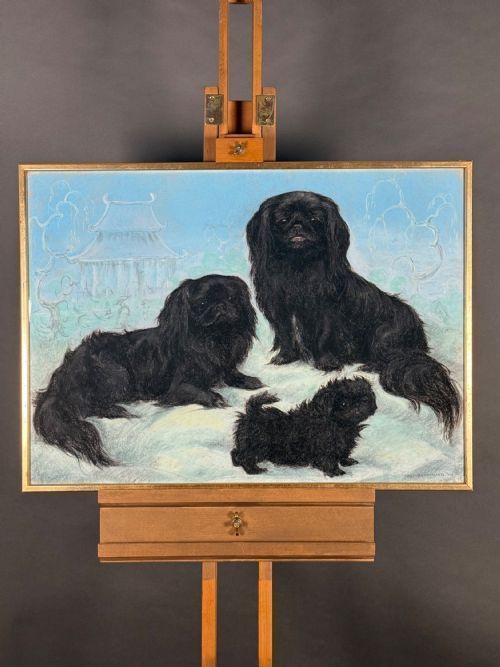
Antique animal fine art brings centuries of horses, dogs, and livestock onto canvas and paper through oil paint, pastel, and drypoint etching.
Antique Animal Fine Art
When you search for antique animal fine art, you meet painted and drawn studies of horses, dogs, sheep, and farm animals from past centuries.
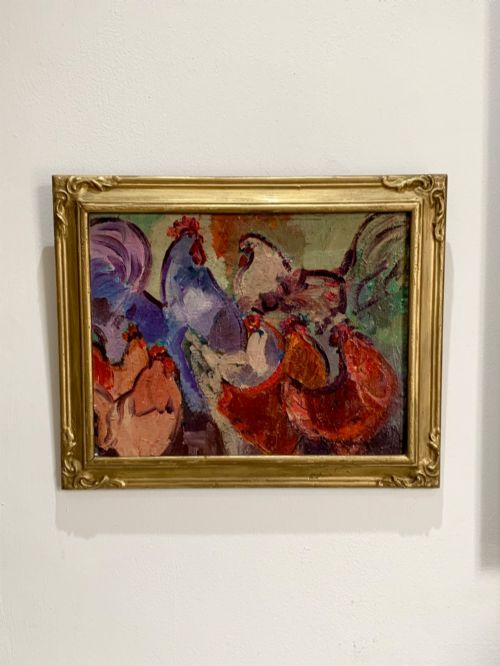
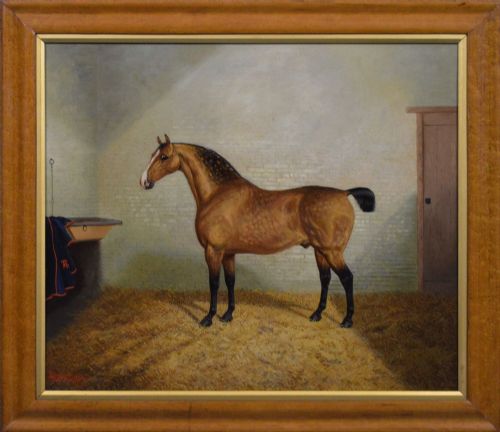
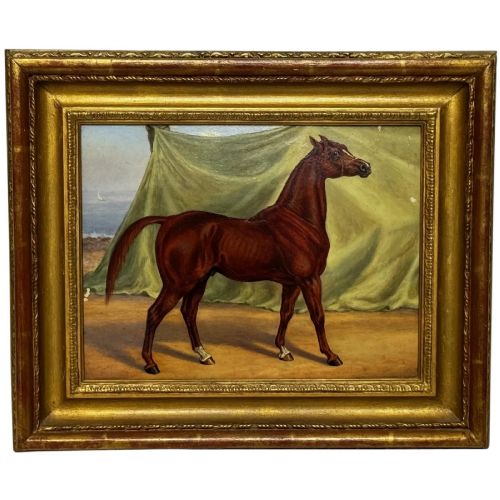
The Victorian period dominates the selection, bringing oil paintings of stable hunters, farmyard poultry, and domestic pets set within landscapes.
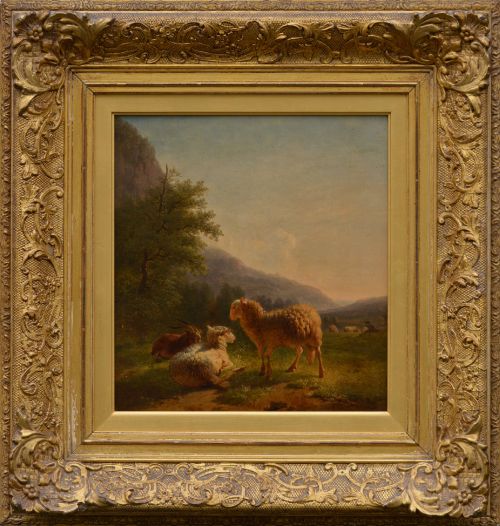
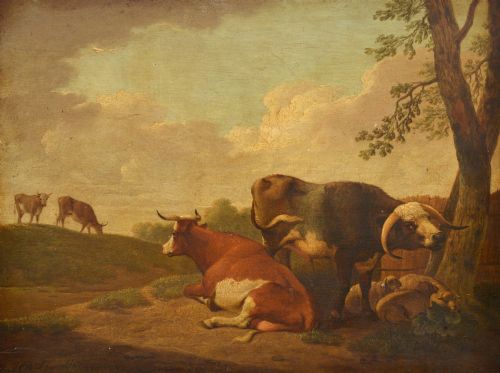
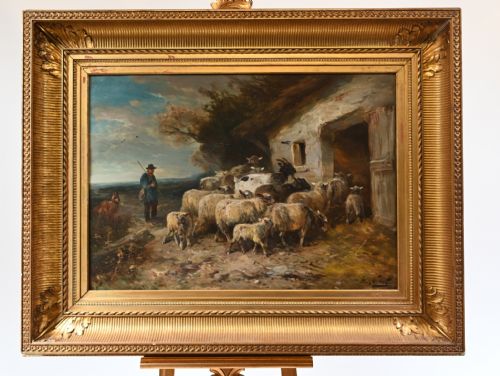
Early works stretch back into the eighteenth century with Dutch-influenced pastoral scenes, while later pieces move into the early twentieth century.
How they were made
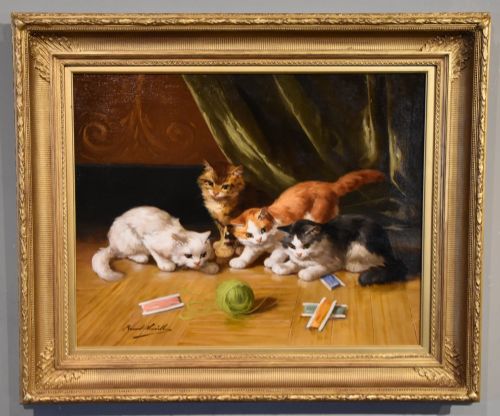
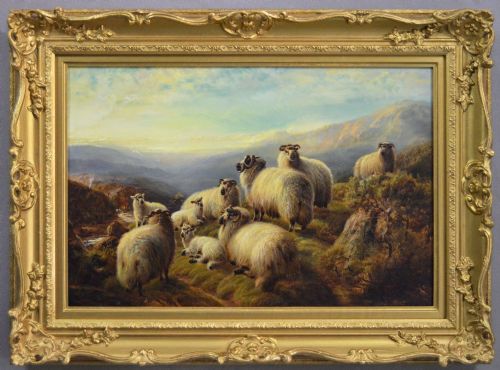
Artists built these works primarily using oil paint applied to canvas, often supported by wooden stretchers and housed in giltwood frames.
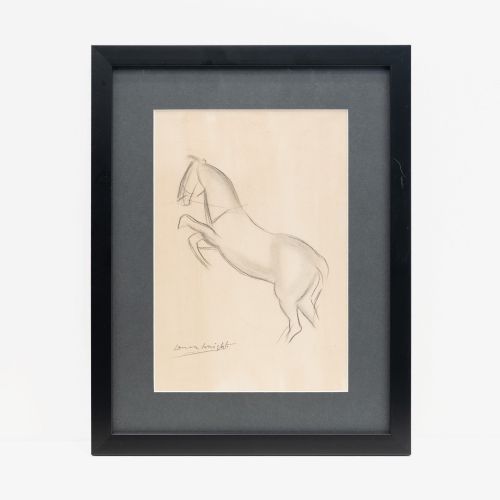
Some examples utilise pastel on paper or drypoint etching, capturing fine textures in animal coats and feathers through precise line and pigment.
Antique Animal Fine Art Retail Price Guide 2026
Typical asking prices for animal fine art among the pieces listed under this phrase on Sellingantiques today, from the lower quarter to the upper quarter. They describe what is for sale here now, not the wider market.
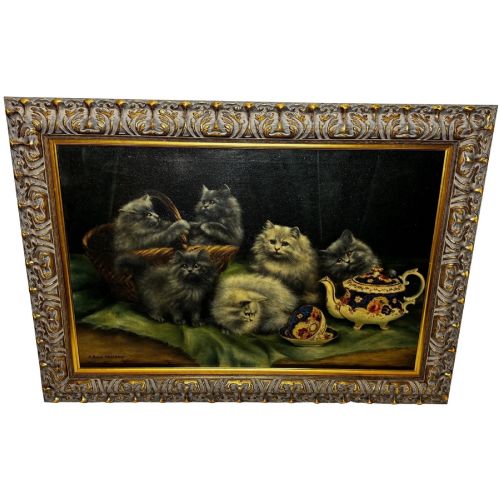
Cats, monkeys, and fighting dogs share gallery space with noble horses and hardworking sheep.
What varies in quality
Anatomy and posture drive the distinction between standard records and masterworks, separating rigid animal forms from convincing muscle structure and movement.
Brushwork depth and handling of light across pastoral backgrounds set ambitious gallery pieces apart from simpler decorative farm scenes.
Eugène Verboeckhoven·Thomas Sidney Cooper·John Frederick Herring·Alfred Arthur Brunel de Neuville·Valentine Thomas Garland
The Antique Animal Fine Art Glossary
- Oil on Canvas
- Pigment mixed with drying oil applied to stretched woven fabric. This medium allows for deep layering and rich texture.
- Drypoint Etching
- A printmaking process where an image is scratched directly onto a metal plate with a sharp needle. It produces soft, velvety lines.
- Giltwood
- Wood carved and surfaced with a thin layer of gold leaf. Frames of this material frequently accompany nineteenth-century canvases.
- Pastel on Paper
- Artwork created using dry pigment sticks rubbed directly onto a paper surface. It offers subtle tonal gradations.
- Animalier
- A nineteenth-century artistic focus on the realistic depiction of animals. Painters in this tradition studied anatomy closely.
Antique Animal Fine Art: Frequently Asked Questions
How do I identify a Victorian animal painting?
Victorian animal paintings usually show subjects with distinct realism, often depicting horses, dogs, or livestock in structured landscapes or pastoral settings.
Brushwork tends to be controlled and detailed, reflecting the period's focus on animal anatomy and character.
What subjects are most common?
Horses, dogs, and sheep appear most frequently across these works, ranging from working farm animals to prized stable hunters.
Artists also recorded poultry, cattle, and exotic animals like leopards within landscapes or farmyards.
How should I frame an oil painting?
Traditional giltwood frames suit nineteenth-century oil paintings best, echoing the period presentation style.
Ensure the frame allows the canvas to breathe while protecting the edges from environmental moisture.
Are these works original?
The listings comprise original period works, including hand-painted oils on canvas and authentic drypoint etchings from past centuries.
Signatures, materials, and canvas construction help confirm the period origin of each piece.