

Antique Horse Wall Art
Antique horse wall art brings centuries of equine heritage into a room through oil paintings, prints, and drawings.
Antique Horse Wall Art
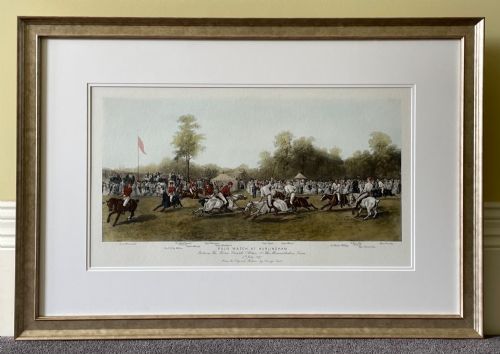
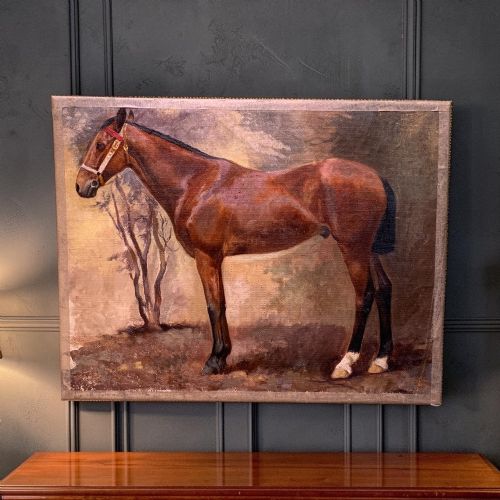
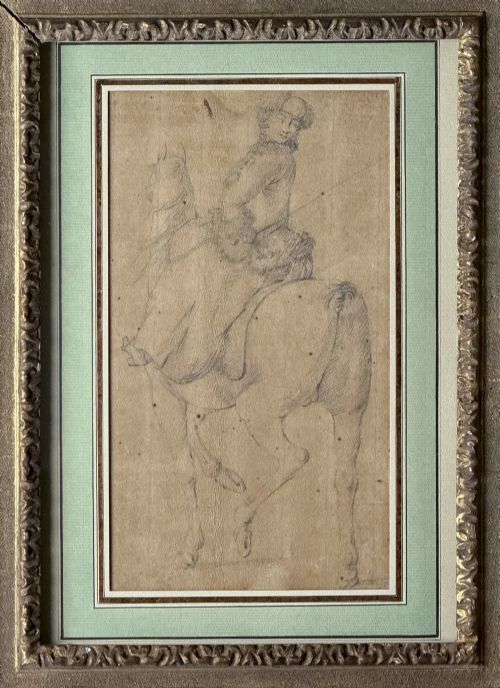
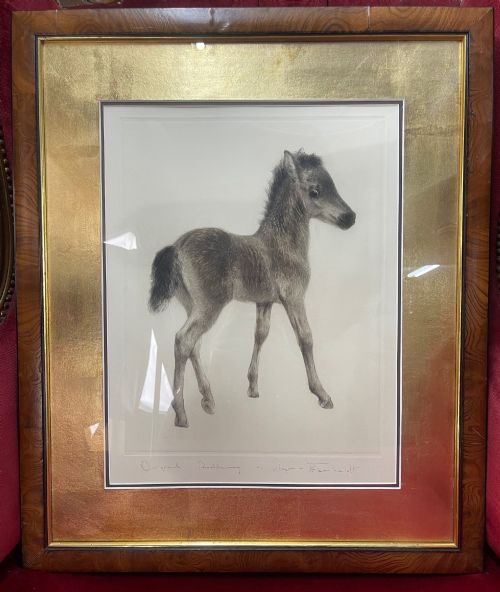
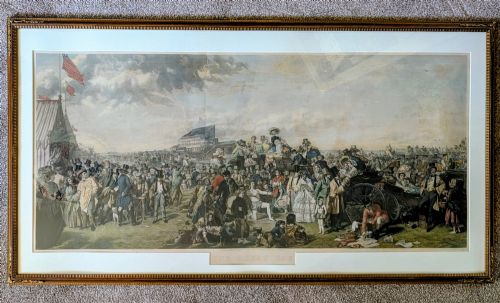
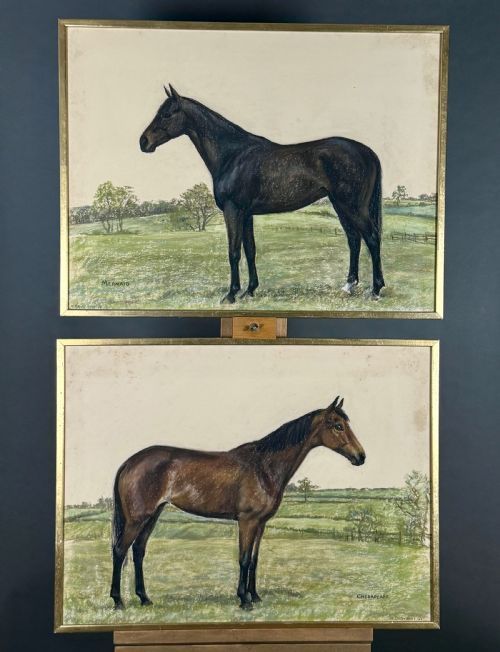
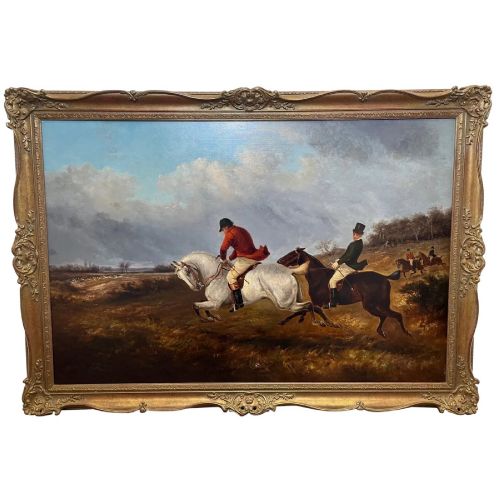
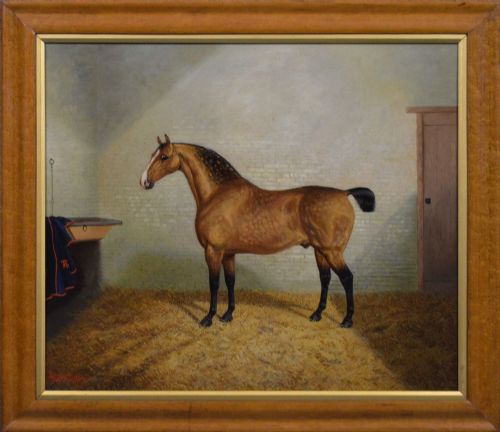
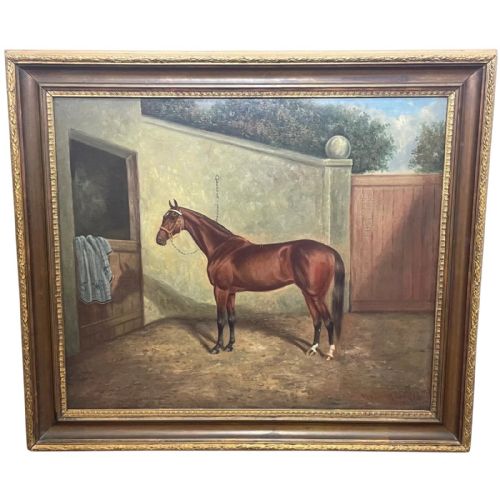
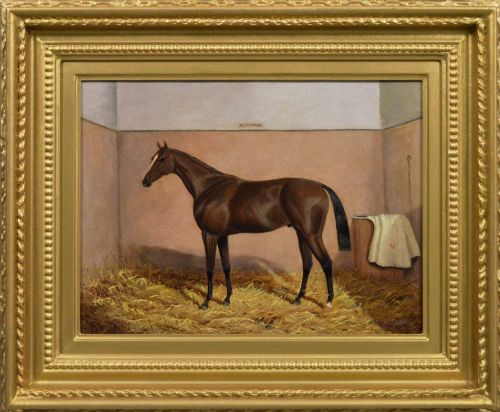
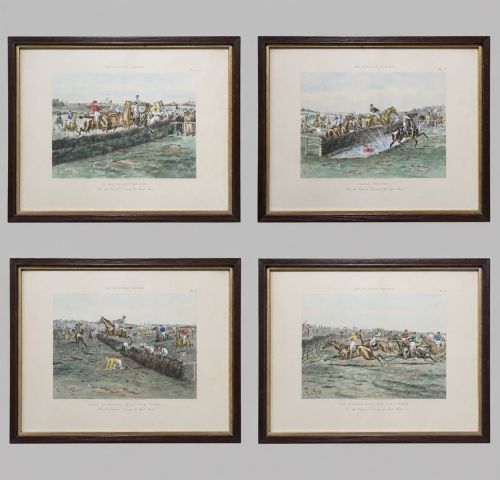
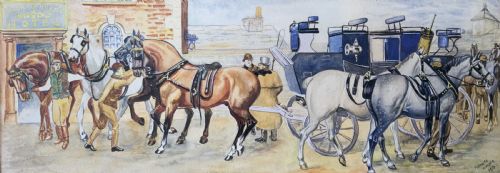
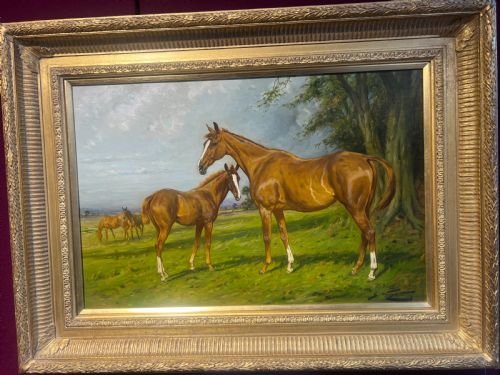
These pieces comprise historical visual representations of equines, spanning formal portraits of named racehorses, hunting scenes, and rural working studies. The selection centres heavily upon oil paintings on canvas and framed paper prints originating from the Victorian era and the early twentieth century.
Buyers encounter diverse stylistic interpretations, ranging from British realism and sporting art to decorative engravings and pastels. Works frequently capture specific animals in stables, landscapes, or competitive racing environments.
Originating predominantly from British and European traditions, the items reflect shifting artistic methods applied to animal portraiture over successive centuries.
Materials and construction methods
Makers utilised oil paint applied to stretched canvas or wooden panels, creating textured surfaces that captured the muscular definition and sheen of coats. Paper works rely upon watercolours, pastels, lithography, drypoint, and copperplate engraving techniques.
Frames play a structural and aesthetic role, frequently constructed from wood, including giltwood moulding, to house and protect the canvas or paper support. Print works often incorporate glass glazing alongside original or period mounts.
Several horses depicted in these historical works achieved greater fame and wealthier patrons than the artists who painted them.
Determinants of quality
Quality rests upon the anatomical accuracy of the animal, the fluidity of the brushwork or sharpness of the print impression, and the demonstrable skill of the artist. Works by established named painters command greater attention than anonymous output due to recorded provenance and composition.
The integrity of the original materials influences the standing of a piece, with unlined canvases and well-preserved paper retaining sharper detail and colour fidelity. Frame condition and period appropriateness further separate standard decorative items from superior examples.
Albert Clark·Thomas Smythe·Henry Barraud·George Wright·Abraham Cooper
The Antique Horse Wall Art Glossary
- Drypoint
- A printmaking process where an image is incised directly into a metal plate with a sharp needle, producing soft, velvety lines from the displaced metal burr.
- Lithography
- A planographic printing method based on the chemical repulsion of oil and water, enabling the reproduction of detailed tonal illustrations on paper.
- Aquatint
- An etching technique that uses powdered resin to create tonal areas resembling watercolours rather than sharp lines.
- Giltwood
- Wood carved and coated with a thin layer of gold leaf, commonly utilised for ornate nineteenth-century picture frames.
Antique Horse Wall Art: Frequently Asked Questions
How do I date an antique horse painting?
Dating relies upon examining the canvas type, stretcher construction, framing materials, and the pigments utilised by the artist. Stylistic clues within equine conformation and human attire also provide chronological markers.
Signatures, inscriptions on the reverse, and exhibition labels offer definitive provenance when present.
Where should I hang equestrian art?
These works suit studies, living rooms, and hallways where traditional interiors complement the subject matter. Position pieces away from direct sunlight to protect vulnerable oil pigments and paper supports from fading.
Ensure wall fixings match the weight of large giltwood frames and heavy canvases.
What is the difference between a print and an oil painting?
An oil painting is a unique, hand-painted artwork created with pigment suspended in drying oil on canvas or wood. Prints are mechanically or manually reproduced multiples created via plates, stones, or blocks.
Surface texture distinguishes the two, with oils showing raised brushstrokes and prints presenting flat, inked impressions.
How do I care for antique paper prints?
Protect paper items by maintaining stable indoor humidity levels and keeping them behind protective glass. Avoid hanging them in damp areas or spaces with extreme temperature fluctuations to prevent foxing and paper degradation.