
Traditional Equestrian Oil Painting
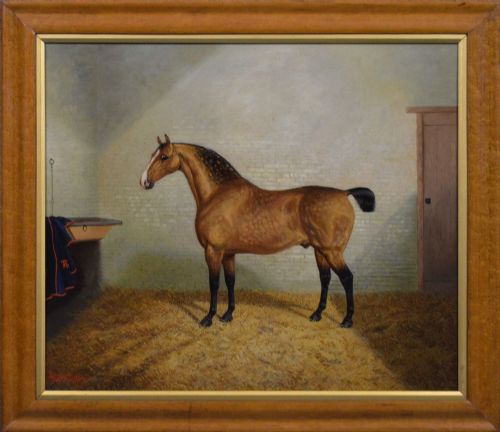
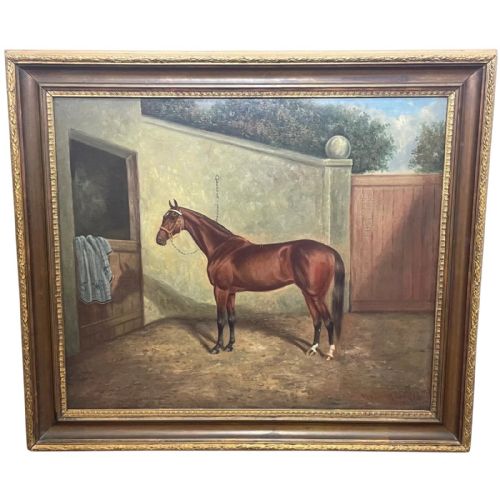
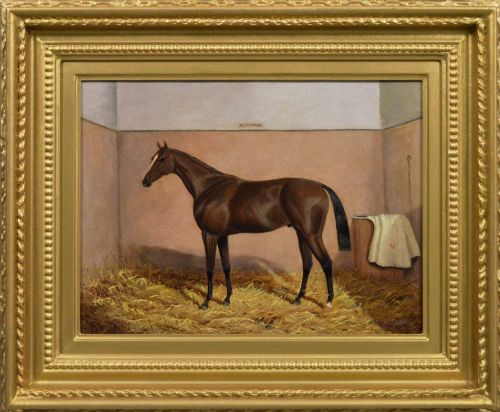
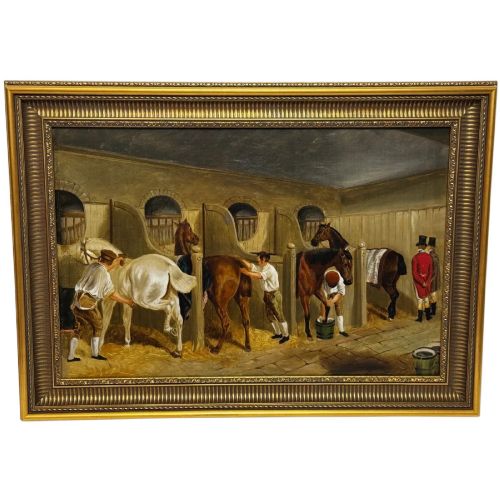
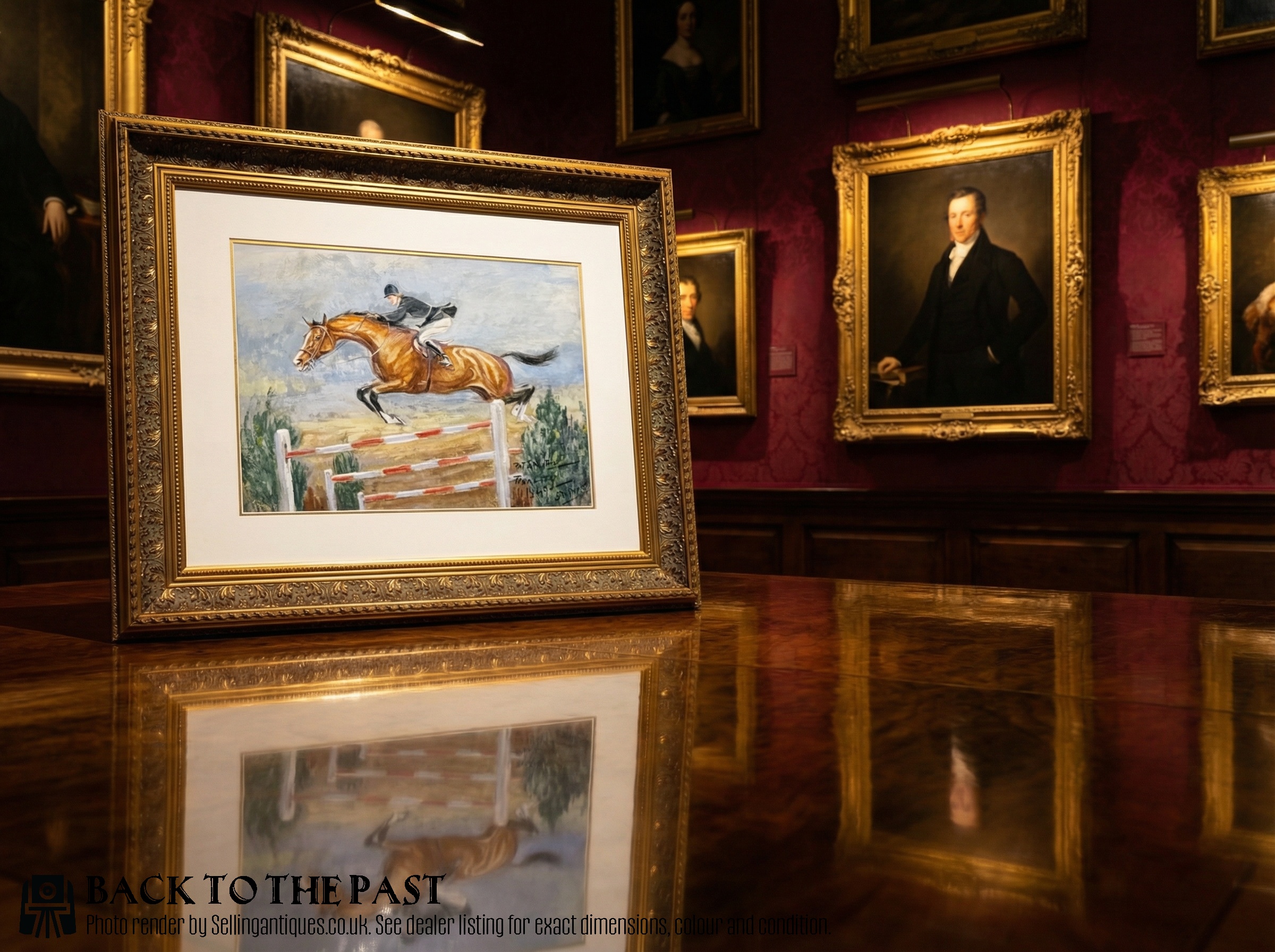
A traditional equestrian oil painting captures the power and presence of horses through historic brushwork, bringing the atmosphere of the stable and the hunting field into a room.
Traditional Equestrian Oil Painting
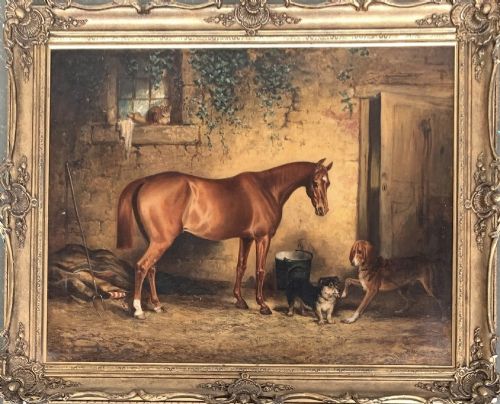
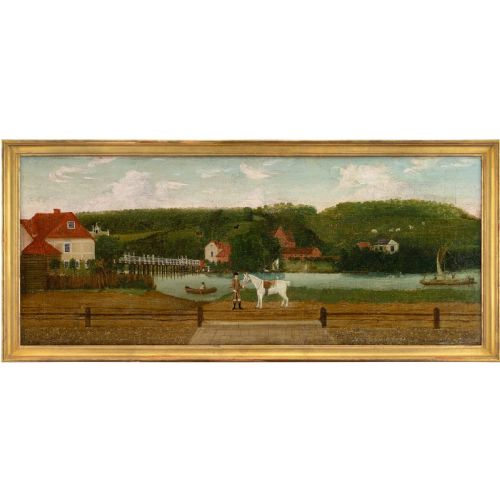
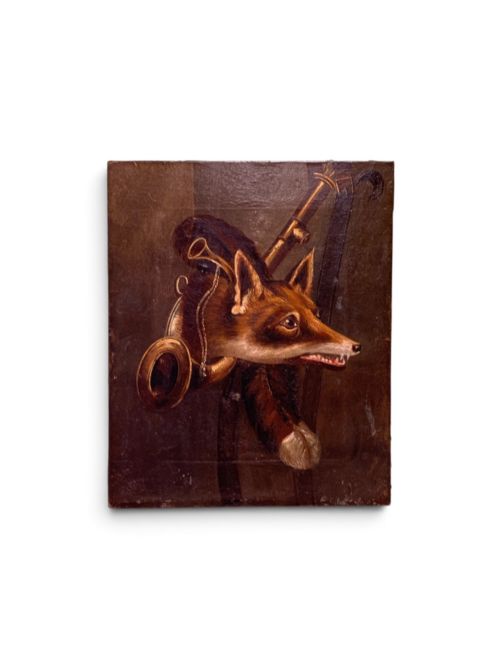
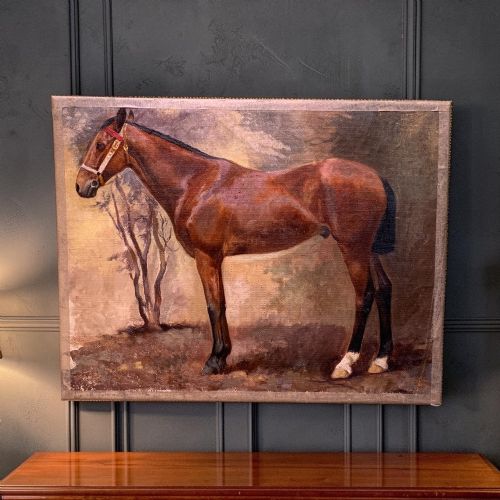
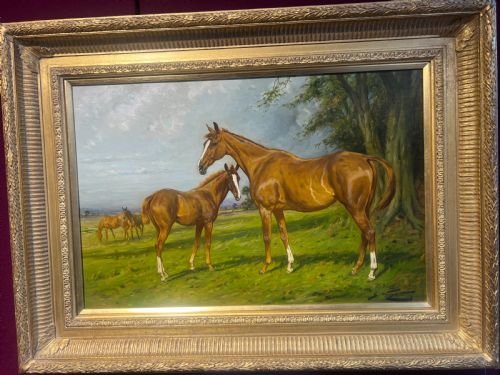
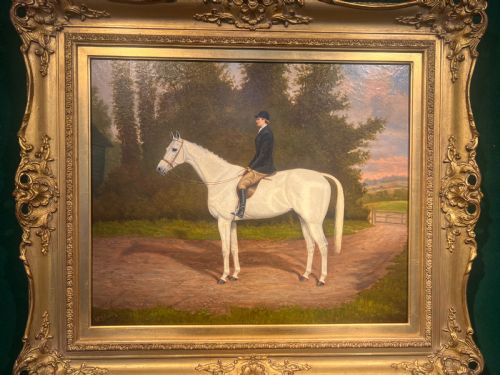
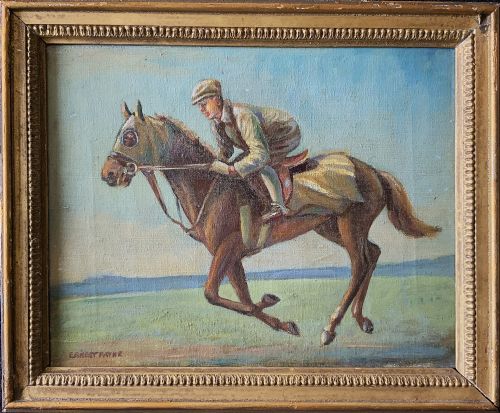
A traditional equestrian oil painting focuses on the depiction of horses, hounds, and sporting life, often rendered by named artists or skilled regional schools. When searching for this phrase, buyers encounter portraits of named racehorses, hunters in stables, and coaching scenes from the nineteenth and early twentieth centuries.
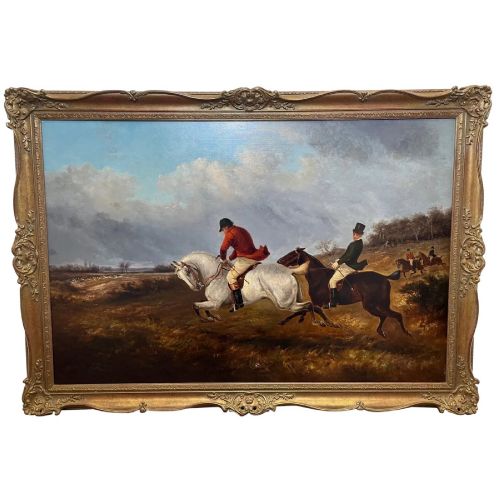
The pieces on this page span the Victorian, Edwardian, and Georgian periods, moving from careful academic portraits of prize animals to lively depictions of hounds and riders in open landscapes. Most examples use canvas stretched over wooden frames, occasionally mounted within giltwood or gilt frames that suit the period of the painting.
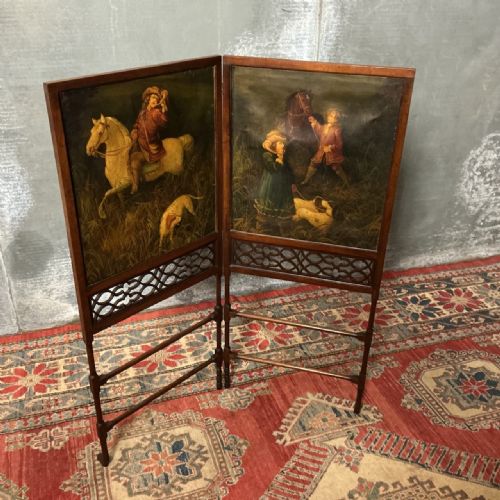
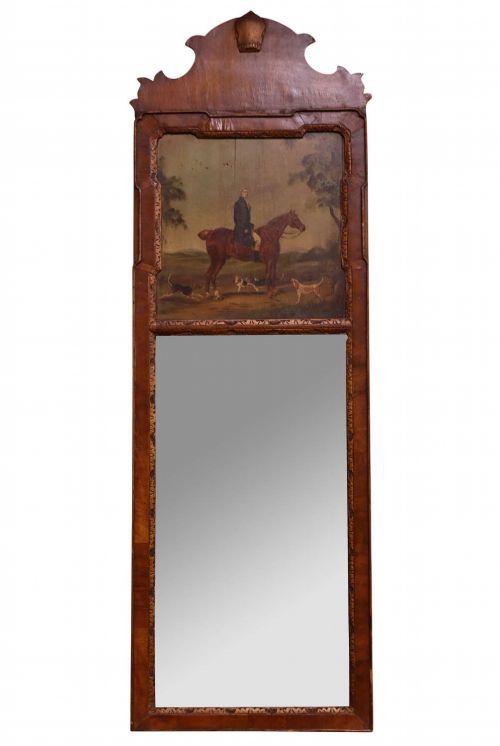
Beyond standalone wall art, the selection includes specialised forms such as fire screens, pier glass mirrors, and mahogany screen sets inset with oil paintings. These functional items integrate the traditional equestrian oil painting into domestic furniture, reflecting how past households displayed sporting taste.
How they were made
Artists built these works primarily using oil paint applied to canvas or board, employing layered glazes to render the sheen of a horse coat and the texture of leather tack. The pigment was handled with varying degrees of precision, from the tight realism of dedicated animal painters to looser brushwork characteristic of plein air sketches.
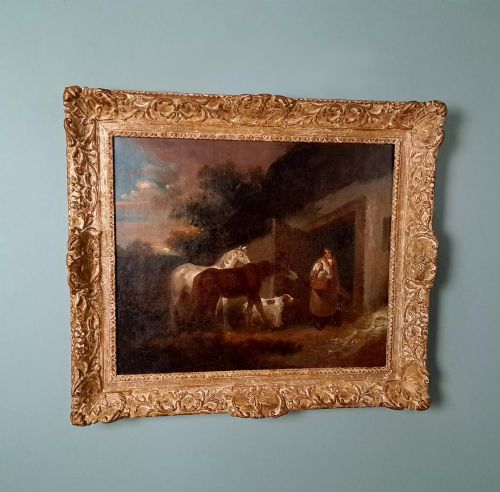
Frames play a structural role in the survival of these pieces, commonly constructed from wood and finished with carved giltwood or applied gilt embellishments. These frames protect the edges of the canvas and provide the heavy visual weight traditionally associated with sporting art.
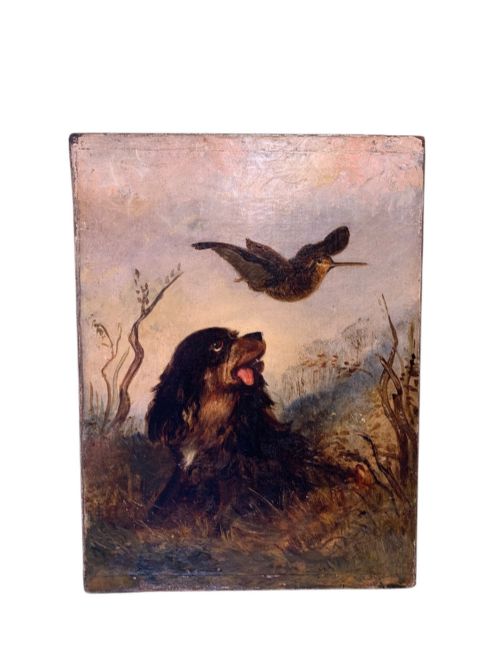
Listings feature works executed in oil on canvas and oil on board, dating from the Georgian period through the 1960s.
What varies in quality
Quality rests primarily on the anatomical accuracy of the horse and the handling of light across muscle and coat, where a master painter captures underlying bone structure while a lesser hand produces a stiff silhouette. The integration of the subject within its background, whether a stable interior or a sprawling estate landscape, further separates accomplished works from routine commercial output.
The distinction also lies in provenance and attribution, as signed works by documented practitioners like Henry Barraud or Albert Clark command greater interest than unsigned pieces by anonymous schools. Condition of the original oil paint surface, minimal retouching, and the presence of period-appropriate gilt frames all influence the standing of an individual canvas.
Henry Barraud·William Joseph Shayer Senior·Thomas Smythe·Albert Clark·George Wright·John Alfred Wheeler
The Traditional Equestrian Oil Painting Glossary
- Giltwood
- Wood carved and covered with a thin layer of gold leaf or gold paint. It provides the ornate, reflective borders typical of nineteenth-century frames.
- Canvas
- Heavy woven fabric stretched across a wooden stretcher to form the foundation for the oil paint. It remains the most common support found in these works.
- Pier glass
- A tall mirror designed to hang on the wall between windows, occasionally surmounted or inset with a painted panel. They frequently incorporate walnut or mahogany frames.
- Equestrian
- Pertaining to horses, horse riding, and horse breeding. In art history, it denotes a genre dedicated entirely to equine subjects and human interaction with horses.
- Provenance
- The documented history of ownership of an object. A clear lineage helps verify the authenticity and subject of historic horse portraits.
Traditional Equestrian Oil Painting: Frequently Asked Questions
How do I identify a Victorian horse painting?
Victorian works often display meticulous attention to the physical conformation of the animal, reflecting contemporary pride in breeding and racing stock.
They frequently feature dark, varnished palettes and are commonly housed in heavy giltwood frames characteristic of the nineteenth century.
Where were these paintings displayed originally?
Country houses, estate libraries, and sporting lodges served as the primary homes for these canvases, celebrating family hunting traditions and racing triumphs.
They were also incorporated into functional items like fire screens and pier glass mirrors to unite art with interior furnishings.
Are all equestrian paintings signed by the artist?
Many surviving works remain unsigned or attributed to broader regional schools, reflecting a time when animal painting was often a commercial trade rather than a gallery pursuit.
Signed pieces by named practitioners carry stronger documentation regarding their specific subjects and dates.
How should I care for an oil painting on canvas?
Keep the canvas away from direct sunlight and sharp fluctuations in humidity to prevent the oil paint from cracking or the wooden stretcher from warping.
Dust the surface gently with a soft, dry brush and avoid using liquid cleaners on either the paint or the gilt frame.