






Traditional Entryway Bench
A traditional entryway bench grounds a hall with sturdy timber and honest utility, offering a welcoming seat that has served homes for centuries.
Traditional Entryway Bench
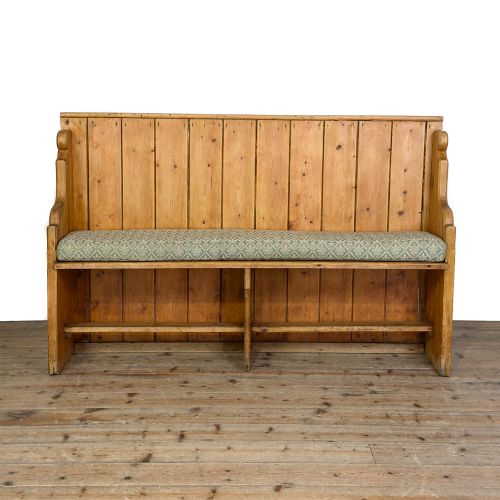
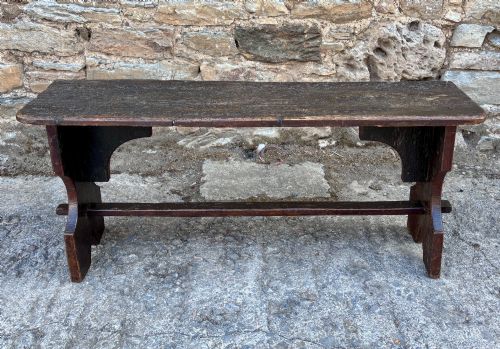
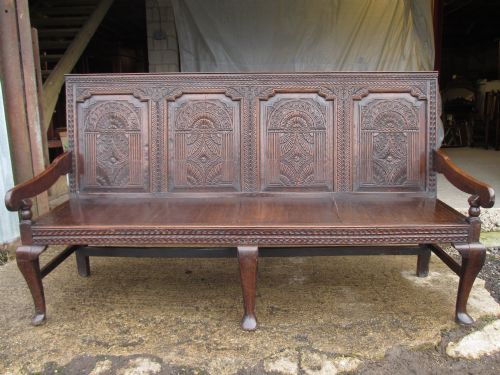
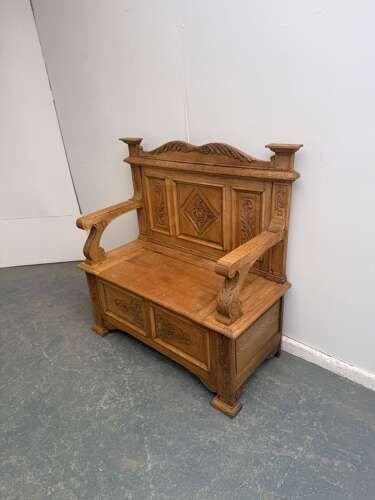
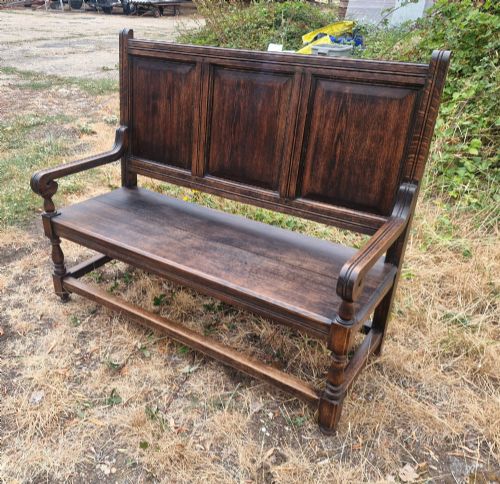
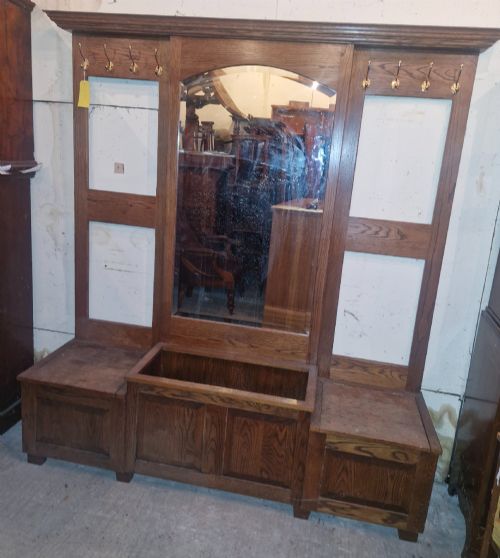
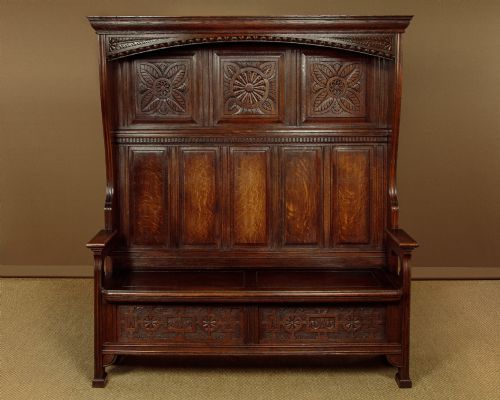
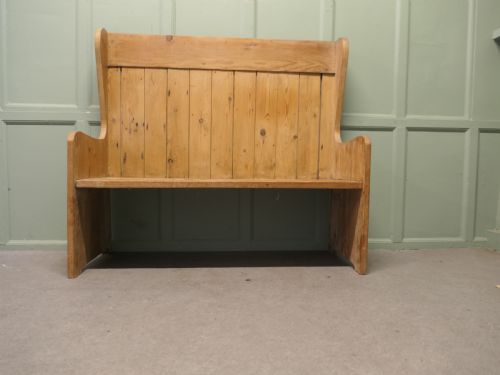
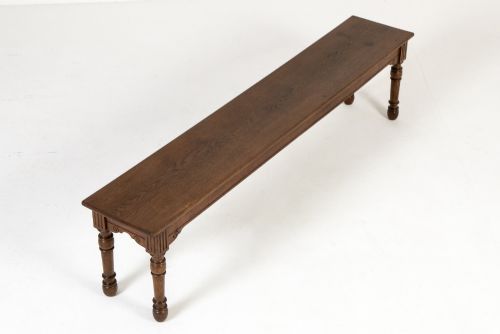
A traditional entryway bench encompasses various forms such as hall benches, settles, chapel pews, and window seats designed for corridors and passages. These pieces originate from periods spanning the eighteenth and nineteenth centuries, alongside revival and early twentieth-century examples.
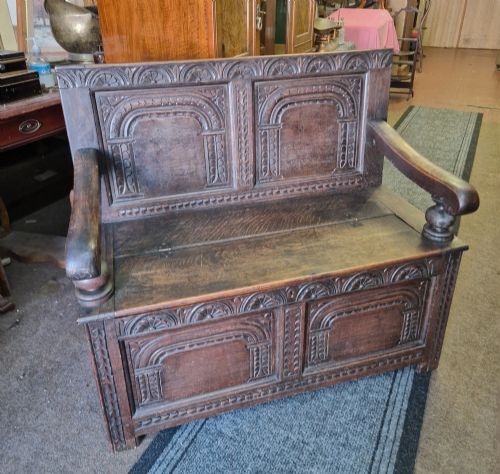
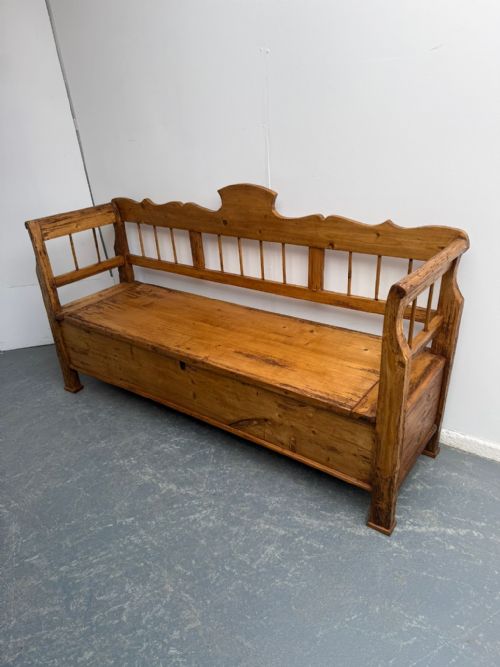
The most frequent examples found here are constructed from oak and pine, often featuring high backs or integrated storage compartments beneath the seat. Forms range from plain country pews to carved Victorian box settles and panelled oak hall seats.
Materials and construction
Makers relied primarily on solid timbers like oak, pine, and mahogany, supplemented occasionally by cherrywood and walnut. Structural integrity relied on traditional joinery, panelled construction, and heavy planks designed to withstand heavy daily use in hallways and taverns.
Surfaces show various finishes including waxed patinas, original paint, limed treatments, and polished grains. Metal elements in brass and iron appear selectively on hinges, hooks, or storage fittings.
Traditional Entryway Bench Retail Price Guide 2026
Typical asking prices for traditional entryway bench among the pieces listed under this phrase on Sellingantiques today, from the lower quarter to the upper quarter. They describe what is for sale here now, not the wider market.
Many a tavern settle has absorbed centuries of whispered village gossip and spilled ale into its stout oak planks.
Evaluating quality and construction
Quality rests in the selection of timber and the integrity of the original construction, distinguishing heavy structural oak from lighter modern adaptations. The presence of untouched waxed surfaces or original paint adds significant character compared to stripped or heavily altered timber.
The Traditional Entryway Bench Glossary
- Settle
- A wooden bench with a high back, solid arms, and often a storage box beneath the seat. This form protected sitters from draughts in hallways and country inns.
- Pew
- A long wooden bench traditionally found in churches or chapels, adapted over time for domestic hallways and firesides. These typically feature simple plank construction.
- Box settle
- A form of bench incorporating a hinged seat that opens to reveal a storage compartment. This design served practical needs for blankets or boots in an entryway.
- Canopy top
- An overhead wooden projection or hood attached to the upper back of a settle. It directed heat from a fire toward the sitter.
- Rush seating
- Woven seat construction using dried marsh rushes. This technique provides a flexible and traditional texture on chair and bench frames.
Traditional Entryway Bench: Frequently Asked Questions
Where were these benches placed?
These benches traditionally stood in hallways, corridors, and entrance porches to provide a seat for removing boots and outerwear.
They also appeared in domestic kitchens, fireside corners, and country taverns where draught exclusion was necessary.
How do I maintain a waxed wooden bench?
Maintain the surface by applying a quality beeswax polish periodically and buffing it with a soft cloth to nourish the timber.
Avoid placing the bench near direct heat sources or strong sunlight to prevent the wood from drying out.
What is the difference between a settle and a pew?
A settle typically includes solid wooden arms and a high panelled back designed to block cold draughts in domestic spaces.
A pew is generally more open in construction with continuous seating runs, originating from institutional church and chapel settings.
Can I use a box settle for storage?
The integrated compartment beneath the lift-up seat provides practical storage for items like shoes, boots, and textiles.
Ensure items stored inside are dry to protect the interior timber from moisture retention.