
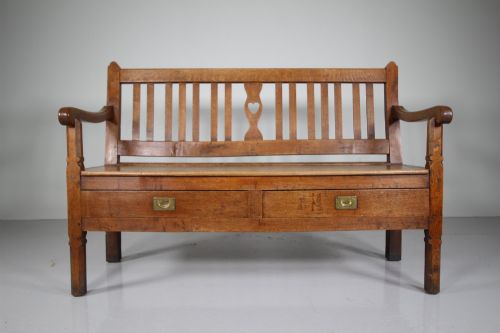
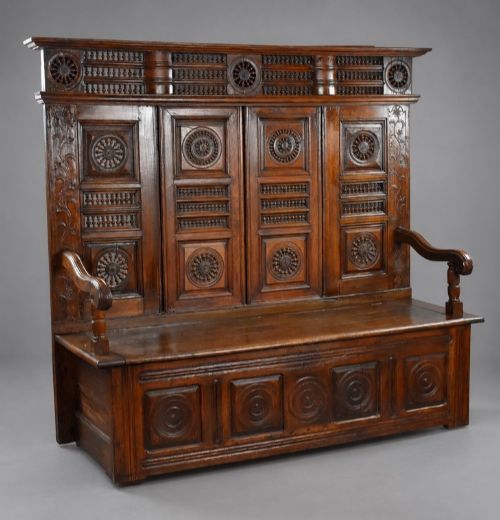
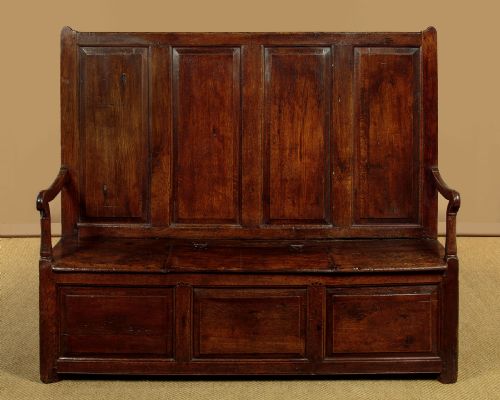
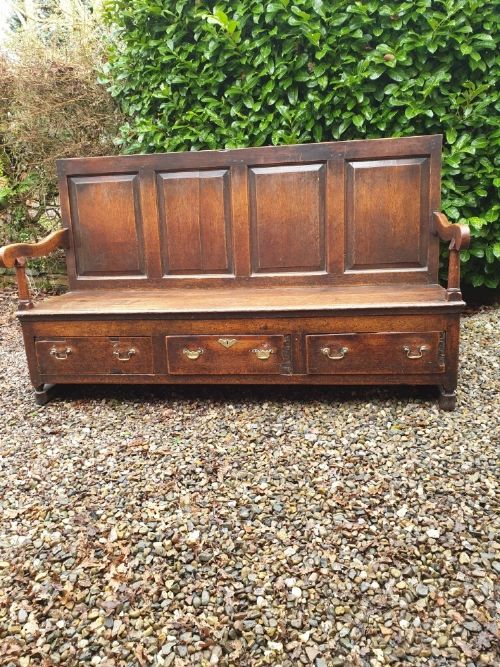


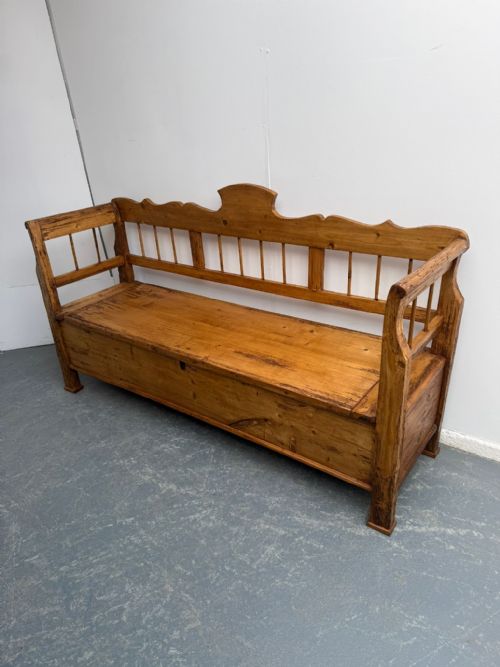

Antique Entry Storage Bench
These antique entry storage bench options provide practical hallway seating and hidden storage, drawing on centuries of sturdy craftsmanship.
Antique Entry Storage Bench
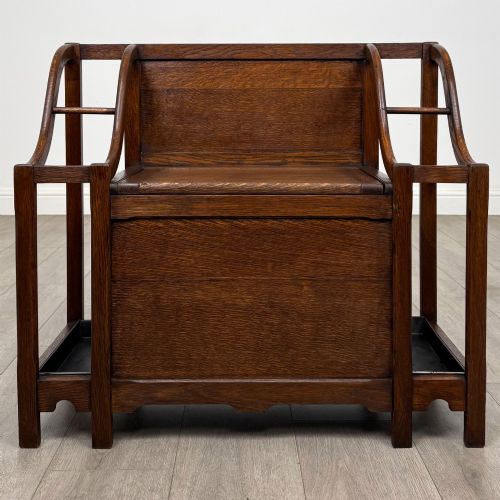
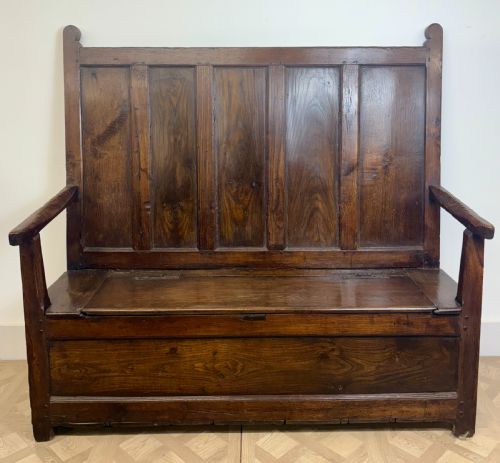
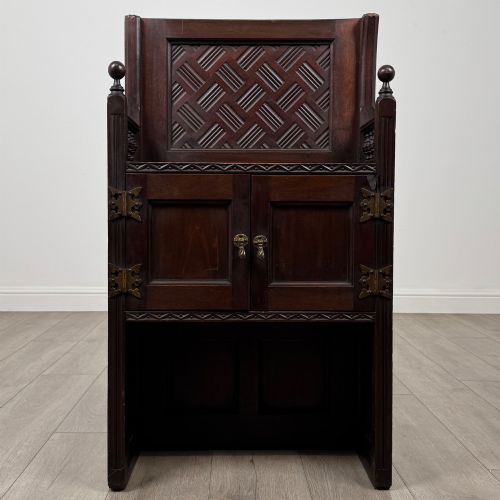
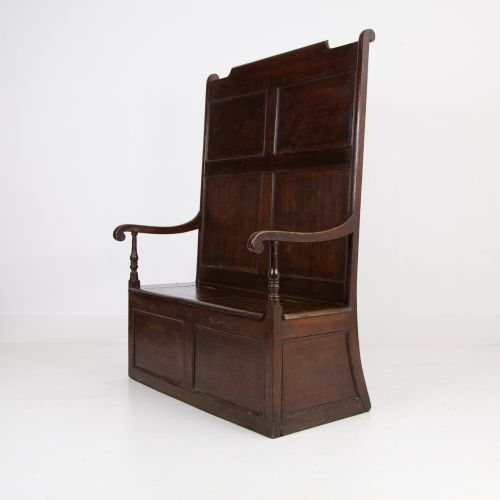
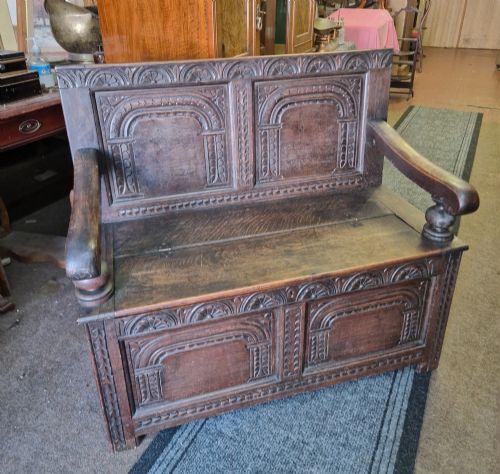
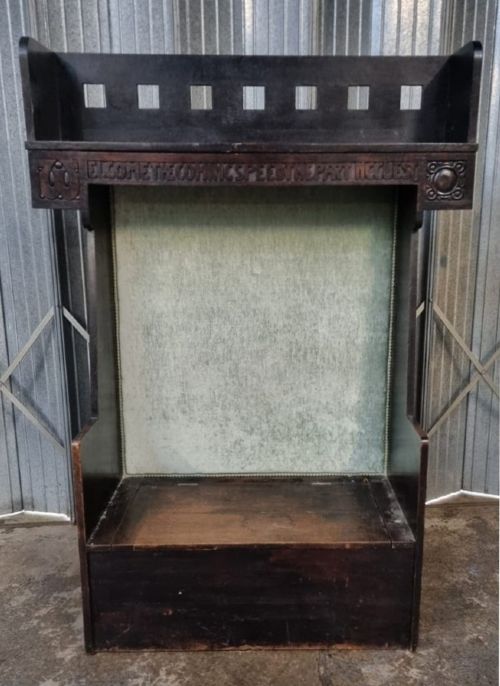
When searching for an antique entry storage bench, you encounter a variety of traditional forms including hall benches, box settles, monks benches, and hall seats. These pieces are designed for hallways and entryways, combining a place to sit with compartments for boots, cloaks, and household items. The selection ranges from robust 18th-century country house box settles to carved Victorian hall benches and Edwardian oak seats.
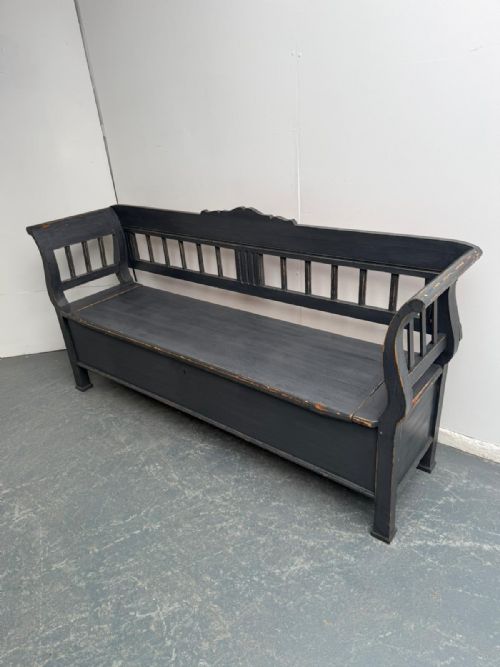
The materials and styles reflect the domestic needs of their periods, with heavy oak panels, painted pine, and ash forming the bulk of the structural types. You will frequently find high-backed settles and multifunctional monks benches that convert from seats into tables. Their origins span English country workshops as well as continental European traditions, including Hungarian painted pine benches and Swedish seating.
Materials and construction methods
Carpenters relied principally on solid oak, pine, and ash, constructing frames with sturdy panelled backs and lift-up seat lids that conceal storage boxes. Joinery methods typically involved mortise and tenon frames, while backrests and panels often featured hand-carved detailing, linenfold motifs, or geometric mouldings.
Surface finishes vary from waxed natural grain that highlights the hardwood to original or later painted grey coats on pine variants. Metal hardware such as brass hinges and iron brackets frequently secures the moving parts of lids and convertible monks benches.
Listings span the 18th, 19th, and early 20th centuries, covering Georgian, Victorian, and Edwardian periods.
Assessing quality in storage seating
Quality rests upon the integrity of the timber and the depth of hand-carved detail on the back panels and arms. Pieces constructed from solid, thick-gauge oak with original panel construction command greater respect than later adaptations or heavily replaced boards.
The survival of original hardware, working hinges, and undisturbed surface patination distinguishes superior examples. Furthermore, well-proportioned country house proportions and balanced structural joinery elevate the overall presence of the bench.
Shapland & Petter·Liberty·Hampton & Son's
The Antique Entry Storage Bench Glossary
- Settle
- A wooden bench with a high back, solid arms, and a box seat compartment beneath. This form dates back centuries and protected inhabitants from draughts in large halls.
- Monks Bench
- A convertible piece of furniture featuring a hinged top that folds down to form a table. It serves a dual purpose in smaller domestic spaces.
- Hall Stand
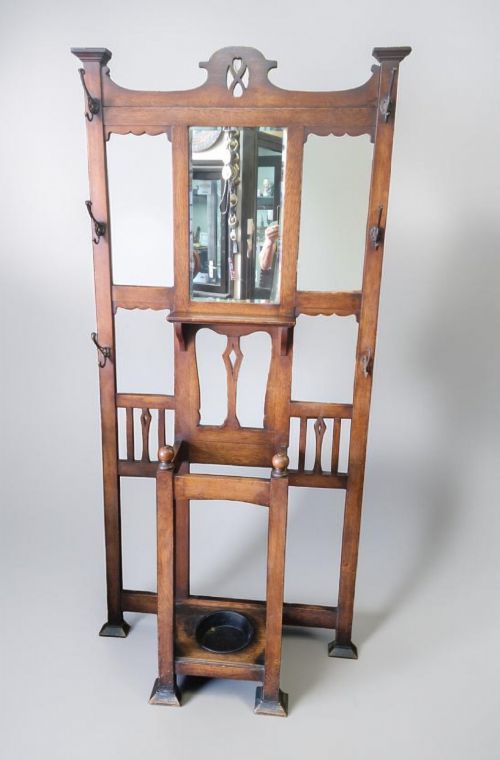
- A piece combining a bench or seat with integrated coat hooks and umbrella racks. These items became popular during the Victorian and Edwardian periods.
- Panelling
- Framework constructed from fitted wooden boards set within a grooved frame. It adds structural rigidity and decorative depth to the backs of settles.
- Patina
- The surface sheen and colour developed over decades through handling, waxing, and ageing. It acts as an indicator of genuine antique status.
Antique Entry Storage Bench: Frequently Asked Questions
How do I use an entry bench today?
These benches fit neatly into modern hallways, mudrooms, or living spaces to provide practical seating. The internal compartment offers concealed storage for shoes, blankets, or household items.
The sturdy backrests and enduring timber construction ensure they withstand daily use. Placing one near a front door maintains the traditional purpose of welcoming guests.
How do I date an oak storage bench?
Dating relies upon examining the construction techniques, tool marks, and style of the woodcarving. Earlier 18th-century pieces often display pegged mortise and tenon joints with hand-planed surfaces.
Later Victorian and Edwardian examples incorporate machine assistance, revival styles like Jacobean or Gothic, and sometimes factory maker marks. Examining the wear patterns around the seat edges also helps indicate age.
Are painted finishes original?
Many pine benches from continental Europe feature historic painted finishes, often in grey or muted tones. Evaluating the wear and layering helps determine whether the paint is period or a later addition.
Waxed hardwood versions typically show the natural grain of oak or walnut. Both painted and waxed surfaces reflect the regional traditions of the workshop.