
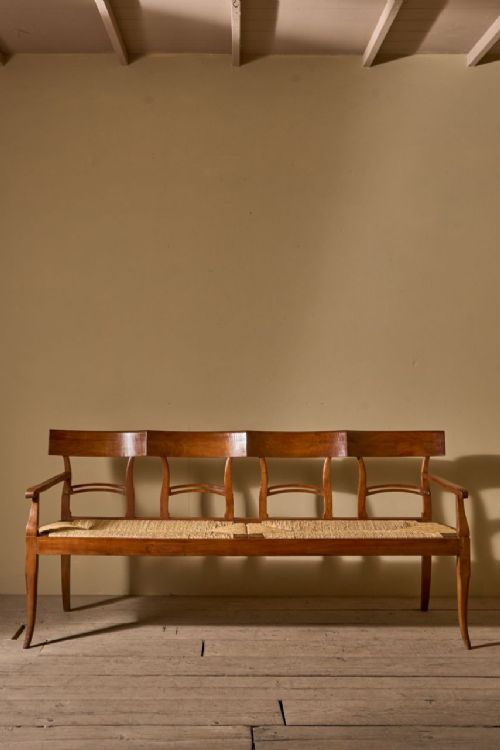
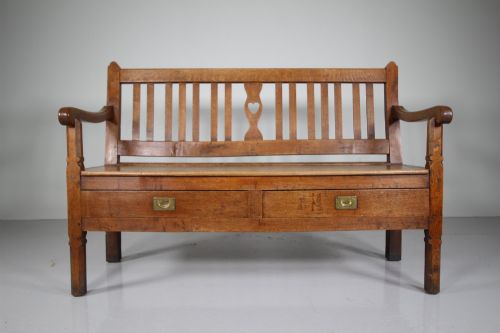
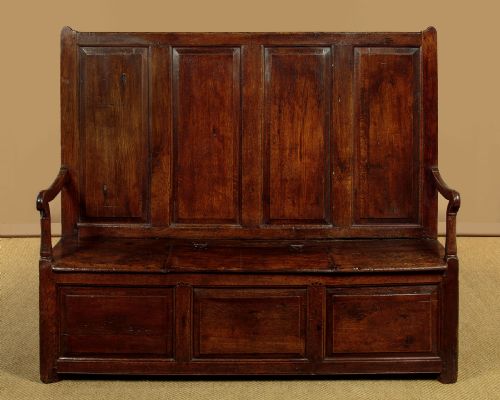
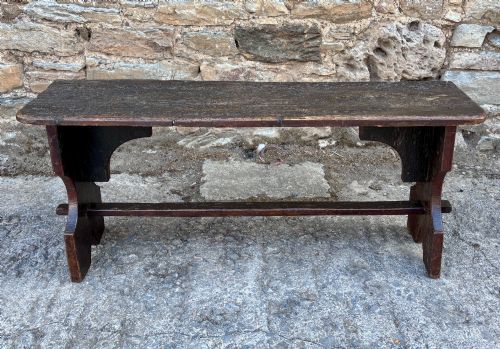
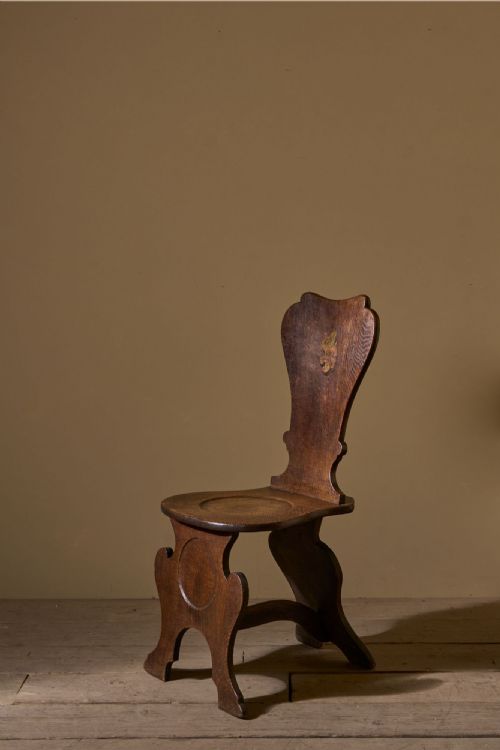
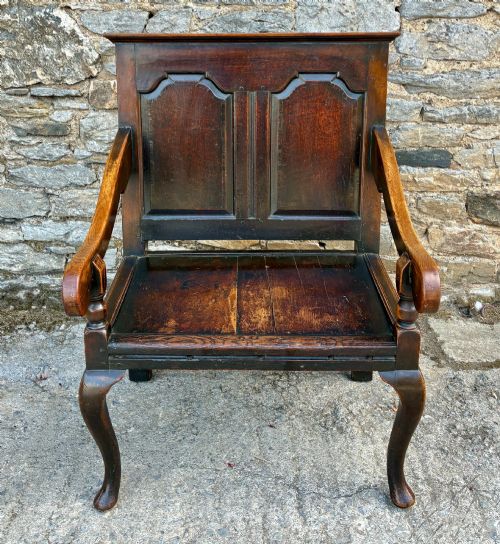
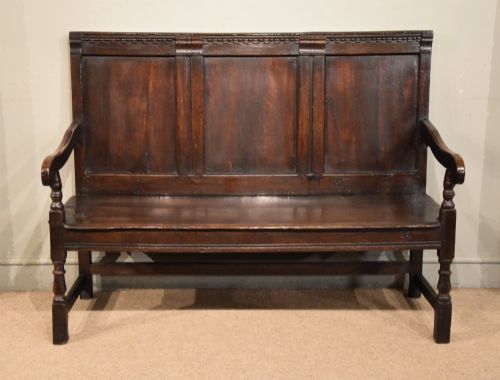
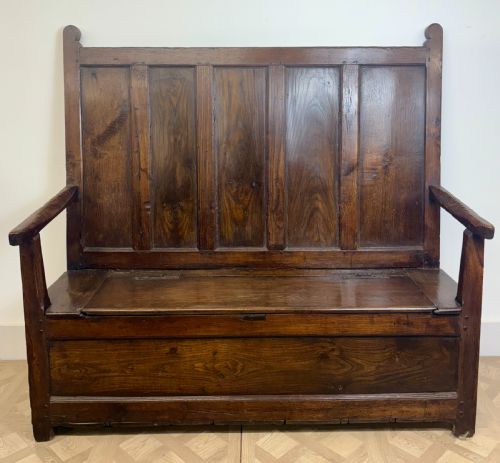
Country Oak Hall Seat
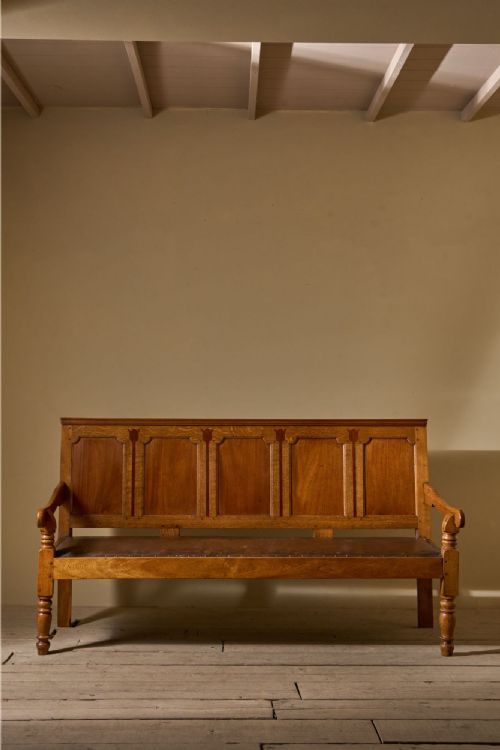
A country oak hall seat brings solid vernacular timber and regional joinery straight into an entranceway, offering robust seating built for heavy daily use.
Country Oak Hall Seat
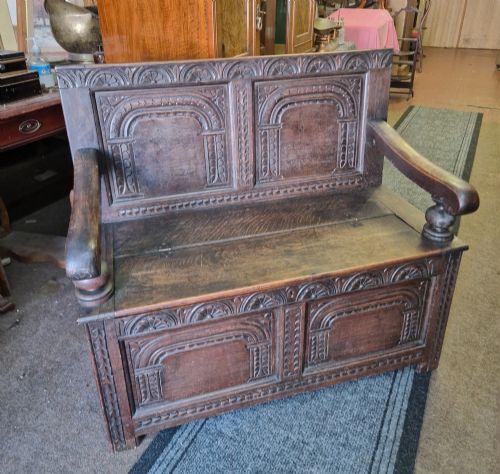
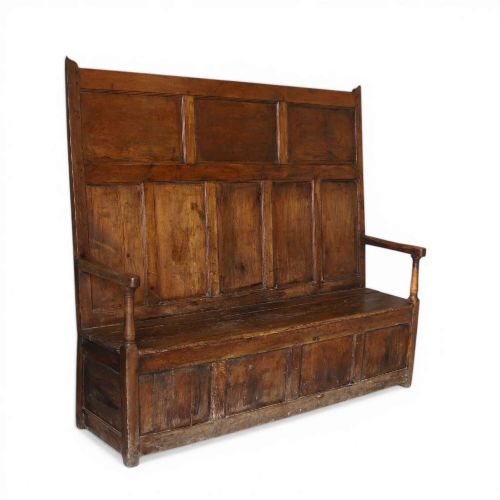
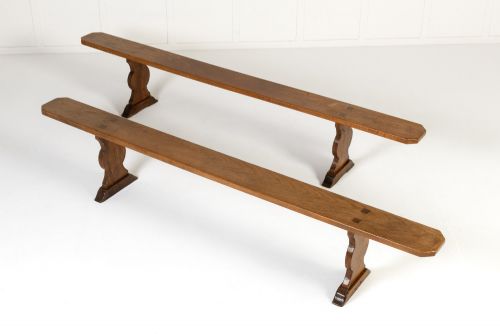
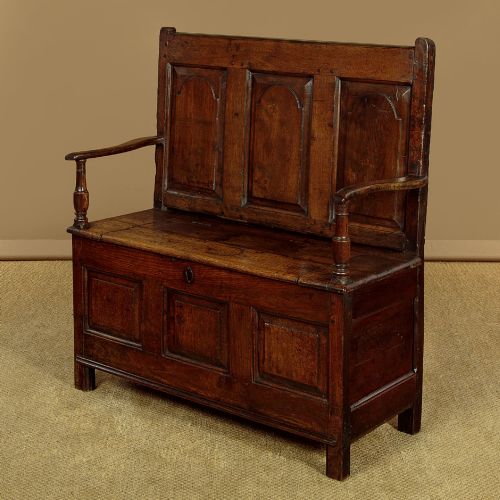
A country oak hall seat encompasses robust settling benches, settles with high panelled backs, and sturdy hall benches originating from seventeenth-century through to nineteenth-century workshops. These items served domestic functions in farmhouses, country houses, and regional cottages where durable seating was essential near the entrance.
Geographic variations span English, Welsh, Irish, and French provincial styles, showing distinct local preferences in proportions and backrest construction. Buyers encounter everything from compact early eighteenth-century box settles to long nineteenth-century farmhouse benches.
How they were made
Makers utilised solid oak alongside supporting timbers such as ash, elm, and chestnut for structural frameworks and panel assemblies. Joinery relied on traditional mortise and tenon joints secured with wooden pegs, supplemented in places by iron or brass fixings.
Surface treatments and seating materials varied according to the specific form, incorporating solid timber planks, rush matting, woven fabric, or leather inserts. Regional carpenters shaped panels using hand tools, occasionally adding carved details or limed finishes.
Certain Welsh examples feature heart cutouts in the back panel to let the warmth of the hearth circulate around the sitter.
What varies in quality
Quality rests in the integrity of the original construction, the proportion of replacement timber, and the crispness of regional hand-carved details. Early panelled settles with intact box storage compartments and minimal structural alterations represent the higher tier of the scale.
Subtleties in timber selection, such as closely figured oak boards and uncompromised stile and rail joints, distinguish master vernacular work from routine utilitarian carpentry. The survival of original surface patination and authentic period fixings also determines the standing of a piece.
Shapland & Petter·Liberty
The Country Oak Hall Seat Glossary
- Box settle
- A high-backed wooden bench featuring a storage compartment beneath the seat. This form kept draughts away from the user while holding household goods.
- Vernacular furniture
- Items made by local craftsmen using regional styles and available materials rather than following metropolitan fashion. These pieces reflect specific geographic traditions.
- Panel back
- A backrest constructed from fitted wooden panels held within a frame. This technique provided structural rigidity against warping.
- Bacon settle
- A specific regional form incorporating high rails or cupboards near the ceiling for curing meats. They are characteristic of eighteenth-century farmhouse interiors.
- Settle
- A wooden bench with high arms and a solid back designed to block cold air currents in unheated rooms. They formed the principal seat beside the hearth.
Country Oak Hall Seat: Frequently Asked Questions
Where were settles placed in historic homes?
These seats stood near the entrance door or beside the main hearth to block cold draughts from sweeping across the flagstone floors.
In larger country houses, they furnished expansive hallways to provide convenient seating for visitors and staff.
How do I care for historic oak furniture?
Keep wooden pieces away from direct heat sources and sudden humidity shifts to prevent the timber from splitting or warping.
Apply a traditional beeswax polish occasionally to nourish the grain and maintain the natural surface sheen.
How can I tell the age of an oak settle?
Examine the construction methods, tool marks on the timber, and the configuration of the pegged joints to estimate the period.
Early pieces display hand-riven boards and pegged mortise and tenon joinery distinct from later industrial manufacturing techniques.