


Traditional English Rush Seat
Traditional English rush seat chairs bring honest vernacular comfort to interiors, offering tactile woven seating paired with robust timber frames.
Traditional English Rush Seat
The selections on this page demonstrate the enduring appeal of rustic farmhouse and Arts & Crafts designs. These seating options suit contemporary kitchens and dining rooms seeking genuine historical character.
Makers ranged from village vernacular chair bodgers to notable figures associated with the Arts & Crafts movement. Pieces appear in various configurations, from single hall chairs to matched sets of ten.
How they were made
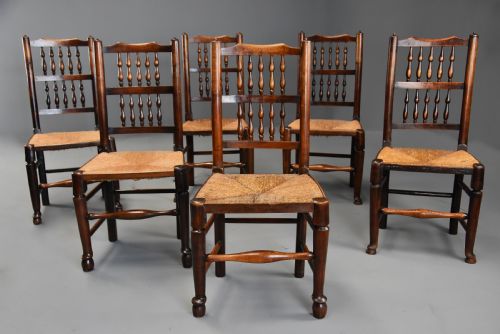
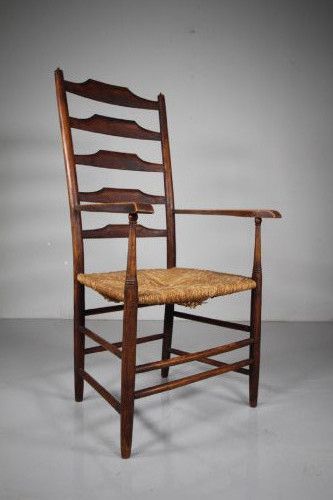
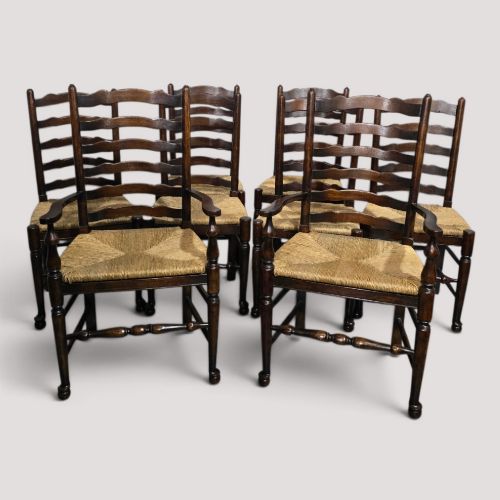
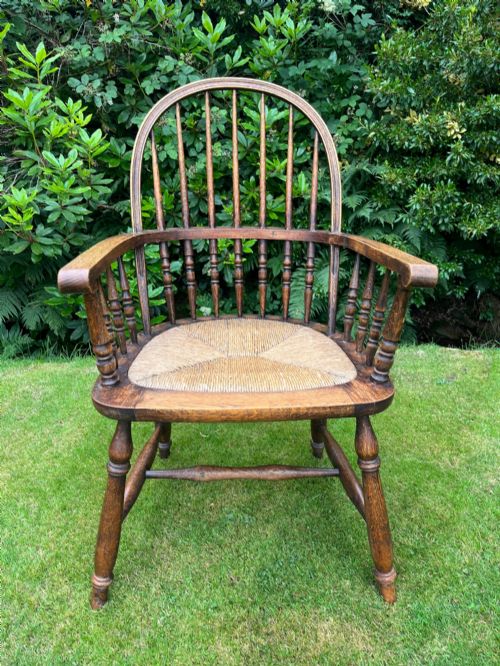
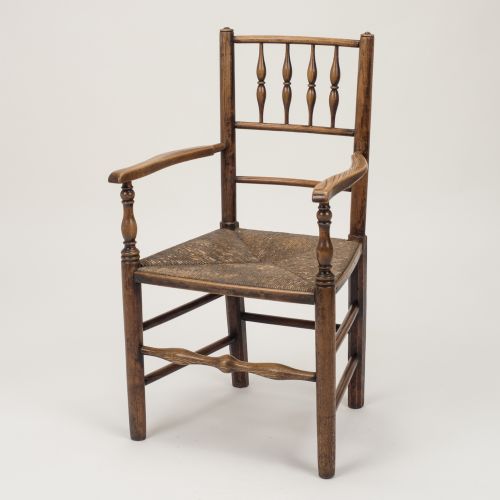
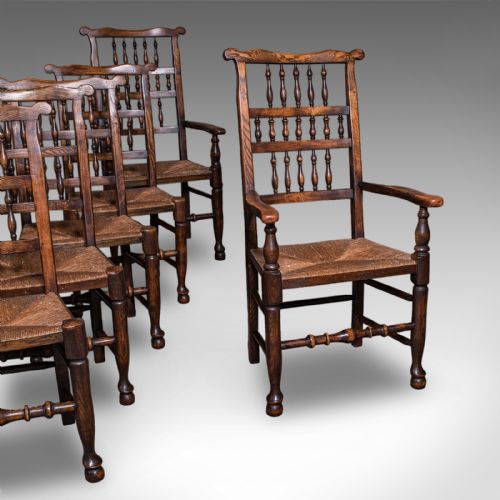
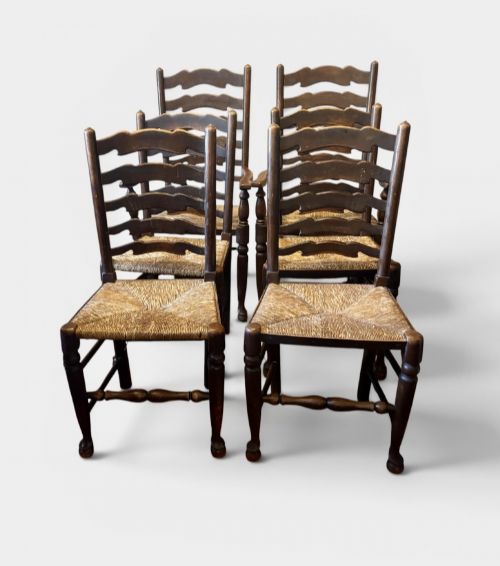
Frames rely on indigenous English hardwoods such as elm, ash, oak, beech, and fruitwood, often combined within a single piece for structural strength. Turning, steam bending, and traditional joinery methods create the characteristic ladder backs, spindle backs, and upright posts.
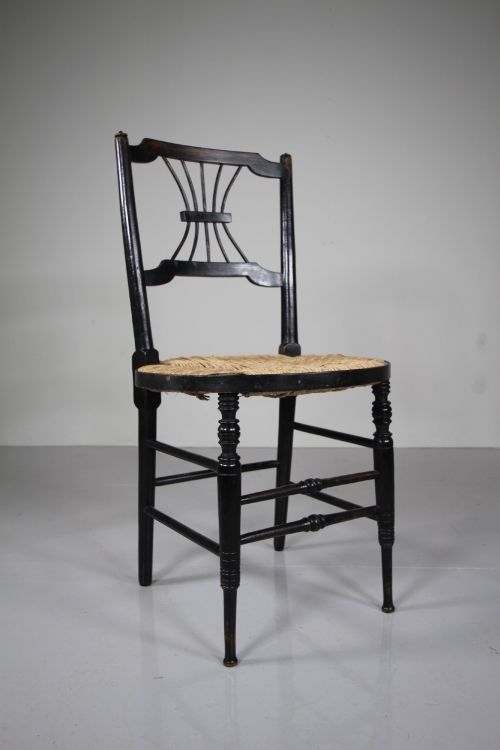
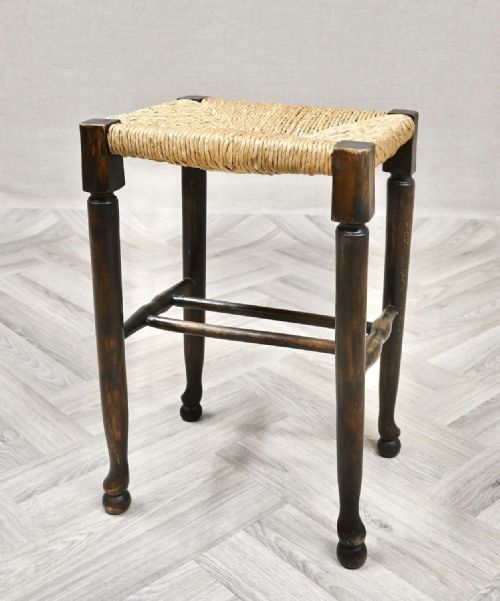
Seats are hand-woven using natural river rush, wound tightly over wooden rails to form a resilient and supportive surface. Some examples feature ebonised beech or surfaces retaining original paint finishes.
Several armchairs arrive with stories of farmhouse kitchens and library reading nooks built right into their sturdy spindles.
What varies in quality
Quality rests in the harmony of timber selection, frame integrity, and the tightness of the rush weaving. Finer pieces maintain original surface patination and tight joints without excessive timber replacement.
The balance of proportions in turned spindles and the sophistication of ladderback or spindleback construction separate standard regional items from exceptional cabinetmaker work.
William Morris·Philip Clissett·E W Godwin
The Traditional English Rush Seat Glossary
- Rush
- The dried stems of wetland plants used to weave durable, textured chair seats. It provides a supportive and flexible surface that mellows with age.
- Ladderback
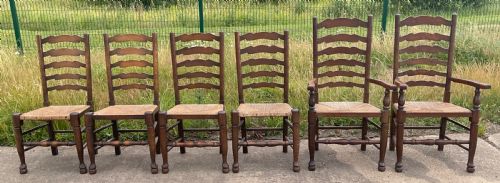
- A chair design featuring horizontal wooden slats between the upright rear posts. This form is a staple of English vernacular seating.
- Spindleback
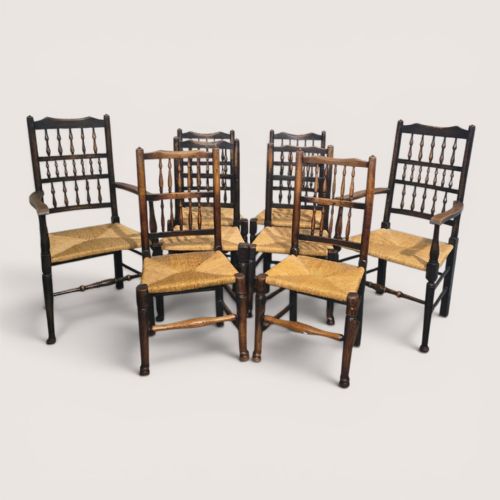
- A chair style utilising multiple thin turned wooden rods in the back support. It offers lighter visual weight while maintaining structural strength.
- Vernacular
- Everyday objects built by local craftspeople using regional materials and traditional designs. These pieces prioritize practical utility over formal academic styles.
- Patina
- The surface sheen and colour developed by wood and woven rush through handling, light exposure, and age. This quality distinguishes genuine period pieces from modern reproductions.
Traditional English Rush Seat: Frequently Asked Questions
How do I clean a rush seat?
Dust regularly with a soft brush and keep the rush away from excessive moisture to prevent brittleness. Natural fibres benefit from occasional gentle cleaning with a dry or barely damp cloth.
Avoid soaking the woven surface with water, as saturation damages the natural plant material. Proper ventilation helps preserve the strength of the weave over decades of daily use.
Can I use these chairs daily?
These sturdy wooden chairs with woven rush were built for everyday dining and kitchen use. Their robust construction handles regular seating when placed on even floors.
Care should be taken with older frames and dried rush to avoid sudden impacts or uneven weight distribution. Placed properly, they serve reliably in active homes.
How do I date a ladderback chair?
Dating relies on examining the turning style of the wood, tool marks, joinery methods, and the type of timber used. Eighteenth and nineteenth-century examples often display hand-turned components and distinct patination.
Comparing the stretcher placement and finial shapes against documented regional types helps narrow the period of manufacture. Secondary woods and fastener types provide further clues.
Are these seats comfortable?
The woven rush conforms slightly to the body, offering a surprisingly supportive and resilient sit without upholstery. The inclined backs on ladderback and spindleback designs encourage an upright posture.
Many users find them comfortable for meals and prolonged sitting. Adding loose pads is optional but rarely necessary for casual use.