



Victorian Vernacular Furniture
Victorian vernacular furniture represents the honest, utilitarian craftsmanship of the nineteenth century, built for everyday country life and prized for its unpretentious character.
Victorian Vernacular Furniture
Victorian vernacular furniture comprises practical household pieces built outside metropolitan workshops, drawing on regional traditions across Britain and Ireland. Buyers seeking victorian vernacular furniture will mostly encounter sturdy seating, tables, and storage created for domestic and tavern use.
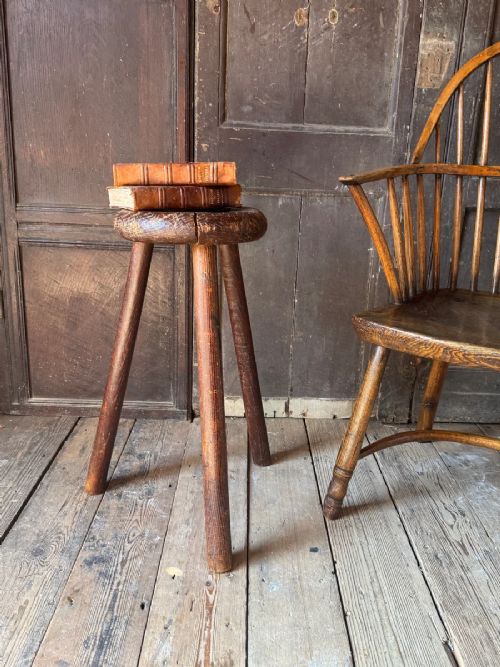
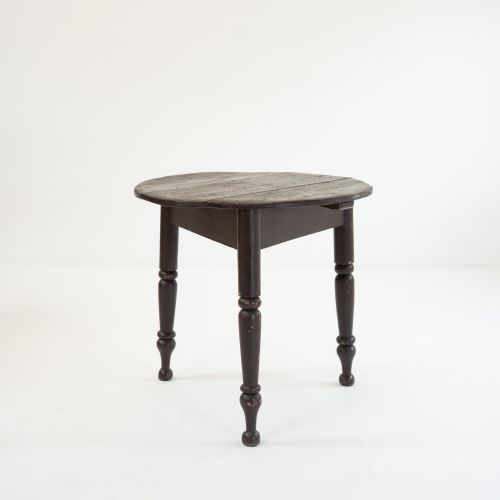
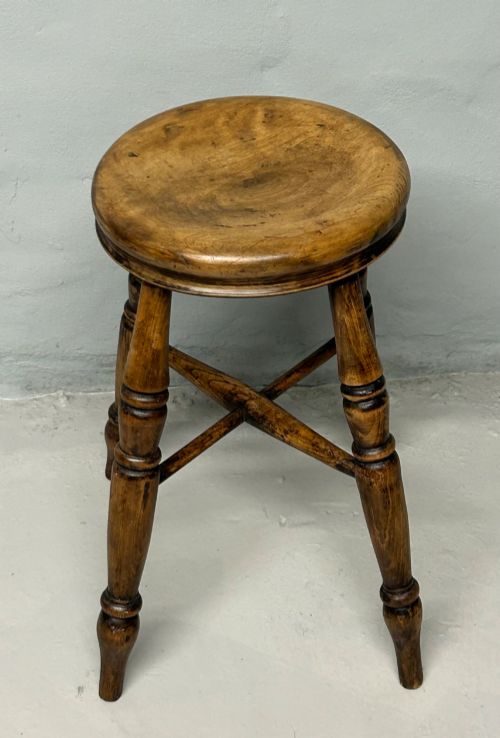
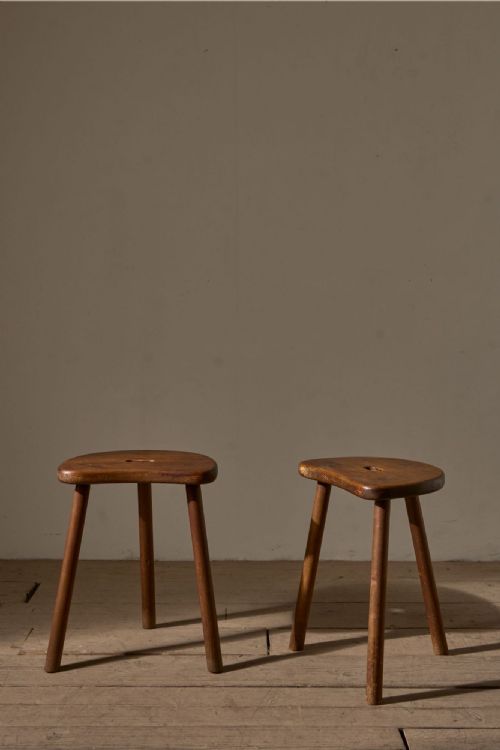
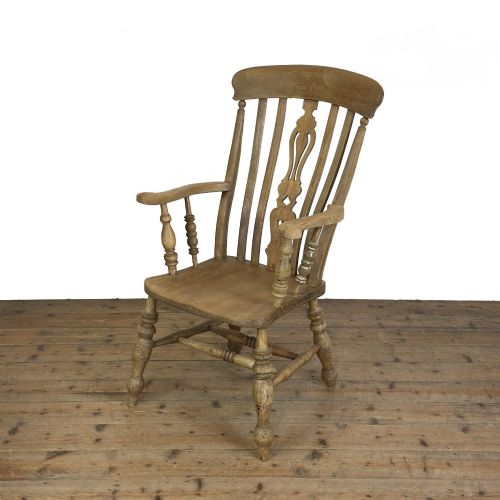
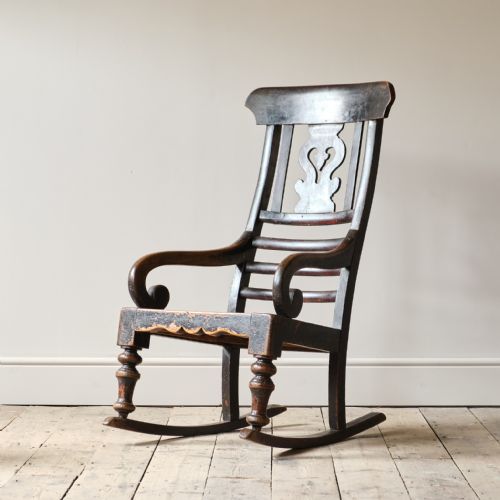
The selection centres heavily on seating, including Windsor armchairs, rush-seat single chairs, children's high chairs, and simple stools in various heights. Alongside these sit cricket tables, dressers, linen presses, and small cupboards.
Origins span English, Welsh, and Irish country workshops, utilising local timber and traditional regional designs. Pieces range from straightforward pine tables to carefully constructed elm and ash Windsor chairs.
How they were made
Local timbers dictate the construction, with elm, ash, oak, and beech chosen for their specific strengths and availability. Country makers paired tough timbers like elm for solid seats with flexible ash or beech for spindles and legs.
Surface finishes include plain scrubbed wood, early layers of paint, and natural patination developed through decades of domestic use. Construction relies on pegged joints, turned legs, and straightforward panel work rather than elaborate cabinetmaking.
The listings span the nineteenth century, featuring regional forms like the Welsh deuddarn and Talwrn dresser alongside vernacular seating in elm, ash, and pine.
What varies in quality
Quality rests on the selection of timber, the balance of proportions, and the integrity of the original construction. A superior piece displays thoughtful pairing of woods, such as burr yew and elm, alongside harmonious turned components.
The character of the surface timber and the survival of an honest, unstripped finish separate exceptional examples from standard utilitarian items. Retention of original paint or rich, deep patination elevates a piece above ordinary workshop output.
The Victorian Vernacular Furniture Glossary
- Vernacular furniture
- Items built by local tradesmen for domestic or agricultural use, following regional traditions rather than fashionable London styles. These pieces prioritise utility and local materials.
- Windsor chair
- A wooden chair featuring a solid carved seat into which the legs and back spindles are directly wedged. This construction method provides notable strength and lightness.
- Cricket table
- A small, light three-legged table traditionally used on uneven flagstone floors. The three legs ensure stability without rocking.
- Deuddarn
- A traditional Welsh two-tier cupboard used for storing household linen and provisions. It forms a key part of regional vernacular storage.
- Rush seat
- A seating surface woven from dried marsh rushes wound around a wooden frame. It offers a resilient and comfortable base for country chairs.
Victorian Vernacular Furniture: Frequently Asked Questions
What is vernacular furniture?
Vernacular furniture refers to everyday items made by local country craftsmen to serve practical household needs without following grand metropolitan styles.
These pieces reflect the regional materials and traditions of the areas where they were built, from Welsh dressers to English Windsor chairs.
How do I identify a Windsor chair?
A Windsor chair is distinguished by its solid, thick wooden seat that directly receives the legs below and the back spindles above.
They often combine different timbers, using durable woods like elm for the seat and flexible ash or beech for the bentwood bow and spindles.
Where were these pieces made?
These items were produced in rural workshops, farmsteads, and local towns across England, Wales, and Ireland.
Makers utilised whatever regional timber grew nearby, which explains the prevalence of elm, oak, ash, and pine in country pieces.
How should I care for a painted pine table?
Painted pine tables require gentle cleaning with a dry or barely damp cloth to preserve the historical surface layer.
Avoid harsh chemical cleaners and keep them away from direct heat sources to prevent the old timber from drying out or splitting.