


Turned Beech Armchair
A turned beech armchair offers structural clarity and tactile timber grain, anchoring any room with honest nineteenth-century craftsmanship.
Turned Beech Armchair
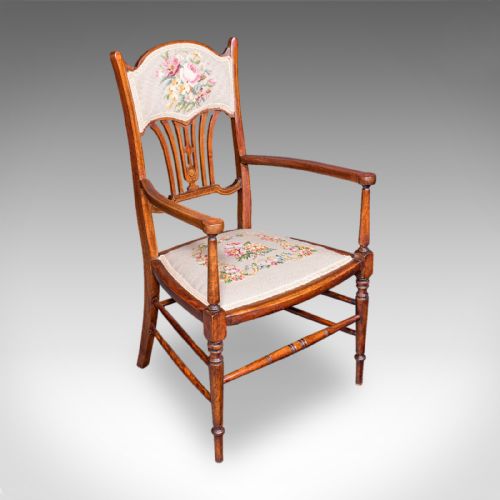
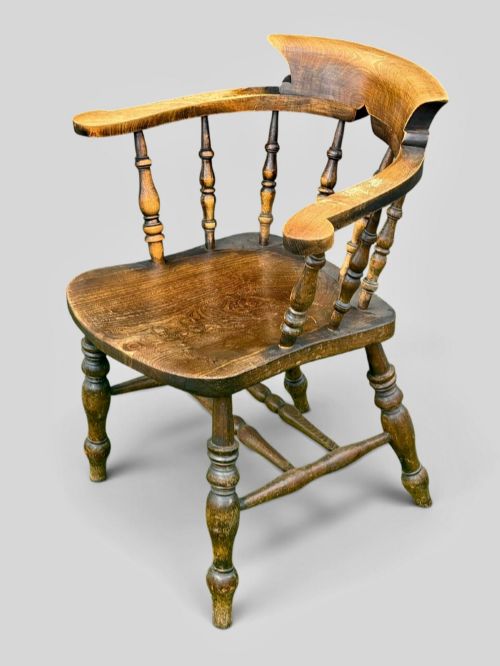
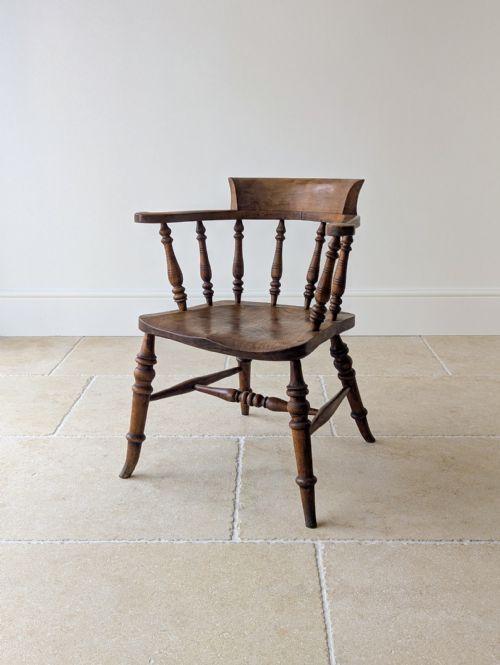
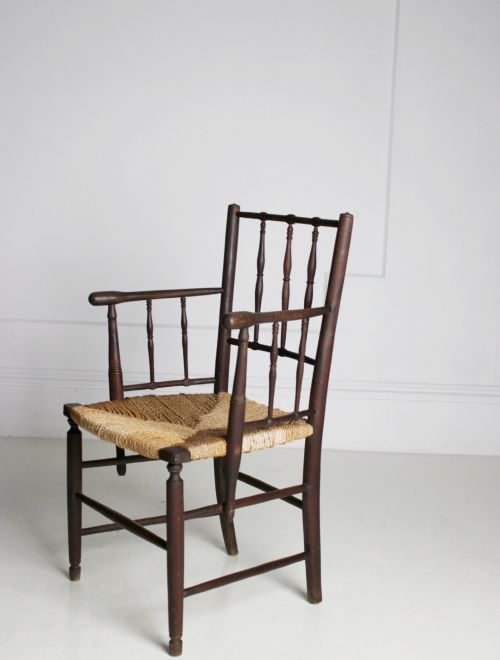
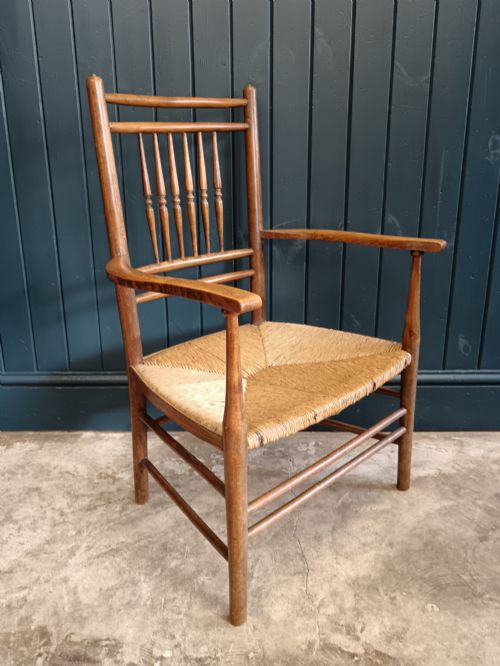
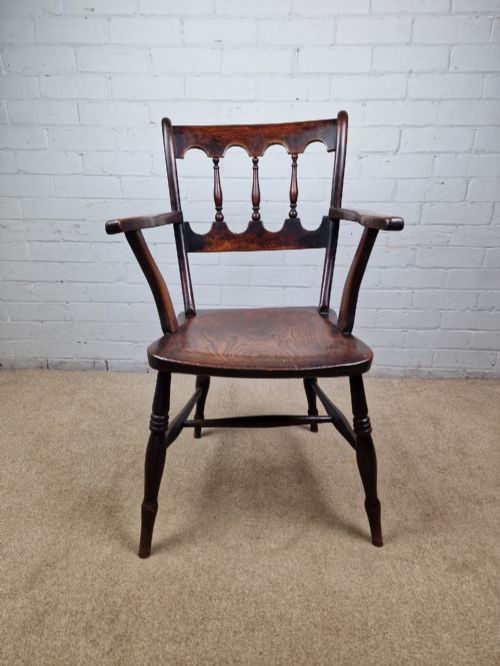
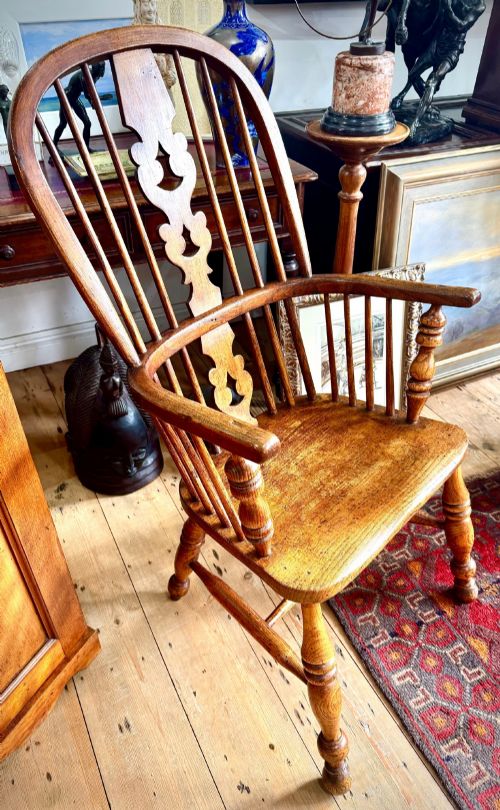
A turned beech armchair brings together structural spindles and country practicality, taking forms such as the Windsor, the Captain's chair, and the Sussex fireside seat. Buyers searching for a turned beech armchair encounter pieces spanning the Victorian and Edwardian eras, predominantly fashioned in provincial English workshops during the late nineteenth century.
Most examples combine a turned beech frame with an elm seat, creating a resilient two-timber construction designed for daily domestic use. Variations include desk chairs, rocking chairs, and occasional seating fitted with rush, cane, or upholstered pads.
The selection ranges from robust smokers' bows to spindle-back farmhouse chairs and lightweight decorative seating inspired by the Arts and Crafts movement. Collectors appreciate the way these diverse forms share a common vocabulary of lathe-turned components and honest joinery.
Judging Quality
Quality rests in the precision of the turning and the integrity of the timber selection. Sharply defined spindle profiles and balanced proportions distinguish finer workshop output from more utilitarian trade pieces.
The degree of wear on the wooden seat and the tightness of the structural joints indicate how well a piece has endured decades of sitting. Retaining original surfaces, whether unpainted timber or early painted finishes, preserves the historical character that serious collectors seek.
Some miniature versions exist, faithfully scaled down by nineteenth-century makers as apprentice display pieces.
Thonet·Morris and Co
The Turned Beech Armchair Glossary
- Smoker's bow
- A low-backed Windsor armchair with a continuous curved armrail supported by turned spindles, often featuring a generous elm seat.
- Rush seat
- A seating surface woven from dried marsh rushes around a wooden frame, typical of country chairs and Arts and Crafts designs.
- Spindle back
- A chair back constructed from multiple slender, turned wooden rods set vertically between the seat and the top rail.
- Bentwood
- Wood shaped by applying steam and pressure to create flowing, continuous curves without traditional joints.
- Saddled seat
- A wooden seat shaped with concave depressions to provide ergonomic comfort for the sitter.
Turned Beech Armchair: Frequently Asked Questions
What is a smokers bow chair?
A smokers bow is a sturdy vernacular armchair with a low, continuous rail and turned spindles above an elm seat. These chairs were widely used in offices, smoking rooms, and farmhouses.
Their robust construction ensures they remain stable and comfortable for daily seating in modern homes.
How do I care for rush seats?
Rush seats require dry conditions and occasional gentle cleaning with a soft brush to remove dust. Avoid excess moisture, which can cause the natural fibres to weaken over time.
Placing these chairs away from direct heat sources helps prevent the dried marsh materials from becoming brittle.
Are these chairs comfortable for daily use?
Many nineteenth-century designs feature saddled elm seats shaped to contour naturally to the body. While upright in posture, they offer reliable support for a desk or reading nook.
Adding a loose textile cushion can provide extra comfort without altering the historic frame.
How can I date my chair?
Dating relies on comparing stylistic details such as spindle turning patterns, timber combinations, and assembly methods against documented nineteenth-century examples. Victorian and Edwardian pieces often exhibit distinct regional preferences in their joinery.
Examining the wear patterns on the wooden seat can also indicate the age and intensity of past use.