





Traditional English Landscape
Traditional English landscape paintings and watercolours capture the quiet pastoral scenes, rivers and coastal views that defined British art across the nineteenth and early twentieth centuries.
Traditional English Landscape
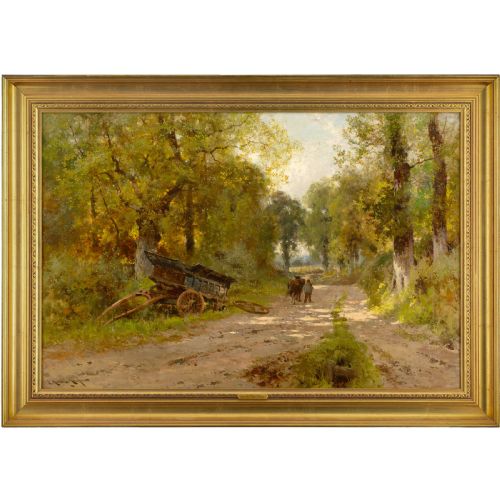
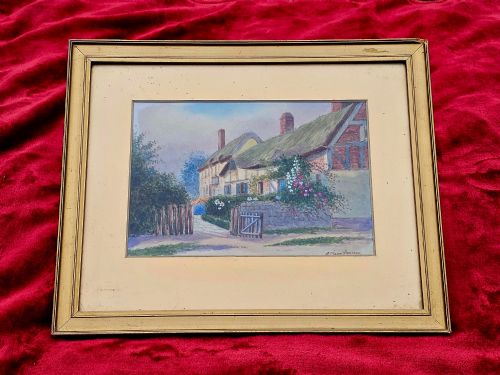
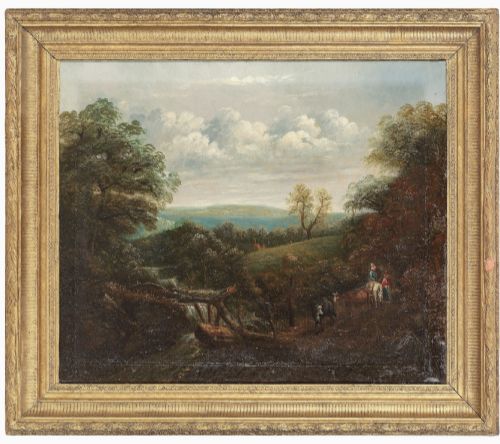
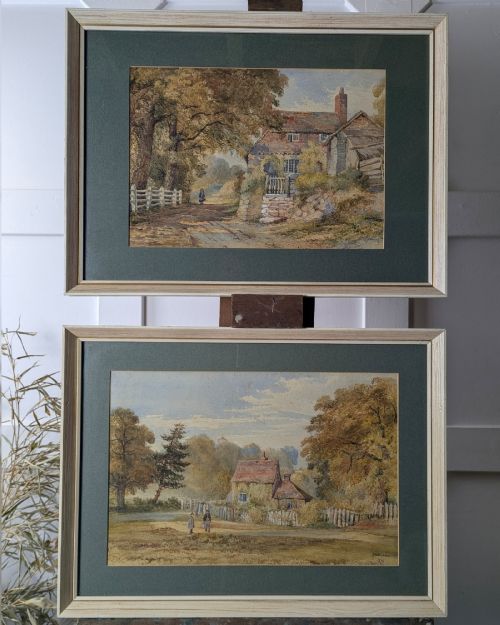
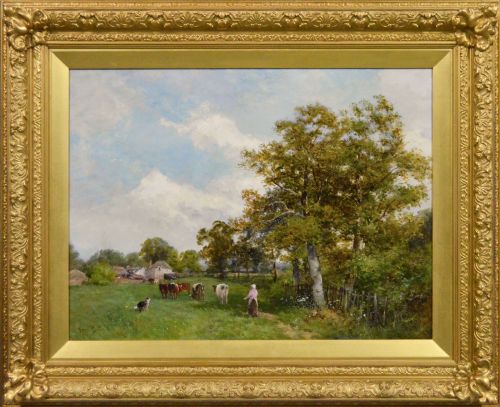
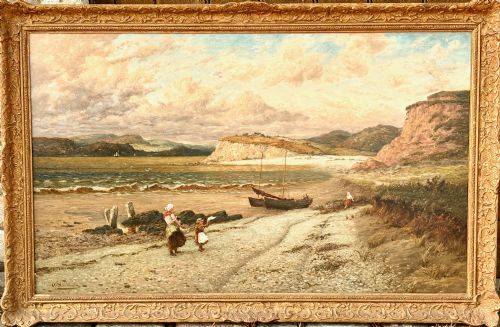
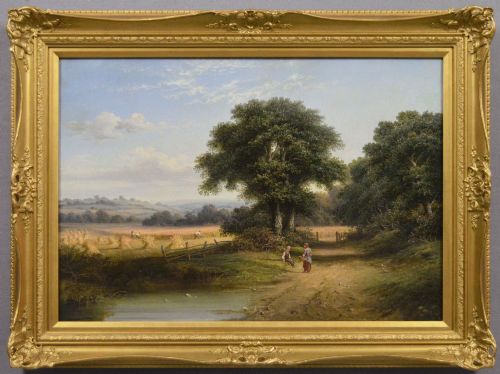
A traditional English landscape on this page typically takes the form of an oil painting on canvas, wood panel or board, alongside works executed in watercolour on paper. The subjects focus on rural life, river valleys, harvest fields, coastal harbours and wooded paths created during the Victorian, Edwardian and early twentieth-century periods.
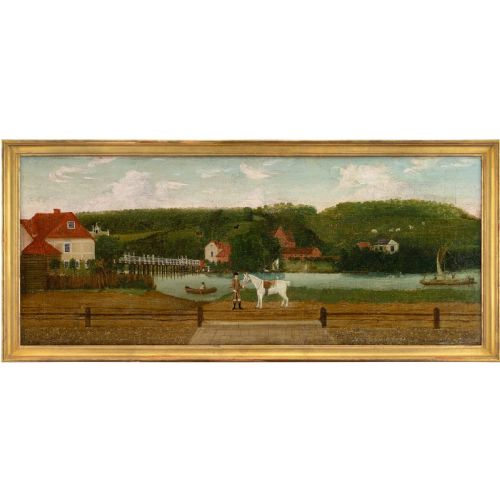
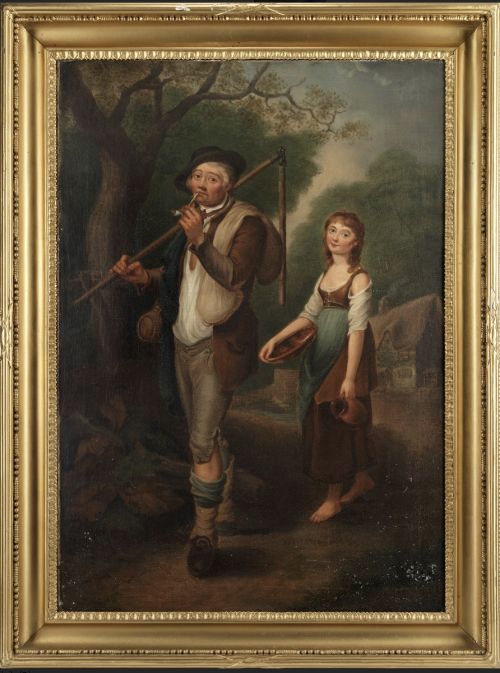
Viewers frequently encounter pastoral scenes featuring figures near cottages, cattle herding, agricultural workers and river views by named British artists and regional schools. These pieces reflect a specific historical fascination with the natural countryside, rural heritage and local topography.
How these paintings and watercolours were created
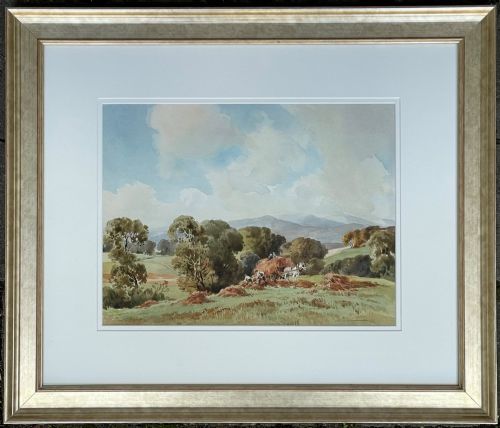
Artists relied primarily on oil paint applied to prepared canvas, wood panel or card, utilising pigments that built up rich textures and deep tones for subjects like wooded riverbanks and harvest scenes. Watercolour on paper allowed practitioners to capture lighter, transparent atmospheric effects across rivers and coastal views.
Many works were framed in gilt wood, complementing the traditional compositions and preserving the integrity of the canvas or paper support. The combination of durable oil mediums and careful watercolour washes ensured these depictions of the English countryside survived across generations.
Listings feature works spanning the nineteenth and twentieth centuries, utilising canvas, paper, wood, and oil paint across various British schools.
What separates works within this genre
Quality in a traditional English landscape rests on the artist's ability to handle light, atmospheric depth and natural proportions within the composition. Works by established regional school painters or recognised practitioners demonstrate superior brushwork and compositional balance compared to simpler, unsigned school pieces.
The sophistication of the pigment application and the rendering of fine details, such as foliage, water reflections and human or animal figures, distinguish finer examples from standard decorative works.
George Graham·Alfred Young Nutt·Percy Lancaster·William Howard Hardy·John Horace Hooper·A. Marie Parsons·William Banks Fortescue·David Bates·Walter Heath Williams·Robert Thorne Waite·John Smith Atherton·Thomas Sidney Cooper·George Oyston·Russell Sidney Reeves·Henry Yeen King·Robert Leslie Howey·T C Hofland·William Greaves·Henry H Parker·Miles Birkett Foster·George Morland·Walter Goodin·Sydney Yates Johnson
The Traditional English Landscape Glossary
- Watercolour
- A painting method in which the paints are made of pigments suspended in a water-based solution. These works are typically executed on paper.
- Gilt wood
- Wood that has been treated with a thin layer of gold leaf or gold-coloured finish. It is commonly found on traditional frames enclosing nineteenth-century canvases.
- British Impressionism
- An artistic style influenced by the French movement but adapted by British painters to capture transient effects of light in local landscapes. It values loose brushwork over rigid academic finish.
- Provincial school
- A regional group of artists sharing stylistic traits and local subjects outside the capital. Norwich School works serve as a notable example within this category.
Traditional English Landscape: Frequently Asked Questions
What subjects appear most often in traditional English landscapes?
The subjects predominantly feature rural scenes, river valleys, harvest fields, coastal harbours, and wooded paths. Artists frequently included cottages, cattle, and agricultural workers within these compositions.
These motifs reflect the nineteenth and early twentieth-century artistic focus on pastoral life and local British topography.
How do I distinguish between an oil painting and a watercolour?
Oil paintings utilise heavy pigments suspended in oil on canvas, wood panels, or board, resulting in textured surfaces and deep opacity. Watercolours use transparent water-based pigments applied to paper.
Watercolours generally require protective glass framing, whereas most oil works on canvas remain exposed within their wooden frames.
How should I care for a nineteenth-century oil painting?
Keep paintings away from direct sunlight and steady sources of extreme heat to prevent the canvas or wood panel from warping and the oil paint from cracking. Gentle dusting with a soft, dry cloth is usually sufficient for surface maintenance.
Avoid using water or chemical cleaning agents on the painted surface or the gilt wood frame.
What periods do these landscape artworks generally cover?
The works span from the late eighteenth century through the Georgian and Victorian eras, extending into the Edwardian period and the early twentieth century up to the 1950s. Nineteenth-century pieces form a substantial portion of the available selection.
Specific dates or periods are often indicated by the artist's working lifespan, stylistic markers, or framing techniques.