


Traditional English Dining Chairs
Traditional English dining chairs combine centuries of domestic craftsmanship with robust native timbers, offering enduring practical seats for the home.
Traditional English Dining Chairs
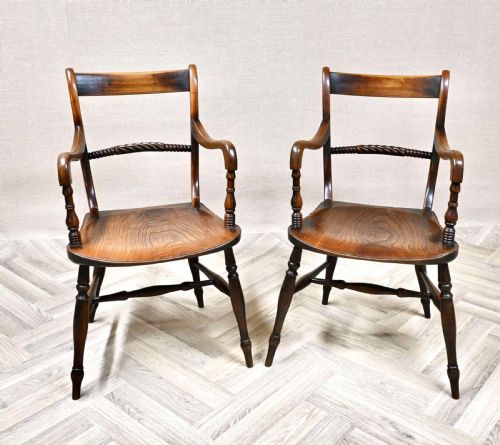
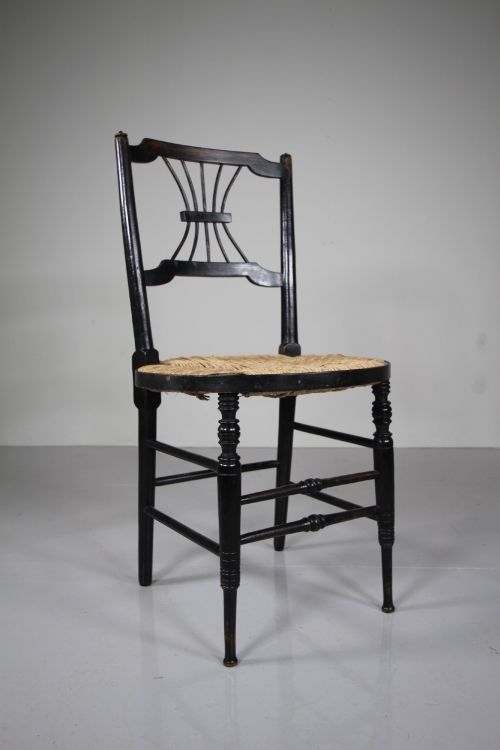
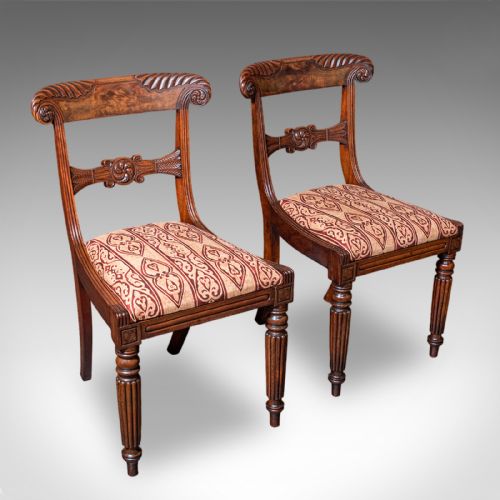
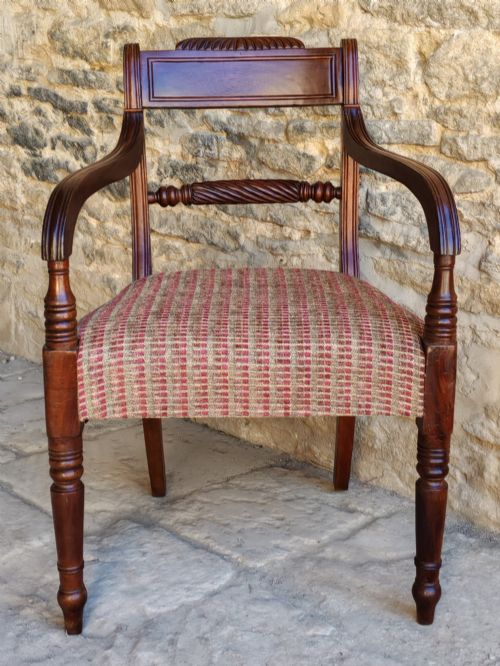
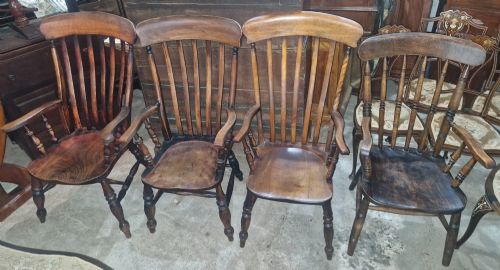
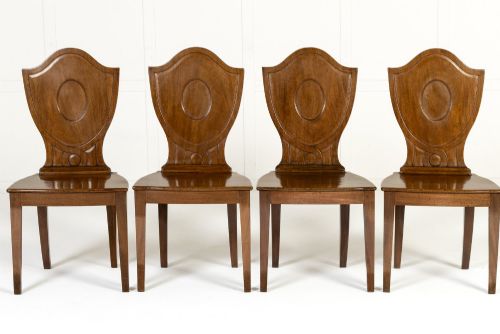
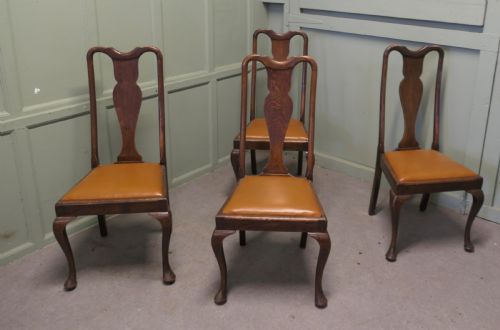
Traditional English dining chairs encompass a broad spectrum of domestic seating, ranging from rustic vernacular country forms to formal urban designs. When exploring traditional English dining chairs, buyers encounter sturdy kitchen Windsor models alongside refined formal mahogany dining suites.
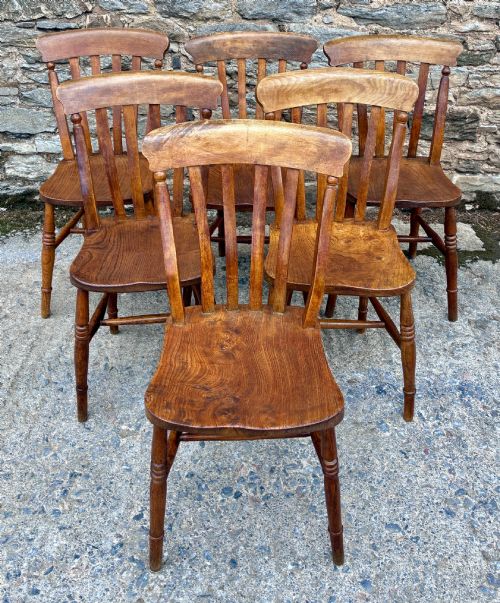
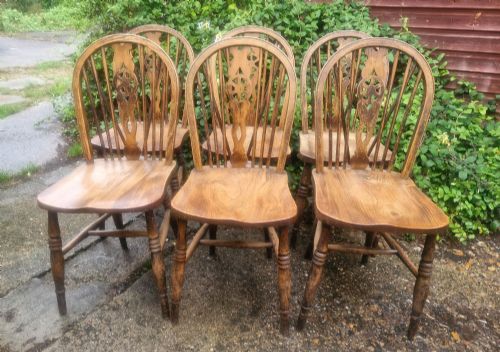
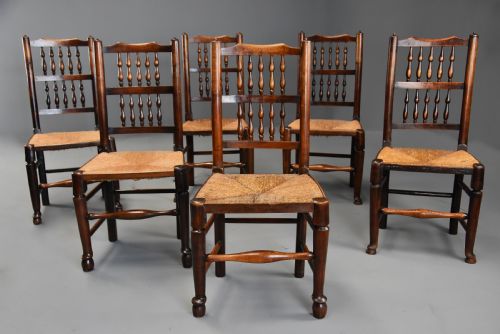
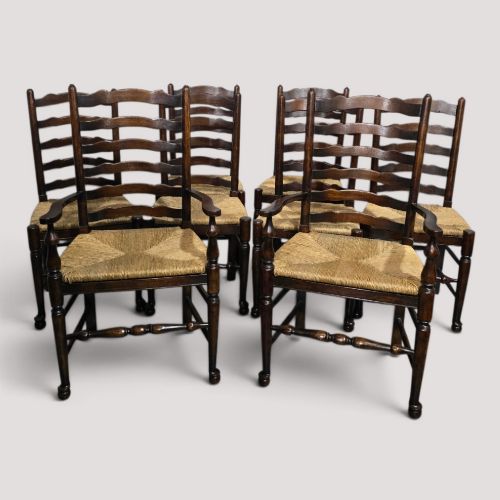
The pieces appearing on this page span several centuries, with particular emphasis on 19th-century interpretations and earlier country styles. Common configurations include sets of ladderbacks, spindle backs, and wheelbacks, alongside matched or harlequin groupings intended for daily use around a dining table.
Materials and Construction
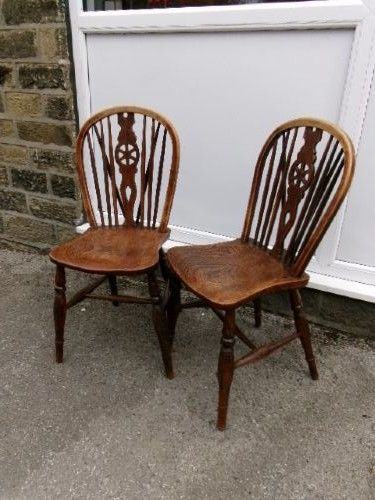
Cabinetmakers and rural bodgers utilised native hardwoods such as elm, oak, ash, beech, and yew, frequently combining multiple timbers within a single frame. Elm often formed the solid saddle seats, whilst ash and yew provided flexible spindles and bentwood hoops.
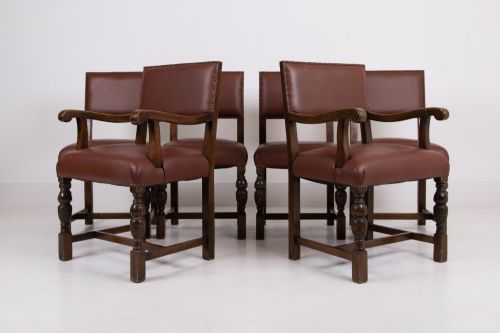
Construction techniques relied heavily on traditional joinery, including pegged mortise and tenon joints and turned components secured by wedges. Rush seating and leather upholstery supplemented solid wood bases, while later formal dining chairs incorporated carved mahogany and maple frames.
Traditional English Dining Chairs Retail Price Guide 2026
Typical asking prices for traditional english dining chairs among the pieces listed under this phrase on Sellingantiques today, from the lower quarter to the upper quarter. They describe what is for sale here now, not the wider market.
Materials span native timbers like elm, ash, and yew alongside imported mahogany and maple.
Assessing Quality and Character
Quality in these chairs rests upon the integrity of the timber selection and the retention of original surfaces. Pieces displaying deep, natural patination resulting from generations of use carry greater visual depth than heavily restored examples.
Structural harmony also dictates distinction, as seen in balanced proportions, tightly secured joints, and the absence of excessive replacement components within larger sets.
William Morris·Rossetti·Maple and Co·Worksop
The Traditional English Dining Chairs Glossary
- Windsor chair
- A wooden chair featuring a solid carved seat into which the legs and back sticks are independently inserted. This form evolved through various regional styles including hoop backs and comb backs.
- Ladderback
- A chair back constructed with horizontal arched slats resembling the rungs of a ladder. These frames commonly appear in oak or beech with rush or wooden seats.
- Carver
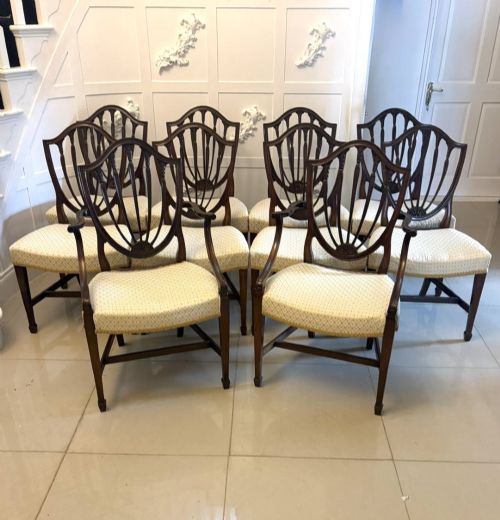
- An armchair designed to match a set of smaller side chairs, traditionally placed at the head of a dining table. They frequently incorporate broader arms to accommodate period attire.
- Crinoline stretcher
- A bent metal or wooden reinforcement connecting the legs of a chair in a curved loop. It provides lateral stability whilst echoing the circular design of the undercarriage.
Traditional English Dining Chairs: Frequently Asked Questions
How do I care for antique wooden dining chairs?
Maintain wooden frames by applying appropriate wax polish periodically to nourish the grain and protect the surface. Avoid placing chairs near direct heat sources to prevent timber shrinkage and joint loosening.
Regularly check the stability of leg joints and stretchers during routine cleaning. Gentle dusting with a soft cloth preserves the historic patination accumulated over decades of use.
Are mismatched dining chair sets authentic?
Many historic dining arrangements grew organically over time rather than being purchased as single uniform sets. Harlequin sets, combining similar regional styles or timber tones, reflect traditional domestic furnishing practices.
When evaluating a matched group, examine the construction details and timber species to understand how closely the individual chairs relate. Minor variations in turning or seat shape often indicate genuine period assembly rather than modern manufacture.
What timber was used for Windsor chair seats?
Elm served as the primary timber for Windsor chair seats due to its interlocking grain structure. This property resisted splitting when the multiple legs and back spindles were bored directly into the block.
Makers occasionally employed other dense hardwoods, but elm remained the preferred choice for its combination of strength and responsiveness to heavy carving.
How do I distinguish country chairs from formal dining chairs?
Country chairs typically rely on native unpretentious timbers like ash, elm, and beech, featuring turned spindles and unpadded wooden seats. Their construction prioritises functional durability for kitchen and farmhouse environments.
Formal dining chairs utilise imported or highly finished woods such as mahogany and maple, often featuring carved splats, upholstered drop-in seats, and refined stylistic influences like Regency or Chippendale designs.