

Traditional Elm Seating
Traditional elm seating encompasses sturdy rural chairs and benches shaped by country joiners over past centuries for daily domestic use.
Traditional Elm Seating
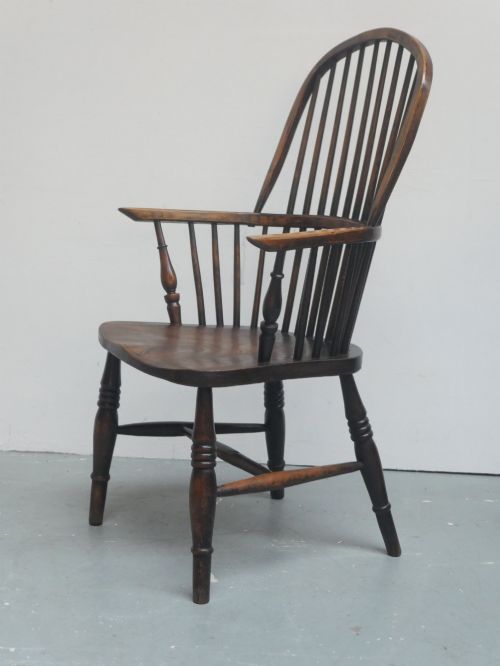
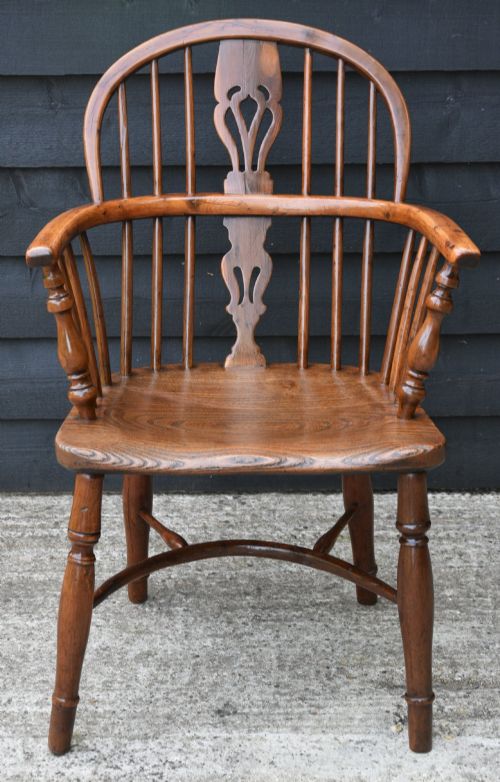
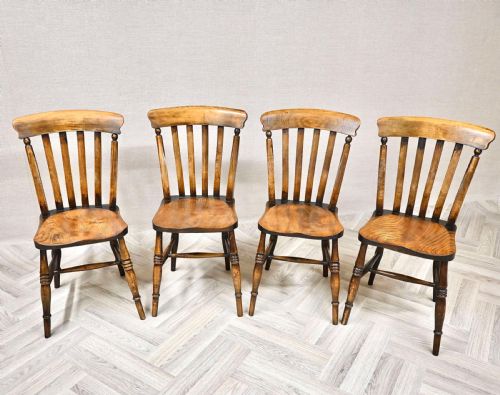
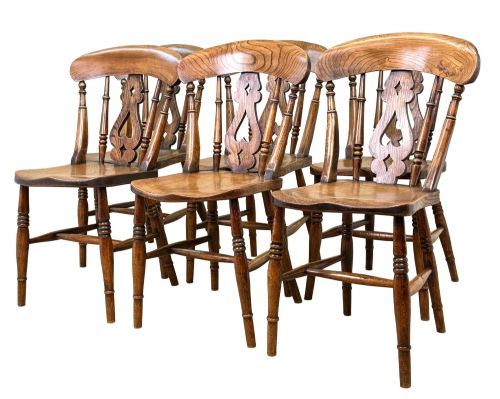
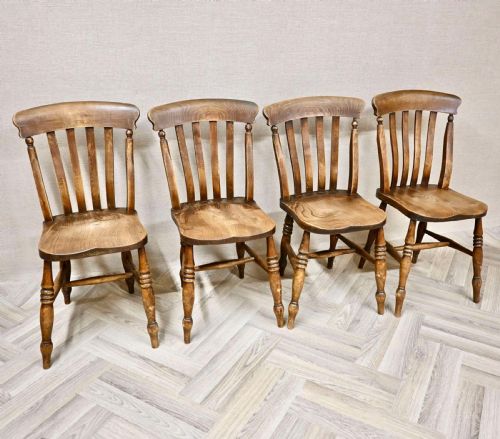
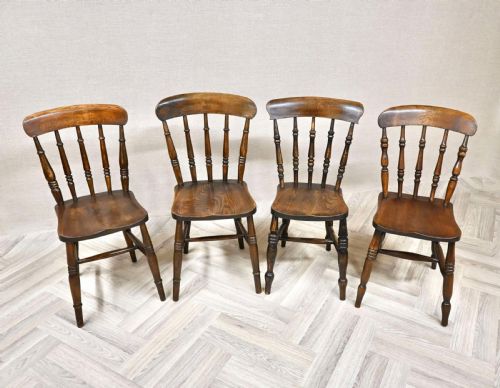
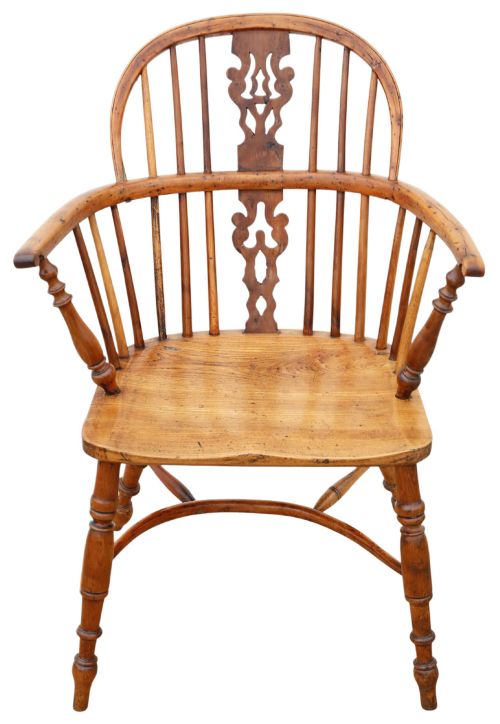
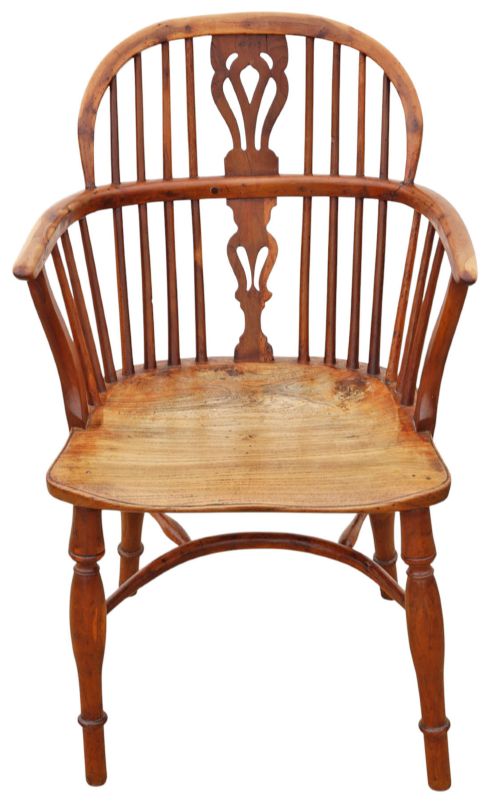
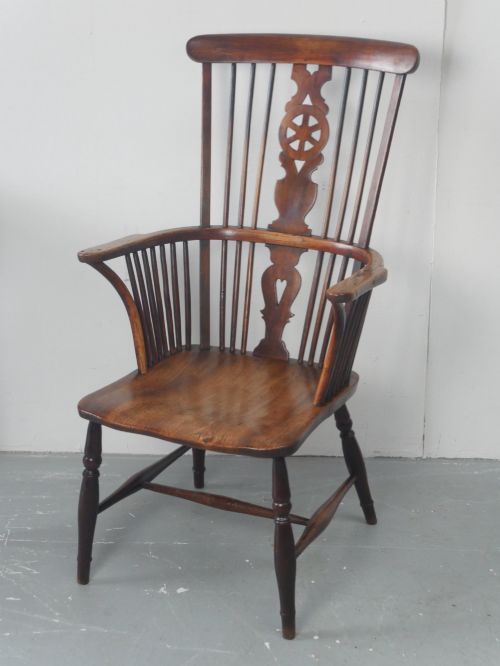
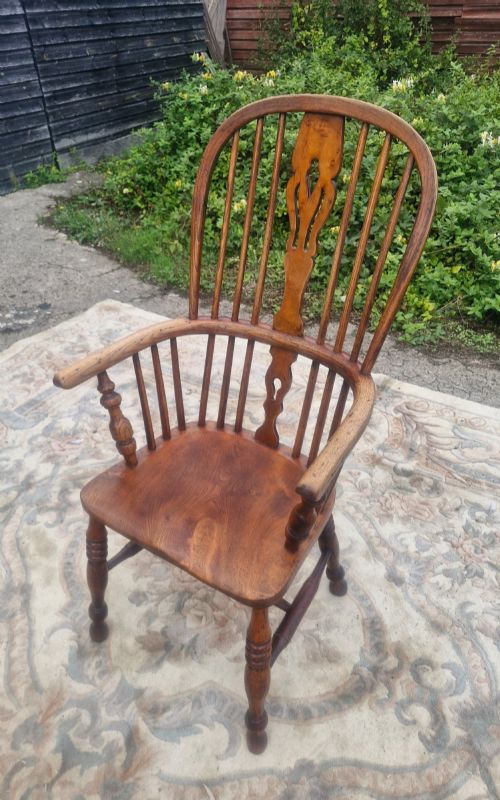
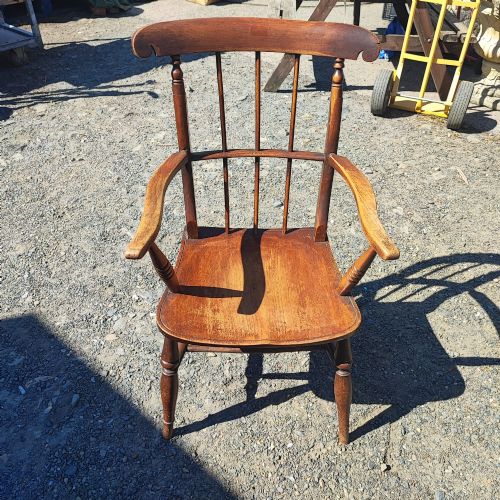
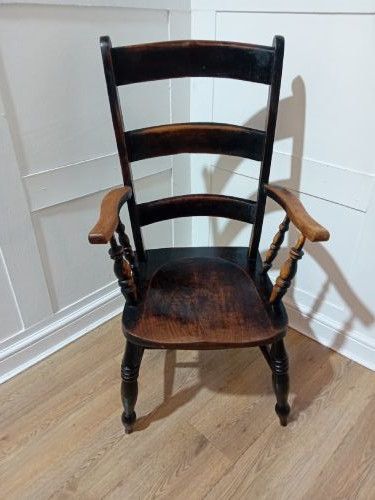
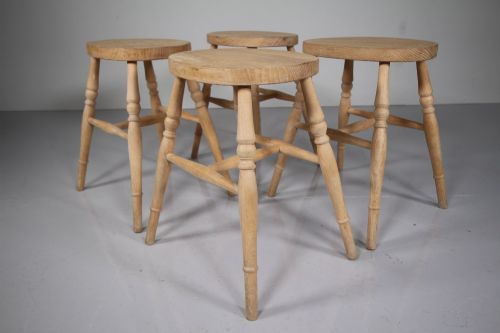
Traditional elm seating covers a range of domestic furniture including Windsor armchairs, kitchen chairs, stools, benches and settles. These pieces originate predominantly from the eighteenth and nineteenth centuries, spanning Georgian, Victorian and Edwardian periods.
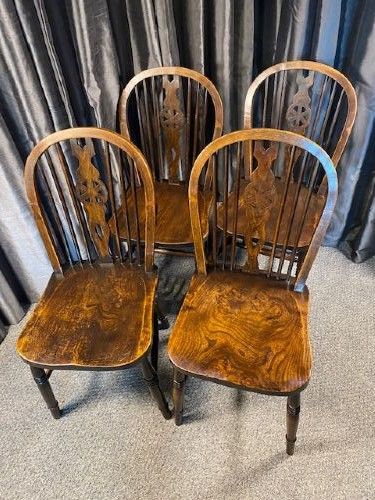
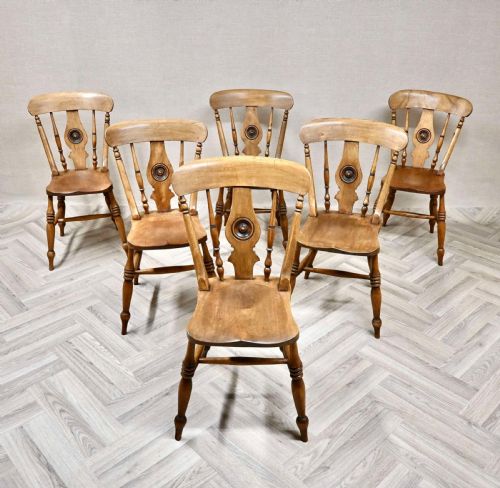
The most common forms on this page are Windsor chairs and kitchen dining chairs featuring solid timber seats. Makers built these items for practical service in farmhouses, cottages and taverns across English country regions.
Regional variations appear frequently, from Thames Valley high-backs to West Country children's chairs and Welsh armchairs. Dining sets, pairs and individual elbow-chairs populate the selection alongside long benches for hallways.
What varies in quality
Quality depends upon the balance of timber selection, particularly the figure and patina developed on the elm seat over decades of use. Better examples retain original surface finishes rather than stripped or heavily restored wood.
Construction deftness separates fine pieces from standard utility items, shown in the graceful sweep of a bentwood arm or the slender taper of turned spindle legs. The harmony between the elm seat and contrasting woods like yew or ash indicates superior regional workmanship.
Listings feature elm combined with ash, beech, oak, yew and laburnum across Georgian, Victorian and Edwardian periods.
The Traditional Elm Seating Glossary
- Windsor chair
- A wooden chair built with a heavy solid timber seat into which the legs and back spindles are driven directly. This design developed deep roots in English country vernacular furniture.
- Saddle seat
- A wooden seat scooped out by hand to resemble the concave shape of a riding saddle. This shaping provided comfort before upholstered cushions became common.
- Spindle back
- A chair back constructed from numerous thin turned vertical rods supporting the top rail. These slender wooden shafts distribute weight evenly.
- Stretcher
- A horizontal wooden rod connecting the legs of a chair to provide structural rigidity. These rails prevent the legs from spreading under heavy loads.
- Patina
- The surface sheen and colour acquired by wood through age, wear and frequent polishing. This natural finish rewards careful preservation.
Traditional Elm Seating: Frequently Asked Questions
What is a Windsor chair?
A Windsor chair is a distinct seating form built around a thick wooden seat that anchors the legs below and the back components above.
Country joiners fashioned these chairs using a mix of timbers, pairing a robust elm seat with flexible ash or yew for the bent bows and spindles.
How do I care for antique elm furniture?
Maintain elm furniture by keeping it away from direct heat sources and sudden humidity shifts that can cause the solid timber to split.
Apply traditional wax sparingly and buff with a soft cloth to preserve the natural patina built up over decades of use.
Are these chairs comfortable for daily dining?
These chairs were designed for practical domestic tasks and feature ergonomically scooped wooden saddle seats that support the body.
While firm compared to modern padded upholstery, many people find the sturdy proportions well suited for everyday kitchen and dining room use.
How can I tell the period of an elm chair?
Dating relies on observing construction marks, turning styles, and the specific shaping of the arms, comb backs or hooped rails.
Georgian examples often display refined turning and rich yew combinations, whereas later Victorian and Edwardian pieces reflect heavier farmhouse utility designs.