


Rustic Counter Stools
Rustic counter stools offer honest, high seating built from sturdy woods like elm and oak for everyday use.
Rustic Counter Stools
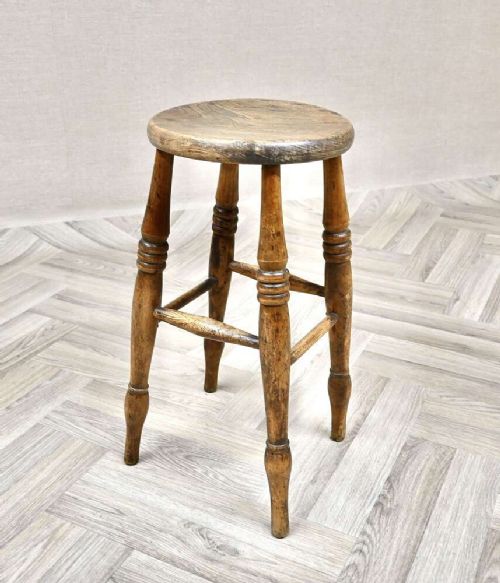
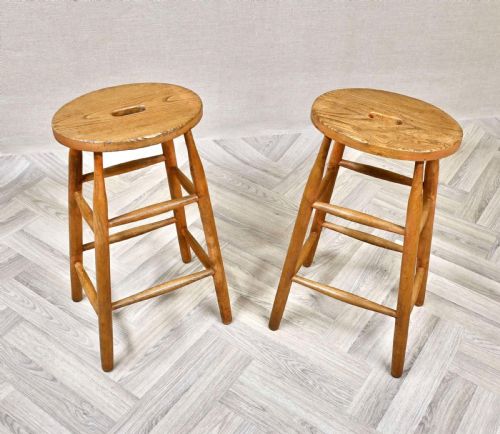
Rustic counter stools provide tall seating derived from traditional pub, tavern, and clerk origins. These pieces range from nineteenth-century examples to later twentieth-century iterations.
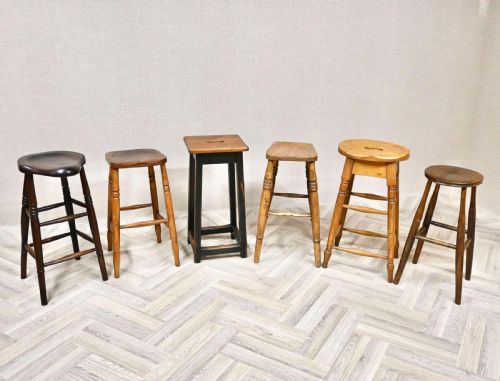
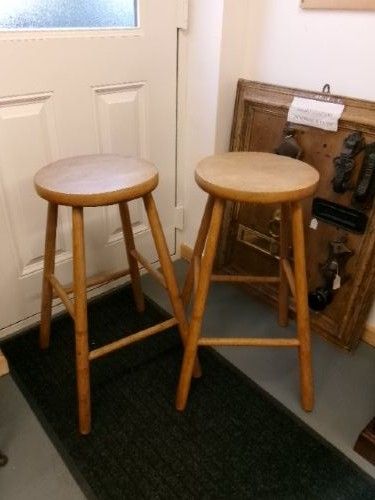
The selections here feature practical forms such as bar stools, kitchen stools, and home bars. Elm, oak, beech, and pine dominate the structural shapes seen across these listings.
Buyers encounter styles spanning Victorian country, industrial, and art deco influences. Each stool brings functional height and straightforward timber construction to domestic spaces.
Construction and materials
Makers utilised solid timbers including sycamore, birchwood, and hardwood for durability. Turned beech components appear frequently alongside thick wooden seats.
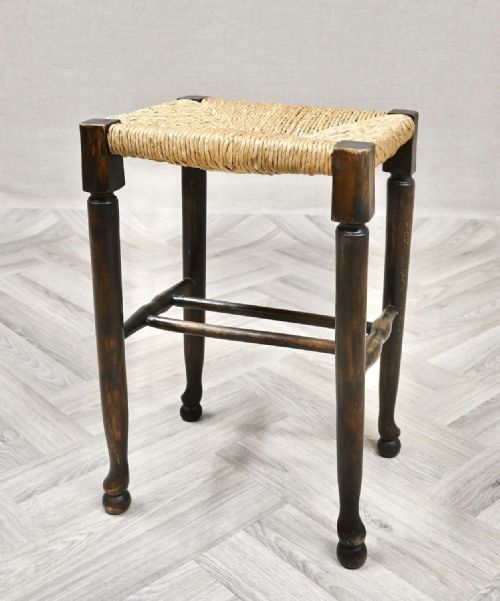
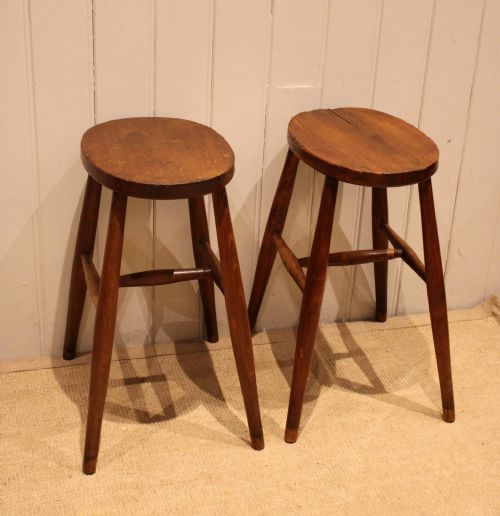
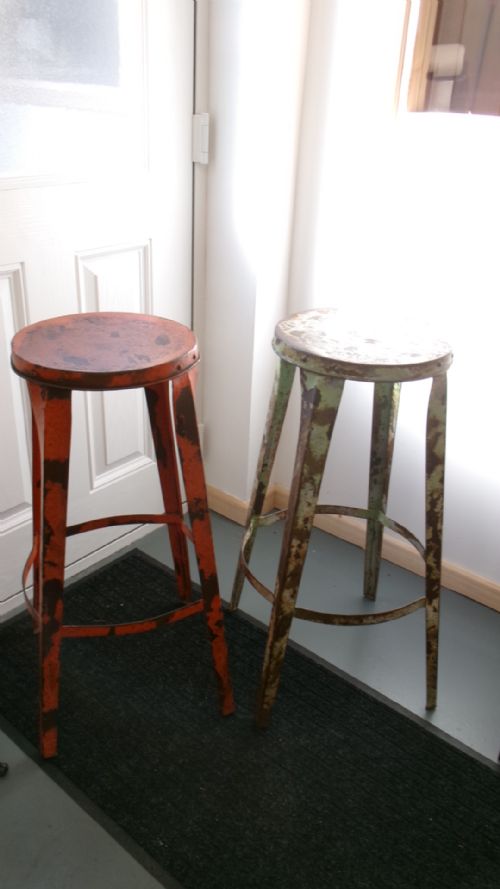
Selected pieces incorporate metal riveting for industrial strength, while others rely on traditional joinery and rush seating. Oval dished tops and adjustable heights demonstrate practical utility.
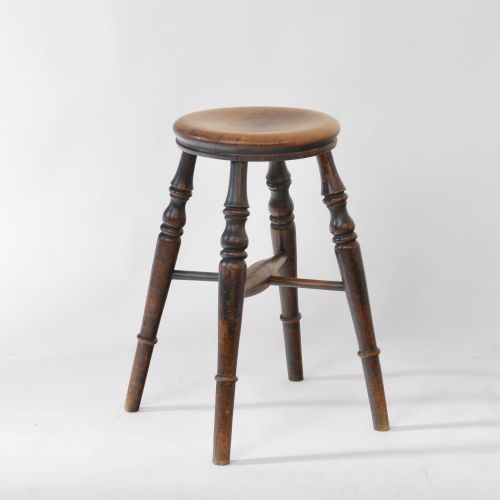
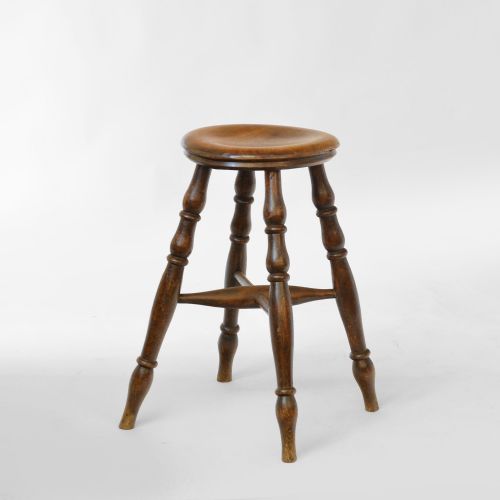
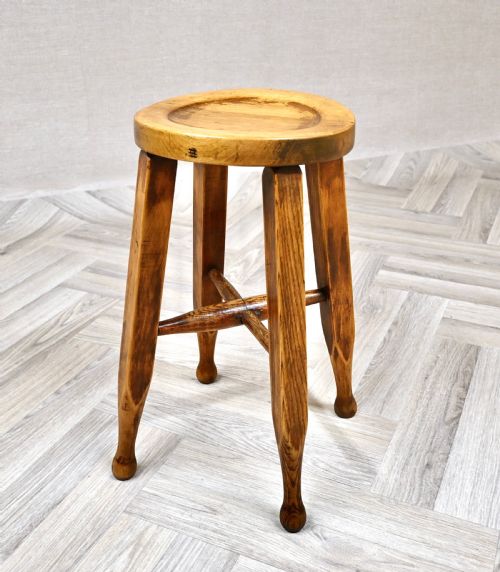
Some tavern stools feature deeply dished wooden seats designed for comfort during very long drinking sessions.
Assessing quality and build
Quality rests in the selection of timber and the integrity of the joinery. Dense woods like wild elm and sycamore indicate superior substance.
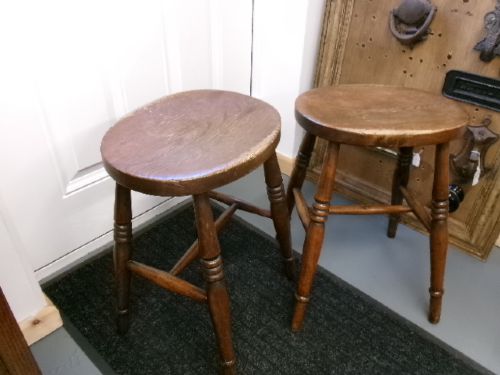
The precision of turned legs and the comfort of shaped, dished seats separate standard seating from finer examples.
The Rustic Counter Stools Glossary
- Rush seat
- A seating surface woven from dried marsh plants. This traditional method provides flexible support on wooden frames.
- Dished top
- A seat carved with a shallow depression for comfort. It matches the contours of the body during extended sitting.
- Clerk's stool
- A tall wooden seat historically used at high desks. These feature slender turned legs and simple footrests.
- Industrial metal
- Iron or steel components utilised in commercial environments. Riveted joints provide utilitarian strength to the frame.
- Windsor stool
- A heavy wooden seat supported by turned legs wedged directly into the base. This method ensures lasting structural stability.
Rustic Counter Stools: Frequently Asked Questions
How do I clean wooden stools?
Wipe surfaces gently with a slightly damp cloth to remove dust and daily grime. Avoid harsh chemical cleaners that strip natural finishes.
Apply a traditional beeswax polish occasionally to nourish the timber and maintain a soft sheen.
Are these stools suitable for kitchens?
These tall wooden seats fit comfortably beneath modern breakfast bars and kitchen islands. Their narrow footprints save space in busy rooms.
Sturdy timber construction handles daily household use without losing character.
How do I date an old stool?
Examine the tool marks and the type of timber used in the construction. Hand-turned legs and patinated elm point towards nineteenth-century origins.
Industrial metal rivets and adjustable screws usually indicate early twentieth-century manufacture.
Can I mix different wood tones?
Combining various timbers like oak, beech, and pine adds depth to a room. Different shades of brown create an authentic collected appearance.
Shared proportions and similar heights unify disparate pieces around a single counter.