


Traditional Earthenware Jar
A traditional earthenware jar brings tactile warmth to a room, holding centuries of utility in its clay walls.
Traditional Earthenware Jar
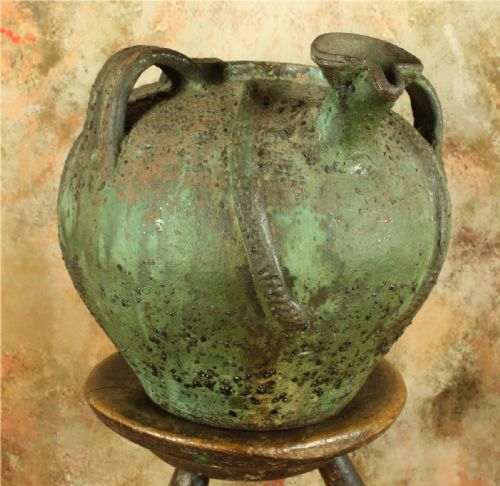
A traditional earthenware jar encompasses utilitarian vessels shaped from clay and finished with glazes or left as bare terracotta, originating from regions across Europe and the Mediterranean. These pieces include large olive oil jars, confit pots, water vessels, and decorative vases spanning the eighteenth century to the mid-twentieth century.
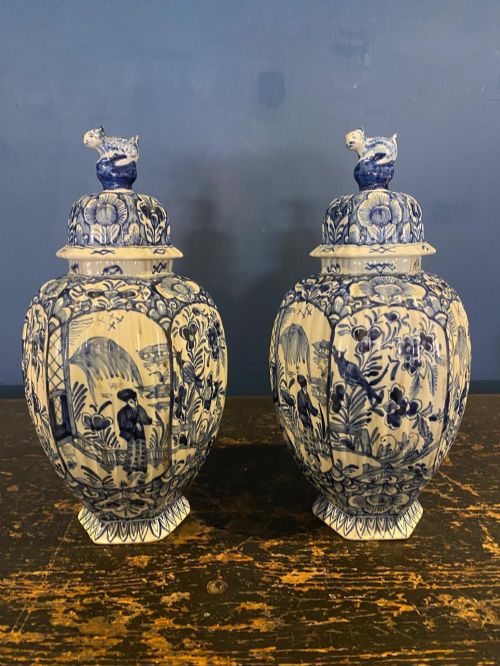
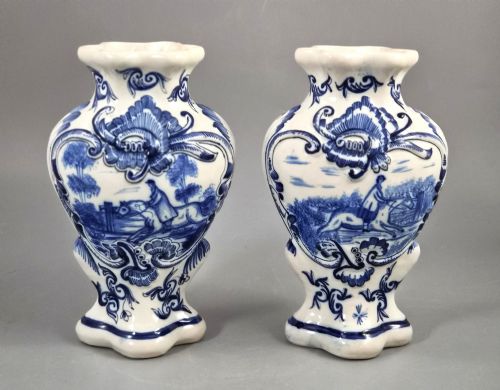
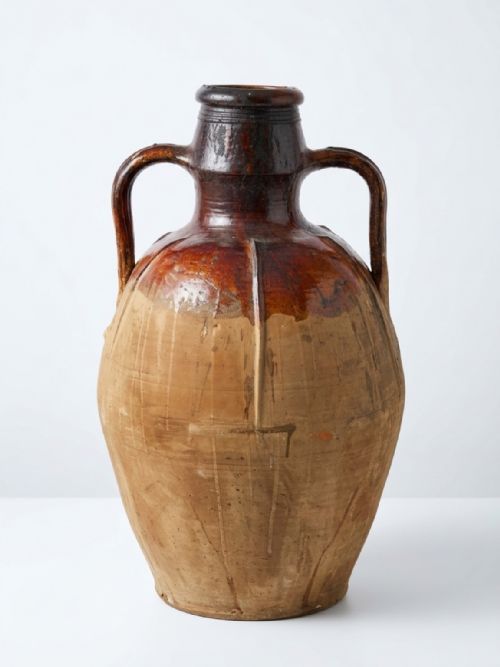
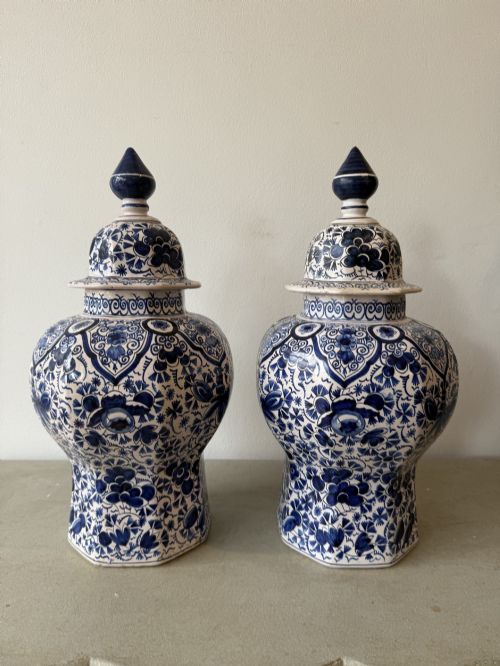
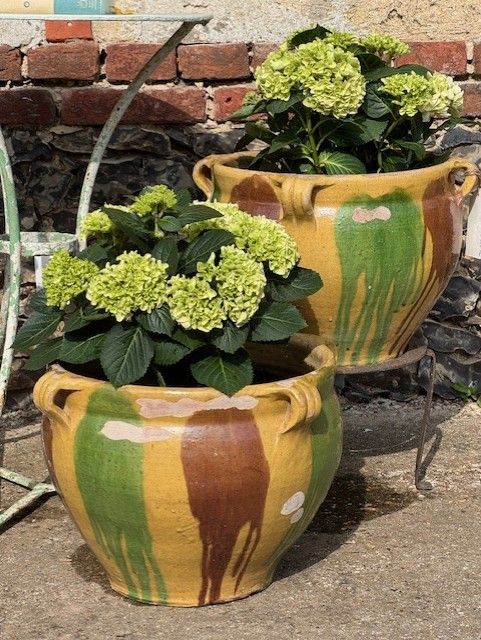
Connoisseurs searching for a traditional earthenware jar commonly encounter French provincial oil jugs, Italian terracotta amphorae, and Dutch or English delftware examples. The selection ranges from multi-handled walnut oil jars to blue and white lidded vases and rustic planters.
How they were made
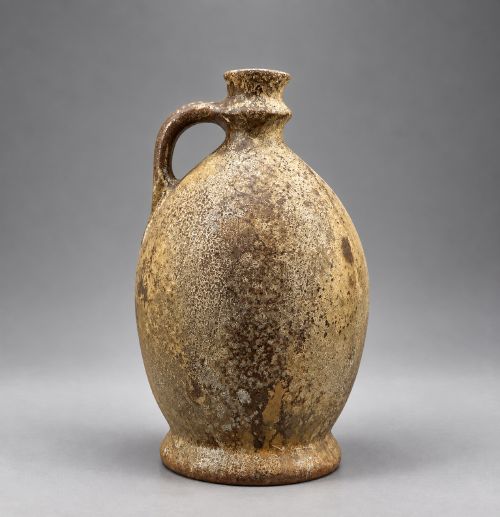
Potters shaped these vessels from local clay and terracotta, often throwing them on a wheel or forming them by hand for heavy utility. Large storage pots required thick walls to withstand the pressure of containing liquids such as olive oil and wine.
Surface treatments vary from simple dripped glazes to tin-glaze applications and hand-painted cobalt decoration. Firing took place in traditional kilns, leaving characteristic marks of wood ash and flame on the bare terracotta.
Some historic oil jars retain internal traces of centuries-old olive oil, smelling faintly of the Mediterranean groves where they were filled.
What varies in quality
Quality rests in the balance of form, the integrity of the throwing, and the depth of the glaze. An evenly potted vessel with crisp hand-painted detail or a rich, stable tin-glaze stands apart from simpler utilitarian ware.
The character of the surface sets individual examples apart. Subtle variations in the glaze, accidental drips, and the natural weathering of the terracotta contribute to the visual weight of the piece.
Fourmaintraux Courquin
The Traditional Earthenware Jar Glossary
- Terracotta
- Unglazed or fired porous clay of a brownish-red colour. It forms the robust body of many Mediterranean storage jars and oil vessels.
- Tin-Glaze
- An opaque white glaze made by adding tin oxide to a lead glaze. It provides a smooth surface for painting in blue and other colours.
- Confit Pot
- A French pot traditionally used for preserving meat. These pieces usually feature handles and a glazed interior with an unglazed lower body.
- Amphora
- A tall ancient jar with two handles and a narrow neck. Later iterations continued this functional Mediterranean form for oil and wine storage.
- Majolica
- Italian tin-glazed earthenware decorated with brightly coloured pigments. The technique produces vibrant surfaces often seen on historical vases and water vessels.
Traditional Earthenware Jar: Frequently Asked Questions
What were traditional earthenware jars used for?
These vessels served practical roles in domestic and agricultural life across Europe and the Mediterranean. Households and farms utilised them to store olive oil, wine, water, and preserved foods.
Larger pots stood in courtyards or cellars for bulk storage, while smaller jugs handled daily kitchen tasks. Their porous or glazed walls helped regulate temperatures for the contents inside.
How do I style a large oil jar at home?
Large terracotta and earthenware oil jars work well as standalone focal points in hallways, corners, or garden rooms. Their substantial scale allows them to stand empty as sculptural objects.
Alternatively, smaller variants and handled confit pots can display dried branches or botanicals. Placing them on wooden floors or stone flags highlights their earthy textures.
How can I tell the period of an earthenware jar?
Dating relies on observing potting techniques, glaze chemistry, and stylistic markers specific to regions such as France, Italy, or the Netherlands. Eighteenth-century examples often display hand-thrown irregularities and softer forms.
Later nineteenth- and twentieth-century pieces introduce different glaze styles, such as drip glazes and brighter tin-glazes. Comparing handles, rims, and base formations helps clarify the era of manufacture.
Are these jars waterproof?
Many traditional earthenware and terracotta jars are porous because they were fired at lower temperatures to hold dry goods or oils sealed internally. Fully glazed pieces, such as tin-glazed delftware and majolica, hold water safely for floral displays.
For unglazed terracotta vessels, placing a glass or plastic container inside protects delicate surfaces from moisture seepage.