


Rustic French Pottery Urn
These rustic french pottery urn pieces offer tactile warmth and rural charm, making them enduring focal points for modern interiors.
Rustic French Pottery Urn
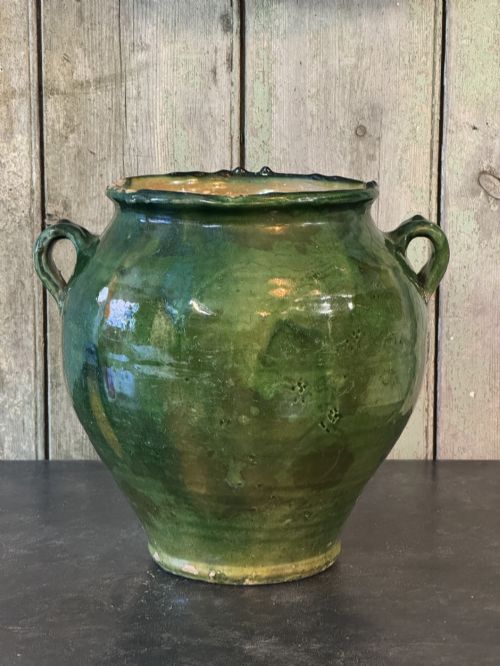
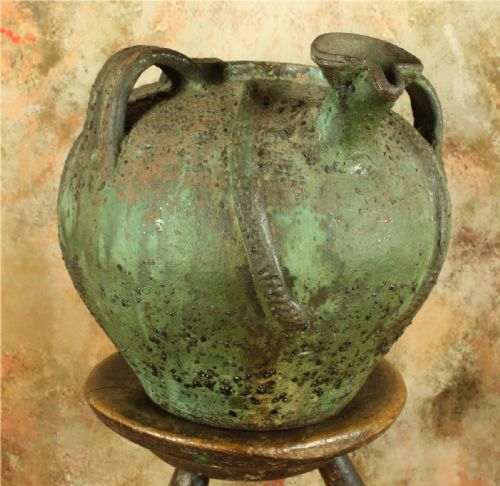
A rustic french pottery urn brings tangible domestic history into a room through generous, utilitarian forms created for storage and agrarian tasks. When exploring rustic french pottery urn selections, collectors typically encounter traditional storage vessels designed to hold oil, olives, and preserves.
The pieces available span the eighteenth, nineteenth, and early twentieth centuries, reflecting the enduring traditions of provincial French workshops. These heavy earthenware jars and jugs display the honest utility that defines country pottery from various rural French regions.
Materials and methods
Potters shaped these vessels from local terracotta and earthenware, building robust walls designed to withstand daily agricultural demands. Many examples feature applied lead or alkaline glazes, often in green or earthy tones, which provided practical waterproofing for stored oils and preserves.
Surface treatments range from natural unglazed clay to painted finishes and lime wash, showing the utilitarian adaptation of each piece. Hand-thrown and handmade techniques leave subtle irregularities in the clay, recording the physical labour of the maker.
Current listings span the eighteenth, nineteenth, and early twentieth centuries, featuring terracotta and earthenware materials with green glaze, paint, and lime wash.
Assessing quality
Quality in these utilitarian vessels lies in the balance of form, the depth of the glaze, and the character of the surface wear. Superior examples retain rich, lustrous glaze runs and harmonious proportions that elevate a functional farmyard vessel into a sculptural object.
The integrity of the terracotta body and the survival of original surface treatments distinguish finer specimens from heavily restored or weathered alternatives. Collectors value pieces where the marks of the maker and the patina of age combine harmoniously.
The Rustic French Pottery Urn Glossary
- Confit pot
- A traditional French earthenware jar featuring handles, originally utilised for preserving meats and provisions in fat.
- Earthenware
- Porous pottery fired at lower temperatures, typically coated in a glaze to ensure it holds liquids effectively.
- Terracotta
- Unglazed or glazed fired clay possessing a characteristic brownish-red earthy colour.
- Amphora
- A two-handled jar with a narrow neck, historically employed for the transport and storage of oil or wine.
- Lime wash
- A traditional liquid coating applied to masonry and pottery surfaces, providing a matte, breathable finish.
Rustic French Pottery Urn: Frequently Asked Questions
What were rustic french pottery urn pieces used for originally?
These vessels served essential agricultural purposes in rural French households, primarily storing olive oil, walnut oil, confit meats, and dry goods. Their robust construction ensured they could withstand the demands of farm life.
Over time, the contents varied according to the region and the seasonal harvest, making each jar a practical tool for country survival.
How do I date an antique olive jar?
Dating relies heavily on observing the forming techniques, the composition of the terracotta body, and the characteristics of any glaze. Earlier eighteenth-century examples often display heavier, hand-formed walls and distinct tool marks.
Later pieces from the nineteenth and early twentieth centuries show more standardised potting methods while retaining handmade qualities.
Where should I display a large pottery vessel?
These substantial jars suit generous spaces, acting as strong sculptural elements on the floor, in hallways, or upon sturdy rustic tables. Their earthy tones complement natural wood and stone materials.
Avoid placing them in areas where they might sustain heavy knocks, allowing their historical presence to anchor the room's design.
Are glazed and unglazed pots cleaned differently?
Glazed earthenware tolerates gentle wiping with a damp cloth to remove dust, thanks to the protective vitreous coating. Unglazed terracotta requires more caution because the porous clay absorbs moisture easily.
Keep unglazed surfaces dry and clean them only with a soft, dry brush to preserve the historic patina and lime wash.