

Traditional Dining Room Table
A traditional dining room table is the anchor of the home, offering sturdy timbers and clever extending mechanisms to host gatherings of any size.
Traditional Dining Room Table
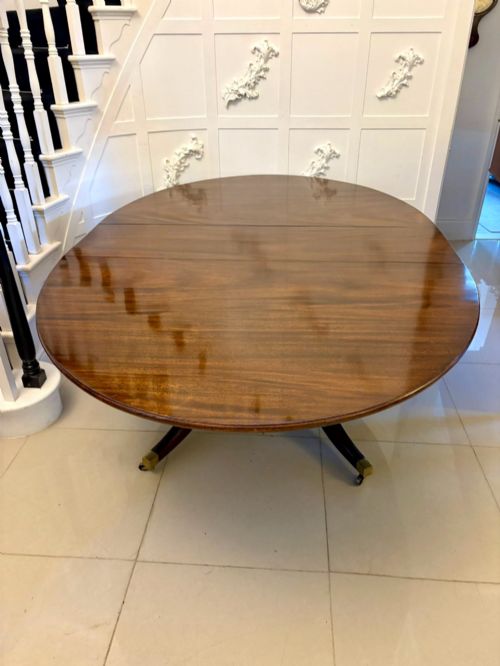
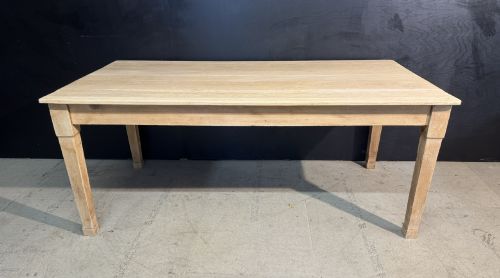
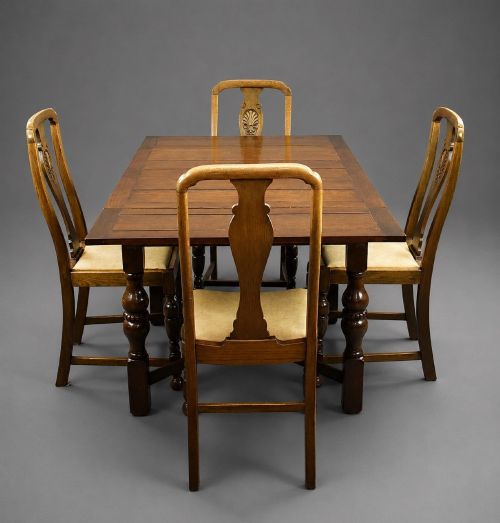
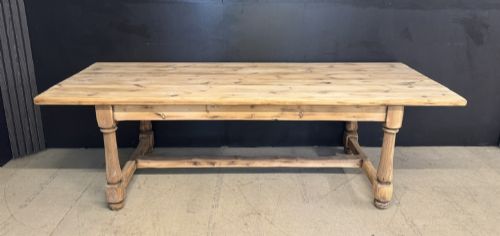
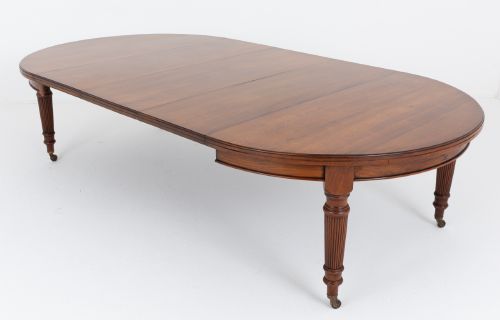
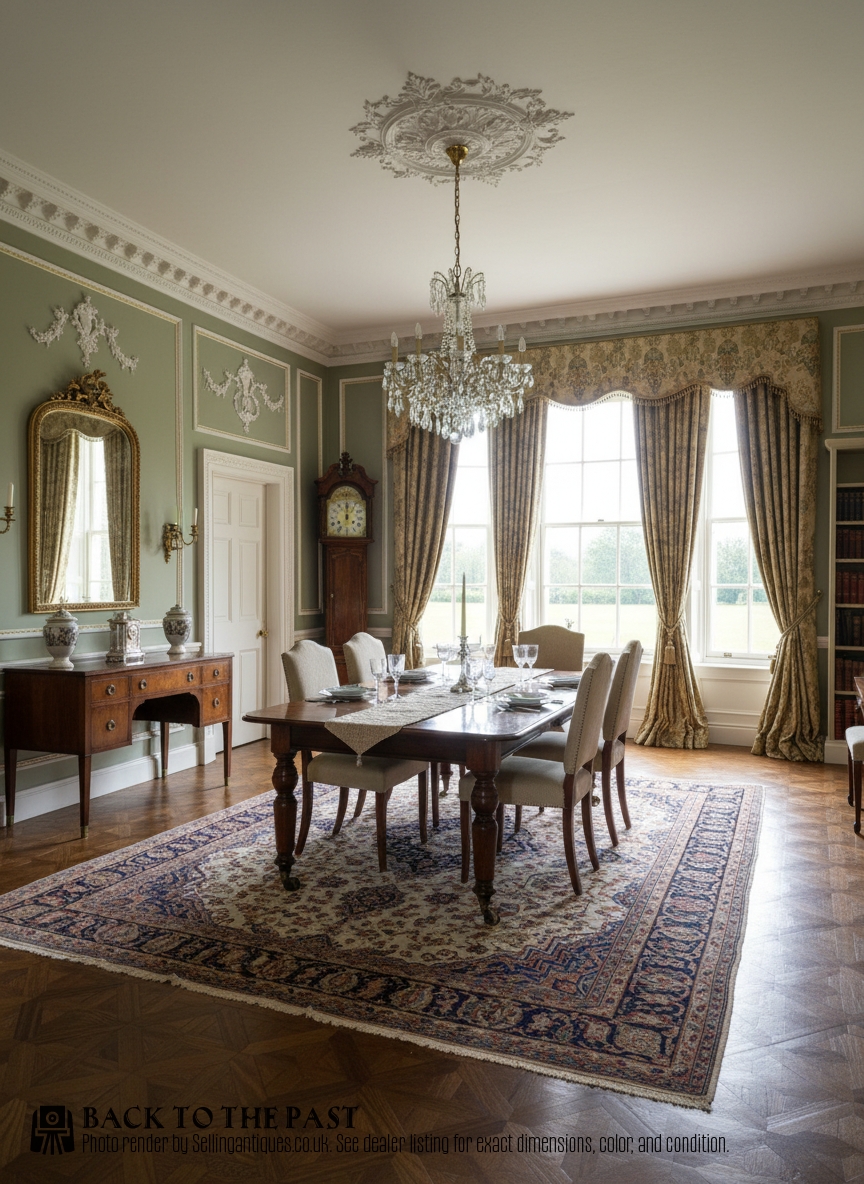
When searching for a traditional dining room table, you encounter substantial dining furniture rooted in historical periods like the Georgian, Regency, and Victorian eras. These pieces range from compact farmhouse tables to grand multi-pillar extending tables designed for seating numerous guests.
Originating primarily from the 18th, 19th, and early 20th centuries, these tables reflect enduring craftsmanship and classic proportions. Their designs accommodate both daily family meals and formal occasions with equal grace.
Materials and Construction
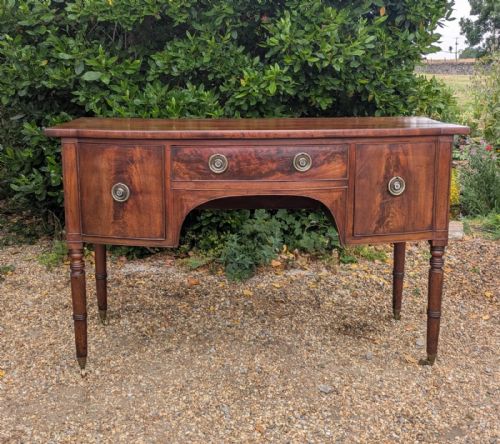
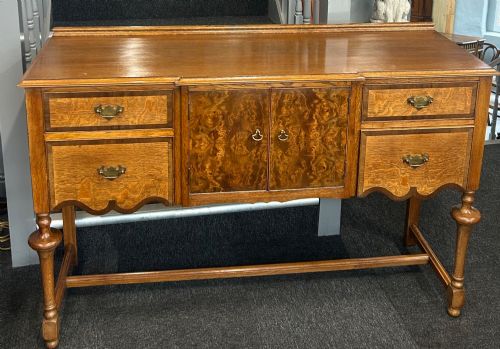
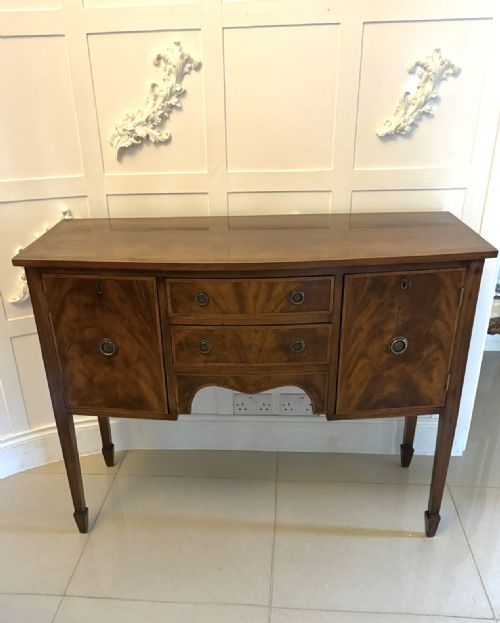
Makers utilised dense timbers such as mahogany, oak, and walnut, often applying flame mahogany or burr walnut veneer to create striking figured surfaces on tabletops and sideboards. Brass fittings appear frequently on casters and drawer pulls, adding functional detail to heavy pedestal bases.
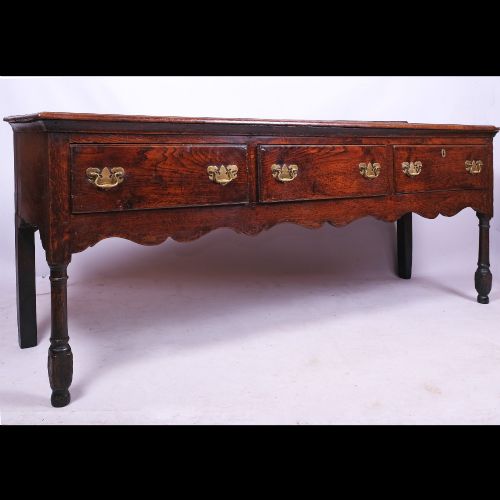
Construction techniques prioritise longevity, employing sturdy draw-leaf frames, pillar supports, and drop-in leaves that allow tables to expand smoothly. Beech, elm, and pine also appear in regional farmhouse pieces, shaped with turned legs and integrated drawers.
Traditional Dining Room Table Retail Price Guide 2026
Typical asking prices for traditional dining room table among the pieces listed under this phrase on Sellingantiques today, from the lower quarter to the upper quarter. They describe what is for sale here now, not the wider market.
Listings feature dining tables and sideboards spanning the 18th, 19th, and early 20th centuries, constructed primarily in mahogany, oak, and walnut.
Assessing Quality and Distinction
The distinction between standard utility furniture and superior craftsmanship lies in the selection of timber and the precision of the mechanics. High-quality examples feature well-figured mahogany veneers, solid brass hardware, and robust extending pillars that operate without sagging.
Proportion and decorative restraint elevate finer pieces, where subtle inlay, fine moulding, and balanced pedestals demonstrate the maker's skill. Poorer examples often lack sophisticated timber selection or rely on heavy, unrefined framing without period character.
Maple and Co
The Traditional Dining Room Table Glossary
- Extending table
- A dining table designed with removable leaves or internal mechanisms to increase its overall length for larger gatherings. This feature became particularly popular during the nineteenth century.
- Pedestal table
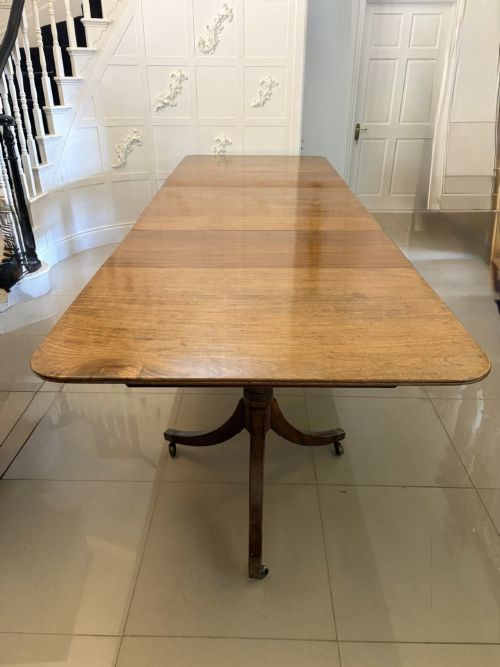
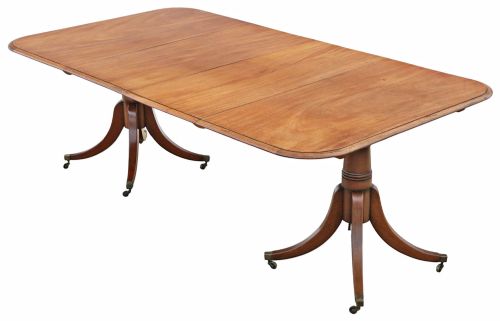
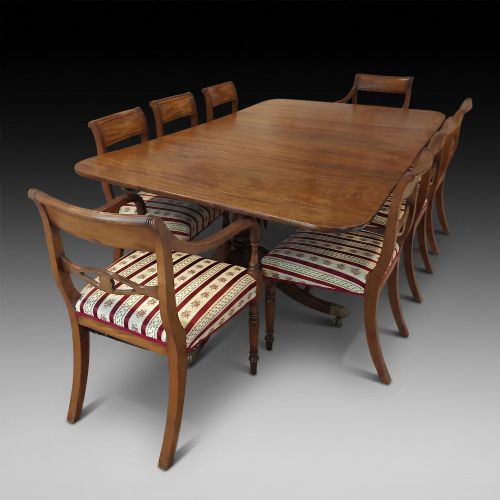
- A table supported by one or more central columns rather than standard corner legs, often branching into carved feet. Multiple pillars provide essential support for very long dining tables.
- Draw leaf
- A clever table design featuring two concealed leaves tucked beneath the main top that pull out to extend the surface area instantly. This mechanism offers convenience without requiring loose leaf storage.
- Sideboard
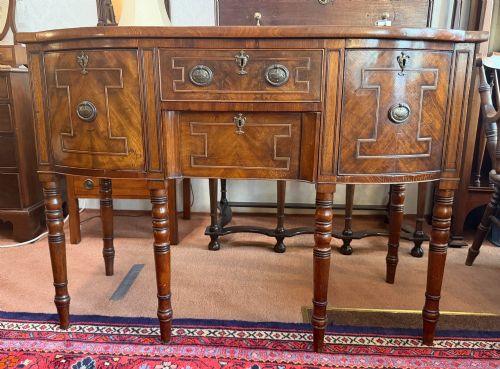
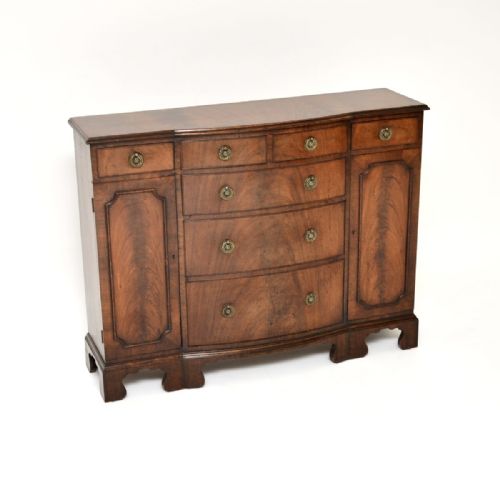
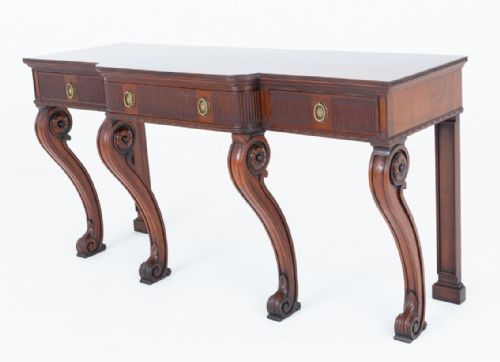
- A long storage cabinet placed in dining rooms for serving food and storing silverware or linens. Bow-front and breakfront variations add architectural interest to these functional pieces.
- Carver
- An armchair with armrests, traditionally placed at the head of a dining table and accompanied by side chairs without arms. Sets often paired a single carver with several matching chairs.
Traditional Dining Room Table: Frequently Asked Questions
How do I choose the right size table?
Consider your daily seating needs alongside the maximum capacity required for hosting guests. Extending tables with multiple leaves offer the best versatility for shifting between intimate family meals and large dinner parties.
Measure your dining space carefully to ensure adequate clearance around the table for pulling out chairs and walking comfortably when the table is fully extended.
What is a multi-pillar dining table?
A multi-pillar dining table uses two or three heavy wooden pedestals instead of four corner legs to support a long top. This design prevents table legs from obstructing guests' seating positions.
Such tables usually incorporate extending leaves supported by the central pillars, providing exceptional stability across significant lengths.
How do I care for antique wood surfaces?
Protect timber surfaces by using placemats and coasters to prevent heat marks and moisture damage from hot dishes and glasses. Regular dusting with a soft cloth keeps the finish clean without abrasive buildup.
Occasional application of appropriate wax polish maintains the natural lustre of mahogany, oak, and walnut without sealing the wood beneath a heavy artificial coat.
How do I distinguish between periods?
Stylistic clues such as leg shapes, timber choices, and edge mouldings help differentiate periods like George III, Regency, and Victorian. Georgian pieces often display restrained classical proportions, while Regency furniture incorporates bold brass accents and pillar supports.
Victorian tables tend toward heavier pedestal bases and darker mahogany tones, reflecting the industrial manufacturing capabilities and interior tastes of the later nineteenth century.