

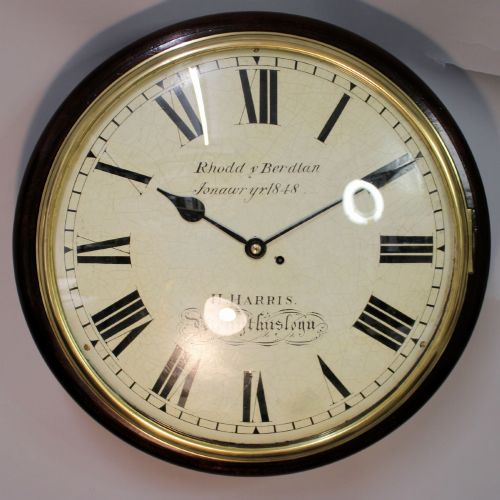


Traditional Dial Timepiece
A traditional dial timepiece brings the steady, measured rhythm of the nineteenth century into a room through clean white faces and rich timber cases.
Traditional Dial Timepiece
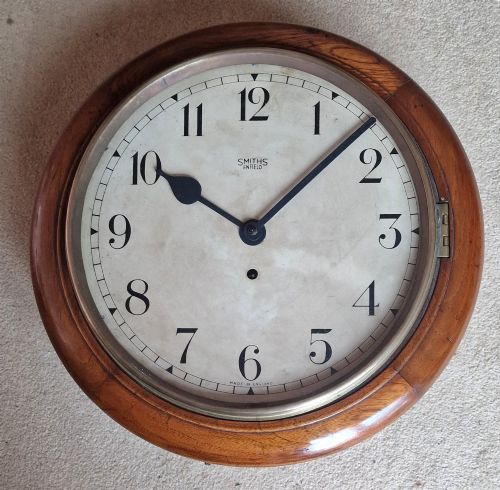
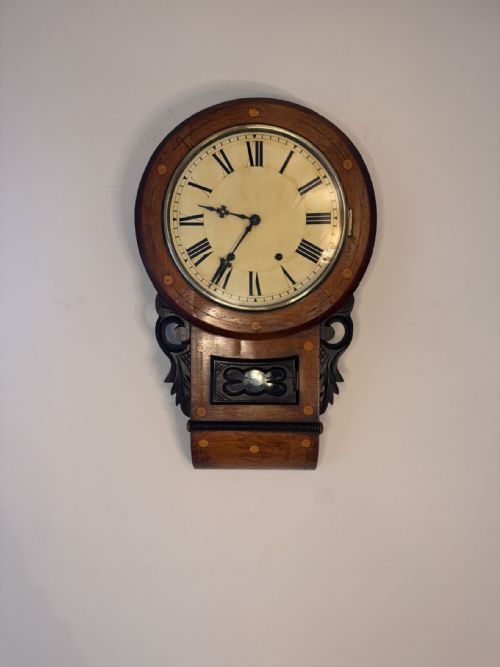
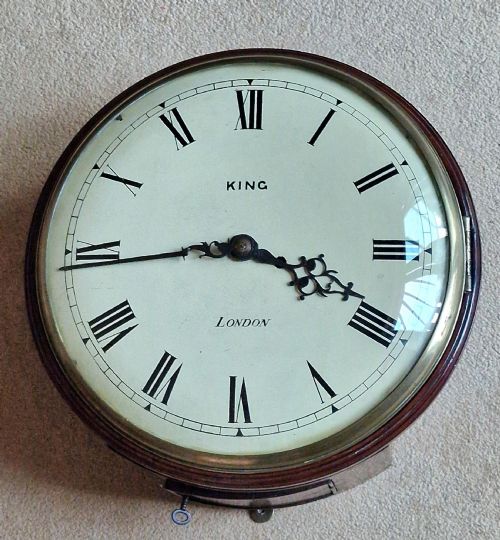
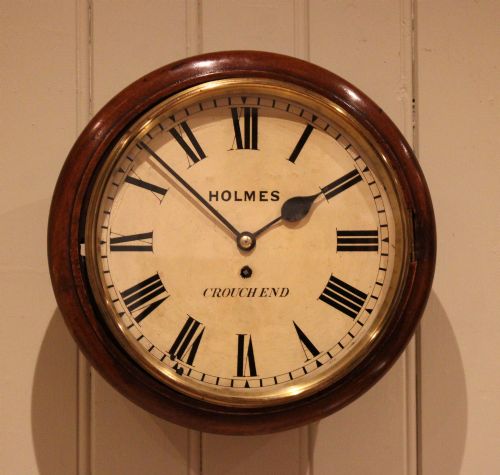
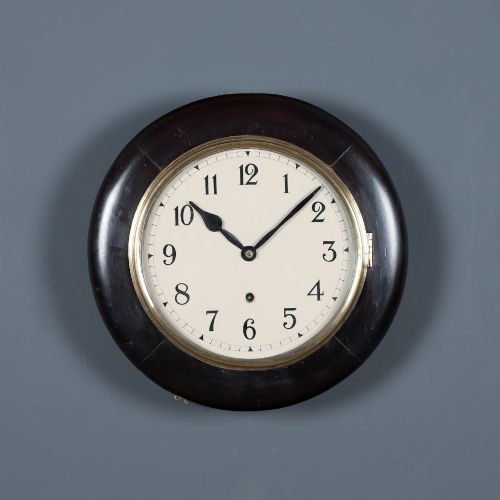
When searching for a traditional dial timepiece, a buyer encounters a distinct category of clock focused primarily on a clear, round face rather than elaborate cabinetry. These pieces span wall-mounted station clocks, fusee clocks, compact mantel clocks, and heavy brass carriage clocks originating across the Victorian, Edwardian, and Georgian periods.
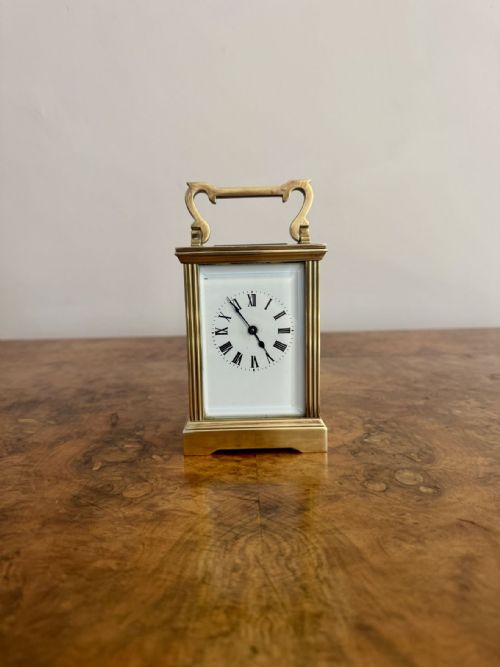
The most common versions met on this page are wall-mounted dial clocks encased in mahogany or walnut, alongside smaller brass-framed carriage clocks designed for travel or desk use. Makers often housed these movements in sturdy wooden surrounds or glazed brass housings intended for daily utility in public spaces, hallways, and libraries.
How they were made
Craftsmen built these movements using brass and steel gears, housing them within cases shaped from mahogany, walnut, oak, and rosewood. Dial faces were typically constructed from painted iron or enamel, protected behind curved or flat glass panels.
Many better movements relied on a fusee mechanism, which uses a conical pulley and a chain or cord to ensure even tension on the mainspring as it unwinds. Cases combined solid timber framing with fine veneers, often featuring hinged bezels made of heavy cast brass.
Traditional Dial Timepiece Retail Price Guide 2026
Typical asking prices for traditional dial timepiece among the pieces listed under this phrase on Sellingantiques today, from the lower quarter to the upper quarter. They describe what is for sale here now, not the wider market.
A Welsh maker named Henry Harris once signed a wall dial so magnificently large it demanded a dedicated room.
What varies in quality
The distinction between standard and superior pieces rests on the precision of the movement and the integrity of the timber case. Finer mechanisms often feature signed plates, sophisticated fusee configurations, and clean escapements that demonstrate careful hand-fitting by skilled horologists.
Case construction likewise dictates merit, where solid mahogany or figured walnut with clean joinery and original finish outpaces simpler pine carcases or heavy later alterations. The crispness of the enamel or painted dial numerals and the weight of the cast brass bezel further separate utilitarian workshop output from master output.
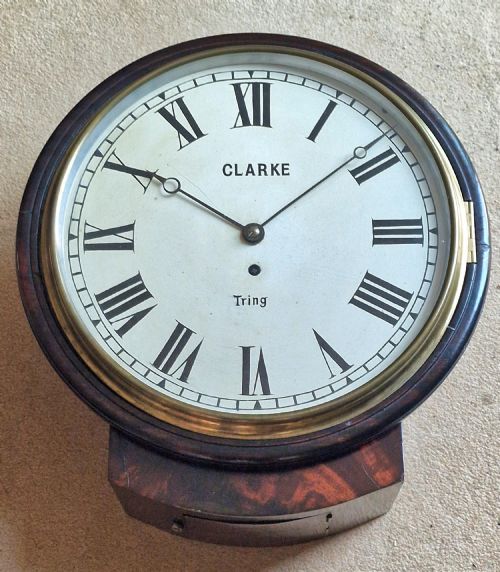
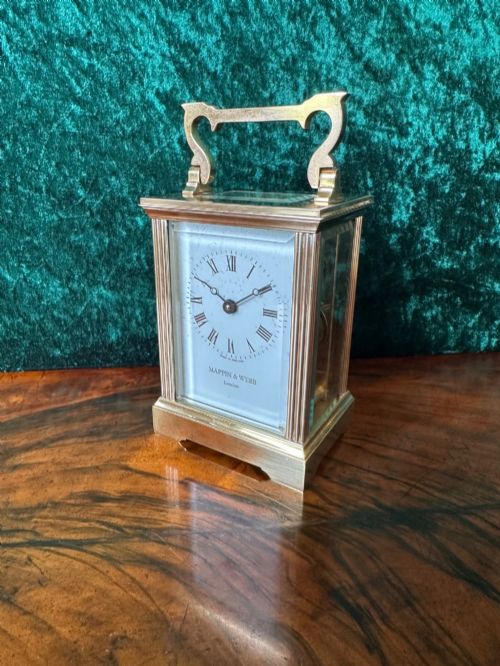
King London·George Clarke Tring·Henry Harris of Monytlusloyn·John Spershott of Titchfield·Mappin and Web·Tiffany·Phillips Brothers·John Wilson London·Palmer and Co·Winterhalder and Hofmeier
The Traditional Dial Timepiece Glossary
- Fusee
- A conical pulley used in mechanical clocks to maintain an equal pull on the gear train as the mainspring loses tension. This device helps the clock keep more accurate time.
- Drop dial
- A clock case featuring a circular dial at the top and an extended lower wooden box, often with a glazed door, to accommodate a longer pendulum or a weighted drop.
- Carriage clock
- A small, portable spring-driven timepiece developed for travel, typically featuring a rectangular brass frame with glass panels on all four sides and a hinged carrying handle.
- Enamel dial
- A metal face covered with a fused glass powder coating, fired at high temperatures to produce a durable white surface where numerals are painted.
- Bezel
- The metal ring that holds the glass protecting the clock face, usually hinged to allow access for setting the hands.
Traditional Dial Timepiece: Frequently Asked Questions
What is a fusee clock?
A fusee clock uses a specialised conical drum to equalise the power delivered by the mainspring. This mechanism ensures the timepiece maintains consistent energy as it runs down.
Such systems were standard in better quality English clocks from the eighteenth and nineteenth centuries. They require careful setting by hand during routine maintenance.
How do I wind a wall clock?
Winding involves inserting a matching key into the small aperture on the dial face and turning it slowly until resistance is felt. Care must be taken not to overwind the mainspring.
Most wall-mounted timepieces require attention once a week. Keeping a regular winding schedule helps preserve the tension within the brass mechanism.
Where should I hang a dial clock?
These pieces require a sturdy wall that can support the full weight of the timber case and brass movement. Secure fixings directly into solid masonry or wall studs are essential.
Placement should avoid damp areas and direct sunlight, which can dry out timber cases or fade painted dial faces over time. A stable wall also prevents vibrations from interfering with the pendulum.
How are carriage clocks powered?
Carriage clocks rely on an internal spring rather than a swinging pendulum, making them completely portable. A balance wheel regulates the movement instead.
This compact design allowed nineteenth-century travellers to pack a reliable timepiece. The heavy brass and glass housing protects the delicate escapement during movement.