



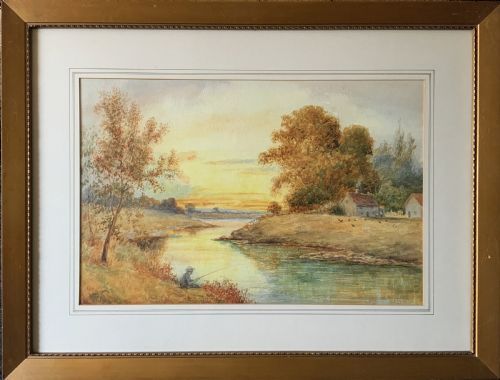
Traditional Countryside Artwork
Traditional countryside artwork captures rural life and landscapes, offering a direct window into historical British pastoral scenes.
Traditional Countryside Artwork
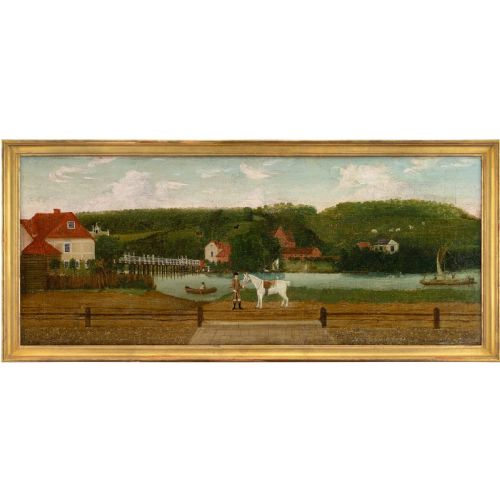
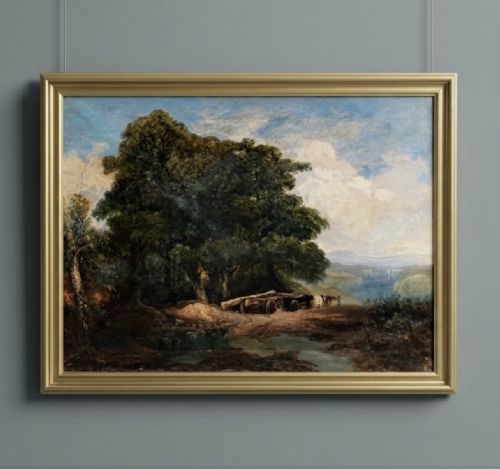
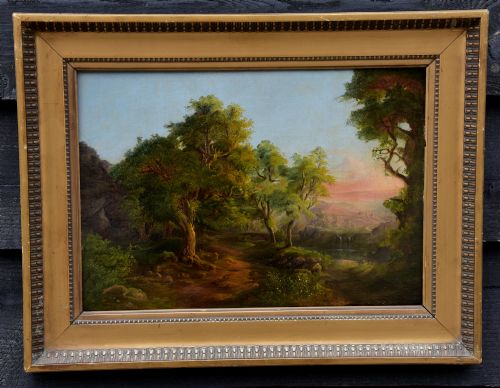
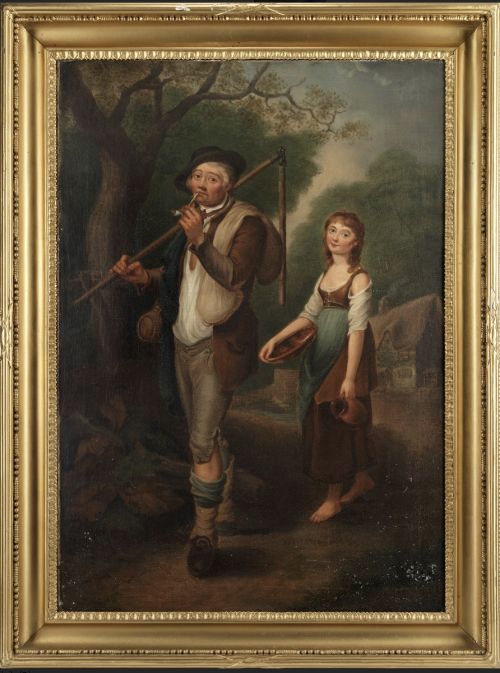
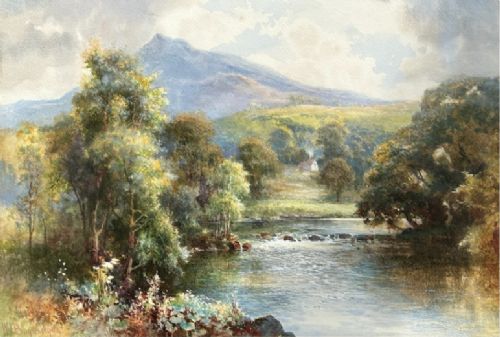
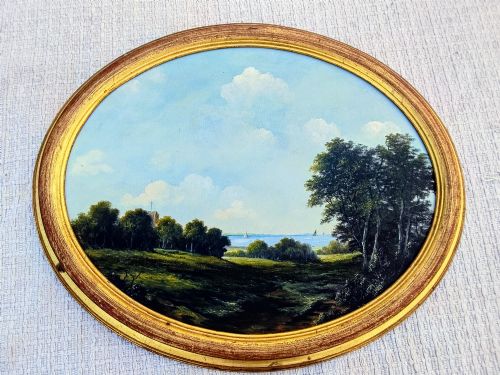
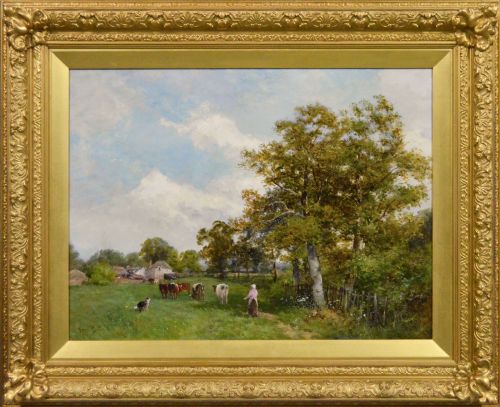
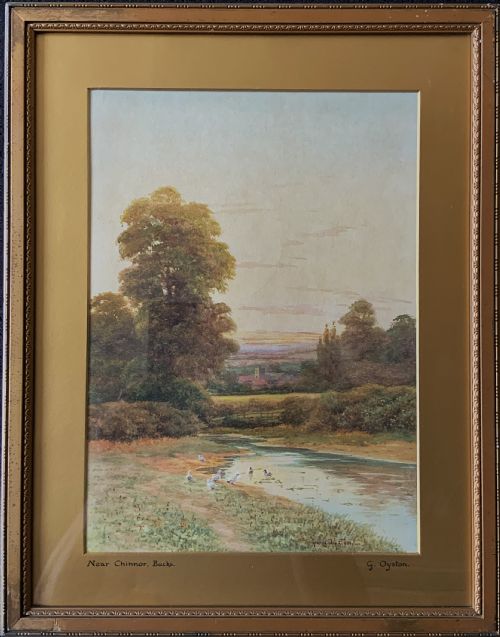
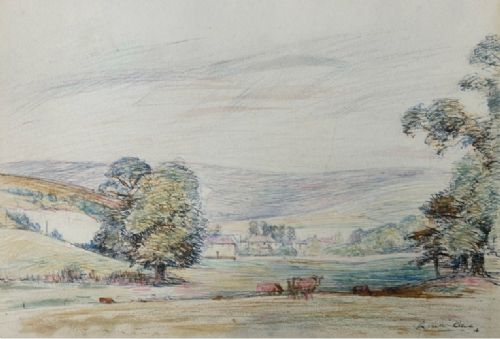
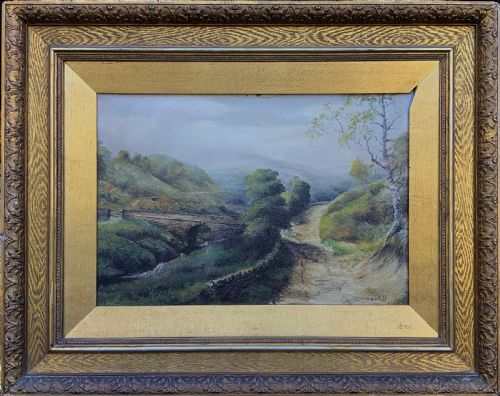
Traditional countryside artwork centres on rural views, agricultural life, and natural British landscapes spanning from the nineteenth century through to the mid-twentieth century. Buyers typically encounter framed oil paintings on canvas or board, alongside watercolours on paper depicting rivers, cottages, and farmland.
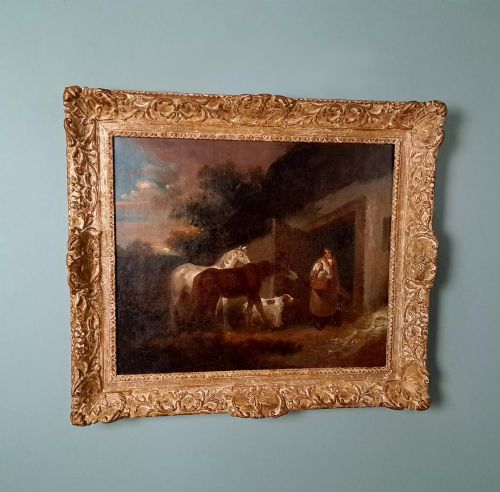
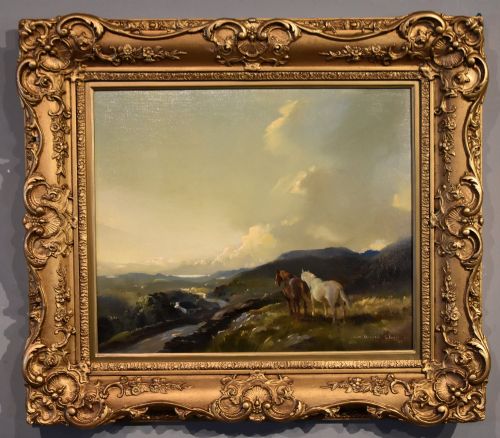
The subjects range from quiet woodland scenes and river valleys to pastoral portraits of livestock, horses, and farm workers engaged in daily rural tasks. These pieces frequently document specific regional locations across England, Wales, and Scotland, rendered through various nineteenth-century and early twentieth-century British art movements.
Materials and techniques
Artists utilised oil paint on stretched canvas, wooden boards, or card panels, building rich textures with brushwork and occasionally heavy opaque gouache. Watercolour painters applied translucent pigments to paper to capture atmospheric effects like passing showers, morning mists, and river reflections.
Many surviving examples retain their period frames constructed from wood and gesso, often finished in gilt to complement the imagery. The combination of durable oil pigments and quality paper or canvas substrates ensured these rural scenes survived across generations.
Several sheep managed to wander into nineteenth-century pastures and stubbornly refuse to leave.
Assessing quality in rural scenes
Quality rests primarily in the artist's ability to handle light, atmospheric perspective, and natural texture within the landscape. Finer works demonstrate confident brushwork and precise anatomical rendering in animal and human figures, whereas simpler pieces rely on formulaic compositions.
The integrity of the original support and the preservation of the painted surface significantly influence the standing of a piece. Works retaining their period frames and clear artist signatures or attributed provenances generally command greater interest.
Richard Sebastian Bond·William H Myers·William Joseph Shayer Senior·Thomas Barker of Bath·William Joseph Boyes·David Bates·George Oyston·Russell Sidney Reeves·Vernon DeBeauvoir Ward·Alexander Wellwood Rattray·John Horace Hooper·Hubert Wellington·Charles Walter Simpson·Henry Charles Fox·William Henry Mander·Herbert Royle·John Sanderson Wells·Reginald Grange Brundrit·Frederick Septimus Lewis·William Hoggatt·Alfred Augustus Glendening Jnr·William Sydney Cooper·Sidney Richard Percy·Thomas Spinks
The Traditional Countryside Artwork Glossary
- Oil on Canvas
- Pigment mixed with drying oil applied to a woven fabric support stretched across a wooden frame. This medium allowed artists to build rich, textured surfaces.
- Giltwood
- Wood carved and coated with gold leaf or a gold-coloured metallic finish. It forms the decorative framing surrounding many traditional paintings.
- Gouache
- An opaque water-based paint consisting of pigment, water, and a binding agent such as gum arabic. It dries to a matte finish and provides dense colour.
- Watercolour
- A painting method in which the paints are made of pigments suspended in a water-based solution. Artists use it on paper to create luminous, transparent washes.
- Gesso
- A paint mixture consisting of a binder mixed with chalk, gypsum, or pigment. It serves as a prepared surface for wood panels or frames before gilding or painting.
Traditional Countryside Artwork: Frequently Asked Questions
What subjects appear most frequently in these artworks?
The subjects focus heavily on rural British topography, featuring river valleys, agricultural fields, woodland paths, and coastal views. Livestock such as shire horses, cattle, and sheep often populate the foreground alongside farm workers and cottages.
Artists drew inspiration from specific regional landscapes in England, Wales, and Scotland, capturing seasonal changes from harvest time to misty winter mornings.
How do I care for antique oil and watercolour paintings?
Oil paintings on canvas or board benefit from stable indoor environments away from direct sunlight and extreme temperature fluctuations. Dust should be removed gently from the surface and frame using a soft, dry brush without applying moisture or cleaning solutions.
Watercolour paintings require strict protection from direct sunlight to prevent fading of the paper and pigments. Displaying them behind glass with acid-free mounts ensures the paper remains protected from atmospheric pollutants.
How can I distinguish a Victorian painting from a 1930s piece?
Victorian paintings typically exhibit romantic or highly detailed realist approaches to nature, often framed in ornate gesso mouldings. The clothing of figures and the style of the brushwork offer strong chronological clues regarding the decade of creation.
Pieces from the 1930s often reflect evolving British pastoral and impressionist movements with looser brushwork and simplified palettes. Framing materials and stretcher construction methods also shift noticeably between the nineteenth and mid-twentieth centuries.
Were these paintings created outdoors or in a studio?
Many nineteenth-century artists made preliminary sketches and watercolours directly in the countryside before completing finished oil paintings in their studios. By the early twentieth century, outdoor painting became more common as artists sought immediate effects of natural light.
Works executed on small wooden boards or card panels frequently indicate direct studies painted on location during rural excursions.