
Traditional Country Press
A traditional country press offers functional storage built from honest woods like oak and pine for rural homes.
Traditional Country Press
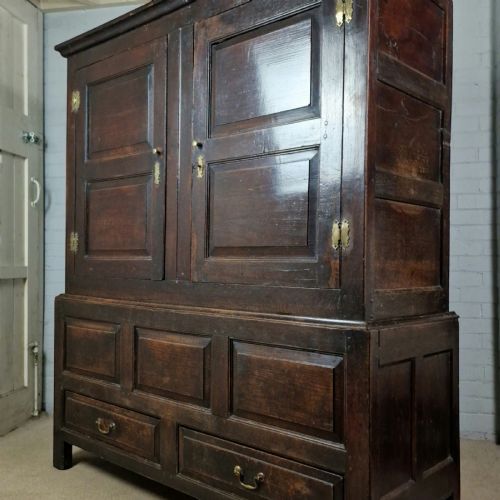
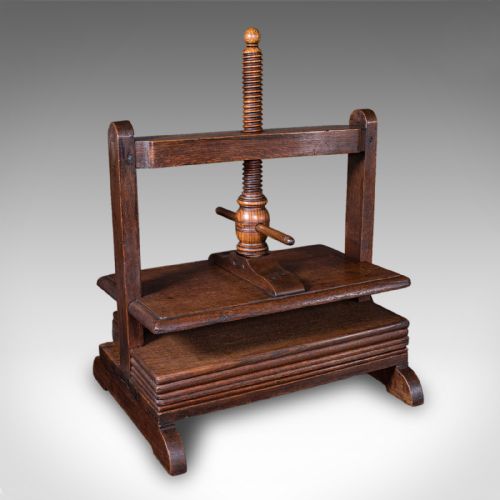
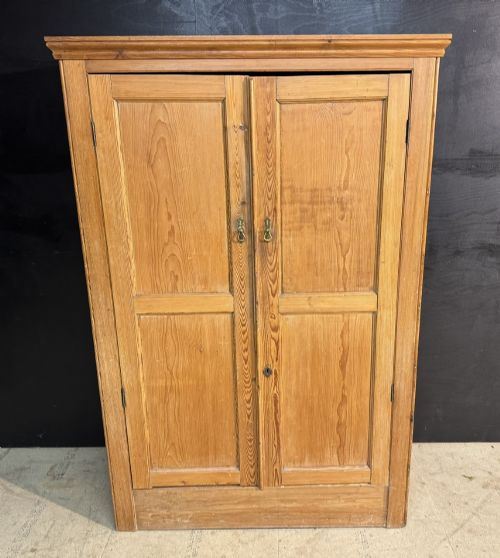
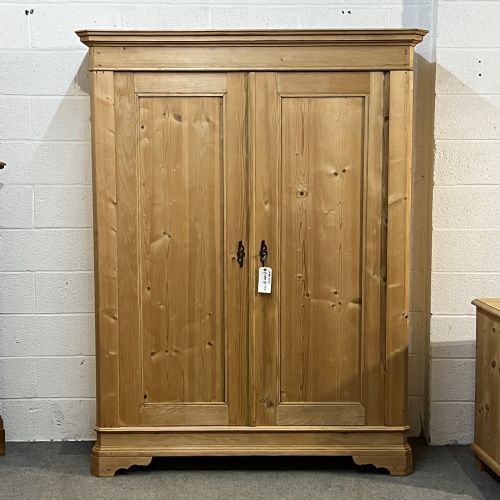
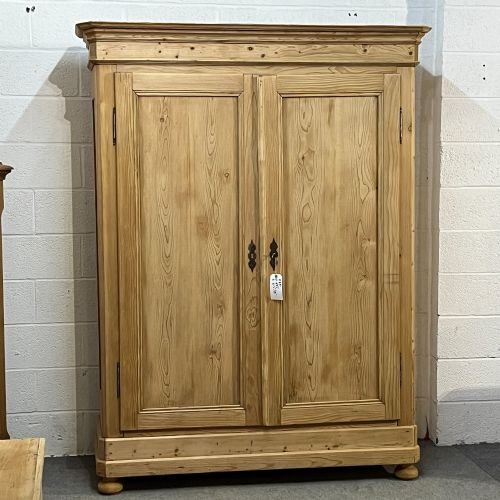
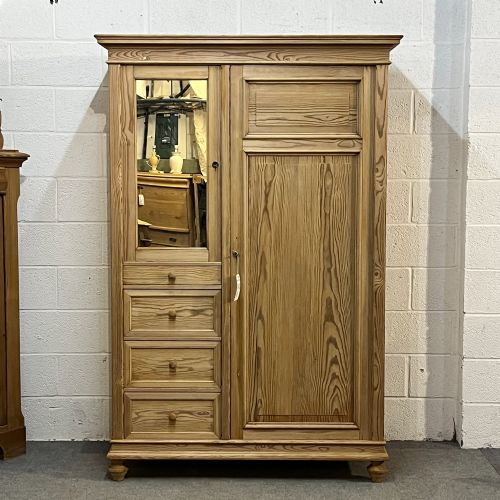
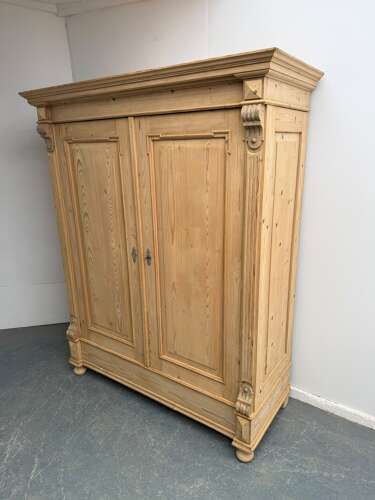
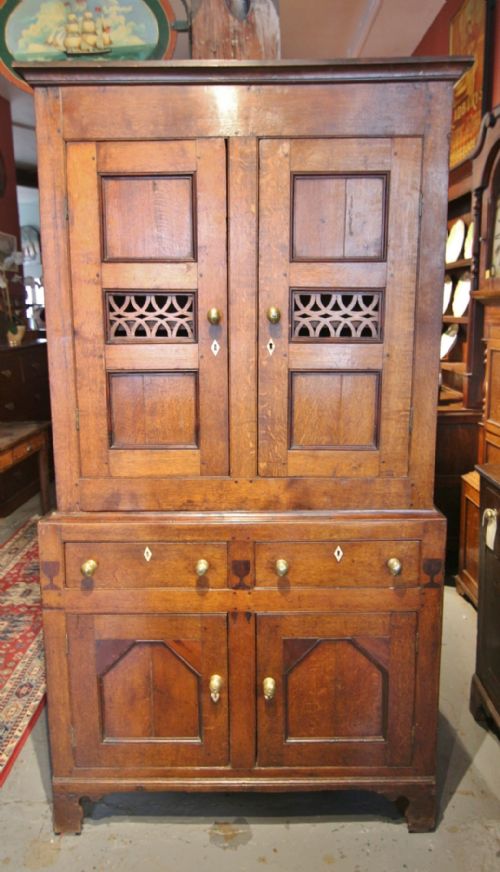
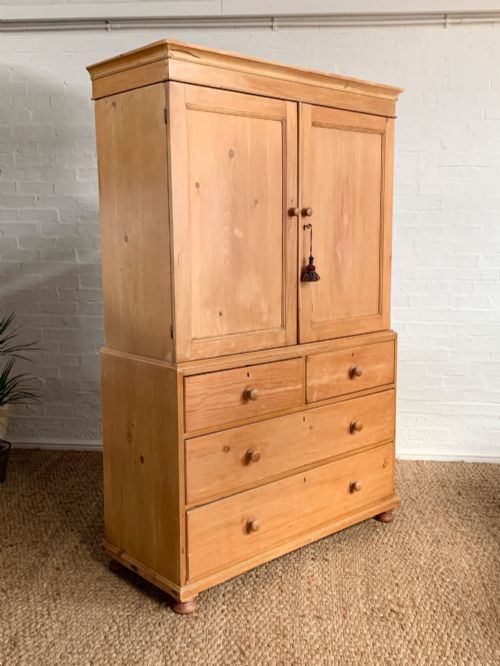
A traditional country press serves as a storage solution, encompassing pieces such as housekeeper cupboards, linen presses, wardrobes, and food cupboards. Buyers searching this phrase look for utilitarian furniture originating from domestic rural settings rather than formal urban workshops.
The pieces appearing on this page span the eighteenth, nineteenth, and early twentieth centuries, reflecting the stylistic traditions of English, Welsh, French, and Hungarian makers. Oak and pine dominate the forms, reflecting regional timber choices.
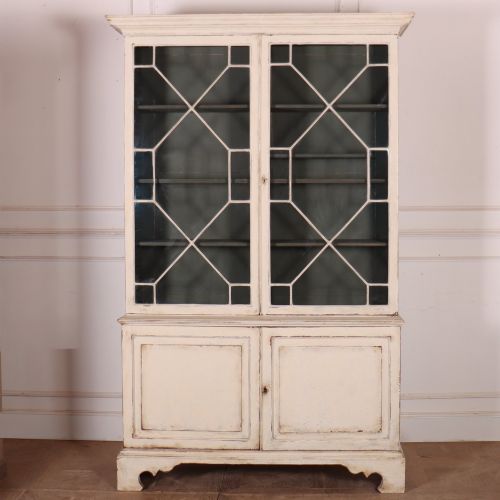
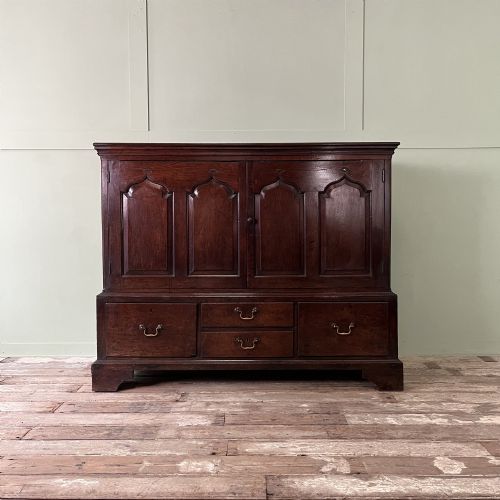
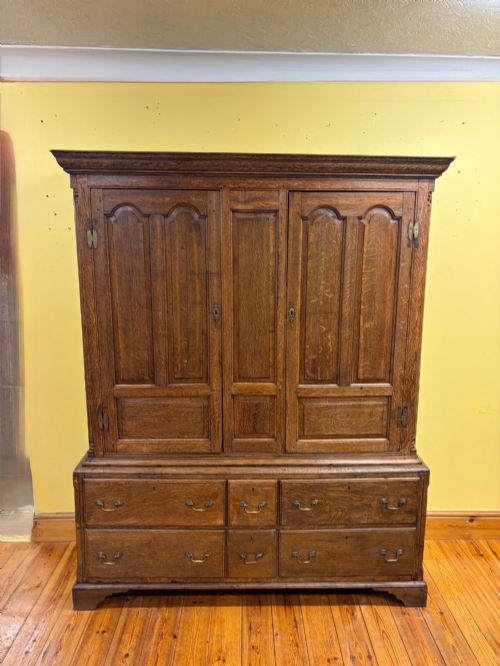
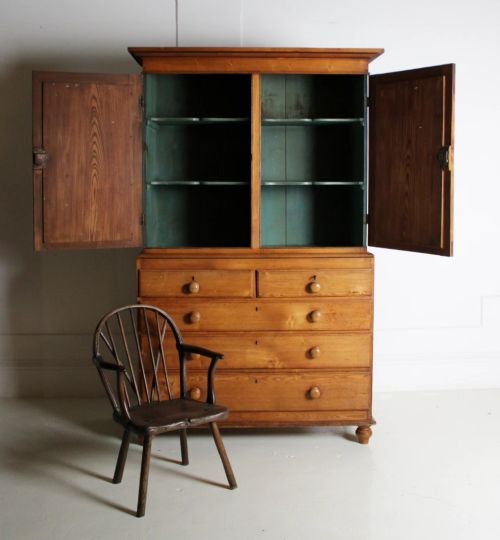
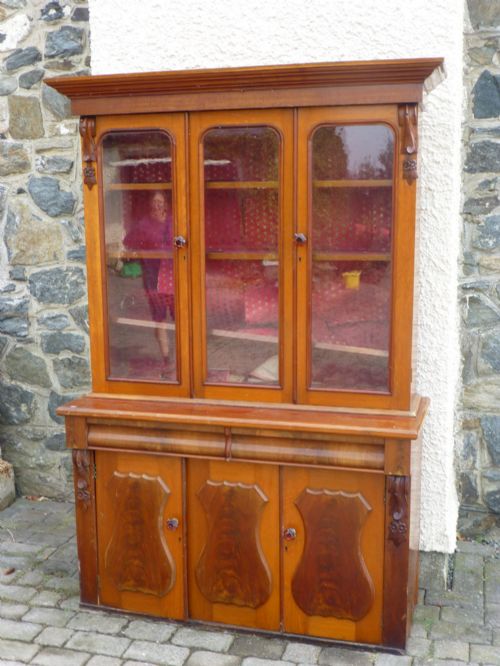
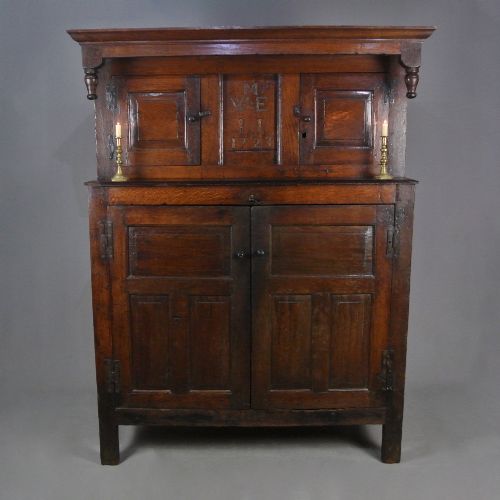
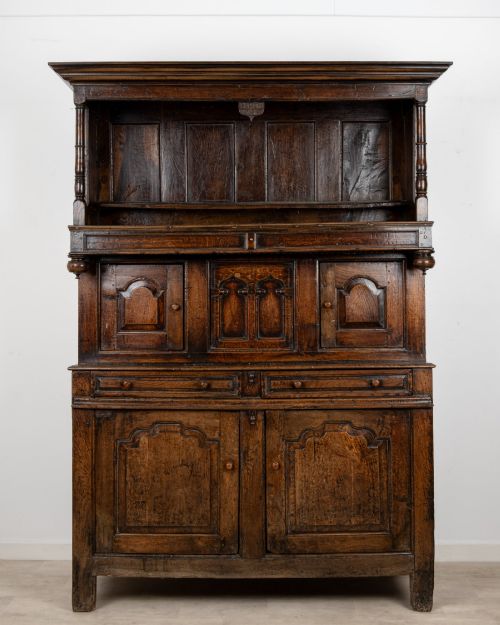
Forms range from low linen press cupboards and tall glazed bookcases to multi-tiered storage cabinets and tridarns. These items reflect the domestic storage needs of past rural households, combining hanging space, shelving, and drawer compartments.
Materials and Construction
Makers utilised solid timbers, predominantly oak and pine, alongside regional additions like ash and mahogany for structural integrity and panel construction. Surfaces often display plain waxed finishes, scumble paint, or layers of older decorative paint.
Iron and brass hardware, including blacksmith-made locks and hinges, secure the doors of early pieces, while knockdown construction methods allowed large wardrobes to be dismantled for transport. Joinery relies on traditional pegged joints and solid framing to withstand daily use.
Listings span the eighteenth to the twentieth centuries, featuring materials such as pine, oak, ash, brass, and iron across regional styles.
Indicators of Quality
Quality rests in the survival of original surface treatments, such as early paint layers or patinated wax, versus modern stripping and refinishing. Untouched blacksmith ironwork and original operational locks elevate a piece above those with replaced fittings.
Proportion and timber selection also divide the range, with dense regional oaks and well-figured pine panels showing superior craftsmanship. Pieces retaining their original internal configuration, whether linen slides or shelving, demonstrate higher integrity.
The Traditional Country Press Glossary
- Housekeeper cupboard
- A large storage piece traditionally used in country houses for linen, provisions, and household stores. These typically feature multiple doors and internal shelving.
- Linen press
- A tall cupboard featuring upper sliding trays or shelves for folded textiles, often paired with lower storage drawers. They are principally constructed from oak or pine.
- Tridarn
- A three-tiered Welsh vernacular cupboard featuring display tiers and enclosed storage sections. They date back to the eighteenth century and display regional woodworking traditions.
- Scumble paint
- A decorative surface technique applied to imitate wood grain or provide a mottled finish. It appears on nineteenth-century rural furniture.
- Knockdown wardrobe
- A large wardrobe designed to be taken apart into sections for easier transport and room placement. This method was common in nineteenth-century pine furniture.
Traditional Country Press: Frequently Asked Questions
What is a traditional country press used for?
These pieces provide substantial storage for clothing, linens, and household provisions within domestic spaces.
Historically placed in hallways, bedrooms, or larders, they accommodate bulky textiles and dry goods behind solid wooden doors.
How do I date an antique oak press?
Dating relies on observing construction methods, timber grain, and hardware such as iron hinges and locks.
Eighteenth-century examples often feature pegged oak joinery and hand-forged metalwork, whereas nineteenth-century pieces frequently utilise pine and simpler assembled frames.
Are these cupboards easy to move?
Many larger wardrobes and presses were built with knockdown construction, allowing them to be disassembled into panels.
This historical design feature makes modern relocation and room placement significantly easier than solid, fixed-frame cabinets.
What is the difference between oak and pine presses?
Oak pieces typically date from the eighteenth century or earlier and offer a dense, highly durable dark timber finish.
Pine versions largely date from the nineteenth and early twentieth centuries, frequently found in painted, waxed, or stripped finishes suited to lighter interiors.