



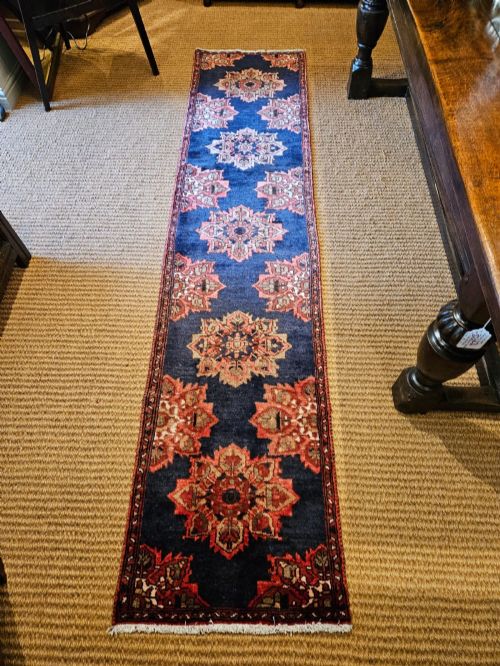
Traditional Corridor Carpet
A traditional corridor carpet provides an enduring foundation for narrow halls, combining practical length with regional patterns.
Traditional Corridor Carpet
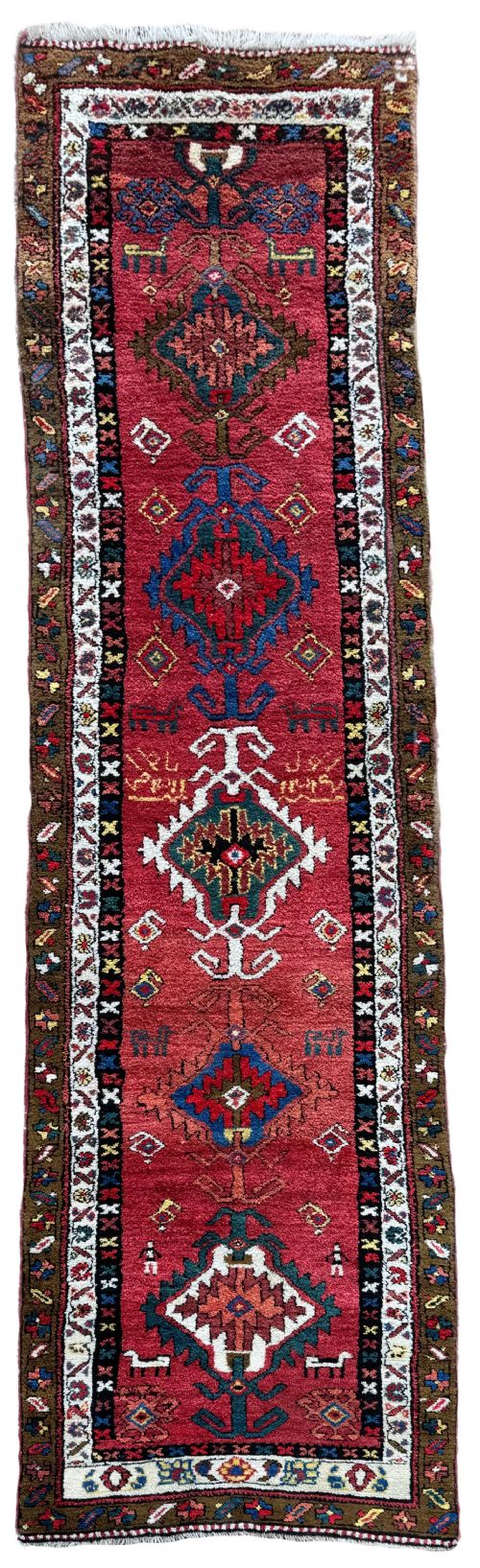
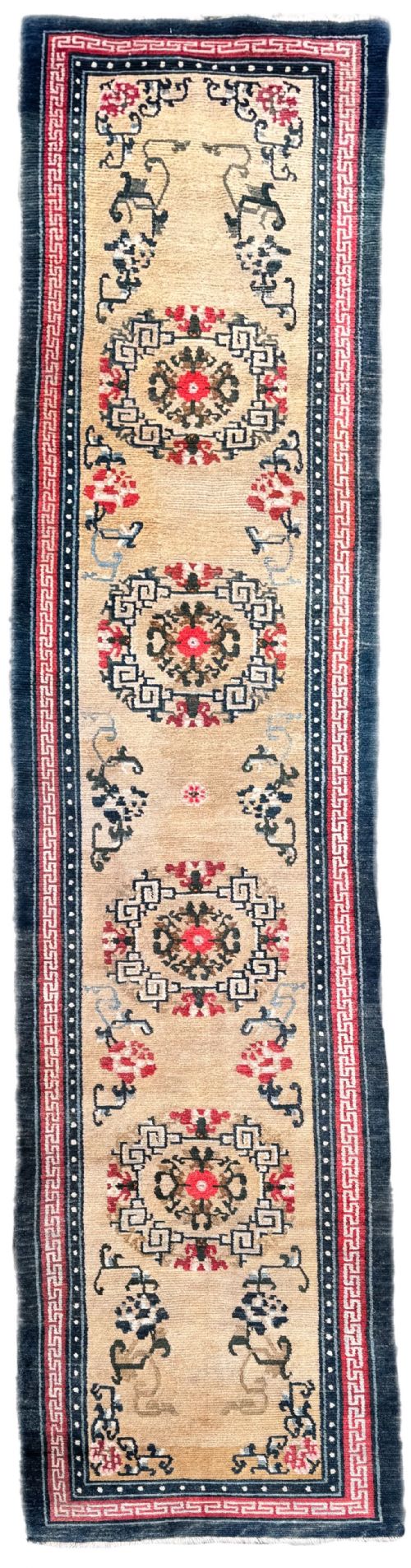
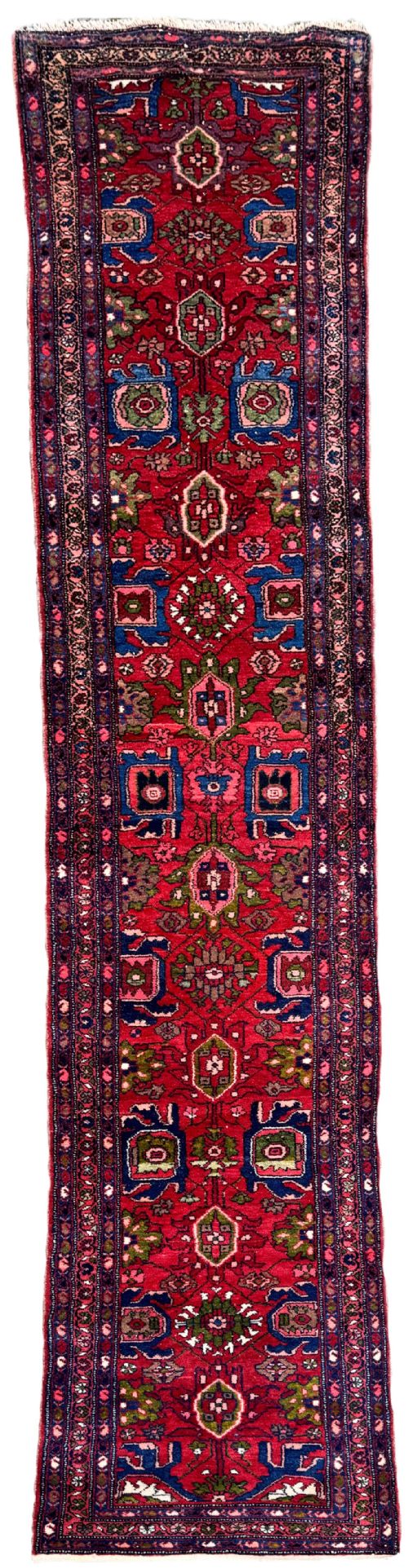
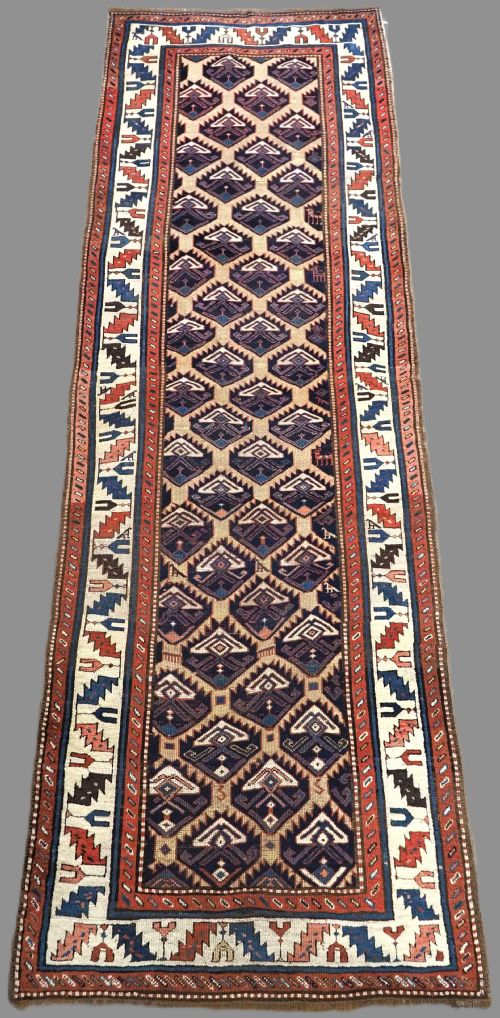
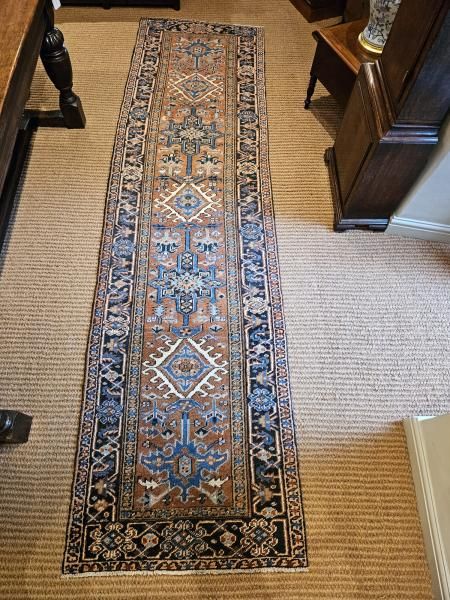
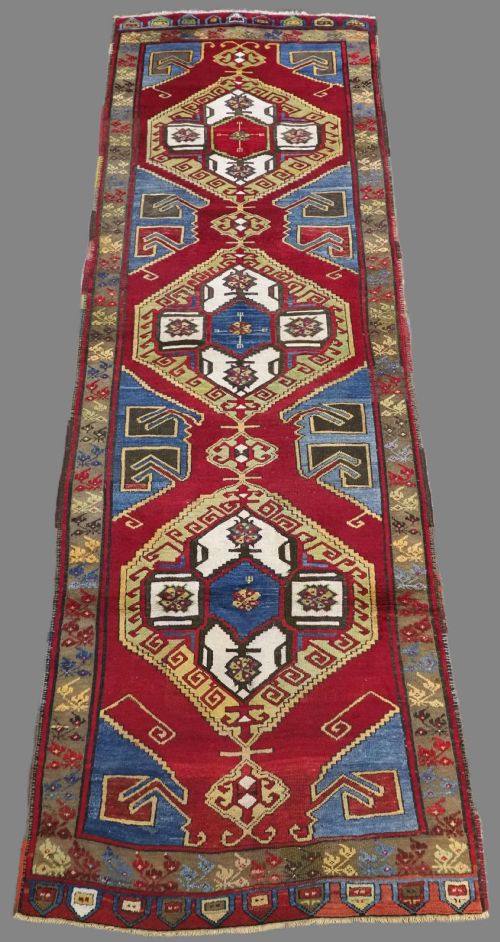
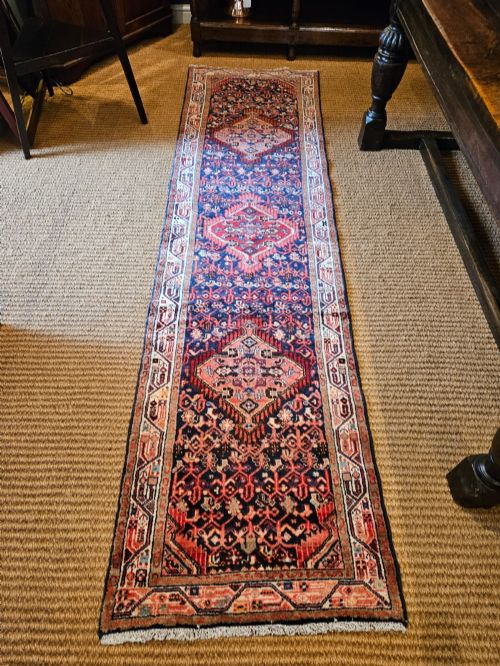
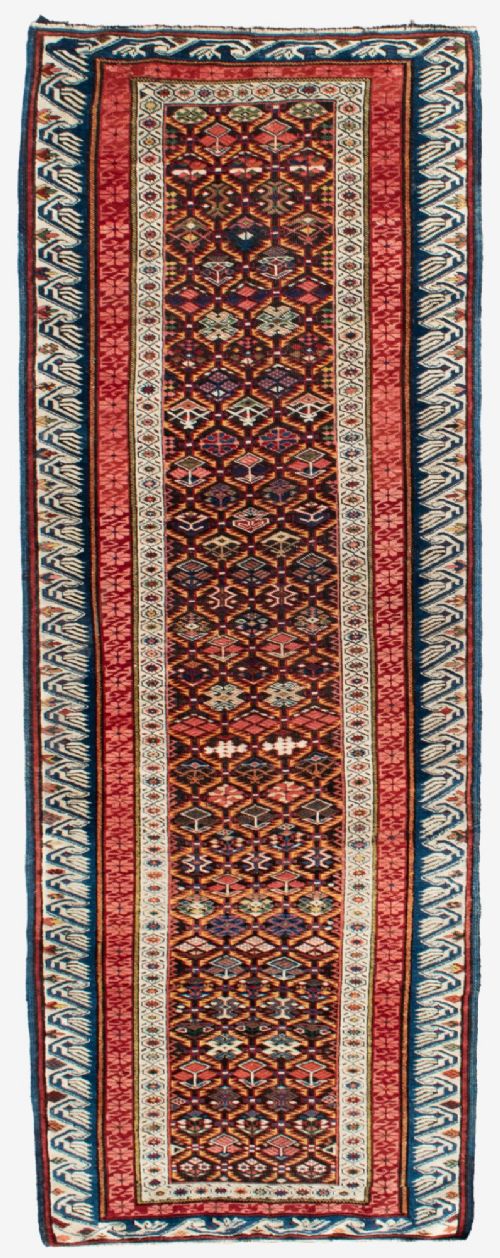
A traditional corridor carpet typically takes the form of a long runner rug designed specifically for hallways, landings, and narrow passages. These pieces span production periods from the nineteenth century through the early twentieth century, originating from weaving centres across Persia, Turkey, the Caucasus, and Tibet.
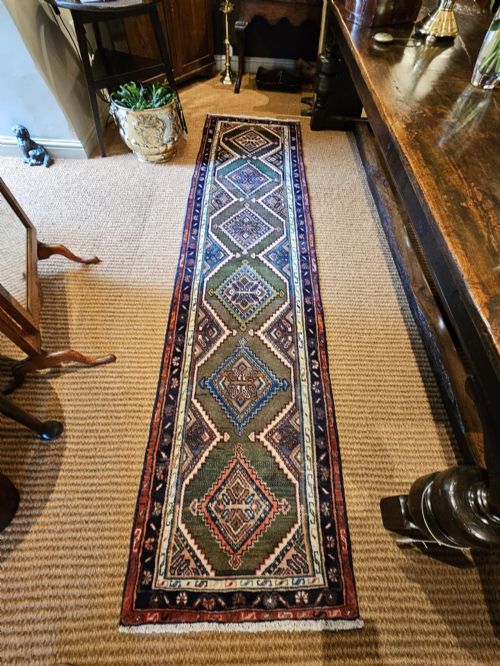
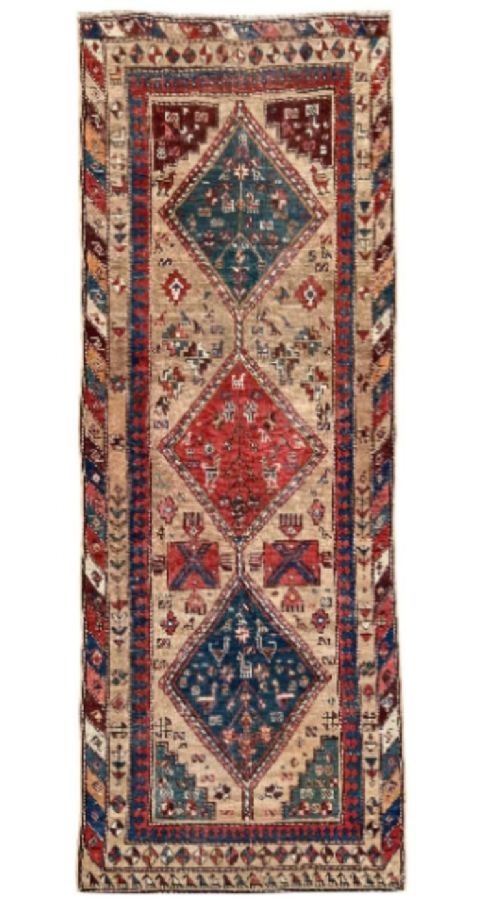
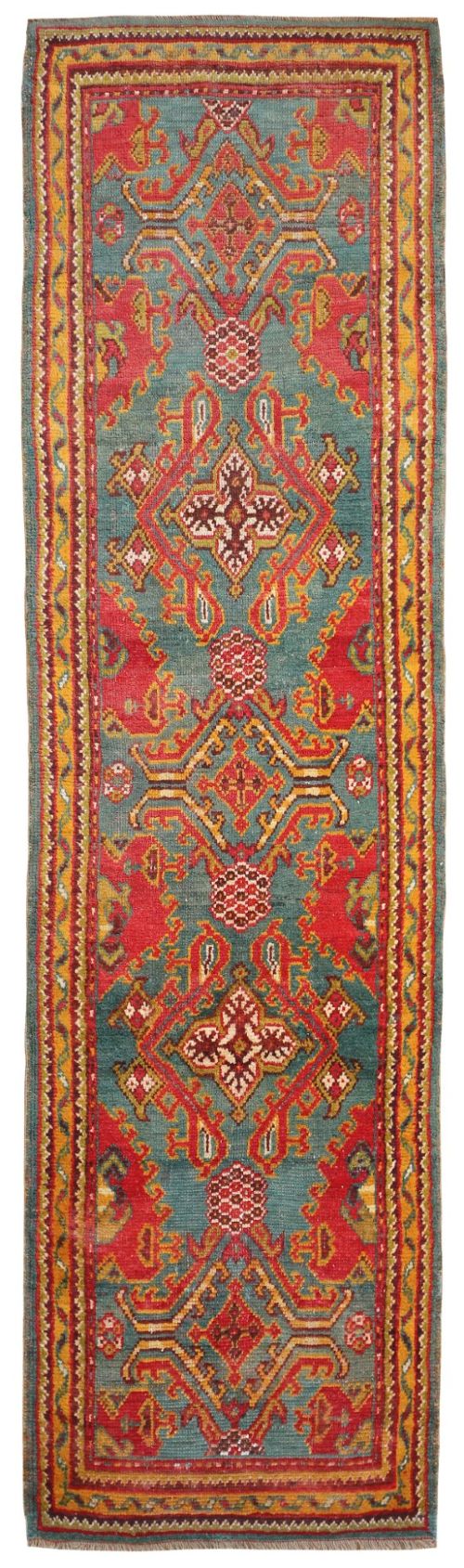
The format is characterised by an elongated rectangular proportion suited to transit spaces, featuring repetitive geometric motifs, medallions, or lattice designs. Examples range from Kurdish and Heriz pieces to Ushak, Hamadan, and Caucasian Gendje or Shahsavan weaves.
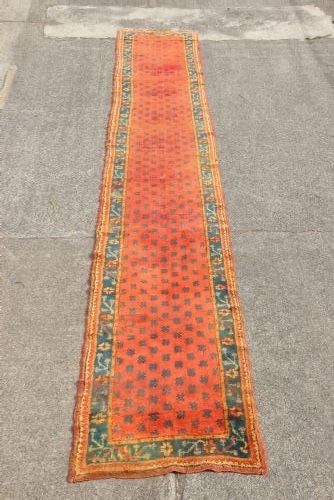
Buyers encounter formats varying from compact lengths under three metres to monumental hallway carpets stretching past five or nine metres. The regional styles dictate the palette, moving from deep navy blues and olive greens to earthy terracotta and muted red tones.
How they were made
The construction relies predominantly on wool pile knotted onto a cotton foundation, though hand-spun wool frequently appears in older tribal and village pieces. Artisans utilised natural dye sources to achieve deep saturations of colour that mellow gracefully over decades of use.
Weaving techniques vary by region, encompassing Kurdish village looms, fine Heriz workshops, and nomadic Caucasian setups. The density of the knotting and the preparation of the wool determine the weight and flexibility of each runner.
Several centuries of foot traffic have failed to tame the delightfully crooked weave of certain antique Kazak runner rugs.
What varies in quality
Quality rests upon the integrity of the foundation and the consistency of the hand-spun wool pile across the length of the runner. Finer knot density allows for sharper definition in complex lattice and geometric designs, particularly in workshop pieces from Heriz or Ushak.
The handling of natural dyes creates subtle tonal shifts known as abrash, which add depth to the field colour. Structural straightness and uniform width throughout long spans also distinguish superior corridor carpets from more rustic or heavily distorted tribal examples.
The Traditional Corridor Carpet Glossary
- Abrash
- Natural variations in wool colour caused by changes in dye batches or hand-spinning. This tonal shifting adds visual texture to the field of a runner.
- Kelleh
- A large format rug or corridor carpet that is longer than a standard rug but wider than a typical narrow runner.
- Lattice design
- A repeating network of intersecting diagonal lines forming diamond or compartment grids across the field.
- Pile
- The cut vertical loops of wool that form the usable surface of the carpet. Its height and density dictate the tactile feel underfoot.
- Runner
- An elongated narrow carpet format intended for hallways, corridors, and staircases.
Traditional Corridor Carpet: Frequently Asked Questions
How do I measure for a corridor carpet?
Measure the clear floor space of the hallway while leaving an even margin of exposed floorboards or stone around the perimeter. Account for door clearances so that doors swing freely over the pile thickness.
Keep in mind that older hand-knotted runners can vary slightly in width from one end to the other due to handloom construction.
Where should I place a runner in the home?
Runners suit high-traffic thoroughfares like main hallways, landing passages, and entrance foyers where linear floor coverings soften footfall. They also serve effectively alongside long gallery walls or beside large bedroom furniture.
Ensure the placement allows the geometric borders to be viewed without obstruction from furniture placement.
How do I care for an old wool runner?
Use a quality rug underlay to prevent slippage and reduce friction between the cotton foundation and hard flooring. Regular gentle vacuuming without a rotating power brush helps remove grit from the base of the pile.
Professional specialist cleaning is recommended for wool and natural dye textiles when deeper maintenance is required.
How do I tell regional styles apart?
Caucasian and tribal pieces typically display sharp, bold geometric motifs with strong primary colours and high contrast. Persian workshop runners from places like Heriz or Hamadan often feature more structured central medallions and intricate floral or Herati formatting.
Turkish Ushak and Oushak examples tend to exhibit softer, more open field patterns with muted terracotta and blue tones.