


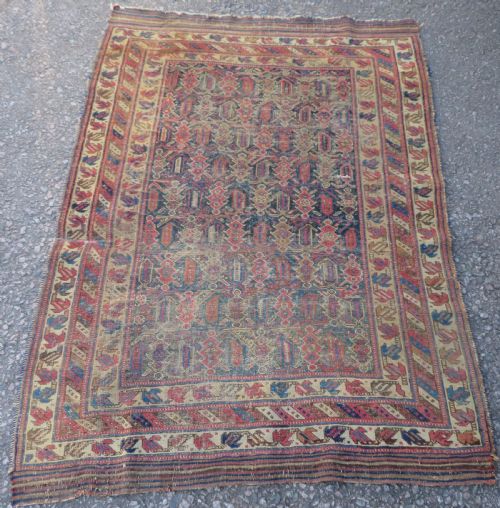
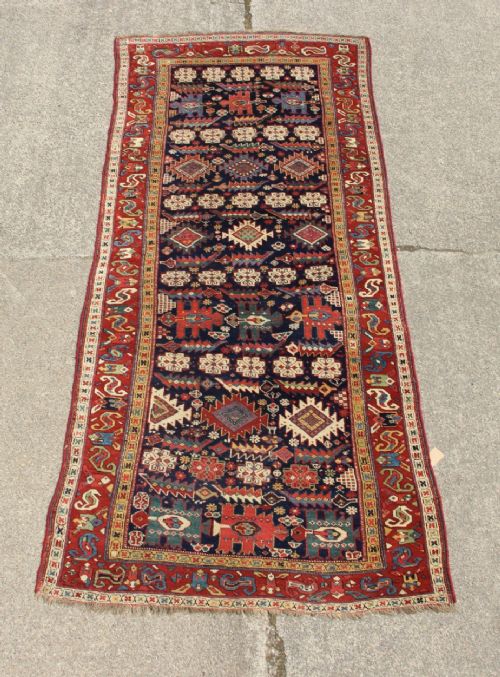
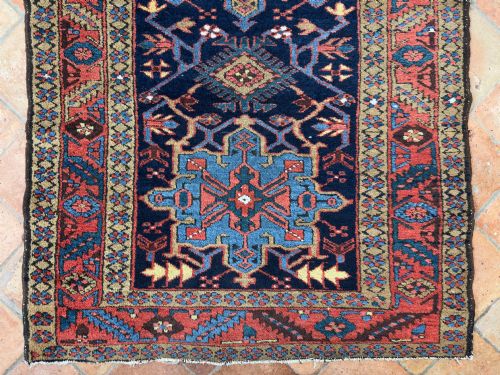
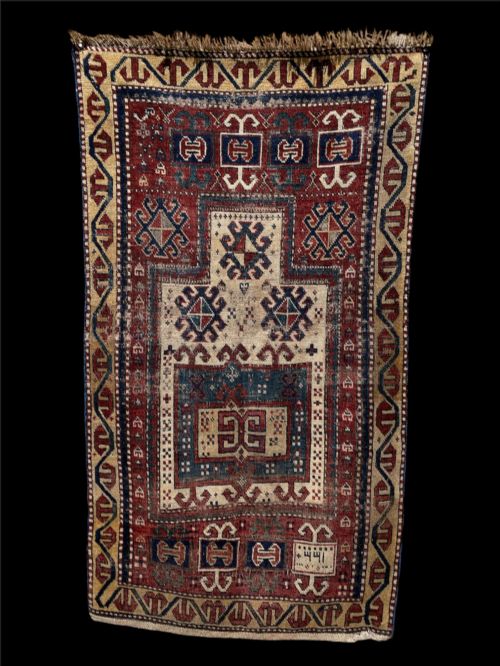
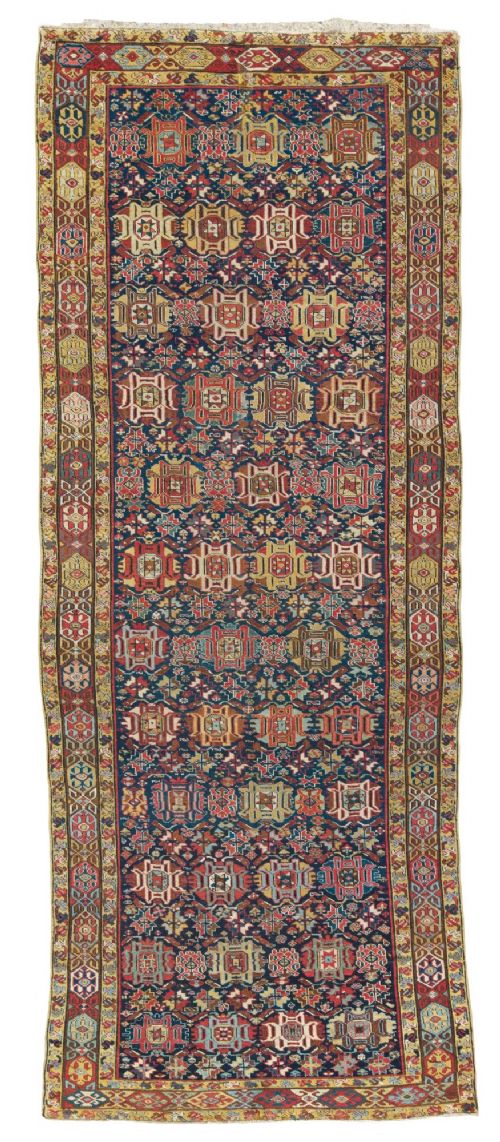
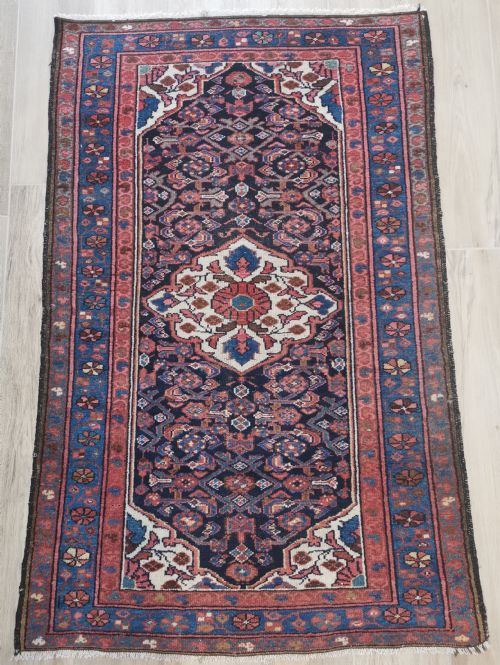
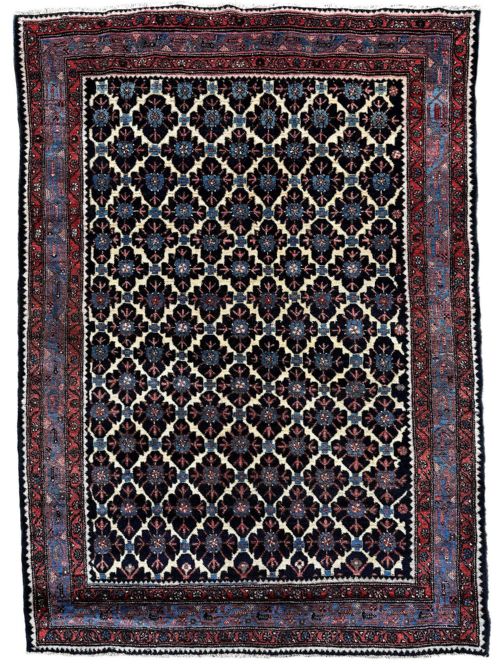
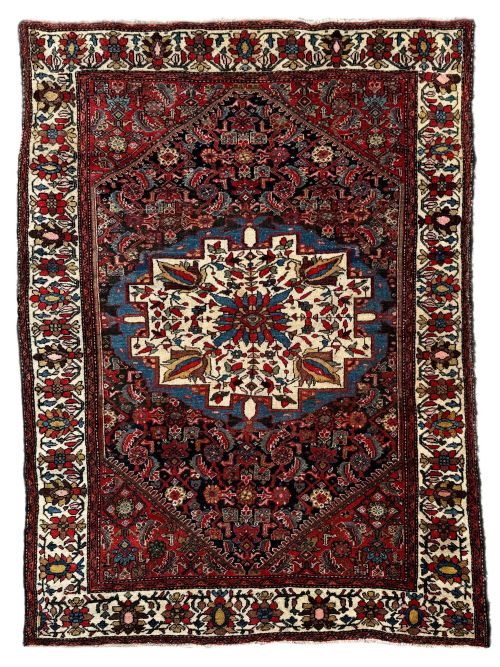
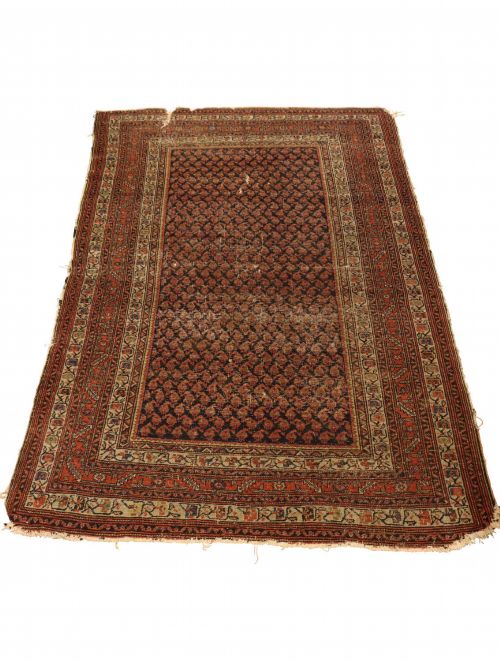
Red Navy Wool Runner
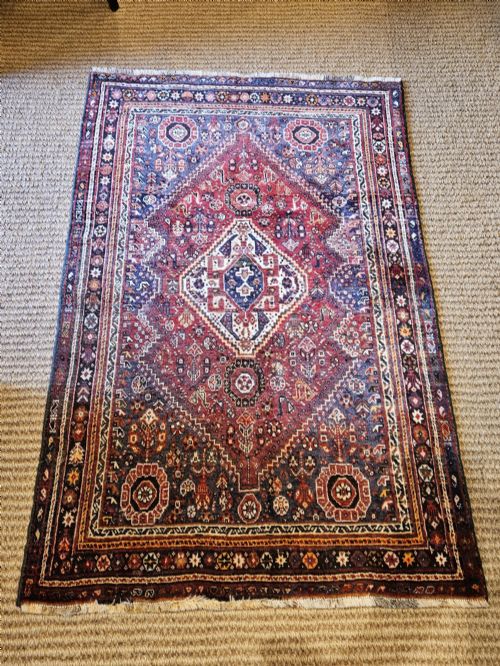
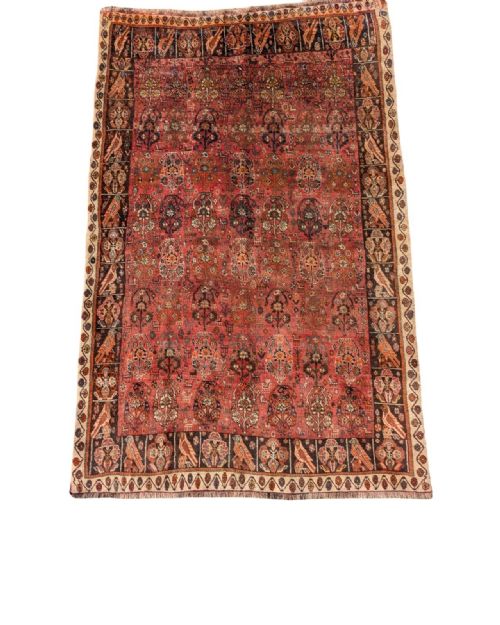
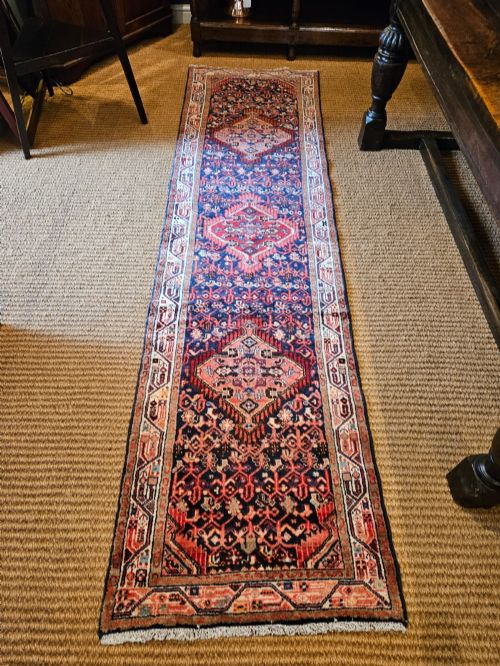
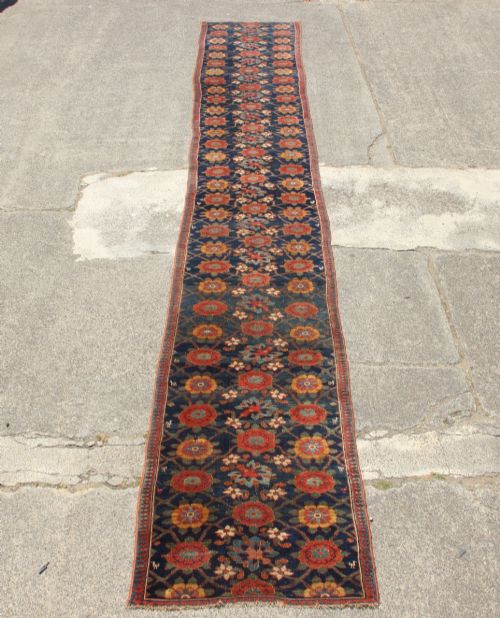
A red navy wool runner brings enduring warmth and structured pattern to a hallway, woven to withstand generations of daily footfall.
Red Navy Wool Runner
A red navy wool runner forms part of a diverse selection of floor coverings rooted in traditional weaving centres, notably spanning Persian and Caucasian styles. Buyers searching for a red navy wool runner encounter narrow formats designed specifically for corridors and extended spaces, alongside related carpet and rug variants.
The selection includes examples originating from tribal and village workshops across Persia and the Caucasus, dating from the mid-nineteenth century through the early twentieth century. Common regional attributions among these long floor coverings include Hamadan, Heriz, and Kurdish workshops, each bringing distinct geometric or floral layouts to the format.
Makers utilised durable wool and cotton foundations to build resilient floor coverings that maintain their structural integrity over decades of use. The typical palette combines deep indigo or navy grounds with rich madder reds, highlighted by contrasting motifs in ivory and secondary accents.
Materials and construction methods
Weavers constructed these pieces using hand-spun wool for the pile, yielding a dense and resilient surface capable of enduring heavy foot traffic. Cotton foundations frequently provide structural stability for the warp and weft threads, ensuring the long narrow format retains its shape.
Natural dyeing traditions governed the coloration, utilising materials such as madder root for reds and indigo for navy tones. Hand-knotting techniques secure the pile firmly to the foundation, creating the robust structure characteristic of antique village and tribal weaving.
Listings feature wool and hand-spun wool runners spanning the nineteenth and twentieth centuries, originating from Persian and Caucasian tribal workshops.
Quality factors in antique runners
The density and fineness of the knotting largely determine the crispness of the geometric or floral design, separating standard utility pieces from finer works. Abrash, or natural variations in wool dye lots, introduces subtle tonal shifts that demonstrate traditional dyeing methods rather than chemical uniformity.
The condition of the wool pile and the original integrity of the outer selvedges dictate the durability and remaining lifespan of the textile. Pieces retaining their original end finishes and consistent pile height demonstrate superior preservation over long periods of domestic use.
The Red Navy Wool Runner Glossary
- Runner
- A long, narrow carpet format traditionally used in hallways, corridors, and alongside furniture. These pieces measure significantly longer than they are wide.
- Pile
- The vertical or diagonal tufts of wool that form the soft upper surface of the rug. It is created by knotting yarn around the warp threads and shearing the ends.
- Warp
- The stationary vertical threads stretched tightly on the loom that form the foundational skeleton of the rug. Weft threads are woven horizontally across them.
- Abrash
- A natural variation in the colour of the wool pile caused by changes in dye batches or hand-spun yarn lots. It appears as subtle horizontal bands of shading.
- Mihrab
- An arch-like architectural motif depicted in prayer rugs, pointing towards Mecca. It often frames the central field of traditional carpets.
- Boteh
- A Paisley-like almond motif with a curved upper end, widely used in Persian and Caucasian textile design. It symbolises life and eternity.
Red Navy Wool Runner: Frequently Asked Questions
Where should I place a long runner?
These narrow floor coverings suit high-traffic thoroughfares such as corridors, hallways, and stair landings where length defines the space. Their robust wool construction handles sustained footfall while adding warmth to transitional areas.
Ensure you measure the available floor space carefully, leaving a uniform border of exposed wood or tile around the perimeter of the textile for a balanced appearance.
How do I care for antique wool runners?
Regular gentle vacuuming without a rotating brush roll prevents dust and grit from settling deep into the wool pile. Professional cleaning by specialists in antique textiles ensures the natural lanolin in the wool remains protected.
Avoid placing these pieces in prolonged direct sunlight to prevent the natural madder reds and indigo navies from fading over time.
What is the difference between a rug and a runner?
Rugs are generally proportioned with balanced length and width dimensions, suitable for centring beneath furniture or defining an open seating area. Runners feature an elongated, narrow geometry specifically proportioned for corridors and passages.
Both utilise similar hand-knotting techniques and wool materials, but their distinct dimensions serve entirely different architectural spaces within a home.
How can I date an antique runner?
Dating relies on analysing the structural materials, dyestuffs, design vocabulary, and regional weaving characteristics visible in the piece. Mid-nineteenth to early twentieth-century examples often display organic dye variations and hand-spun wool structures distinct from later industrial production.
Comparing the knot density and stylistic motifs against documented tribal and village weaving traditions helps narrow down the probable decade of origin.