





Ivory Persian Runner Rug
An ivory persian runner rug brings refined linear geometry and subtle palette control to a long hallway.
Ivory Persian Runner Rug
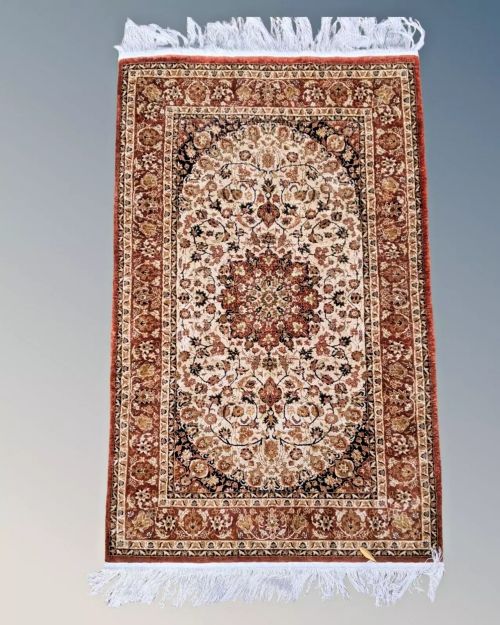
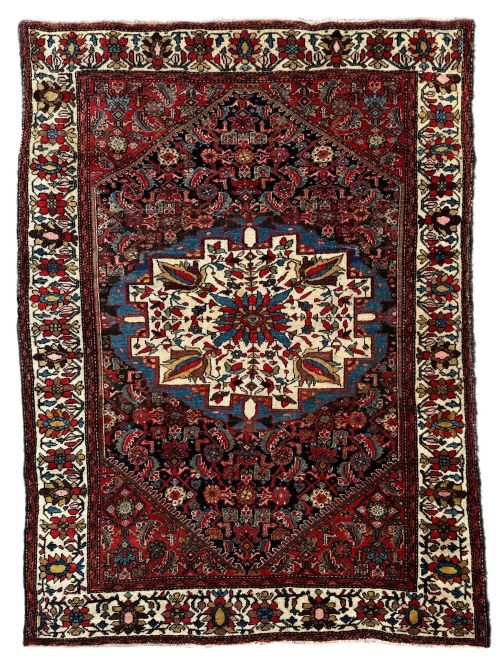
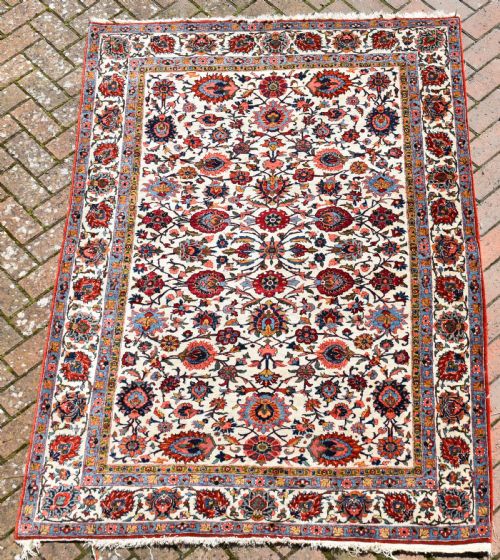
An ivory persian runner rug represents elongated floor coverings produced across Persian and surrounding regional workshops, designed specifically for corridors and narrow spaces. These pieces combine pale neutral backgrounds with traditional motifs such as boteh, lattice patterns, and tribal designs.
The selections available here span from the late nineteenth century through the early decades of the twentieth century. Buyers encounter various regional expressions, including Malayer, Kurdish, and Baluch village pieces, alongside room-sized carpets and smaller formats.
The overarching characteristic uniting these textiles is the pale ivory or cream ground that illuminates the darker motifs woven across the field. This coloration creates a distinct visual balance, softening complex geometric and botanical compositions.
Materials and construction methods
The construction of these floor coverings relies primarily on wool and cotton foundation structures, occasionally incorporating hand-spun wool for enhanced texture. Silk also appears in specific regional weaving traditions to add delicate definition to the pile.
Weavers knotted the pile by hand onto warp and weft threads, utilising natural dyes derived from plants and minerals to achieve lasting depth of colour. The density of the knotting and the quality of the spinning dictate the structural integrity of each runner.
Ivory Persian Runner Rug Retail Price Guide 2026
Typical asking prices for ivory persian runner rug among the pieces listed under this phrase on Sellingantiques today, from the lower quarter to the upper quarter. They describe what is for sale here now, not the wider market.
Old village weavers occasionally hid whimsical butterfly motifs among complex tribal lattices, surprising those who look closely at the floor.
Distinguishing quality in older weaving
Quality in these textiles rests upon the fineness of the knot count and the precision of the design execution along a narrow format. Finer village and city weavings display crisper outlines in motifs like boteh and lattice work, whereas simpler tribal pieces show a more organic, rustic irregularity.
The condition of the wool pile and the integrity of the foundation edges determine longevity. Pieces retaining their original selvedges and end finishes demonstrate superior preservation compared to those with extensive structural interventions.
The Ivory Persian Runner Rug Glossary
- Boteh
- A traditional almond or pear-shaped motif with a curved upper end, frequently seen in Persian textile design. This symbol represents eternity or a cypress tree.
- Selvedge
- The finished side edges of a rug formed by wrapping the outermost warp threads. Original selvedges indicate a well-preserved textile.
- Warp
- The vertical threads stretched tightly on the loom before knotting begins. These foundational threads form the fringe at either end of the rug.
- Weft
- The horizontal threads passed across the warp strands after each row of knots is secured. They hold the pile tightly in place and give the fabric its body.
- Pile
- The upright cut or looped ends of yarn that form the usable surface of the rug. Its height and density vary according to the regional workshop style.
Ivory Persian Runner Rug: Frequently Asked Questions
Where should I place a runner?
These elongated textiles suit narrow architectural spaces such as hallways, corridors, and gallery landings where standard rectangular formats do not fit. They protect high-traffic wooden floors while adding warmth and pattern.
Ensure the space allows for adequate clearance along doors and furniture so the rug lies flat without obstruction.
How do I care for antique wool rugs?
Regular gentle vacuuming without a beater bar prevents dust accumulation in the wool pile. Professional cleaning by specialists in antique textiles ensures safe maintenance of natural dyes.
Keep these pieces away from prolonged direct sunlight to preserve the pale ivory tones of the background field.
How do I identify a village piece?
Village and tribal rugs often feature spontaneous designs with asymmetric tribal motifs and charming irregularities in the geometry. These differ from formal city workshop carpets which follow strict symmetrical cartoons.
The materials in village weaving frequently include hand-spun wool with varied texture and depth.
What causes the ivory tone to vary?
The pale background shades result from un-dyed sheep wool or light vegetable mordants used across different Persian regions. Age and light exposure also impart a warm golden patina to the cream ground over decades.
Variations in wool processing mean no two ivory fields share the exact same shade.